Cerebras Systems' IPO Soars Amid AI Frenzy
Written by Emily J. Thompson, Senior Investment Analyst
Updated: May 15 2026
0mins

Source: PRnewswire
- Debut Trading Performance: Cerebras Systems opened at $185 and closed at $311.07, marking a remarkable 68% increase on its first trading day, reflecting strong market enthusiasm for AI stocks.
- Significant Investment Returns: Dominari Securities invested in Cerebras at $39 per share, and with the stock's surge, clients achieved approximately a 9X return, translating to around $10 million in profits for them.
- Strengthened Market Position: Cerebras has established itself as a leader in AI infrastructure, and this successful IPO not only reflects years of hard work but also sets a solid foundation for its future performance in public markets.
- Optimistic Industry Outlook: The rapid advancement of AI technology and Cerebras' success instills confidence in investors, indicating that future investment opportunities in the AI and data center sectors will continue to grow.
Trade with 70% Backtested Accuracy
Stop guessing "Should I Buy CBRS?" and start using high-conviction signals backed by rigorous historical data.
Sign up today to access powerful investing tools and make smarter, data-driven decisions.
Analyst Views on CBRS
Wall Street analysts forecast CBRS stock price to rise
0 Analyst Rating
0 Buy
0 Hold
0 Sell
Current: 181.720

Low
Averages
High
Current: 181.720
Low
Averages
High
About CBRS
Cerebras Systems Inc. is an artificial intelligence (AI) infrastructure company that designs and manufactures an AI compute platform comprised of proprietary systems and software. The Company's products include inference Cloud, Training Cloud, CS-3 system, AI supercomputer, Wafer Scale Engine and model development. The Company's pioneering Wafer-Scale Engine (WSE), a chip encompassing an entire silicon wafer, was specifically designed to enable higher performance and speeds than GPUs for the computational demands of inference, Generative AI (GenAI), and other AI applications. It offers deployment services to assist customers with data preparation, model architecture design, training management, inference optimization, and, in select cases, ongoing system operations and management. It also offers a subscription service providing access to an ongoing stream of software updates and upgrades for purchasers of its hardware.
About the author

Emily J. Thompson
Emily J. Thompson, a Chartered Financial Analyst (CFA) with 12 years in investment research, graduated with honors from the Wharton School. Specializing in industrial and technology stocks, she provides in-depth analysis for Intellectia’s earnings and market brief reports.

Cerebras Expands Data Center Capacity in Europe

- European Infrastructure Expansion: Cerebras plans to bring its first European data center online by the end of 2026, with rapid build-out across France and the Nordics, aiming for a total capacity of 200 MW by the end of 2027, significantly enhancing its service capabilities in the European market.
- Supporting OpenAI Workloads: A portion of the new capacity will specifically support existing workloads for OpenAI, indicating Cerebras' strategic intent in high-performance AI computing and further solidifying its market position.
- Meeting Customer Demand: The expansion plan addresses the urgent need for low-latency AI infrastructure among European enterprises, research institutions, and governments, particularly as AI models become increasingly complex, thereby enhancing its competitiveness in the local market.
- Long-Term Growth Confidence: CEO Andrew Feldman emphasized that this expansion reflects the company's confidence in the long-term growth potential of the European market, demonstrating its commitment to providing fast, responsibly powered AI computing services to meet customer expectations for high-performance computing.
See More
SK Hynix Set to Debut on Nasdaq, Attracting U.S. Investors

- Nasdaq Debut: SK Hynix is set to begin trading on Nasdaq this Friday, with an expected offering of approximately $26.5 billion, marking one of the largest listings in history and providing U.S. investors with easier access to the stock.
- Stock Performance Analysis: Despite a staggering 2,550% increase since the launch of ChatGPT in November 2022, Cramer notes that SK Hynix's stock appears cheap, trading at just over seven times this year's earnings, indicating potential investment value.
- Market Risk Warning: Cramer cautions that while AI-driven demand for memory chips is robust, the memory chip industry has historically experienced cyclical volatility, and investors should be wary of potential market corrections.
- Investment Strategy Advice: Cramer recommends that investors consider a small position in SK Hynix while leaving room to buy more during potential market dips, emphasizing that whether AI can fundamentally change the cyclical nature of the memory industry remains to be seen.
See More

U.S. Stocks Close Higher Led by Chipmakers Amid Strong Investor Demand


- Chipmaker Rally: The U.S. stock market saw a boost as chipmakers surged, driven by SK Hynix's ADRs being oversubscribed by more than seven times, indicating strong investor demand and enhancing overall market sentiment.
- Optimistic Market Sentiment: Despite escalating tensions in the Middle East, stocks rose, reflecting investor confidence in robust Q2 earnings forecasts, which are expected to increase by 23%, close to Q1's impressive 30% growth.
- Strong Labor Market: Weekly initial unemployment claims unexpectedly fell to 215,000, indicating a resilient labor market that further supports the upward trend in stock prices amid economic uncertainties.
- Airline Stocks Benefit from Oil Price Drop: Airline and cruise line stocks rallied as WTI crude oil prices fell over 1%, showcasing the market's sensitivity to fluctuations in energy prices and their impact on operational costs.
See More
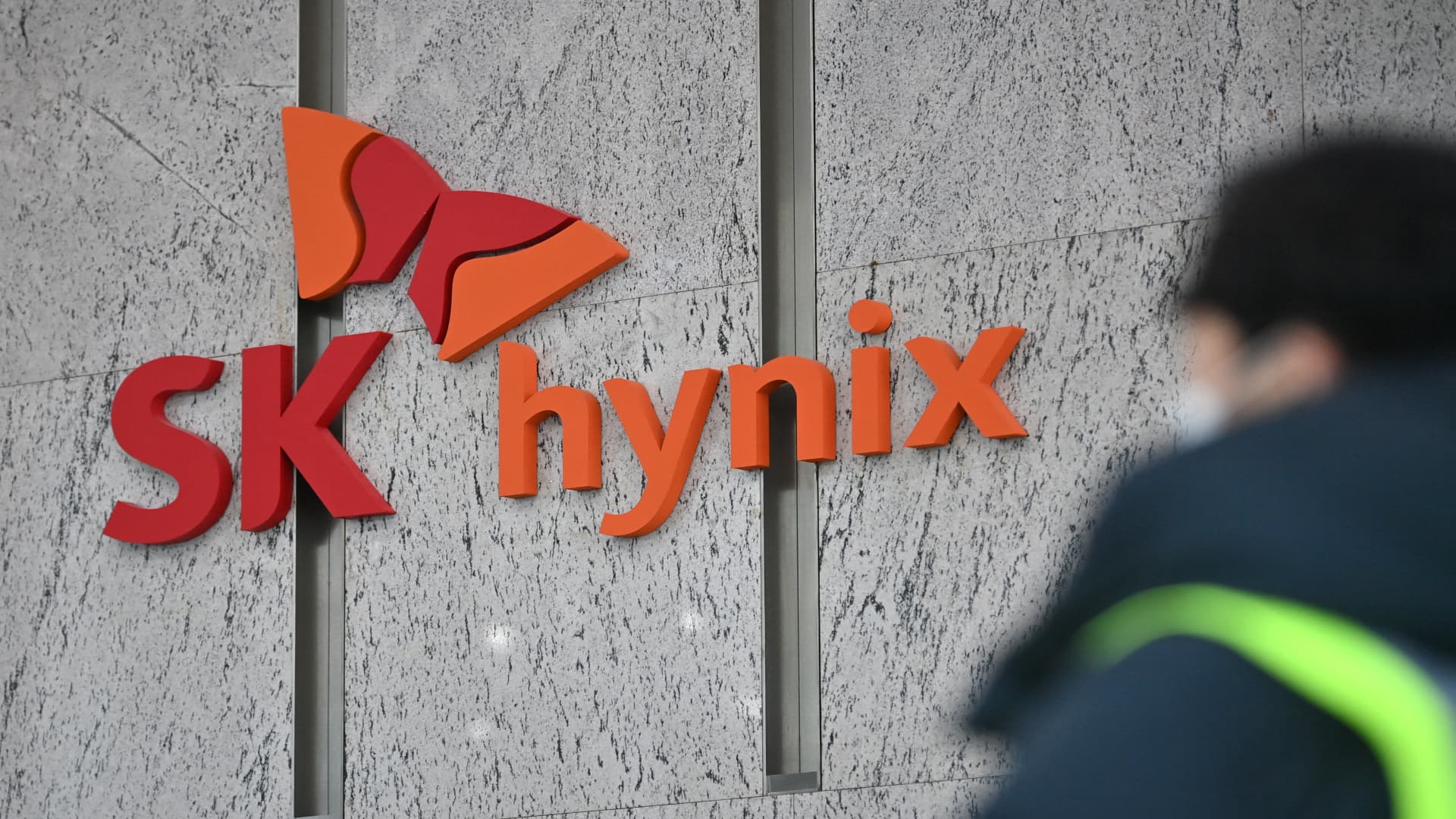
SK Hynix's Nasdaq Debut: Opportunities and Risks

- Nasdaq Listing Opportunity: SK Hynix is set to debut on Nasdaq through American Depositary Receipts, with an expected offering of approximately $26.5 billion, providing U.S. investors a new avenue to engage in the AI boom, albeit with significant risks involved.
- Market Performance Volatility: Since the launch of ChatGPT in November 2022, SK Hynix's stock has surged about 2,550%, pushing its market value above $1 trillion; however, the stock has recently fallen about 25% from its June 25 peak, highlighting the high volatility in the market.
- Earnings Expectations and Valuation: Despite the premium pricing of its memory chips, Cramer notes that the stock trades at just over seven times this year's earnings, indicating a relatively cheap valuation that may present a good buying opportunity for investors.
- Industry Risk Warning: Cramer cautions that the memory chip sector has historically experienced cycles of boom and bust, and whether AI spending can fundamentally alter this pattern remains uncertain, necessitating careful consideration of potential market fluctuations by investors.
See More

Pomerantz Investigates Cerebras for Securities Fraud
- Securities Fraud Investigation: Pomerantz LLP is investigating claims against Cerebras Systems Inc. regarding potential securities fraud, which could significantly impact investors if the company and its executives are found liable for unlawful business practices.
- IPO Performance: Cerebras completed its IPO on May 14, 2026, successfully selling 30 million shares of Class A common stock at $185.00 per share, indicating initial market confidence in the company's prospects.
- Earnings Miss: On June 24, 2026, Cerebras reported a loss of $0.22 per share, missing analyst expectations of a $0.16 loss, highlighting operational challenges that the company is currently facing.
- Stock Price Plunge: Following the disappointing earnings report, Cerebras's stock price fell by $44.46, or 19.61%, closing at $182.26 per share, reflecting market concerns about its future profitability.
See More

Cerebras Plans to Expand Data Center Capacity in Europe
- European Data Center Expansion: Cerebras plans to bring new data centers online in France and Scandinavia by the end of 2026, aiming to increase total capacity to 200 megawatts by the end of 2027, which will enhance its high-speed AI inference infrastructure closer to European users, thereby improving response times for complex AI workloads.
- CS-3 Chip Production Capacity Boost: Through collaboration with Flex, Cerebras expects to increase CS-3 chip production capacity at its California facility by approximately seven times by 2026, thanks to new production lines, expanded floor space, and advanced testing infrastructure, significantly enhancing the company's manufacturing capabilities.
- Stock Price Recovery: After closing below $200 for the first three days of the week, Cerebras shares rose 11% in today's trading, reflecting positive market sentiment towards the company's expansion plans, although analysts remain cautious about its investment value.
- Market Signal Analysis: While the expansion plans are encouraging, analysts note that today's announcements alone are insufficient to justify a buy recommendation for the stock, prompting investors to consider broader market trends and other potential investment opportunities.
See More
Cerebras Expands Data Center Capacity in Europe
- European Infrastructure Expansion: Cerebras plans to bring its first European data center online by the end of 2026, with rapid build-out across France and the Nordics, aiming for a total capacity of 200 MW by the end of 2027, significantly enhancing its service capabilities in the European market.
- Supporting OpenAI Workloads: A portion of the new capacity will specifically support existing workloads for OpenAI, indicating Cerebras' strategic intent in high-performance AI computing and further solidifying its market position.
- Meeting Customer Demand: The expansion plan addresses the urgent need for low-latency AI infrastructure among European enterprises, research institutions, and governments, particularly as AI models become increasingly complex, thereby enhancing its competitiveness in the local market.
- Long-Term Growth Confidence: CEO Andrew Feldman emphasized that this expansion reflects the company's confidence in the long-term growth potential of the European market, demonstrating its commitment to providing fast, responsibly powered AI computing services to meet customer expectations for high-performance computing.
See More
SK Hynix Set to Debut on Nasdaq, Attracting U.S. Investors
- Nasdaq Debut: SK Hynix is set to begin trading on Nasdaq this Friday, with an expected offering of approximately $26.5 billion, marking one of the largest listings in history and providing U.S. investors with easier access to the stock.
- Stock Performance Analysis: Despite a staggering 2,550% increase since the launch of ChatGPT in November 2022, Cramer notes that SK Hynix's stock appears cheap, trading at just over seven times this year's earnings, indicating potential investment value.
- Market Risk Warning: Cramer cautions that while AI-driven demand for memory chips is robust, the memory chip industry has historically experienced cyclical volatility, and investors should be wary of potential market corrections.
- Investment Strategy Advice: Cramer recommends that investors consider a small position in SK Hynix while leaving room to buy more during potential market dips, emphasizing that whether AI can fundamentally change the cyclical nature of the memory industry remains to be seen.
See More
U.S. Stocks Close Higher Led by Chipmakers Amid Strong Investor Demand
- Chipmaker Rally: The U.S. stock market saw a boost as chipmakers surged, driven by SK Hynix's ADRs being oversubscribed by more than seven times, indicating strong investor demand and enhancing overall market sentiment.
- Optimistic Market Sentiment: Despite escalating tensions in the Middle East, stocks rose, reflecting investor confidence in robust Q2 earnings forecasts, which are expected to increase by 23%, close to Q1's impressive 30% growth.
- Strong Labor Market: Weekly initial unemployment claims unexpectedly fell to 215,000, indicating a resilient labor market that further supports the upward trend in stock prices amid economic uncertainties.
- Airline Stocks Benefit from Oil Price Drop: Airline and cruise line stocks rallied as WTI crude oil prices fell over 1%, showcasing the market's sensitivity to fluctuations in energy prices and their impact on operational costs.
See More
SK Hynix's Nasdaq Debut: Opportunities and Risks
- Nasdaq Listing Opportunity: SK Hynix is set to debut on Nasdaq through American Depositary Receipts, with an expected offering of approximately $26.5 billion, providing U.S. investors a new avenue to engage in the AI boom, albeit with significant risks involved.
- Market Performance Volatility: Since the launch of ChatGPT in November 2022, SK Hynix's stock has surged about 2,550%, pushing its market value above $1 trillion; however, the stock has recently fallen about 25% from its June 25 peak, highlighting the high volatility in the market.
- Earnings Expectations and Valuation: Despite the premium pricing of its memory chips, Cramer notes that the stock trades at just over seven times this year's earnings, indicating a relatively cheap valuation that may present a good buying opportunity for investors.
- Industry Risk Warning: Cramer cautions that the memory chip sector has historically experienced cycles of boom and bust, and whether AI spending can fundamentally alter this pattern remains uncertain, necessitating careful consideration of potential market fluctuations by investors.
See More
Pomerantz Investigates Cerebras for Securities Fraud
- Securities Fraud Investigation: Pomerantz LLP is investigating claims against Cerebras Systems Inc. regarding potential securities fraud, which could significantly impact investors if the company and its executives are found liable for unlawful business practices.
- IPO Performance: Cerebras completed its IPO on May 14, 2026, successfully selling 30 million shares of Class A common stock at $185.00 per share, indicating initial market confidence in the company's prospects.
- Earnings Miss: On June 24, 2026, Cerebras reported a loss of $0.22 per share, missing analyst expectations of a $0.16 loss, highlighting operational challenges that the company is currently facing.
- Stock Price Plunge: Following the disappointing earnings report, Cerebras's stock price fell by $44.46, or 19.61%, closing at $182.26 per share, reflecting market concerns about its future profitability.
See More
Cerebras Plans to Expand Data Center Capacity in Europe
- European Data Center Expansion: Cerebras plans to bring new data centers online in France and Scandinavia by the end of 2026, aiming to increase total capacity to 200 megawatts by the end of 2027, which will enhance its high-speed AI inference infrastructure closer to European users, thereby improving response times for complex AI workloads.
- CS-3 Chip Production Capacity Boost: Through collaboration with Flex, Cerebras expects to increase CS-3 chip production capacity at its California facility by approximately seven times by 2026, thanks to new production lines, expanded floor space, and advanced testing infrastructure, significantly enhancing the company's manufacturing capabilities.
- Stock Price Recovery: After closing below $200 for the first three days of the week, Cerebras shares rose 11% in today's trading, reflecting positive market sentiment towards the company's expansion plans, although analysts remain cautious about its investment value.
- Market Signal Analysis: While the expansion plans are encouraging, analysts note that today's announcements alone are insufficient to justify a buy recommendation for the stock, prompting investors to consider broader market trends and other potential investment opportunities.
See More