

Cerebras Reports Q1 Core Revenue of $191.3M, Beating Consensus
Reports Q1 core revenue $191.3M, consensus $180.84M. "This was an outstanding start to 2026 for Cerebras. And we are proud of our achievements," said Andrew Feldman, Cerebras co-founder and CEO. "AI has moved from being a novelty to being useful and productive. Cerebras' wafer-scale technology delivers the fastest AI in the world. And fast AI is more valuable than slow AI because it is more productive. It provides answers in less time. It delivers solutions in less time. This in turn has created significant momentum with pioneering customers like OpenAI and AWS and emerging customers as well. The growing importance of AI in our economy requires AI infrastructure that can power the most advanced applications at unprecedented speed. This is the Cerebras mission."
Trade with 70% Backtested Accuracy
Analyst Views on CBRS

About CBRS
About the author


Cerebras Systems Shares Drop Amid Margin Concerns Despite Strong Demand

- Margin Concerns: Cerebras Systems shares fell about 10% in premarket trading on Wednesday due to investor concerns over gross margin outlook, although analysts noted this reflects a conservative guidance approach, indicating caution in scaling cloud operations.
- Analyst Ratings Hold: Morgan Stanley maintained its Overweight rating on Cerebras and raised the price target from $250 to $273, emphasizing that despite IPO conservatism, improved gross margin guidance highlights the company's potential amid strong demand.
- Cloud Service Expansion: Analysts pointed out that the 750 MW contract with OpenAI will be a significant driver for the next few years, and although the company initially relied on rented hardware to meet rapid cloud service demand, it is ramping up its internal cloud capabilities.
- Amazon Partnership Progress: Cerebras reached a definitive agreement with Amazon this week, which, while seen as a small opportunity in the short term, could provide new revenue growth potential in the future, particularly addressing the bottleneck issues in cloud computing capacity.

Cerebras Systems' 2026 Sales Forecast Falls Short of Expectations

- Sales Forecast Downgrade: Cerebras Systems projects 2026 revenue between $855 million and $865 million, exceeding the $824.8 million analyst average, yet the stock fell about 10% in after-hours trading as investors sought stronger growth signals.
- Strong Q1 Performance: The company reported a 94% year-over-year revenue increase to $193.4 million, surpassing the $181.4 million analyst estimate, although it posted a net loss of $14 million, narrower than the expected $58.6 million loss, indicating ongoing momentum in its systems and services.
- Hardware and Services Sales: Hardware sales reached $110.6 million, while cloud and other services contributed $82.8 million, demonstrating growth across multiple business segments, despite market skepticism regarding future growth potential.
- Capacity Bottleneck Concerns: CEO Andrew Feldman highlighted data center space as a key bottleneck, with CFO Bob Komin revealing the company is renting back some systems from customers and aggressively expanding capacity, a move expected to reduce margins by 10 to 15 points this year, reflecting market concerns about its expansion capabilities.

Market Dynamics and Company Updates


- Market Rebound Attempt: The S&P 500 and Nasdaq are attempting to rebound after consecutive down days, with tech stocks showing signs of recovery, indicating renewed confidence in the tech sector, despite a significant drop in oil prices, with WTI crude at $71 and Brent hitting its lowest level since before the Iran war.
- FedEx Earnings Volatility: FedEx shares fell 4% despite beating quarterly expectations, as the shift to a new fiscal calendar created confusion in guidance; however, analysts remain optimistic, with Wells Fargo maintaining a $425 price target, reflecting confidence in the company's future prospects.
- Google Joins Dow Jones: Alphabet, Google's parent company, will replace Verizon in the Dow Jones Industrial Average, which, while not expected to have a significant immediate impact on stock prices, demonstrates market recognition of tech companies and may attract more investor attention.
- Nike's New CFO: Nike appointed David Denton as the new CFO, with expectations that next week's earnings report will align with previous guidance and benefit from tariff refunds, although there are lingering doubts about future expectations, leading analysts to recommend focusing on guidance rather than quarterly results.

OpenAI and Broadcom Launch First Custom Chip

- Chip Launch: OpenAI and Broadcom have unveiled their first custom chip, named Jalapeño, marking OpenAI's entry into AI silicon, which is expected to significantly enhance the inference efficiency of its AI models.
- Market Reaction: Following the announcement, Broadcom's shares rose approximately 2%, reflecting positive market sentiment regarding its sustained demand and growth potential in the generative AI sector.
- Technological Innovation: The Jalapeño chip, referred to as an 'Intelligence Processor', aims to accelerate AI task processing, with initial deployment targeted by the end of 2026, and plans for broader applications in the future.
- Strategic Partnership: The collaboration between OpenAI and Broadcom not only addresses the increasing computational demands but also enhances OpenAI's self-reliance in AI development, reducing dependency on other suppliers.
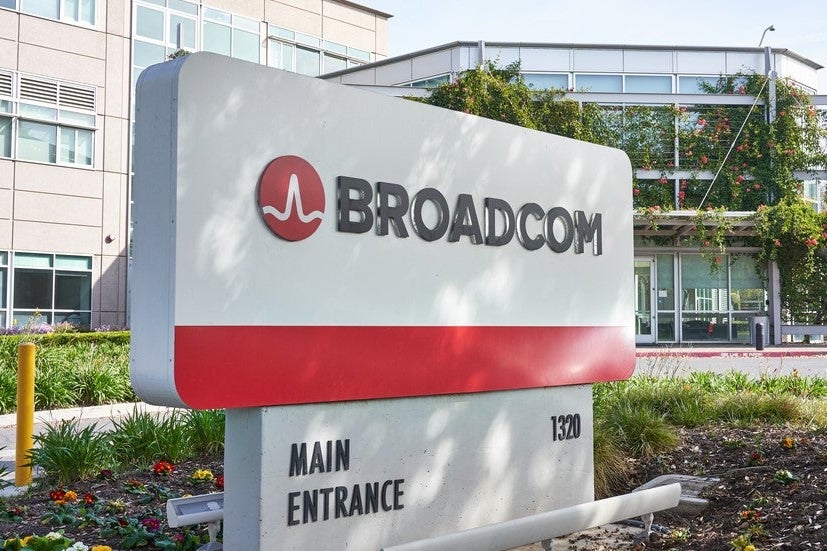
OpenAI and Broadcom Launch First AI Accelerator Chip
- First AI Accelerator Launch: OpenAI and Broadcom have unveiled the Jalapeño chip, described as an Intelligence Processor, marking OpenAI's entry into AI silicon and aiming to enhance the speed, reliability, and accessibility of advanced AI.
- Chip Production and Application: The Jalapeño chip will be manufactured by Broadcom and utilized by OpenAI for inference processes, supporting computational demands for applications like ChatGPT, thereby aiding OpenAI in building a comprehensive technology stack for its products.
- Market Demand and Strategic Shift: In response to surging demand for AI models, OpenAI is diversifying its silicon sources beyond Nvidia's GPUs by forging partnerships with companies like Amazon AWS, ensuring it meets future computational needs effectively.
- Future Deployment Plans: The initial deployment of Jalapeño chips is targeted for the end of 2026, with an anticipated power requirement of 10 gigawatts, indicating OpenAI's long-term strategic positioning in the AI hardware landscape.

Chip Stocks Decline Impacting Market Sentiment


- Chip Stock Decline: Micron and other chip stocks experienced significant declines amid the AI infrastructure boom, with Micron facing one of its largest one-day drops in recent years, and its upcoming earnings report could further impact investor confidence.
- Market Reaction: South Korea's market suffered one of its worst days on record due to high exposure to memory stocks, while the Nasdaq Composite fell over 2% as several well-known chip stocks dragged it down, indicating growing concerns among investors regarding tech stocks.
- Fed Personnel Changes: Federal Reserve Chairman Kevin Warsh is reassessing candidates for the Atlanta Fed President position, with former Trump official Michael Faulkender being considered, which could influence future monetary policy directions and warrant close attention from investors.
- Cerebras Earnings Impact: AI chipmaker Cerebras reported a 92% year-over-year revenue increase in its first earnings report since going public, but weak guidance for gross margins led to a 10% drop in premarket trading, reflecting market caution towards emerging tech companies.
Cerebras Systems Shares Drop Amid Margin Concerns Despite Strong Demand
- Margin Concerns: Cerebras Systems shares fell about 10% in premarket trading on Wednesday due to investor concerns over gross margin outlook, although analysts noted this reflects a conservative guidance approach, indicating caution in scaling cloud operations.
- Analyst Ratings Hold: Morgan Stanley maintained its Overweight rating on Cerebras and raised the price target from $250 to $273, emphasizing that despite IPO conservatism, improved gross margin guidance highlights the company's potential amid strong demand.
- Cloud Service Expansion: Analysts pointed out that the 750 MW contract with OpenAI will be a significant driver for the next few years, and although the company initially relied on rented hardware to meet rapid cloud service demand, it is ramping up its internal cloud capabilities.
- Amazon Partnership Progress: Cerebras reached a definitive agreement with Amazon this week, which, while seen as a small opportunity in the short term, could provide new revenue growth potential in the future, particularly addressing the bottleneck issues in cloud computing capacity.
Cerebras Systems' 2026 Sales Forecast Falls Short of Expectations
- Sales Forecast Downgrade: Cerebras Systems projects 2026 revenue between $855 million and $865 million, exceeding the $824.8 million analyst average, yet the stock fell about 10% in after-hours trading as investors sought stronger growth signals.
- Strong Q1 Performance: The company reported a 94% year-over-year revenue increase to $193.4 million, surpassing the $181.4 million analyst estimate, although it posted a net loss of $14 million, narrower than the expected $58.6 million loss, indicating ongoing momentum in its systems and services.
- Hardware and Services Sales: Hardware sales reached $110.6 million, while cloud and other services contributed $82.8 million, demonstrating growth across multiple business segments, despite market skepticism regarding future growth potential.
- Capacity Bottleneck Concerns: CEO Andrew Feldman highlighted data center space as a key bottleneck, with CFO Bob Komin revealing the company is renting back some systems from customers and aggressively expanding capacity, a move expected to reduce margins by 10 to 15 points this year, reflecting market concerns about its expansion capabilities.
Market Dynamics and Company Updates
- Market Rebound Attempt: The S&P 500 and Nasdaq are attempting to rebound after consecutive down days, with tech stocks showing signs of recovery, indicating renewed confidence in the tech sector, despite a significant drop in oil prices, with WTI crude at $71 and Brent hitting its lowest level since before the Iran war.
- FedEx Earnings Volatility: FedEx shares fell 4% despite beating quarterly expectations, as the shift to a new fiscal calendar created confusion in guidance; however, analysts remain optimistic, with Wells Fargo maintaining a $425 price target, reflecting confidence in the company's future prospects.
- Google Joins Dow Jones: Alphabet, Google's parent company, will replace Verizon in the Dow Jones Industrial Average, which, while not expected to have a significant immediate impact on stock prices, demonstrates market recognition of tech companies and may attract more investor attention.
- Nike's New CFO: Nike appointed David Denton as the new CFO, with expectations that next week's earnings report will align with previous guidance and benefit from tariff refunds, although there are lingering doubts about future expectations, leading analysts to recommend focusing on guidance rather than quarterly results.
OpenAI and Broadcom Launch First Custom Chip
- Chip Launch: OpenAI and Broadcom have unveiled their first custom chip, named Jalapeño, marking OpenAI's entry into AI silicon, which is expected to significantly enhance the inference efficiency of its AI models.
- Market Reaction: Following the announcement, Broadcom's shares rose approximately 2%, reflecting positive market sentiment regarding its sustained demand and growth potential in the generative AI sector.
- Technological Innovation: The Jalapeño chip, referred to as an 'Intelligence Processor', aims to accelerate AI task processing, with initial deployment targeted by the end of 2026, and plans for broader applications in the future.
- Strategic Partnership: The collaboration between OpenAI and Broadcom not only addresses the increasing computational demands but also enhances OpenAI's self-reliance in AI development, reducing dependency on other suppliers.
OpenAI and Broadcom Launch First AI Accelerator Chip
- First AI Accelerator Launch: OpenAI and Broadcom have unveiled the Jalapeño chip, described as an Intelligence Processor, marking OpenAI's entry into AI silicon and aiming to enhance the speed, reliability, and accessibility of advanced AI.
- Chip Production and Application: The Jalapeño chip will be manufactured by Broadcom and utilized by OpenAI for inference processes, supporting computational demands for applications like ChatGPT, thereby aiding OpenAI in building a comprehensive technology stack for its products.
- Market Demand and Strategic Shift: In response to surging demand for AI models, OpenAI is diversifying its silicon sources beyond Nvidia's GPUs by forging partnerships with companies like Amazon AWS, ensuring it meets future computational needs effectively.
- Future Deployment Plans: The initial deployment of Jalapeño chips is targeted for the end of 2026, with an anticipated power requirement of 10 gigawatts, indicating OpenAI's long-term strategic positioning in the AI hardware landscape.
Chip Stocks Decline Impacting Market Sentiment
- Chip Stock Decline: Micron and other chip stocks experienced significant declines amid the AI infrastructure boom, with Micron facing one of its largest one-day drops in recent years, and its upcoming earnings report could further impact investor confidence.
- Market Reaction: South Korea's market suffered one of its worst days on record due to high exposure to memory stocks, while the Nasdaq Composite fell over 2% as several well-known chip stocks dragged it down, indicating growing concerns among investors regarding tech stocks.
- Fed Personnel Changes: Federal Reserve Chairman Kevin Warsh is reassessing candidates for the Atlanta Fed President position, with former Trump official Michael Faulkender being considered, which could influence future monetary policy directions and warrant close attention from investors.
- Cerebras Earnings Impact: AI chipmaker Cerebras reported a 92% year-over-year revenue increase in its first earnings report since going public, but weak guidance for gross margins led to a 10% drop in premarket trading, reflecting market caution towards emerging tech companies.




