

Cathie Wood's ARK Invest Acquires New Position in Broadcom, Divests from Palantir
Written by Emily J. Thompson, Senior Investment Analyst
Updated: Jan 09 2026
0mins


Source: Barron's
ARK Invest Overview: ARK Invest, led by Cathie Wood, is involved in various industries including defense and robotics.
Recent Portfolio Changes: The fund recently acquired a new stake in a prominent semiconductor company while selling shares in another popular stock.
Trade with 70% Backtested Accuracy
Stop guessing "Should I Buy JOBY?" and start using high-conviction signals backed by rigorous historical data.
Sign up today to access powerful investing tools and make smarter, data-driven decisions.
Analyst Views on JOBY
Wall Street analysts forecast JOBY stock price to rise
6 Analyst Rating
1 Buy
3 Hold
2 Sell
Hold
Current: 8.840

Low
8.00
Averages
15.67
High
22.00
Current: 8.840
Low
8.00
Averages
15.67
High
22.00
About JOBY
Joby Aviation, Inc. is a transportation company developing an all-electric, vertical take-off and landing air taxi. The Company is engaged in designing and testing a piloted all-electric, vertical take-off and landing (eVTOL) aircraft. The Joby eVTOL is designed to transport a pilot and up to four passengers or an expected payload of up to 1,000 pounds at speeds of up to 200 miles per hour (mph). The aircraft is optimized for urban routes, with a target range of up to 100 miles on a single charge. The Company plans to manufacture, own and operate its aircraft itself, building a vertically integrated transportation company that delivers transportation services to customers, including government agencies such as the United States Air Force (USAF) through sales or contracted operations, and to individual end-users through a convenient app-based aerial ridesharing service. It also offers a network of terminals and loyal flyers in markets like New York and in Southern Europe.
About the author

Emily J. Thompson
Emily J. Thompson, a Chartered Financial Analyst (CFA) with 12 years in investment research, graduated with honors from the Wharton School. Specializing in industrial and technology stocks, she provides in-depth analysis for Intellectia’s earnings and market brief reports.

Joby Aviation's Flying Taxi Market Potential is Huge

- Market Opportunity: A Morgan Stanley report estimates that the urban air mobility and eVTOL market could be worth $1 trillion by 2040, positioning Joby Aviation as a potential leader in this burgeoning sector.
- Technological Innovation: Joby's eVTOL aircraft features six independently tilting rotors, allowing it to take off vertically like a helicopter and fly forward like an airplane, providing a unique competitive edge in urban transportation.
- Strategic Partnership: Joby's strategic alliance with Toyota to develop eVTOL production will significantly bolster its future manufacturing capabilities and market outreach, enhancing its position in the industry.
- Regulatory Challenges: Despite Joby's technological and market advancements, its stock has dropped over 20% due to market volatility, and its future hinges on obtaining FAA certification, which will directly impact its commercial viability.
See More

Vertical Aerospace Secures Key Supplier Agreement for Valo eVTOL

- Supply Chain Risk Mitigation: Vertical Aerospace's long-term agreement with Astronics for power distribution systems significantly reduces supply chain risks for its Valo eVTOL, although substantial dilution risk remains due to ongoing cash needs.
- Production Capacity Enhancement: This deal is expected to accelerate development and production, bolstering the company's competitive position in the eVTOL market, despite projections indicating earnings won't materialize until 2032, leading to cautious optimism from the market.
- Enhanced Financing Capability: The company has secured access to up to $850 million in financing, which, while requiring equity issuance to raise cash, provides at least 12 months of financial runway for its operations.
- Shareholder Dilution Risk: Projections indicate that Vertical's share count will rise from 157 million in 2026 to 373 million by 2032, highlighting significant dilution risks for existing shareholders as the company executes its orders.
See More

Vertical Aerospace Signs Long-Term Agreement, Positive Outlook
- Supply Chain Assurance: Vertical Aerospace's long-term agreement with Astronics for power distribution systems ensures the supply for its Valo eVTOL, helping to de-risk the business model and accelerate production, thereby enhancing market competitiveness.
- Market Outlook: The company currently has 1,500 preorders for its Valo eVTOL, and while it faces challenges of not generating earnings until 2032, the signing of long-term agreements instills confidence in its future production capabilities.
- Financing Risks: Despite securing up to $850 million in financing to support operations, significant dilution risks for shareholders are anticipated, with projections indicating an increase in share count from 157 million in 2026 to 373 million by 2032.
- Investor Considerations: As a high-risk stock, Vertical Aerospace is suited for fully committed and patient eVTOL investors, although the ongoing cash needs and potential dilution issues remain critical points of concern.
See More

Archer Aviation Advances Safety in Electric Aircraft Development

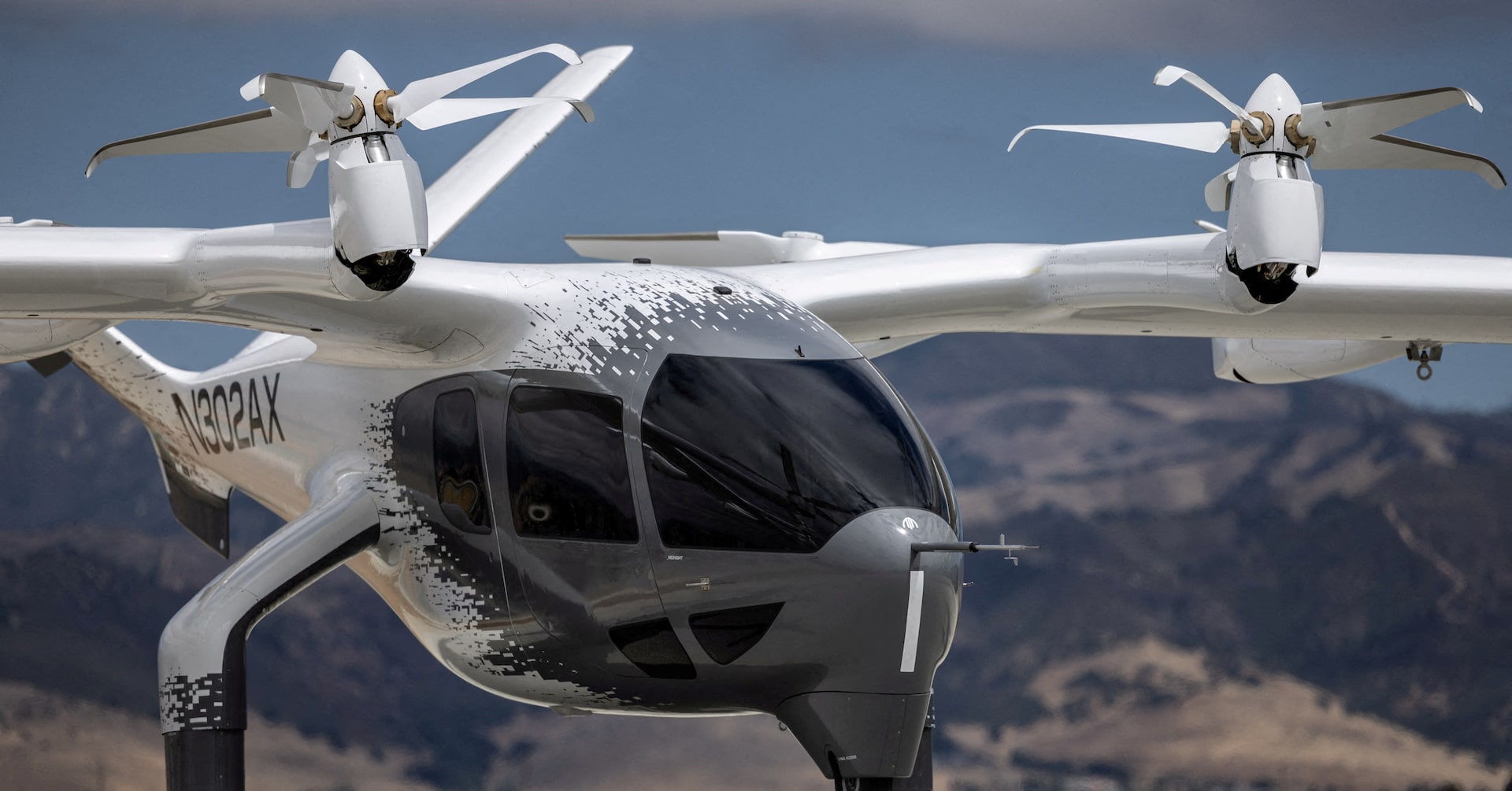
- Safety First: Archer Aviation prioritizes safety in the development of its Midnight electric aircraft by designing multiple layers of redundancy in critical flight systems, significantly enhancing operational reliability and strengthening its competitive position in the emerging electric aircraft market.
- Redundant Systems Integration: The Midnight aircraft incorporates redundancy across key flight systems, including propulsion, power, and flight control architecture, which not only improves overall system reliability but also supports compliance with stringent aviation safety standards necessary for certification.
- Commercialization Outlook: Archer's emphasis on safety complements its broader aircraft development strategy, aiming to enhance operational resilience and boost future passenger confidence, thereby facilitating commercial adoption of electric aircraft.
- Industry Competitive Edge: As the electric aircraft industry matures, safety-focused design is expected to remain a key competitive differentiator, with Archer's ongoing investment in redundant aircraft architecture strengthening its long-term growth prospects while supporting the commercialization of its Midnight platform.
See More
Joby Aviation Leads in the eVTOL Industry
- Massive Market Potential: A Morgan Stanley report estimates that the urban air mobility and eVTOL market could reach $1 trillion by 2040, positioning Joby Aviation favorably if it secures FAA certification, thereby driving long-term growth for the company.
- Strengthened Strategic Partnership: Joby's strategic alliance with Toyota was solidified in June, as both companies will collaborate on foundational work for eVTOL production, enhancing Joby's technological capabilities and potentially accelerating product launch timelines.
- Successful Flight Demonstration: Joby completed its first point-to-point eVTOL demonstration flight in 2026, marking its leading position in the industry and laying the groundwork for future transformations in urban commuting.
- Stock Price Volatility Impact: Although Joby stock has dropped over 20% since summer, largely due to market volatility driven by high interest rates, the company's steady progress in technology and market advancement continues to provide confidence for its future development.
See More
Joby Aviation Advances Toward Electric Air Taxi Certification
- Flight Testing Milestone: Joby Aviation's FAA-conforming production eVTOL aircraft has logged over 50,000 miles of test flights, marking a significant step toward obtaining Type Inspection Authorization (TIA), which is expected to expedite the certification process for commercial operations.
- Regulatory Risk Mitigation: With production-conforming aircraft now flying, Joby has transitioned from prototype testing to validating aircraft that regulators will certify, significantly reducing regulatory risks associated with the stock and enhancing market confidence.
- Optimistic Market Outlook: Although Joby currently has a market capitalization of approximately $8.5 billion and generates minimal revenue, its participation in the White House-backed Air Taxi Pilot Program and plans to launch services in Dubai indicate strong potential and strategic positioning in the emerging aerospace market.
- Profitability Challenges Remain: Despite the progress in certification, Joby faces multiple challenges in scaling manufacturing, establishing charging infrastructure, and ensuring customer adoption, making the path to profitability uncertain for the next few years.
See More
Joby Aviation's Flying Taxi Market Potential is Huge
- Market Opportunity: A Morgan Stanley report estimates that the urban air mobility and eVTOL market could be worth $1 trillion by 2040, positioning Joby Aviation as a potential leader in this burgeoning sector.
- Technological Innovation: Joby's eVTOL aircraft features six independently tilting rotors, allowing it to take off vertically like a helicopter and fly forward like an airplane, providing a unique competitive edge in urban transportation.
- Strategic Partnership: Joby's strategic alliance with Toyota to develop eVTOL production will significantly bolster its future manufacturing capabilities and market outreach, enhancing its position in the industry.
- Regulatory Challenges: Despite Joby's technological and market advancements, its stock has dropped over 20% due to market volatility, and its future hinges on obtaining FAA certification, which will directly impact its commercial viability.
See More
Vertical Aerospace Secures Key Supplier Agreement for Valo eVTOL
- Supply Chain Risk Mitigation: Vertical Aerospace's long-term agreement with Astronics for power distribution systems significantly reduces supply chain risks for its Valo eVTOL, although substantial dilution risk remains due to ongoing cash needs.
- Production Capacity Enhancement: This deal is expected to accelerate development and production, bolstering the company's competitive position in the eVTOL market, despite projections indicating earnings won't materialize until 2032, leading to cautious optimism from the market.
- Enhanced Financing Capability: The company has secured access to up to $850 million in financing, which, while requiring equity issuance to raise cash, provides at least 12 months of financial runway for its operations.
- Shareholder Dilution Risk: Projections indicate that Vertical's share count will rise from 157 million in 2026 to 373 million by 2032, highlighting significant dilution risks for existing shareholders as the company executes its orders.
See More
Vertical Aerospace Signs Long-Term Agreement, Positive Outlook
- Supply Chain Assurance: Vertical Aerospace's long-term agreement with Astronics for power distribution systems ensures the supply for its Valo eVTOL, helping to de-risk the business model and accelerate production, thereby enhancing market competitiveness.
- Market Outlook: The company currently has 1,500 preorders for its Valo eVTOL, and while it faces challenges of not generating earnings until 2032, the signing of long-term agreements instills confidence in its future production capabilities.
- Financing Risks: Despite securing up to $850 million in financing to support operations, significant dilution risks for shareholders are anticipated, with projections indicating an increase in share count from 157 million in 2026 to 373 million by 2032.
- Investor Considerations: As a high-risk stock, Vertical Aerospace is suited for fully committed and patient eVTOL investors, although the ongoing cash needs and potential dilution issues remain critical points of concern.
See More
Archer Aviation Advances Safety in Electric Aircraft Development
- Safety First: Archer Aviation prioritizes safety in the development of its Midnight electric aircraft by designing multiple layers of redundancy in critical flight systems, significantly enhancing operational reliability and strengthening its competitive position in the emerging electric aircraft market.
- Redundant Systems Integration: The Midnight aircraft incorporates redundancy across key flight systems, including propulsion, power, and flight control architecture, which not only improves overall system reliability but also supports compliance with stringent aviation safety standards necessary for certification.
- Commercialization Outlook: Archer's emphasis on safety complements its broader aircraft development strategy, aiming to enhance operational resilience and boost future passenger confidence, thereby facilitating commercial adoption of electric aircraft.
- Industry Competitive Edge: As the electric aircraft industry matures, safety-focused design is expected to remain a key competitive differentiator, with Archer's ongoing investment in redundant aircraft architecture strengthening its long-term growth prospects while supporting the commercialization of its Midnight platform.
See More
Joby Aviation Leads in the eVTOL Industry
- Massive Market Potential: A Morgan Stanley report estimates that the urban air mobility and eVTOL market could reach $1 trillion by 2040, positioning Joby Aviation favorably if it secures FAA certification, thereby driving long-term growth for the company.
- Strengthened Strategic Partnership: Joby's strategic alliance with Toyota was solidified in June, as both companies will collaborate on foundational work for eVTOL production, enhancing Joby's technological capabilities and potentially accelerating product launch timelines.
- Successful Flight Demonstration: Joby completed its first point-to-point eVTOL demonstration flight in 2026, marking its leading position in the industry and laying the groundwork for future transformations in urban commuting.
- Stock Price Volatility Impact: Although Joby stock has dropped over 20% since summer, largely due to market volatility driven by high interest rates, the company's steady progress in technology and market advancement continues to provide confidence for its future development.
See More
Joby Aviation Advances Toward Electric Air Taxi Certification
- Flight Testing Milestone: Joby Aviation's FAA-conforming production eVTOL aircraft has logged over 50,000 miles of test flights, marking a significant step toward obtaining Type Inspection Authorization (TIA), which is expected to expedite the certification process for commercial operations.
- Regulatory Risk Mitigation: With production-conforming aircraft now flying, Joby has transitioned from prototype testing to validating aircraft that regulators will certify, significantly reducing regulatory risks associated with the stock and enhancing market confidence.
- Optimistic Market Outlook: Although Joby currently has a market capitalization of approximately $8.5 billion and generates minimal revenue, its participation in the White House-backed Air Taxi Pilot Program and plans to launch services in Dubai indicate strong potential and strategic positioning in the emerging aerospace market.
- Profitability Challenges Remain: Despite the progress in certification, Joby faces multiple challenges in scaling manufacturing, establishing charging infrastructure, and ensuring customer adoption, making the path to profitability uncertain for the next few years.
See More





