California Regulators Decide Not to Suspend Tesla's Sales License
Written by Emily J. Thompson, Senior Investment Analyst
Updated: 1 hour ago
0mins
Should l Buy TSLA?
Source: Yahoo Finance
- Regulatory Decision: The California Department of Motor Vehicles announced that Tesla has ceased misleading consumers about the safety of its vehicles, thus deciding not to suspend its sales license in the state, avoiding a potential 30-day ban.
- Legal Context: Last year, Tesla faced the risk of a sales license suspension after being found by an administrative law judge to have misled drivers regarding the terms 'Autopilot' and 'Full Self-Driving,' with the judge recommending regulatory action.
- Corrective Actions: During the 90-day window provided by regulators, Tesla implemented changes to its marketing strategy, now referring to 'Full Self-Driving' as 'supervised driving' and ceasing the use of 'Autopilot' in its California marketing.
- Market Impact: This decision not only prevents a short-term sales disruption for Tesla but also indicates the company's adaptability in addressing regulatory challenges, potentially enhancing consumer confidence in the safety of its products.
Trade with 70% Backtested Accuracy
Stop guessing "Should I Buy TSLA?" and start using high-conviction signals backed by rigorous historical data.
Sign up today to access powerful investing tools and make smarter, data-driven decisions.
Analyst Views on TSLA
Wall Street analysts forecast TSLA stock price to fall
30 Analyst Rating
12 Buy
11 Hold
7 Sell
Hold
Current: 417.440

Low
25.28
Averages
401.93
High
600.00
Current: 417.440
Low
25.28
Averages
401.93
High
600.00
About TSLA
Tesla, Inc. designs, develops, manufactures, sells and leases high-performance fully electric vehicles and energy generation and storage systems, and offers services related to its products. Its segments include automotive, and energy generation and storage. The automotive segment includes the design, development, manufacturing, sales and leasing of high-performance fully electric vehicles, and sales of automotive regulatory credits. It also includes sales of used vehicles, non-warranty maintenance services and collisions, part sales, paid supercharging, insurance services revenue and retail merchandise sales. The energy generation and storage segment include the design, manufacture, installation, sales and leasing of solar energy generation and energy storage products and related services and sales of solar energy systems incentives. Its consumer vehicles include the Model 3, Y, S, X and Cybertruck. Its lithium-ion battery energy storage products include Powerwall and Megapack.
About the author

Emily J. Thompson
Emily J. Thompson, a Chartered Financial Analyst (CFA) with 12 years in investment research, graduated with honors from the Wharton School. Specializing in industrial and technology stocks, she provides in-depth analysis for Intellectia’s earnings and market brief reports.
Tesla Launches Production of Cybercab, Aiming for $30,000 Price Point

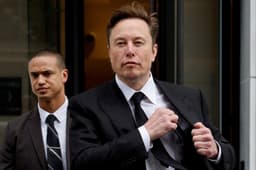
- Production Milestone: Tesla has successfully rolled off the first Cybercab from its Texas gigafactory, marking a significant advancement in the company's autonomous driving ambitions, with volume production slated to begin in April, further positioning Tesla in the electric taxi market.
- Efficiency Boost: CEO Elon Musk stated that Tesla's production lines will ultimately be able to produce a Cybercab every 10 seconds, significantly enhancing the company's output to meet future demand for autonomous taxis in a rapidly evolving market.
- Pricing Commitment: Musk reiterated on social media that the Cybercab is targeted to be priced below $30,000, despite skepticism from the market; this pricing strategy aims to attract more consumers and expand market share, particularly in the competitive EV landscape.
- Technological Innovation: The Cybercab will feature wireless charging technology, eliminating the need for plug-in ports, along with butterfly-style doors and the sharp design of the Cybertruck, albeit without the stainless steel to reduce costs, enhancing user experience and product appeal.
See More
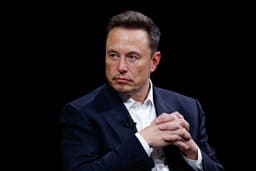
Tesla's Cybercab Production Goal Set for April Reaffirmed by Elon Musk
- Production Goal Reaffirmed: Tesla CEO Elon Musk reiterated on social media that production of the Cybercab will commence in April, marking a significant advancement in the company's autonomous vehicle efforts.
- Radical Production Redesign: Musk revealed that Tesla is adopting a 'radical redesign of car manufacturing' to achieve approximately 5X higher production rates, indicating that while initial output may be slow, it will ramp up significantly over time.
- Autonomous Fleet Outlook: Musk predicts that Tesla's autonomous fleet will become the largest in the future, despite the current Full Self-Driving (FSD) service requiring human intervention, reflecting the company's ambitious technological goals.
- Market Performance: As of February 13, Tesla's stock gained 0.09%, closing at $417.44, indicating market confidence in the company's growth potential.
See More

Tesla Restores Compliance, Adjusts Marketing Strategy
- Compliance Restored: The California DMV confirmed that Tesla has ceased using the term 'Autopilot' in its California marketing, avoiding potential license suspension, indicating the company's necessary actions to protect consumer rights and maintain compliance.
- Marketing Language Revision: Tesla was required to amend its marketing materials due to past use of 'Autopilot' and 'Full Self-Driving Capability' that could mislead consumers, leading to regulatory scrutiny from the DMV emphasizing that the vehicles are not fully autonomous.
- Cybercab Robotaxi Launch: Tesla rolled out its first Cybercab robotaxi from its Texas production line, hinting at a price below $30,000 before 2027, showcasing the company's ambitions in the autonomous taxi market.
- Stock Price Fluctuation: Tesla's stock dipped 0.4% in extended trading and nearly 2% in regular trading, reflecting market caution regarding its compliance adjustments and future strategic direction.
See More
California Regulators Decide Not to Suspend Tesla's Sales License
- Regulatory Decision: The California Department of Motor Vehicles announced that Tesla has ceased misleading consumers about the safety of its vehicles, thus deciding not to suspend its sales license in the state, avoiding a potential 30-day ban.
- Legal Context: Last year, Tesla faced the risk of a sales license suspension after being found by an administrative law judge to have misled drivers regarding the terms 'Autopilot' and 'Full Self-Driving,' with the judge recommending regulatory action.
- Corrective Actions: During the 90-day window provided by regulators, Tesla implemented changes to its marketing strategy, now referring to 'Full Self-Driving' as 'supervised driving' and ceasing the use of 'Autopilot' in its California marketing.
- Market Impact: This decision not only prevents a short-term sales disruption for Tesla but also indicates the company's adaptability in addressing regulatory challenges, potentially enhancing consumer confidence in the safety of its products.
See More
Tesla Avoids 30-Day License Suspension in California
- License Crisis Averted: Tesla successfully avoids a 30-day suspension of its dealer and manufacturer licenses in California by ceasing the use of the term 'autopilot', ensuring continued operations in its largest U.S. market.
- Demand Challenges: Following the expiration of key tax credits, Tesla and other EV manufacturers are grappling with a significant drop in demand, prompting a reevaluation of market strategies to sustain sales.
- Strategic Shift: CEO Elon Musk is pivoting the company's focus towards robotaxis equipped with self-driving technology and humanoid robots, indicating a forward-looking approach to future mobility solutions.
- Regulatory Pressure Response: The California DMV previously accused Tesla of misleading consumers, and after revising its terminology regarding 'Full Self-Driving', the company is now concentrating on the term 'autopilot' to alleviate regulatory pressure and restore consumer trust.
See More
Waymo Launches Sixth-Generation Robotaxi Technology

- Technology Upgrade: Waymo recently launched its sixth-generation Waymo Driver technology, featuring a 17-megapixel imaging system that claims to be a generation ahead of other automotive cameras in dynamic range, low-light sensitivity, and resolution, enhancing safety and accuracy in autonomous driving.
- LiDAR Advantage: Utilizing LiDAR technology, Waymo's per-vehicle costs are estimated to be two to three times higher than Tesla's, yet its superior precision and safety in rapidly changing road conditions may position it as the dominant solution for passenger vehicles.
- Market Competition: Success in the robotaxi market for Waymo hinges not only on the number of vehicles deployed but also on the choice of autonomous driving technology, with LiDAR potentially providing a sustainable competitive edge that distinguishes Waymo from its competitors.
- Industry Support: Ford CEO Jim Farley expressed in 2025 that LiDAR is mission critical for Waymo, reflecting broad support from industry experts for LiDAR technology, which further solidifies Waymo's leadership position in the autonomous driving sector.
See More
Tesla Launches Production of Cybercab, Aiming for $30,000 Price Point
- Production Milestone: Tesla has successfully rolled off the first Cybercab from its Texas gigafactory, marking a significant advancement in the company's autonomous driving ambitions, with volume production slated to begin in April, further positioning Tesla in the electric taxi market.
- Efficiency Boost: CEO Elon Musk stated that Tesla's production lines will ultimately be able to produce a Cybercab every 10 seconds, significantly enhancing the company's output to meet future demand for autonomous taxis in a rapidly evolving market.
- Pricing Commitment: Musk reiterated on social media that the Cybercab is targeted to be priced below $30,000, despite skepticism from the market; this pricing strategy aims to attract more consumers and expand market share, particularly in the competitive EV landscape.
- Technological Innovation: The Cybercab will feature wireless charging technology, eliminating the need for plug-in ports, along with butterfly-style doors and the sharp design of the Cybertruck, albeit without the stainless steel to reduce costs, enhancing user experience and product appeal.
See More
Tesla's Cybercab Production Goal Set for April Reaffirmed by Elon Musk
- Production Goal Reaffirmed: Tesla CEO Elon Musk reiterated on social media that production of the Cybercab will commence in April, marking a significant advancement in the company's autonomous vehicle efforts.
- Radical Production Redesign: Musk revealed that Tesla is adopting a 'radical redesign of car manufacturing' to achieve approximately 5X higher production rates, indicating that while initial output may be slow, it will ramp up significantly over time.
- Autonomous Fleet Outlook: Musk predicts that Tesla's autonomous fleet will become the largest in the future, despite the current Full Self-Driving (FSD) service requiring human intervention, reflecting the company's ambitious technological goals.
- Market Performance: As of February 13, Tesla's stock gained 0.09%, closing at $417.44, indicating market confidence in the company's growth potential.
See More
Tesla Restores Compliance, Adjusts Marketing Strategy
- Compliance Restored: The California DMV confirmed that Tesla has ceased using the term 'Autopilot' in its California marketing, avoiding potential license suspension, indicating the company's necessary actions to protect consumer rights and maintain compliance.
- Marketing Language Revision: Tesla was required to amend its marketing materials due to past use of 'Autopilot' and 'Full Self-Driving Capability' that could mislead consumers, leading to regulatory scrutiny from the DMV emphasizing that the vehicles are not fully autonomous.
- Cybercab Robotaxi Launch: Tesla rolled out its first Cybercab robotaxi from its Texas production line, hinting at a price below $30,000 before 2027, showcasing the company's ambitions in the autonomous taxi market.
- Stock Price Fluctuation: Tesla's stock dipped 0.4% in extended trading and nearly 2% in regular trading, reflecting market caution regarding its compliance adjustments and future strategic direction.
See More
California Regulators Decide Not to Suspend Tesla's Sales License
- Regulatory Decision: The California Department of Motor Vehicles announced that Tesla has ceased misleading consumers about the safety of its vehicles, thus deciding not to suspend its sales license in the state, avoiding a potential 30-day ban.
- Legal Context: Last year, Tesla faced the risk of a sales license suspension after being found by an administrative law judge to have misled drivers regarding the terms 'Autopilot' and 'Full Self-Driving,' with the judge recommending regulatory action.
- Corrective Actions: During the 90-day window provided by regulators, Tesla implemented changes to its marketing strategy, now referring to 'Full Self-Driving' as 'supervised driving' and ceasing the use of 'Autopilot' in its California marketing.
- Market Impact: This decision not only prevents a short-term sales disruption for Tesla but also indicates the company's adaptability in addressing regulatory challenges, potentially enhancing consumer confidence in the safety of its products.
See More
Tesla Avoids 30-Day License Suspension in California
- License Crisis Averted: Tesla successfully avoids a 30-day suspension of its dealer and manufacturer licenses in California by ceasing the use of the term 'autopilot', ensuring continued operations in its largest U.S. market.
- Demand Challenges: Following the expiration of key tax credits, Tesla and other EV manufacturers are grappling with a significant drop in demand, prompting a reevaluation of market strategies to sustain sales.
- Strategic Shift: CEO Elon Musk is pivoting the company's focus towards robotaxis equipped with self-driving technology and humanoid robots, indicating a forward-looking approach to future mobility solutions.
- Regulatory Pressure Response: The California DMV previously accused Tesla of misleading consumers, and after revising its terminology regarding 'Full Self-Driving', the company is now concentrating on the term 'autopilot' to alleviate regulatory pressure and restore consumer trust.
See More
Waymo Launches Sixth-Generation Robotaxi Technology
- Technology Upgrade: Waymo recently launched its sixth-generation Waymo Driver technology, featuring a 17-megapixel imaging system that claims to be a generation ahead of other automotive cameras in dynamic range, low-light sensitivity, and resolution, enhancing safety and accuracy in autonomous driving.
- LiDAR Advantage: Utilizing LiDAR technology, Waymo's per-vehicle costs are estimated to be two to three times higher than Tesla's, yet its superior precision and safety in rapidly changing road conditions may position it as the dominant solution for passenger vehicles.
- Market Competition: Success in the robotaxi market for Waymo hinges not only on the number of vehicles deployed but also on the choice of autonomous driving technology, with LiDAR potentially providing a sustainable competitive edge that distinguishes Waymo from its competitors.
- Industry Support: Ford CEO Jim Farley expressed in 2025 that LiDAR is mission critical for Waymo, reflecting broad support from industry experts for LiDAR technology, which further solidifies Waymo's leadership position in the autonomous driving sector.
See More