Alcoa Partners with Australian Government to Modernize Mining Approvals Framework
Written by Emily J. Thompson, Senior Investment Analyst
Updated: Feb 18 2026
0mins
Should l Buy AA?
Source: Businesswire
- Strategic Assessment Initiated: Alcoa has partnered with the Australian Federal Government to conduct a Strategic Assessment of its mining activities in Western Australia, expected to last until 2045, aiming to provide a comprehensive view of potential impacts on significant flora and fauna, thereby offering stakeholders clearer long-term operational insights.
- Enhanced Environmental Commitments: Alcoa commits to limiting clearing to 800 hectares annually and plans to increase annual rehabilitation rates to 1,000 hectares by 2027, demonstrating the company's ongoing efforts in environmental protection and commitment to sustainability.
- Significant Economic Contribution: In 2024, Alcoa invested A$2.7 billion in Australia, directly and indirectly employing approximately 5,500 people, supporting local economic development, with over 70% of revenue remaining in Australia through wages, local spending, taxes, and royalties, further solidifying its economic position.
- Clear Future Outlook: While the Strategic Assessment is underway, Alcoa will continue operations at the Huntly and Willowdale mines and does not anticipate commencing mining in new major mine regions before 2029, ensuring stability and predictability for the company in the coming years.
Trade with 70% Backtested Accuracy
Stop guessing "Should I Buy AA?" and start using high-conviction signals backed by rigorous historical data.
Sign up today to access powerful investing tools and make smarter, data-driven decisions.
Analyst Views on AA
Wall Street analysts forecast AA stock price to fall
8 Analyst Rating
2 Buy
4 Hold
2 Sell
Hold
Current: 65.340

Low
38.00
Averages
57.63
High
78.00
Current: 65.340
Low
38.00
Averages
57.63
High
78.00
About AA
Alcoa Corporation is a vertically integrated aluminum company comprised of bauxite mining, alumina refining, aluminum production (smelting and casting), and energy generation. The Company's operations are comprised of two business segments: Alumina and Aluminum. The Alumina segment primarily consists of its bauxite mines and alumina refineries, and its operations include the mining of bauxite and other aluminous ores, as well as the refining, production, and sale of smelter grade and non-metallurgical alumina. The alumina produced by this segment is sold primarily to internal and external aluminum smelter customers; a portion of the alumina is sold to external customers who process it into industrial chemical products. The Aluminum segment consists of the Company's aluminum smelting and casting operations along with the Company's energy production assets in Brazil, Canada, and the United States. It has direct and indirect ownership of over 25 operating locations across eight countries.
About the author

Emily J. Thompson
Emily J. Thompson, a Chartered Financial Analyst (CFA) with 12 years in investment research, graduated with honors from the Wharton School. Specializing in industrial and technology stocks, she provides in-depth analysis for Intellectia’s earnings and market brief reports.

Alcoa Invests $65 Million to Expand Foundry Capabilities
- Investment in Foundry Expansion: Alcoa announces a $65 million investment to incorporate recycled aluminum into the casting process at its Mosjøen smelter in Norway, expected to increase production capacity by up to 75,000 metric tons annually, thereby meeting customer demand for low-carbon aluminum products and enhancing competitiveness in the European market.
- Background of Ongoing Investments: Since 2020, Alcoa has invested approximately $180 million in the Mosjøen facility, and this additional investment will further enhance production capabilities and product diversity, reflecting the company's response to recycling content demands in the automotive and packaging sectors.
- Economic Impact on the Region: The Mosjøen smelter is one of the largest industrial employers in Northern Norway, with over 700 direct employees; this investment will secure long-term jobs and expertise in the Helgeland region while supporting local suppliers and contributing to broader industrial value creation in Norway.
- Strategic Significance: Alcoa's investment not only enhances recycling capabilities but also positions the Mosjøen smelter as a cornerstone of low-carbon aluminum supply across Europe, with upgrades expected to be completed in phases by 2028, further solidifying its leadership in the aluminum industry.
See More
Alcoa Invests $65M to Expand Foundry Production Capabilities
- Investment Expansion: Alcoa is investing $65 million in its Mosjøen smelter in Norway to enhance the use of recycled content in the casting process, which is expected to increase production capacity by up to 75,000 metric tons, significantly boosting its competitiveness in the low-carbon aluminum market.
- Capacity Enhancement: The upgrade project will be completed in phases, with commissioning and ramp-up scheduled throughout 2028, and the increased capacity is anticipated to create long-term value for customers and shareholders, further solidifying Alcoa's core position in the European low-carbon aluminum supply chain.
- Low-Carbon Aluminum Strategy: Alcoa President and CEO William F. Oplinger stated that this investment places the company at the forefront of low-carbon aluminum production, responding to the growing market demand for sustainable materials.
- Market Outlook: With strong demand in the aluminum market and tailwinds driven by geopolitical risks, Alcoa's strategic investment not only enhances its production capabilities but also lays the groundwork for future growth, strengthening its influence in the global aluminum industry.
See More
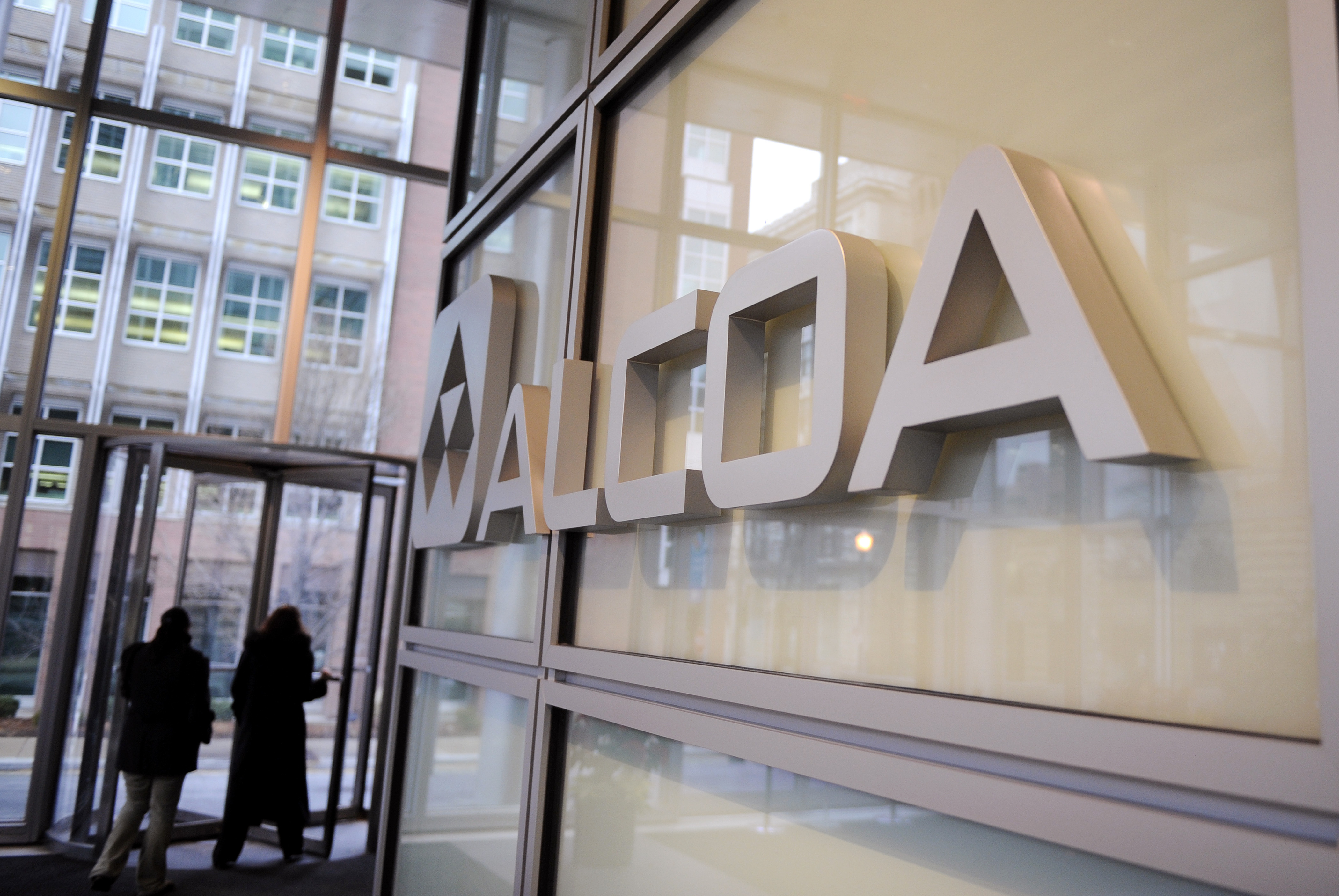
Alcoa Shares Fluctuate as Wells Fargo Upgrades Rating to Overweight
- Rating Upgrade: Wells Fargo upgraded Alcoa's rating from Equal Weight to Overweight with a price target increase from $67 to $70, reflecting analysts' optimistic outlook on tight aluminum market conditions, expecting price strength to persist into 2027.
- Market Dynamics: Alcoa shares have decoupled from aluminum prices, declining 11% over the past month while LME aluminum rose 3.6%, indicating a mix of challenges and opportunities for the company amid geopolitical tensions.
- Asset Monetization Opportunities: Analysts noted that Alcoa is actively seeking to monetize idle assets for data center conversions, with management revealing several deals in progress, which could lead to additional capital deployment and profit growth.
- Stable Alumina Prices: Despite approximately 5% disruption in global import demand at the Strait of Hormuz, alumina prices have remained firm, rising about $2/ton since the war began, with Alcoa's customers rerouting volumes to Asia, thus mitigating risk to the company.
See More

Alcoa Announces Quarterly Cash Dividend of $0.10 per Share
- Quarterly Cash Dividend: Alcoa's Board of Directors has declared a cash dividend of $0.10 per share, payable on June 5, 2026, to shareholders of record as of May 19, 2026, reflecting the company's commitment to returning value to its investors.
- Company Vision: As a global leader in bauxite, alumina, and aluminum products, Alcoa aims to build a legacy of excellence for future generations, emphasizing its leadership in sustainability and innovation within the industry.
- Information Dissemination Channels: Alcoa plans to announce future developments and financial performance through its website, press releases, SEC filings, conference calls, media broadcasts, and webcasts, ensuring transparency and timely communication of information.
- Corporate Values: The company adopts a values-based approach that emphasizes integrity, operational excellence, care for people, and courageous leadership, aiming to turn raw potential into real progress while enhancing community safety and sustainability.
See More

Latest Wall Street Ratings and Outlook

- Goldman Sachs Reiterates Nvidia Buy: Goldman Sachs anticipates a 'beat and raise' quarter for Nvidia ahead of its earnings report this month, focusing on the potential upside to its $1 trillion datacenter guidance, which could positively impact stock performance.
- JPMorgan Upgrades Freshpet: JPMorgan upgraded Freshpet from hold to buy following a first-quarter sales beat and guidance increase, expecting a rebound in share price as investors buy the dip after a 9% decline.
- Barclays Reiterates Microsoft Overweight: Barclays noted that Microsoft's story remains strong post-investor meetings, emphasizing management's focus on efficiency gains that are likely to enhance Azure growth and competitive positioning.
- Jefferies Upgrades Agilon Health: Jefferies highlighted improving visibility for Agilon Health, with supportive Medicare Advantage rates locked in, suggesting a favorable outlook that could attract investor interest moving forward.
See More
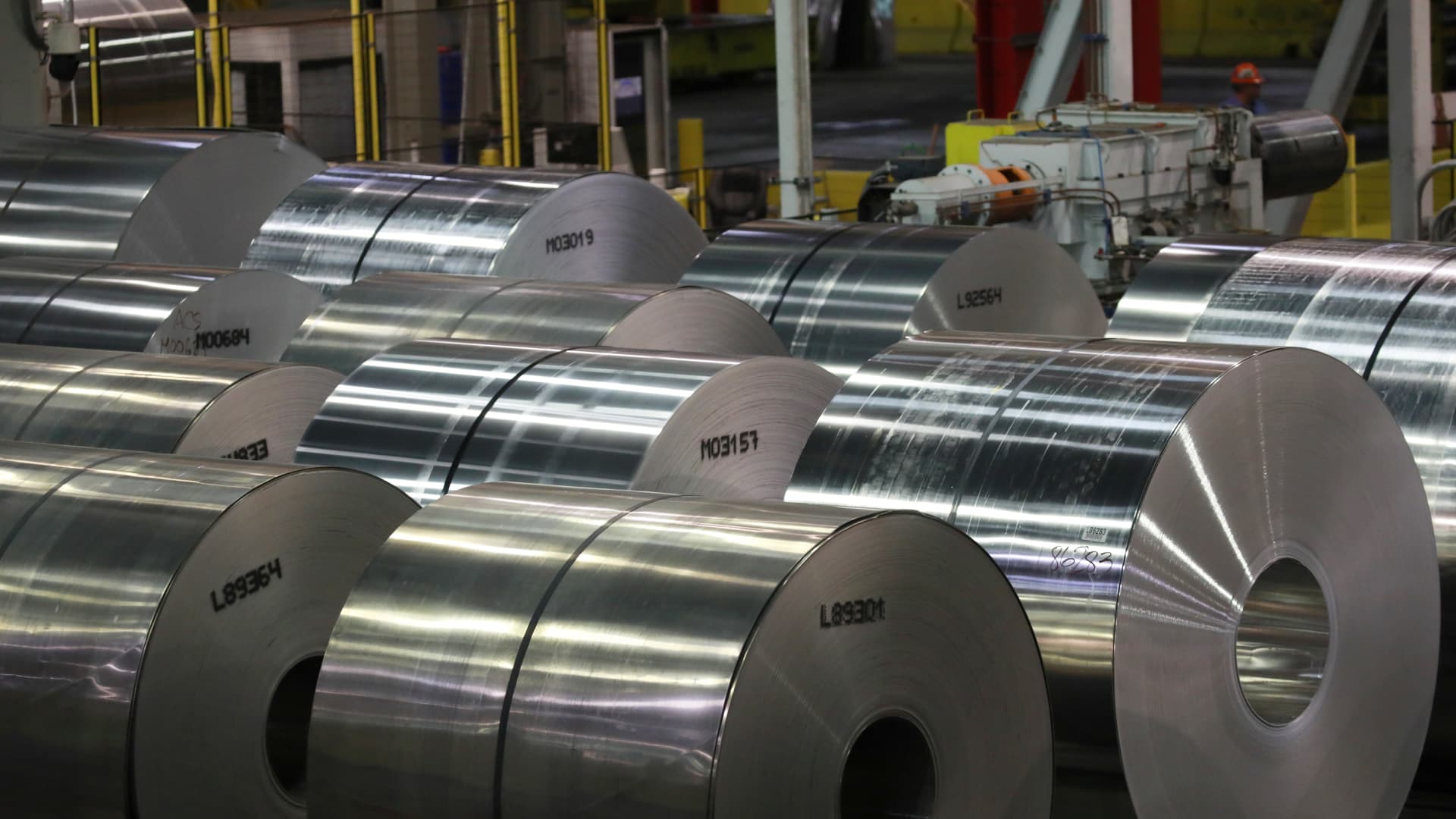
Wells Fargo Upgrades Alcoa on Rising Aluminum Prices
- Rating Upgrade: Wells Fargo analyst Timna Tanners upgraded Alcoa from equal weight to overweight, raising the price target from $67 to $70, which implies a 10.7% upside from Wednesday's close, reflecting confidence in the persistent strength of aluminum prices.
- Aluminum Price Surge: Aluminum futures have risen over 15.5% year-to-date and soared more than 50% in the past 12 months, primarily driven by the U.S.-Iran conflict, which has increased both prices and demand, indicating that the strength in the aluminum market may be underappreciated by investors.
- Asset Monetization Potential: The analyst highlighted that Alcoa is considering monetizing idle assets for data center conversion, with management noting several deals in progress, which could provide additional capital deployment opportunities and enhance profitability.
- Mixed Market Sentiment: Despite Wells Fargo's optimistic outlook, analyst opinions are divided; LSEG data shows that among 15 analysts covering Alcoa, 8 rate it as a buy or strong buy, while the remaining 7 assigned hold or underperform ratings, reflecting differing views on the stock's potential.
See More
Alcoa Invests $65 Million to Expand Foundry Capabilities
- Investment in Foundry Expansion: Alcoa announces a $65 million investment to incorporate recycled aluminum into the casting process at its Mosjøen smelter in Norway, expected to increase production capacity by up to 75,000 metric tons annually, thereby meeting customer demand for low-carbon aluminum products and enhancing competitiveness in the European market.
- Background of Ongoing Investments: Since 2020, Alcoa has invested approximately $180 million in the Mosjøen facility, and this additional investment will further enhance production capabilities and product diversity, reflecting the company's response to recycling content demands in the automotive and packaging sectors.
- Economic Impact on the Region: The Mosjøen smelter is one of the largest industrial employers in Northern Norway, with over 700 direct employees; this investment will secure long-term jobs and expertise in the Helgeland region while supporting local suppliers and contributing to broader industrial value creation in Norway.
- Strategic Significance: Alcoa's investment not only enhances recycling capabilities but also positions the Mosjøen smelter as a cornerstone of low-carbon aluminum supply across Europe, with upgrades expected to be completed in phases by 2028, further solidifying its leadership in the aluminum industry.
See More
Alcoa Invests $65M to Expand Foundry Production Capabilities
- Investment Expansion: Alcoa is investing $65 million in its Mosjøen smelter in Norway to enhance the use of recycled content in the casting process, which is expected to increase production capacity by up to 75,000 metric tons, significantly boosting its competitiveness in the low-carbon aluminum market.
- Capacity Enhancement: The upgrade project will be completed in phases, with commissioning and ramp-up scheduled throughout 2028, and the increased capacity is anticipated to create long-term value for customers and shareholders, further solidifying Alcoa's core position in the European low-carbon aluminum supply chain.
- Low-Carbon Aluminum Strategy: Alcoa President and CEO William F. Oplinger stated that this investment places the company at the forefront of low-carbon aluminum production, responding to the growing market demand for sustainable materials.
- Market Outlook: With strong demand in the aluminum market and tailwinds driven by geopolitical risks, Alcoa's strategic investment not only enhances its production capabilities but also lays the groundwork for future growth, strengthening its influence in the global aluminum industry.
See More
Alcoa Shares Fluctuate as Wells Fargo Upgrades Rating to Overweight
- Rating Upgrade: Wells Fargo upgraded Alcoa's rating from Equal Weight to Overweight with a price target increase from $67 to $70, reflecting analysts' optimistic outlook on tight aluminum market conditions, expecting price strength to persist into 2027.
- Market Dynamics: Alcoa shares have decoupled from aluminum prices, declining 11% over the past month while LME aluminum rose 3.6%, indicating a mix of challenges and opportunities for the company amid geopolitical tensions.
- Asset Monetization Opportunities: Analysts noted that Alcoa is actively seeking to monetize idle assets for data center conversions, with management revealing several deals in progress, which could lead to additional capital deployment and profit growth.
- Stable Alumina Prices: Despite approximately 5% disruption in global import demand at the Strait of Hormuz, alumina prices have remained firm, rising about $2/ton since the war began, with Alcoa's customers rerouting volumes to Asia, thus mitigating risk to the company.
See More
Alcoa Announces Quarterly Cash Dividend of $0.10 per Share
- Quarterly Cash Dividend: Alcoa's Board of Directors has declared a cash dividend of $0.10 per share, payable on June 5, 2026, to shareholders of record as of May 19, 2026, reflecting the company's commitment to returning value to its investors.
- Company Vision: As a global leader in bauxite, alumina, and aluminum products, Alcoa aims to build a legacy of excellence for future generations, emphasizing its leadership in sustainability and innovation within the industry.
- Information Dissemination Channels: Alcoa plans to announce future developments and financial performance through its website, press releases, SEC filings, conference calls, media broadcasts, and webcasts, ensuring transparency and timely communication of information.
- Corporate Values: The company adopts a values-based approach that emphasizes integrity, operational excellence, care for people, and courageous leadership, aiming to turn raw potential into real progress while enhancing community safety and sustainability.
See More
Latest Wall Street Ratings and Outlook
- Goldman Sachs Reiterates Nvidia Buy: Goldman Sachs anticipates a 'beat and raise' quarter for Nvidia ahead of its earnings report this month, focusing on the potential upside to its $1 trillion datacenter guidance, which could positively impact stock performance.
- JPMorgan Upgrades Freshpet: JPMorgan upgraded Freshpet from hold to buy following a first-quarter sales beat and guidance increase, expecting a rebound in share price as investors buy the dip after a 9% decline.
- Barclays Reiterates Microsoft Overweight: Barclays noted that Microsoft's story remains strong post-investor meetings, emphasizing management's focus on efficiency gains that are likely to enhance Azure growth and competitive positioning.
- Jefferies Upgrades Agilon Health: Jefferies highlighted improving visibility for Agilon Health, with supportive Medicare Advantage rates locked in, suggesting a favorable outlook that could attract investor interest moving forward.
See More
Wells Fargo Upgrades Alcoa on Rising Aluminum Prices
- Rating Upgrade: Wells Fargo analyst Timna Tanners upgraded Alcoa from equal weight to overweight, raising the price target from $67 to $70, which implies a 10.7% upside from Wednesday's close, reflecting confidence in the persistent strength of aluminum prices.
- Aluminum Price Surge: Aluminum futures have risen over 15.5% year-to-date and soared more than 50% in the past 12 months, primarily driven by the U.S.-Iran conflict, which has increased both prices and demand, indicating that the strength in the aluminum market may be underappreciated by investors.
- Asset Monetization Potential: The analyst highlighted that Alcoa is considering monetizing idle assets for data center conversion, with management noting several deals in progress, which could provide additional capital deployment opportunities and enhance profitability.
- Mixed Market Sentiment: Despite Wells Fargo's optimistic outlook, analyst opinions are divided; LSEG data shows that among 15 analysts covering Alcoa, 8 rate it as a buy or strong buy, while the remaining 7 assigned hold or underperform ratings, reflecting differing views on the stock's potential.
See More