NovaGold announces Q3 earnings per share of 4 cents, compared to 3 cents in the previous year.
Project Development and Future Plans: CEO Gregory Long highlighted the new ownership structure and the focus on maximizing Donlin Gold's value, with upcoming milestones including awarding the BFS contract and initiating a drilling program for resource exploration.
Recruitment and Stakeholder Engagement: The company is prioritizing hiring for key roles and actively engaging with government representatives and Alaska Native Corporation landowners to ensure smooth development and operation processes.
Commitment to Transparency: Long emphasized the importance of transparent communication with stakeholders and expressed gratitude for the support received from shareholders, the investment community, and the NOVAGOLD team during a pivotal period.
Partnership and Strategic Goals: The company is excited to advance the Donlin Gold project in collaboration with partners, aiming to accelerate progress and achieve strategic goals with renewed determination.
Trade with 70% Backtested Accuracy
Analyst Views on NG

About NG
About the author


NovaGold Reports Q2 2026 Loss Amid Increased Expenses

- Net Loss Overview: NovaGold reported a net loss of $25.5 million for Q2 2026, translating to a loss of $0.06 per share, primarily driven by increased expenditures at the Donlin Gold project and rising G&A expenses, indicating challenges in cost management.
- Expense Increase: The company's share of Donlin Gold expenses rose by $10.4 million compared to the previous year, reflecting ongoing feasibility study activities that could impact future cash flow and profitability.
- Financial Position: With a robust treasury of $370.2 million, despite a decrease, the company is well-positioned to complete the Donlin Gold feasibility study and cover corporate costs for at least the next 12 months, demonstrating financial resilience.
- Project Timeline: The completion of the bankable feasibility study for Donlin Gold is anticipated in the first half of 2027, although the pending decision from the Alaska Supreme Court regarding water quality certification may delay the project timeline, affecting long-term strategic planning.
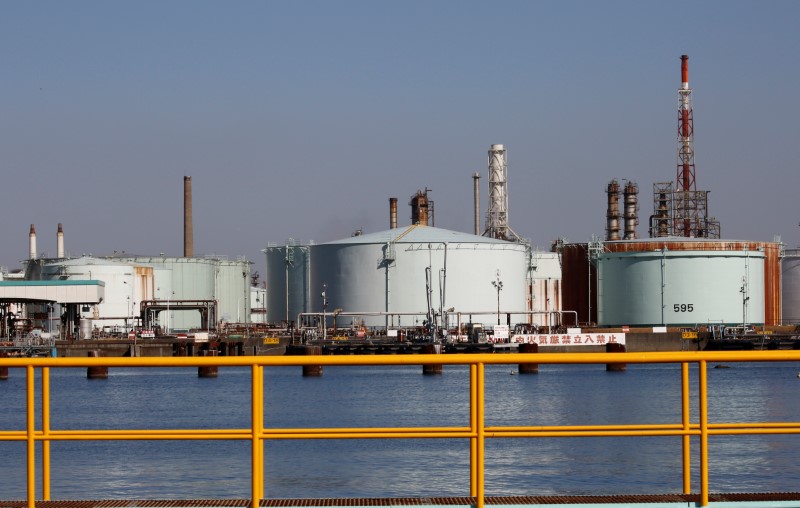
Oil & Gas Exploration Stocks Lagging Market on Wednesday

- Market Decline: Oil and gas exploration and production stocks fell approximately 2.6% on Wednesday, indicating pressure on the sector amid increasing market volatility.
- HighPeak Energy Leads Drop: HighPeak Energy's stock decreased by about 8.4%, making it the worst performer in the industry, reflecting investor concerns regarding its future profitability.
- NextDecade Follows Suit: NextDecade's shares dropped approximately 6.9%, further exacerbating the pessimistic sentiment surrounding the oil and gas sector, which could impact its financing and expansion plans.
- Uncertain Industry Outlook: With overall market sentiment low, the future performance of oil and gas exploration and production stocks may be affected by ongoing market uncertainties and a lack of investor confidence.

NovaGold Resources Reports Q2 2026 Earnings Insights
- Gold Price Impact: CEO Greg Lang indicated that with gold prices currently exceeding $4,000 per ounce, the Donlin project reflects a value of over $50 billion at a 0% discount rate, highlighting its potential profitability in a high gold price environment.
- Resource Reserves and Output: The Donlin Gold project is projected to average over 1 million ounces annually, with approximately 40 million ounces of measured and indicated resources at an average grade of 2.25 grams per tonne, underscoring its significant position in global gold production.
- Financial Status Update: CFO Peter Adamek reported a net loss of $25.5 million for Q2 2026, with cash reserves decreasing to $370.2 million, reflecting the funding needs of the Donlin project and pressures from corporate operating costs.
- Feasibility Study Progress: Management expects to complete the bankable feasibility study in the first half of 2027, emphasizing collaboration with Fluor and other contractors to ensure technical execution and schedule control for the project.
NovaGold Reports Q2 Results and Future Guidance
- Earnings Performance: NovaGold reported a Q2 GAAP EPS of -$0.06, aligning with market expectations, indicating the company's stability in the current economic environment.
- Expenditure Guidance: The company anticipates its operating expenditures for fiscal year 2026 to remain at approximately $98.5 million, including $78.8 million allocated for the Donlin Gold project, ensuring continued project advancement.
- Project Development: NovaGold expects to complete the bankable feasibility study for Donlin within a year, further driving project development and providing a basis for future investment decisions.
- Financial Position: The company's treasury has risen to $392.5 million, enhancing its competitiveness in the market and financing capabilities for projects, supporting future expansion plans.
Major Earnings Expected Before Bell on Wednesday

- Earnings Preview: Major companies including Paychex (PAYX), NovaGold Resources (NG), Daktronics (DAKT), and NexPoint Diversified Real Estate Trust (NXDT) are set to report earnings before the market opens on Wednesday, with investors keenly awaiting their performance impacts on market sentiment.
- Market Reaction: Investors will closely monitor these earnings reports to assess the financial health and future growth potential of these companies, which could influence short-term stock volatility.
- Industry Trends: Paychex, as a human resources service provider, will provide insights into the health of the job market, while NovaGold's results may sway investment sentiment in the gold mining sector.
- Investor Strategy: Ahead of the earnings releases, investors might adjust their positions to mitigate potential market fluctuations, particularly in the context of the current economic uncertainty.
NovaGold Resources Set to Announce Q2 Earnings on June 24
- Earnings Announcement Schedule: NovaGold Resources is set to announce its Q2 2023 earnings on June 24 before market open, with a consensus EPS estimate of -$0.05, reflecting a significant 66.7% year-over-year decline, indicating ongoing challenges in profitability.
- Earnings Performance: Over the past year, NovaGold has failed to meet EPS estimates and revenue expectations, highlighting difficulties in market competition that could undermine investor confidence and affect stock performance.
- Estimate Revision Trends: In the last three months, NovaGold's EPS estimates have seen no upward revisions and two downward adjustments, suggesting a persistently pessimistic outlook from analysts regarding the company's future profitability, which may exert downward pressure on its stock price.
- Funding Status Update: NovaGold anticipates completing the bankable feasibility study for the Donlin project within a year, with a strong cash position of $392.5 million, providing essential support for future development initiatives.
NovaGold Reports Q2 2026 Loss Amid Increased Expenses
- Net Loss Overview: NovaGold reported a net loss of $25.5 million for Q2 2026, translating to a loss of $0.06 per share, primarily driven by increased expenditures at the Donlin Gold project and rising G&A expenses, indicating challenges in cost management.
- Expense Increase: The company's share of Donlin Gold expenses rose by $10.4 million compared to the previous year, reflecting ongoing feasibility study activities that could impact future cash flow and profitability.
- Financial Position: With a robust treasury of $370.2 million, despite a decrease, the company is well-positioned to complete the Donlin Gold feasibility study and cover corporate costs for at least the next 12 months, demonstrating financial resilience.
- Project Timeline: The completion of the bankable feasibility study for Donlin Gold is anticipated in the first half of 2027, although the pending decision from the Alaska Supreme Court regarding water quality certification may delay the project timeline, affecting long-term strategic planning.
Oil & Gas Exploration Stocks Lagging Market on Wednesday
- Market Decline: Oil and gas exploration and production stocks fell approximately 2.6% on Wednesday, indicating pressure on the sector amid increasing market volatility.
- HighPeak Energy Leads Drop: HighPeak Energy's stock decreased by about 8.4%, making it the worst performer in the industry, reflecting investor concerns regarding its future profitability.
- NextDecade Follows Suit: NextDecade's shares dropped approximately 6.9%, further exacerbating the pessimistic sentiment surrounding the oil and gas sector, which could impact its financing and expansion plans.
- Uncertain Industry Outlook: With overall market sentiment low, the future performance of oil and gas exploration and production stocks may be affected by ongoing market uncertainties and a lack of investor confidence.
NovaGold Resources Reports Q2 2026 Earnings Insights
- Gold Price Impact: CEO Greg Lang indicated that with gold prices currently exceeding $4,000 per ounce, the Donlin project reflects a value of over $50 billion at a 0% discount rate, highlighting its potential profitability in a high gold price environment.
- Resource Reserves and Output: The Donlin Gold project is projected to average over 1 million ounces annually, with approximately 40 million ounces of measured and indicated resources at an average grade of 2.25 grams per tonne, underscoring its significant position in global gold production.
- Financial Status Update: CFO Peter Adamek reported a net loss of $25.5 million for Q2 2026, with cash reserves decreasing to $370.2 million, reflecting the funding needs of the Donlin project and pressures from corporate operating costs.
- Feasibility Study Progress: Management expects to complete the bankable feasibility study in the first half of 2027, emphasizing collaboration with Fluor and other contractors to ensure technical execution and schedule control for the project.
NovaGold Reports Q2 Results and Future Guidance
- Earnings Performance: NovaGold reported a Q2 GAAP EPS of -$0.06, aligning with market expectations, indicating the company's stability in the current economic environment.
- Expenditure Guidance: The company anticipates its operating expenditures for fiscal year 2026 to remain at approximately $98.5 million, including $78.8 million allocated for the Donlin Gold project, ensuring continued project advancement.
- Project Development: NovaGold expects to complete the bankable feasibility study for Donlin within a year, further driving project development and providing a basis for future investment decisions.
- Financial Position: The company's treasury has risen to $392.5 million, enhancing its competitiveness in the market and financing capabilities for projects, supporting future expansion plans.
Major Earnings Expected Before Bell on Wednesday
- Earnings Preview: Major companies including Paychex (PAYX), NovaGold Resources (NG), Daktronics (DAKT), and NexPoint Diversified Real Estate Trust (NXDT) are set to report earnings before the market opens on Wednesday, with investors keenly awaiting their performance impacts on market sentiment.
- Market Reaction: Investors will closely monitor these earnings reports to assess the financial health and future growth potential of these companies, which could influence short-term stock volatility.
- Industry Trends: Paychex, as a human resources service provider, will provide insights into the health of the job market, while NovaGold's results may sway investment sentiment in the gold mining sector.
- Investor Strategy: Ahead of the earnings releases, investors might adjust their positions to mitigate potential market fluctuations, particularly in the context of the current economic uncertainty.
NovaGold Resources Set to Announce Q2 Earnings on June 24
- Earnings Announcement Schedule: NovaGold Resources is set to announce its Q2 2023 earnings on June 24 before market open, with a consensus EPS estimate of -$0.05, reflecting a significant 66.7% year-over-year decline, indicating ongoing challenges in profitability.
- Earnings Performance: Over the past year, NovaGold has failed to meet EPS estimates and revenue expectations, highlighting difficulties in market competition that could undermine investor confidence and affect stock performance.
- Estimate Revision Trends: In the last three months, NovaGold's EPS estimates have seen no upward revisions and two downward adjustments, suggesting a persistently pessimistic outlook from analysts regarding the company's future profitability, which may exert downward pressure on its stock price.
- Funding Status Update: NovaGold anticipates completing the bankable feasibility study for the Donlin project within a year, with a strong cash position of $392.5 million, providing essential support for future development initiatives.