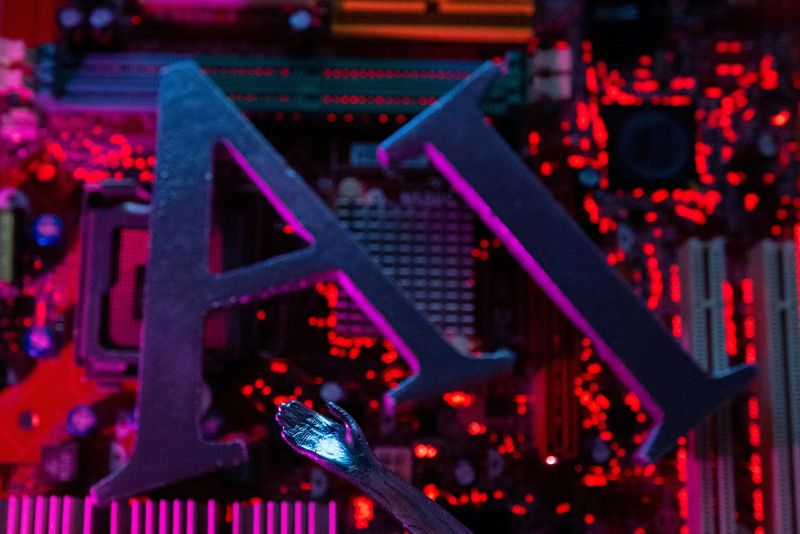
BTQ Technologies Partners with ITRI to Develop Quantum Compute Chip
BTQ Technologies and the Industrial Technology Research Institute, or ITRI, one of the world's leading applied research organizations, announced a strategic collaboration in 2026 to jointly realize and validate BTQ's Quantum Compute In Memory, or QCIM, chip, a next-generation silicon platform designed to enable secure, scalable cryptographic computation for the post-quantum era. Highlights include: Advances BTQ's QCIM program into early silicon validation, representing a key milestone toward commercialization; leverages ITRI's applied research capabilities to evaluate feasibility, performance, and energy efficiency at the silicon level; complements BTQ's separate collaboration with ICTK, a South Korea-based leader in hardware-level security technologies, which is focused on the development of a fully integrated, commercially deployable post-quantum chipset and its progression toward real-world validation and deployment. ITRI, one of the world's most influential applied research institutions in semiconductor development, is widely recognized for its role in incubating and commercializing foundational chip technologies that have shaped the global semiconductor industry. QCIM is designed to execute cryptographic workloads closer to where data is stored. In conventional architectures, data is repeatedly transferred between memory and compute, which can introduce power and performance constraints as security requirements increase.
Trade with 70% Backtested Accuracy
Analyst Views on BTQ
About BTQ
About the author


BTQ Opens Commercialization Hub in New York City

- New Commercialization Hub: BTQ has opened a commercialization hub in New York City's Flatiron District to accelerate its Quantum Compute in Memory (QCIM) program and quantum-secure silicon roadmap, further solidifying its presence in the U.S. market.
- Team Expansion: The QCIM engineering team has been strengthened by senior hires from companies like Apple and Meta, enhancing silicon validation and commercialization capabilities, which is expected to significantly shorten the timeline from architecture to commercialization.
- Silicon Validation & Collaboration: BTQ is collaborating with the Industrial Technology Research Institute (ITRI) to drive silicon validation and system integration, aiming to provide rapid prototyping and testing for government and enterprise markets, thereby enhancing the competitiveness of quantum-safe solutions.
- Accelerated Execution: The addition of the new team is set to speed up iterations in quantum control hardware and post-quantum cryptography, propelling the QCIM project towards commercialization to meet security demands from government and enterprise sectors.

Marriott Vacations Reports Strong Q4, Shares Surge


- Earnings Beat: Marriott Vacations reported an adjusted EPS of $1.86 for Q4, surpassing market expectations of $1.57, which highlights the company's strong profitability and boosts investor confidence.
- Sales Growth: The company's quarterly sales reached $1.323 billion, exceeding the anticipated $1.294 billion, indicating sustained competitiveness in the market and enhancing shareholder value.
- Stock Surge: In pre-market trading, Marriott Vacations shares jumped 12.7% to $65.34, reflecting market optimism about the company's future growth potential and likely attracting more investor interest.
- Positive Guidance: The company also issued FY26 adjusted EPS guidance above estimates, further solidifying its leadership position in the vacation industry and laying a strong foundation for future growth.

BTQ Technologies Opens R&D Hub in New York City
- R&D Hub Launch: BTQ Technologies has opened a dedicated R&D hub in New York City's Flatiron District, aimed at accelerating its Quantum Compute in Memory (QCIM) program, thereby enhancing the company's competitive position in the U.S. market.
- Team Expansion: The new team includes senior engineers from top companies like Apple and Intel, bringing extensive experience in quantum control, advanced silicon design, and post-quantum cryptography, which is expected to significantly shorten the timeline from QCIM architecture to commercial-ready silicon.
- Collaboration with ITRI: This expansion builds on BTQ's collaboration with the Industrial Technology Research Institute (ITRI) to validate BTQ's QCIM chip architecture, driving rapid prototyping and system integration for quantum-safe silicon solutions.
- Enhanced Execution Capability: The CEO of BTQ stated that the addition of this new team will dramatically strengthen the company's ability to develop and commercialize quantum-secure hardware products, ensuring they meet the security requirements of government and enterprise clients.
BTQ Technologies Partners with SDT for Quantum Computing Integration
- Strategic Collaboration: BTQ Technologies has signed a strategic collaboration agreement with QPerfect and SDT to integrate QPerfect's high-performance virtual quantum computer MIMIQ™ into SDT's QUREKA™ platform, aiming to provide cloud-based quantum emulation services for research institutions and enterprise innovation programs, which is expected to significantly enhance the accessibility and application range of quantum computing.
- Market Potential: According to Fact.MR, the global quantum simulation platforms market is projected to grow from USD 885 million in 2025 to USD 3.8 billion by 2035, with a CAGR of 15.7%, indicating that the collaboration between BTQ and SDT is strategically positioned within a rapidly expanding market.
- Technological Innovation: MIMIQ™, as the first layer of QPerfect's Quantum Logical Unit (QLU™), can emulate quantum circuits with thousands of qubits and millions of gates, surpassing the limitations of current physical quantum hardware, thereby accelerating the practical application of quantum computing and facilitating the industry's transition to fault-tolerant architectures.
- Academic and Industrial Synergy: SDT's partnerships with leading Korean universities, along with its strategic alliances with GS Group and LG Electronics, further enhance the academic and industrial support capabilities of the QUREKA™ platform, which is expected to drive widespread adoption of quantum computing technologies.
QPerfect and SDT Sign Strategic Partnership for Quantum Computing Integration
- Strategic Partnership: QPerfect and SDT have signed an agreement to integrate QPerfect's high-performance virtual quantum computer MIMIQ™ into SDT's QUREKA™ platform, aiming to launch a new cloud-based quantum emulation service that accelerates quantum R&D.
- Integration Benefits: The integration of MIMIQ™ enables QUREKA users to design, test, and validate quantum algorithms at scales beyond current hardware limits, thereby accelerating quantum R&D for research teams and enterprises.
- Service Launch Timeline: The cloud-based quantum emulation service officially went live on February 1, 2026, with SDT responsible for commercial operations while QPerfect maintains the MIMIQ™ backend in a secure European cloud environment.
- Market Potential: The global quantum simulation platforms market is projected to reach $3.8 billion by 2035, with a CAGR of 15.7%, and the collaboration between QPerfect and SDT positions them to effectively capture this rapidly growing market, facilitating the practical application of quantum computing.
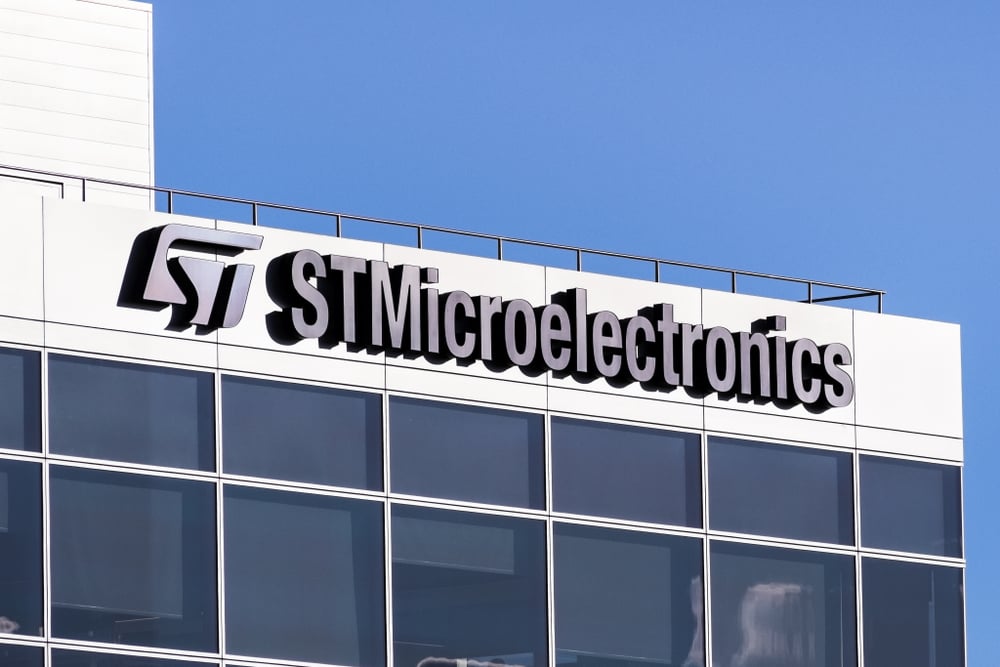
STMicroelectronics Shares Rise 4.3% in Pre-Market Trading
- Stock Performance: STMicroelectronics shares rose 4.3% in pre-market trading to $31.13, indicating optimistic market sentiment regarding the company's future performance, which may attract more investor interest.
- Market Dynamics: The upward trend in STMicroelectronics' stock could influence the performance of other related tech stocks, particularly in the semiconductor sector, further boosting investor confidence in the industry.
- Investor Sentiment: As the stock price increases, investor sentiment may become more positive, leading to increased capital inflow and enhancing the company's market position.
- Future Outlook: The rise in STMicroelectronics' stock price may signal positive developments in the company's technological innovation and market demand, further solidifying its competitiveness in the global semiconductor market.
BTQ Opens Commercialization Hub in New York City
- New Commercialization Hub: BTQ has opened a commercialization hub in New York City's Flatiron District to accelerate its Quantum Compute in Memory (QCIM) program and quantum-secure silicon roadmap, further solidifying its presence in the U.S. market.
- Team Expansion: The QCIM engineering team has been strengthened by senior hires from companies like Apple and Meta, enhancing silicon validation and commercialization capabilities, which is expected to significantly shorten the timeline from architecture to commercialization.
- Silicon Validation & Collaboration: BTQ is collaborating with the Industrial Technology Research Institute (ITRI) to drive silicon validation and system integration, aiming to provide rapid prototyping and testing for government and enterprise markets, thereby enhancing the competitiveness of quantum-safe solutions.
- Accelerated Execution: The addition of the new team is set to speed up iterations in quantum control hardware and post-quantum cryptography, propelling the QCIM project towards commercialization to meet security demands from government and enterprise sectors.
Marriott Vacations Reports Strong Q4, Shares Surge
- Earnings Beat: Marriott Vacations reported an adjusted EPS of $1.86 for Q4, surpassing market expectations of $1.57, which highlights the company's strong profitability and boosts investor confidence.
- Sales Growth: The company's quarterly sales reached $1.323 billion, exceeding the anticipated $1.294 billion, indicating sustained competitiveness in the market and enhancing shareholder value.
- Stock Surge: In pre-market trading, Marriott Vacations shares jumped 12.7% to $65.34, reflecting market optimism about the company's future growth potential and likely attracting more investor interest.
- Positive Guidance: The company also issued FY26 adjusted EPS guidance above estimates, further solidifying its leadership position in the vacation industry and laying a strong foundation for future growth.
BTQ Technologies Opens R&D Hub in New York City
- R&D Hub Launch: BTQ Technologies has opened a dedicated R&D hub in New York City's Flatiron District, aimed at accelerating its Quantum Compute in Memory (QCIM) program, thereby enhancing the company's competitive position in the U.S. market.
- Team Expansion: The new team includes senior engineers from top companies like Apple and Intel, bringing extensive experience in quantum control, advanced silicon design, and post-quantum cryptography, which is expected to significantly shorten the timeline from QCIM architecture to commercial-ready silicon.
- Collaboration with ITRI: This expansion builds on BTQ's collaboration with the Industrial Technology Research Institute (ITRI) to validate BTQ's QCIM chip architecture, driving rapid prototyping and system integration for quantum-safe silicon solutions.
- Enhanced Execution Capability: The CEO of BTQ stated that the addition of this new team will dramatically strengthen the company's ability to develop and commercialize quantum-secure hardware products, ensuring they meet the security requirements of government and enterprise clients.
BTQ Technologies Partners with SDT for Quantum Computing Integration
- Strategic Collaboration: BTQ Technologies has signed a strategic collaboration agreement with QPerfect and SDT to integrate QPerfect's high-performance virtual quantum computer MIMIQ™ into SDT's QUREKA™ platform, aiming to provide cloud-based quantum emulation services for research institutions and enterprise innovation programs, which is expected to significantly enhance the accessibility and application range of quantum computing.
- Market Potential: According to Fact.MR, the global quantum simulation platforms market is projected to grow from USD 885 million in 2025 to USD 3.8 billion by 2035, with a CAGR of 15.7%, indicating that the collaboration between BTQ and SDT is strategically positioned within a rapidly expanding market.
- Technological Innovation: MIMIQ™, as the first layer of QPerfect's Quantum Logical Unit (QLU™), can emulate quantum circuits with thousands of qubits and millions of gates, surpassing the limitations of current physical quantum hardware, thereby accelerating the practical application of quantum computing and facilitating the industry's transition to fault-tolerant architectures.
- Academic and Industrial Synergy: SDT's partnerships with leading Korean universities, along with its strategic alliances with GS Group and LG Electronics, further enhance the academic and industrial support capabilities of the QUREKA™ platform, which is expected to drive widespread adoption of quantum computing technologies.
QPerfect and SDT Sign Strategic Partnership for Quantum Computing Integration
- Strategic Partnership: QPerfect and SDT have signed an agreement to integrate QPerfect's high-performance virtual quantum computer MIMIQ™ into SDT's QUREKA™ platform, aiming to launch a new cloud-based quantum emulation service that accelerates quantum R&D.
- Integration Benefits: The integration of MIMIQ™ enables QUREKA users to design, test, and validate quantum algorithms at scales beyond current hardware limits, thereby accelerating quantum R&D for research teams and enterprises.
- Service Launch Timeline: The cloud-based quantum emulation service officially went live on February 1, 2026, with SDT responsible for commercial operations while QPerfect maintains the MIMIQ™ backend in a secure European cloud environment.
- Market Potential: The global quantum simulation platforms market is projected to reach $3.8 billion by 2035, with a CAGR of 15.7%, and the collaboration between QPerfect and SDT positions them to effectively capture this rapidly growing market, facilitating the practical application of quantum computing.
STMicroelectronics Shares Rise 4.3% in Pre-Market Trading
- Stock Performance: STMicroelectronics shares rose 4.3% in pre-market trading to $31.13, indicating optimistic market sentiment regarding the company's future performance, which may attract more investor interest.
- Market Dynamics: The upward trend in STMicroelectronics' stock could influence the performance of other related tech stocks, particularly in the semiconductor sector, further boosting investor confidence in the industry.
- Investor Sentiment: As the stock price increases, investor sentiment may become more positive, leading to increased capital inflow and enhancing the company's market position.
- Future Outlook: The rise in STMicroelectronics' stock price may signal positive developments in the company's technological innovation and market demand, further solidifying its competitiveness in the global semiconductor market.