

Bristol Myers Squibb Offers 4.5% Yield Amid Patent Challenges
Written by Emily J. Thompson, Senior Investment Analyst
Updated: 1 hour ago
0mins
Source: Fool
- Dividend Appeal: Bristol Myers Squibb offers a 4.5% yield, significantly higher than the S&P 500's 1% and the drug sector's 1.6%, indicating strong investor attraction, although the high yield raises concerns about dividend safety.
- Strong Financial Position: The company holds an investment-grade credit rating with a current debt-to-equity ratio of 2.2, down from 3.0 at the end of 2024, and an interest coverage ratio of 6.3, suggesting ample financial flexibility to meet debt obligations, thereby enhancing dividend safety.
- Patent Expiration Risks: Bristol Myers Squibb faces patent expirations for key drugs like Revlimid, Pomalyst, and Eliquis, which will materially pressure revenues and profits over the next few years; while the company is developing new drugs to offset revenue losses, timing mismatches may lead to an increased payout ratio.
- Investor Confidence: Despite uncertainties, the company's long history of success, reasonable payout ratio, and strong financial standing provide most investors with confidence that the dividend will remain intact amid the patent expiration challenges.
Trade with 70% Backtested Accuracy
Stop guessing "Should I Buy BMY?" and start using high-conviction signals backed by rigorous historical data.
Sign up today to access powerful investing tools and make smarter, data-driven decisions.
Analyst Views on BMY
Wall Street analysts forecast BMY stock price to fall
20 Analyst Rating
8 Buy
11 Hold
1 Sell
Moderate Buy
Current: 56.900

Low
37.00
Averages
55.86
High
68.00
Current: 56.900
Low
37.00
Averages
55.86
High
68.00
About BMY
Bristol-Myers Squibb Company is a global biopharmaceutical company. It is engaged in the discovery, development, and delivery of transformational medicines for patients facing serious diseases in areas: oncology, hematology, immunology, cardiovascular, neuroscience and other areas. Its growth portfolio includes Opdivo (nivolumab), Opdivo Qvantig (nivolumab and hyaluronidase-nvhy), Orencia (abatacept), Yervoy (ipilimumab), Reblozyl (luspatercept-aamt), Breyanzi (lisocabtagene maraleucel), Opdualag (nivolumab and relatlimab-rmbw), Camzyos (mavacamten), Zeposia (ozanimod), Abecma (idecabtagene vicleucel), Sotyktu (deucravacitinib), Krazati (adagrasib), and Cobenfy (xanomeline and trospium chloride). Its other growth products include Augtyro, Onureg, Inrebic, Nulojix, and Empliciti. Its legacy portfolio includes Eliquis (apixaban), Revlimid (lenalidomide), Pomalyst/Imnovid (pomalidomide), Sprycel (dasatinib), and Abraxane (paclitaxel albumin-bound particles for injectable suspension).
About the author

Emily J. Thompson
Emily J. Thompson, a Chartered Financial Analyst (CFA) with 12 years in investment research, graduated with honors from the Wharton School. Specializing in industrial and technology stocks, she provides in-depth analysis for Intellectia’s earnings and market brief reports.
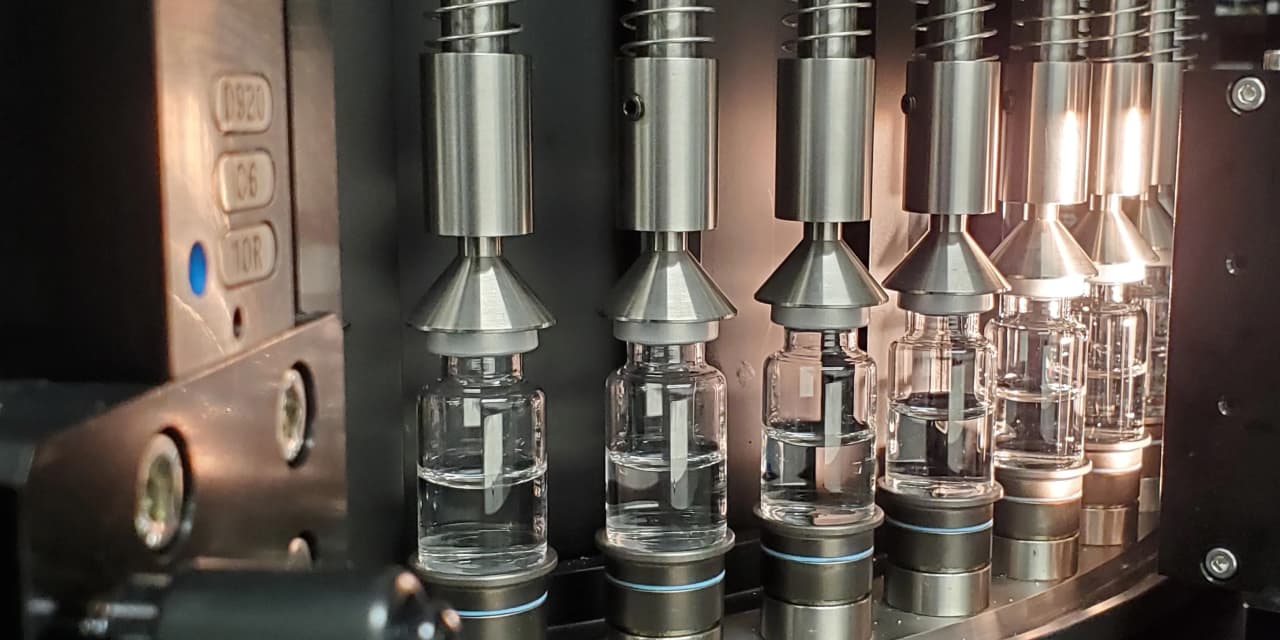
Bristol Myers Squibb's Dividend Growth Outlook Amid Patent Cliffs

- Dividend Growth Potential: Bristol Myers Squibb anticipates $3.5 billion in annual cost savings, which will help the company maintain its quarterly dividend of $0.63 per share despite facing patent expiration challenges.
- Cash Reserve Advantage: With over $10.5 billion in cash and cash equivalents, the company has a strong backing for its dividend payments, ensuring a forward yield of 4.5% amidst uncertainty.
- Cost-Cutting Initiatives: The management's strategic productivity initiative, announced two years ago, aims to cut an additional $2 billion in annual expenses by 2027, further enhancing the company's financial flexibility and dividend growth potential.
- Profitability Outlook: Analysts estimate the company will achieve earnings of around $6.31 per share this year, resulting in a forward payout ratio of approximately 40%, significantly below the sustainable level of 60%, indicating the safety of its dividend.
See More
Bristol Myers Squibb Offers 4.5% Yield Amid Patent Challenges
- Dividend Appeal: Bristol Myers Squibb offers a 4.5% yield, significantly higher than the S&P 500's 1% and the drug sector's 1.6%, indicating strong investor attraction, although the high yield raises concerns about dividend safety.
- Strong Financial Position: The company holds an investment-grade credit rating with a current debt-to-equity ratio of 2.2, down from 3.0 at the end of 2024, and an interest coverage ratio of 6.3, suggesting ample financial flexibility to meet debt obligations, thereby enhancing dividend safety.
- Patent Expiration Risks: Bristol Myers Squibb faces patent expirations for key drugs like Revlimid, Pomalyst, and Eliquis, which will materially pressure revenues and profits over the next few years; while the company is developing new drugs to offset revenue losses, timing mismatches may lead to an increased payout ratio.
- Investor Confidence: Despite uncertainties, the company's long history of success, reasonable payout ratio, and strong financial standing provide most investors with confidence that the dividend will remain intact amid the patent expiration challenges.
See More
Analysis of Bristol Myers Squibb's Dividend Safety
- Dividend Yield Advantage: Bristol Myers Squibb offers a 4.5% dividend yield, significantly higher than the S&P 500's 1% and the drug sector's 1.6%, making it attractive to investors, although the high yield raises concerns about dividend safety.
- Financial Strength: The company holds an investment-grade credit rating, with a current debt-to-equity ratio of 2.2, down from 3 at the end of 2024, and an interest coverage ratio of 6.3, indicating ample leeway to meet debt obligations and enhancing its ability to sustain dividends.
- Patent Expiration Risks: Bristol Myers Squibb faces patent expirations for key drugs like Revlimid, Pomalyst, and Eliquis, which will materially pressure revenues and profits over the next few years, although the company is working on new drug development to offset lost revenue.
- Payout Ratio Analysis: The current dividend payout ratio is around 72%, which is somewhat high but not unreasonable, suggesting there is some buffer before a potential cut, and investors should monitor how the company navigates the challenges posed by patent expirations.
See More

Analysis of Bristol Myers Squibb's Dividend Safety
- Attractive Dividend Yield: Bristol Myers Squibb offers a 4.5% dividend yield, significantly higher than the 1% from the S&P 500 and the 1.6% average for the pharmaceutical sector, making it appealing to investors, although the high yield raises concerns about dividend safety.
- Strong Financial Position: The company holds an investment-grade credit rating, with a current debt-to-equity ratio of 2.2, down from 3 at the end of 2024, and an interest coverage ratio of 6.3, indicating ample financial flexibility to meet debt obligations, thereby enhancing dividend sustainability.
- Patent Expiration Risks: Bristol Myers Squibb faces patent expirations for key drugs like Revlimid, Pomalyst, and Eliquis, which will materially pressure revenues and profits over the next few years; while the company is developing new drugs to offset these losses, timing mismatches may lead to an increased payout ratio.
- Investor Confidence: Despite uncertainties, the company's long history of success, reasonable payout ratio, and strong financial foundation instill confidence among most investors regarding the sustainability of its dividend amid patent expiration challenges, making it suitable for those with a higher risk tolerance.
See More
Bristol Myers Squibb's Dividend Growth Outlook Remains Positive
- Dividend Growth Record: Bristol Myers Squibb has increased its quarterly dividends for 18 consecutive years, and despite facing patent expirations for key drugs like Eliquis, the company can sustain its $0.63 per share quarterly dividend, translating to an annual payout of approximately $2.52, indicating strong cash flow stability.
- Earnings Support: Analysts project earnings of around $6.31 per share this year, leading to a forward payout ratio of about 40%, significantly below the sustainable threshold of 60%, which provides reassurance for future dividend growth prospects.
- Cost-Cutting Initiatives: The company has made progress on its strategic productivity initiative, originally announced two years ago, aiming to cut $1.5 billion in annual expenses by 2026, with an additional $2 billion reduction planned by 2027, totaling $3.5 billion in anticipated savings that will enhance profitability and support dividend growth.
- Cash Reserves Advantage: With approximately $10.5 billion in cash and cash equivalents, Bristol Myers Squibb has a solid financial cushion for its dividend payments, and any positive developments regarding the patent cliff could potentially drive a rally in its stock price.
See More

Takeda's Zasocitinib Outperforms Rival in Psoriasis Trial
- Clinical Trial Success: Takeda's tyrosine kinase inhibitor, zasocitinib, significantly outperformed the rival therapy Sotyktu in the LATITUDE trial, with over 35% of patients achieving complete skin clearance, more than 2.5 times higher than Sotyktu, indicating its strong therapeutic potential.
- Safety Profile: The trial reported no new safety concerns, and zasocitinib was well tolerated, consistent with prior studies, which supports its future marketability and acceptance among healthcare providers.
- Market Application Plans: Takeda intends to submit marketing applications for zasocitinib to the U.S. FDA and other regulatory agencies within this fiscal year, aiming to capitalize on its promising results in psoriasis treatment.
- Future Data Presentation: The company plans to present full LATITUDE trial data at an upcoming medical event, which will provide deeper insights for investors and the medical community, thereby enhancing market confidence.
See More
Bristol Myers Squibb's Dividend Growth Outlook Amid Patent Cliffs
- Dividend Growth Potential: Bristol Myers Squibb anticipates $3.5 billion in annual cost savings, which will help the company maintain its quarterly dividend of $0.63 per share despite facing patent expiration challenges.
- Cash Reserve Advantage: With over $10.5 billion in cash and cash equivalents, the company has a strong backing for its dividend payments, ensuring a forward yield of 4.5% amidst uncertainty.
- Cost-Cutting Initiatives: The management's strategic productivity initiative, announced two years ago, aims to cut an additional $2 billion in annual expenses by 2027, further enhancing the company's financial flexibility and dividend growth potential.
- Profitability Outlook: Analysts estimate the company will achieve earnings of around $6.31 per share this year, resulting in a forward payout ratio of approximately 40%, significantly below the sustainable level of 60%, indicating the safety of its dividend.
See More
Bristol Myers Squibb Offers 4.5% Yield Amid Patent Challenges
- Dividend Appeal: Bristol Myers Squibb offers a 4.5% yield, significantly higher than the S&P 500's 1% and the drug sector's 1.6%, indicating strong investor attraction, although the high yield raises concerns about dividend safety.
- Strong Financial Position: The company holds an investment-grade credit rating with a current debt-to-equity ratio of 2.2, down from 3.0 at the end of 2024, and an interest coverage ratio of 6.3, suggesting ample financial flexibility to meet debt obligations, thereby enhancing dividend safety.
- Patent Expiration Risks: Bristol Myers Squibb faces patent expirations for key drugs like Revlimid, Pomalyst, and Eliquis, which will materially pressure revenues and profits over the next few years; while the company is developing new drugs to offset revenue losses, timing mismatches may lead to an increased payout ratio.
- Investor Confidence: Despite uncertainties, the company's long history of success, reasonable payout ratio, and strong financial standing provide most investors with confidence that the dividend will remain intact amid the patent expiration challenges.
See More
Analysis of Bristol Myers Squibb's Dividend Safety
- Dividend Yield Advantage: Bristol Myers Squibb offers a 4.5% dividend yield, significantly higher than the S&P 500's 1% and the drug sector's 1.6%, making it attractive to investors, although the high yield raises concerns about dividend safety.
- Financial Strength: The company holds an investment-grade credit rating, with a current debt-to-equity ratio of 2.2, down from 3 at the end of 2024, and an interest coverage ratio of 6.3, indicating ample leeway to meet debt obligations and enhancing its ability to sustain dividends.
- Patent Expiration Risks: Bristol Myers Squibb faces patent expirations for key drugs like Revlimid, Pomalyst, and Eliquis, which will materially pressure revenues and profits over the next few years, although the company is working on new drug development to offset lost revenue.
- Payout Ratio Analysis: The current dividend payout ratio is around 72%, which is somewhat high but not unreasonable, suggesting there is some buffer before a potential cut, and investors should monitor how the company navigates the challenges posed by patent expirations.
See More
Analysis of Bristol Myers Squibb's Dividend Safety
- Attractive Dividend Yield: Bristol Myers Squibb offers a 4.5% dividend yield, significantly higher than the 1% from the S&P 500 and the 1.6% average for the pharmaceutical sector, making it appealing to investors, although the high yield raises concerns about dividend safety.
- Strong Financial Position: The company holds an investment-grade credit rating, with a current debt-to-equity ratio of 2.2, down from 3 at the end of 2024, and an interest coverage ratio of 6.3, indicating ample financial flexibility to meet debt obligations, thereby enhancing dividend sustainability.
- Patent Expiration Risks: Bristol Myers Squibb faces patent expirations for key drugs like Revlimid, Pomalyst, and Eliquis, which will materially pressure revenues and profits over the next few years; while the company is developing new drugs to offset these losses, timing mismatches may lead to an increased payout ratio.
- Investor Confidence: Despite uncertainties, the company's long history of success, reasonable payout ratio, and strong financial foundation instill confidence among most investors regarding the sustainability of its dividend amid patent expiration challenges, making it suitable for those with a higher risk tolerance.
See More
Bristol Myers Squibb's Dividend Growth Outlook Remains Positive
- Dividend Growth Record: Bristol Myers Squibb has increased its quarterly dividends for 18 consecutive years, and despite facing patent expirations for key drugs like Eliquis, the company can sustain its $0.63 per share quarterly dividend, translating to an annual payout of approximately $2.52, indicating strong cash flow stability.
- Earnings Support: Analysts project earnings of around $6.31 per share this year, leading to a forward payout ratio of about 40%, significantly below the sustainable threshold of 60%, which provides reassurance for future dividend growth prospects.
- Cost-Cutting Initiatives: The company has made progress on its strategic productivity initiative, originally announced two years ago, aiming to cut $1.5 billion in annual expenses by 2026, with an additional $2 billion reduction planned by 2027, totaling $3.5 billion in anticipated savings that will enhance profitability and support dividend growth.
- Cash Reserves Advantage: With approximately $10.5 billion in cash and cash equivalents, Bristol Myers Squibb has a solid financial cushion for its dividend payments, and any positive developments regarding the patent cliff could potentially drive a rally in its stock price.
See More
Takeda's Zasocitinib Outperforms Rival in Psoriasis Trial
- Clinical Trial Success: Takeda's tyrosine kinase inhibitor, zasocitinib, significantly outperformed the rival therapy Sotyktu in the LATITUDE trial, with over 35% of patients achieving complete skin clearance, more than 2.5 times higher than Sotyktu, indicating its strong therapeutic potential.
- Safety Profile: The trial reported no new safety concerns, and zasocitinib was well tolerated, consistent with prior studies, which supports its future marketability and acceptance among healthcare providers.
- Market Application Plans: Takeda intends to submit marketing applications for zasocitinib to the U.S. FDA and other regulatory agencies within this fiscal year, aiming to capitalize on its promising results in psoriasis treatment.
- Future Data Presentation: The company plans to present full LATITUDE trial data at an upcoming medical event, which will provide deeper insights for investors and the medical community, thereby enhancing market confidence.
See More




