Berkshire Hathaway Reports 30% Drop in Q4 Operating Profit
Written by Emily J. Thompson, Senior Investment Analyst
Updated: Feb 28 2026
0mins
Source: Newsfilter
- Operating Profit Decline: Berkshire Hathaway's operating profit fell 30% in Q4 to $10.2 billion, or approximately $7,092 per Class A share, primarily due to write-downs on investments in Kraft Heinz and Occidental Petroleum, indicating challenges in portfolio management.
- Insurance Revenue Drop: The decline in income from insurance operations reflects pressures in the overall market environment, which could impact future profitability and investment strategies, especially as Warren Buffett steps down as CEO, leaving new leadership with greater challenges.
- Strong Cash Reserves: By the end of 2025, Berkshire Hathaway reported cash reserves of $373.3 billion, providing new CEO Greg Abel with the financial power to pursue significant acquisitions, potentially altering the company's growth trajectory.
- Leadership Transition: This quarter marks Warren Buffett's last as CEO, with successor Greg Abel's appointment signaling a potential shift in strategic direction, which may affect investor confidence and expectations for future performance.
Trade with 70% Backtested Accuracy
Stop guessing "Should I Buy KHC?" and start using high-conviction signals backed by rigorous historical data.
Sign up today to access powerful investing tools and make smarter, data-driven decisions.
Analyst Views on KHC
Wall Street analysts forecast KHC stock price to rise
15 Analyst Rating
0 Buy
14 Hold
1 Sell
Hold
Current: 23.330

Low
24.00
Averages
25.86
High
28.00
Current: 23.330
Low
24.00
Averages
25.86
High
28.00
About KHC
The Kraft Heinz Company manufactures and markets food and beverage products around the world through its eight consumer-driven product platforms: Taste Elevation, Easy Ready Meals, Substantial Snacking, Desserts, Hydration, Cheese, Coffee, Meats, and other grocery products. The Company has two reportable segments defined by geographic region: North America and International Developed Markets. Its other segments, consisting of West and East Emerging Markets (WEEM) and Asia Emerging Markets (AEM), are combined and disclosed as Emerging Markets. It manufactures its products from a wide variety of raw materials. Its brands include Kraft, Oscar Mayer, Heinz, Philadelphia, Lunchables, Velveeta, Ore-Ida, Capri Sun, Maxwell Apartment, Kool-Aid, Jell-O, Heinz, Golden Circle, Wattie's, Plasmon, Heinz, ABC, Master, Quero, Kraft, and Pudliszki, among others. The Company's products are sold through its own sales organizations and through independent brokers, agents, and distributors.
About the author

Emily J. Thompson
Emily J. Thompson, a Chartered Financial Analyst (CFA) with 12 years in investment research, graduated with honors from the Wharton School. Specializing in industrial and technology stocks, she provides in-depth analysis for Intellectia’s earnings and market brief reports.
Kraft Heinz's $600 Million Investment Plan Shows Early Signs of Success
- Innovation Pipeline Outlook: CEO Steven Cahillane stated that Kraft Heinz's innovation pipeline is set for a three-year horizon, with some projects potentially taking five to six years to materialize, thereby ensuring long-term brand competitiveness and market adaptability.
- Investment Allocation Strategy: CFO Andre Maciel revealed that approximately two-thirds of the $600 million investment will be allocated to commercial levers such as product packaging, marketing, and commercial headcount, while the remaining one-third will focus on pricing strategies and joint business plans with retailers to enhance sales and market share.
- Inflation Impact: Maciel noted that the company is facing a 4% inflation rate this year, double the normal levels seen in the past, yet remains optimistic about short-term pressures, expecting to counter potential price increases through improved productivity in the future.
- Retail Market Sentiment: On Stocktwits, retail sentiment surrounding Kraft Heinz remains ‘extremely bearish’ with very low message volume in the past 24 hours, reflecting concerns about the company's future performance, which has led to a decline of over 5% in its stock price year-to-date.
See More

Kraft Heinz and SanDisk Options Trading Volume Surge

- Kraft Heinz Options Volume: Kraft Heinz Co (KHC) has seen an options trading volume of 75,495 contracts today, representing approximately 7.5 million underlying shares, which accounts for 49.8% of its average daily trading volume over the past month, indicating strong market interest in the stock.
- High Strike Call Options: Notably, the $24 strike call option expiring on June 5, 2026, has traded 15,657 contracts, equivalent to about 1.6 million shares, suggesting investor expectations for a price increase in the future.
- SanDisk Options Activity: SanDisk Corp (SNDK) has recorded an options trading volume of 65,364 contracts today, representing approximately 6.5 million underlying shares, which is 48.8% of its average daily trading volume over the past month, reflecting active market engagement.
- Bullish Call Options: For SNDK, the $2000 strike call option expiring on June 5, 2026, has seen 1,757 contracts traded, amounting to approximately 175,700 shares, indicating a positive sentiment among investors regarding the stock's future performance.
See More
Market Volatility and Tech Stock Performance

- Oil Price Impact: Stocks fell as crude oil prices climbed back above $95 per barrel due to renewed airstrikes between the U.S. and Iran, with financials being the worst-performing sector, indicating pressure on rate-sensitive stocks and a negative market sentiment.
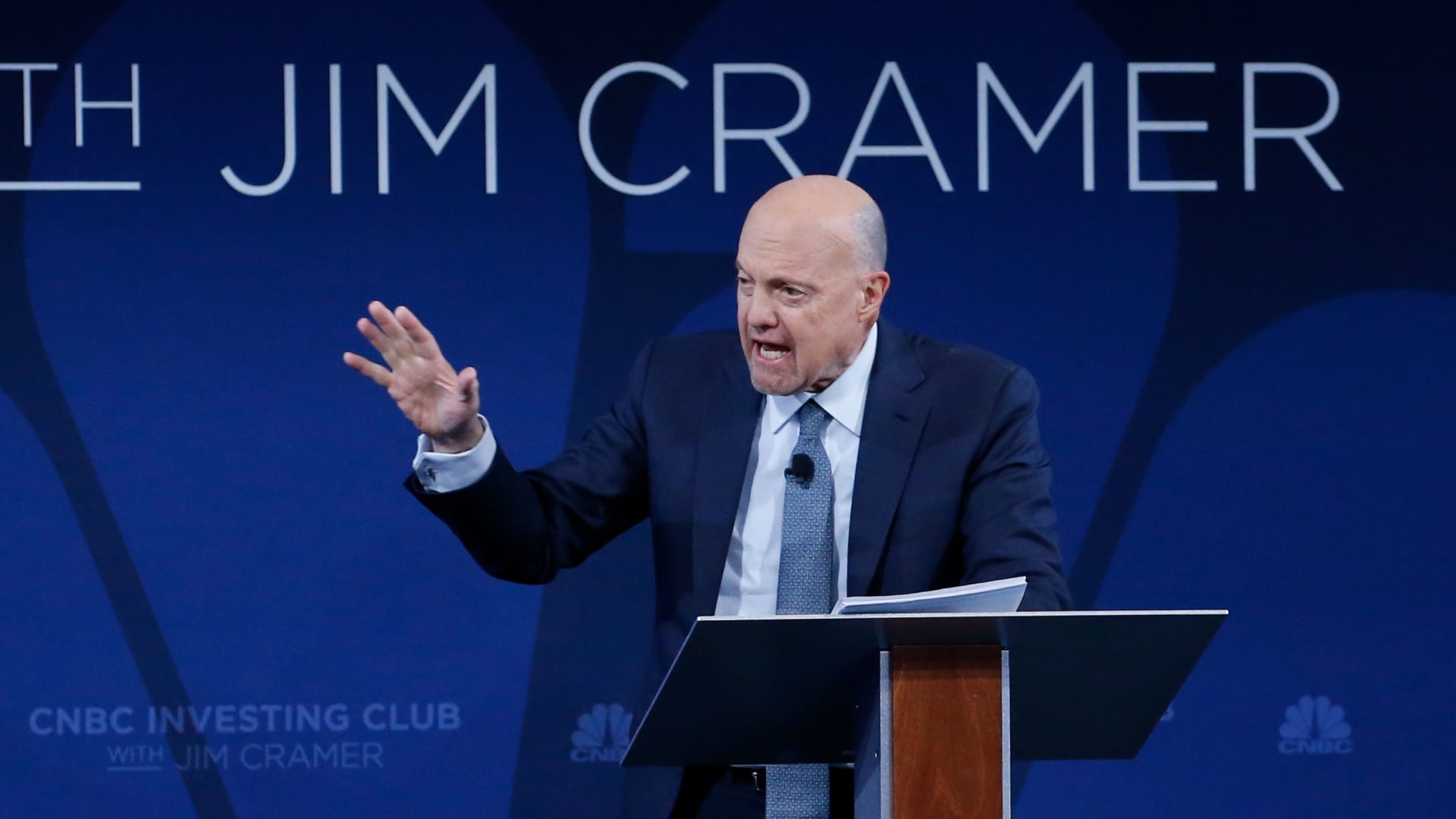
- Cybersecurity Stock Pullback: Despite Palo Alto Networks delivering a strong earnings report, its stock declined over 2%, with Jim Cramer urging investors to hold, while anticipating a potential short-term drop of 7% to 8%, reflecting cautious market sentiment regarding future performance.
- New Semiconductor Position: Jim initiated a new position in Intel on Wednesday, believing that demand for CPUs will continue to grow as AI workloads shift from training to inference, stressing that investors should start small rather than chase the stock higher to mitigate risk.
- Rapid Stock Review: In a quick recap, Jim highlighted stocks such as Honeywell, Macy's, Ulta, AT&T, and Kraft Heinz, indicating a focus on diversified investments while reflecting varying perspectives on individual stock performances.
See More
Market Dynamics and Company Performance Analysis

- Market Volatility Analysis: Following the S&P 500's record high, the market is slightly fluctuating due to uncertainties surrounding Iran and tariffs, indicating investor sensitivity to geopolitical risks that may affect short-term investment decisions.
- Cybersecurity Outlook: Palo Alto Networks experienced stock volatility post-earnings, as the CEO highlighted cybersecurity risks posed by artificial intelligence, yet market confidence in its future performance remains shaky, reflecting investor caution towards tech stocks.
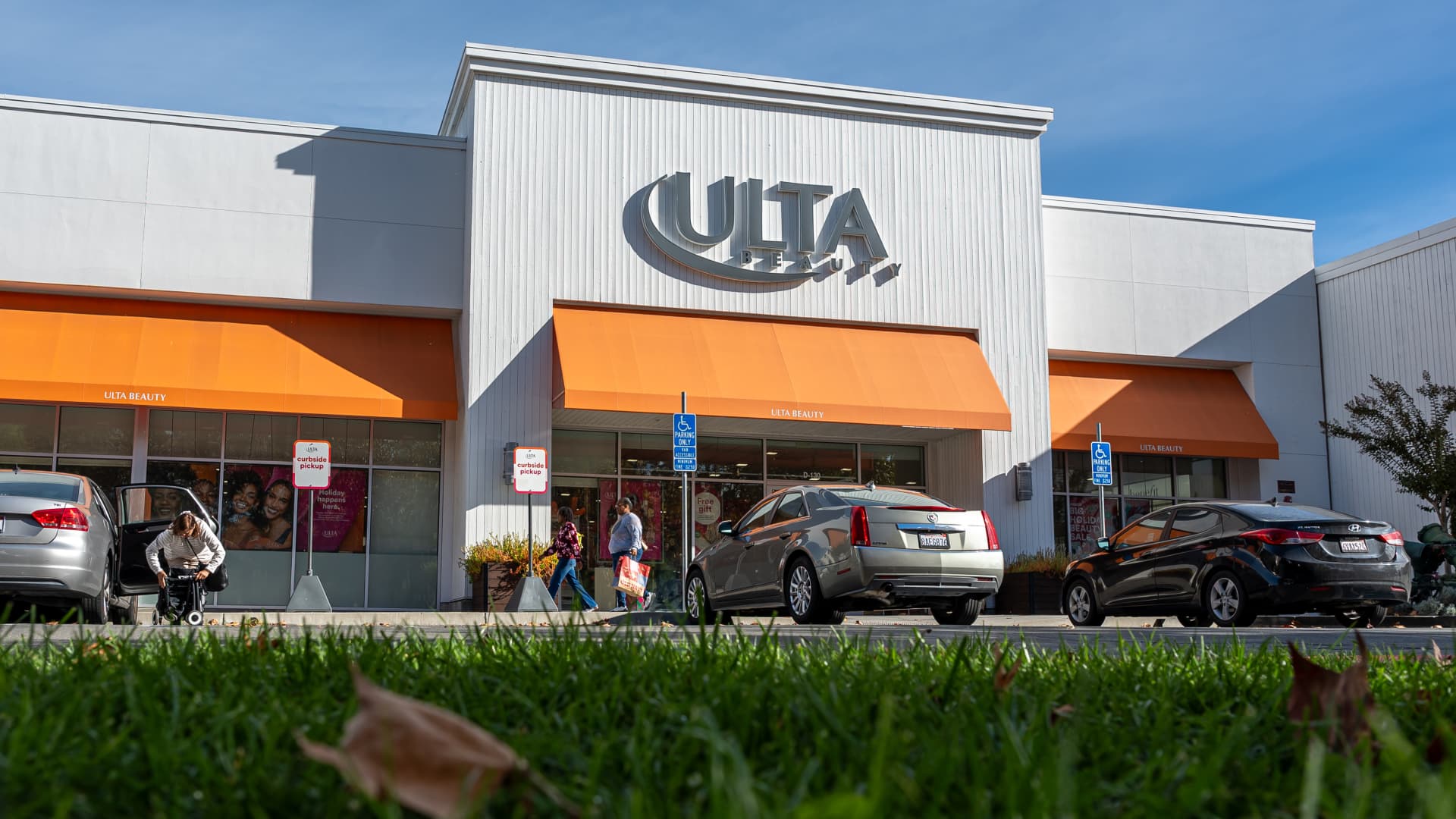
- Beauty Industry Growth: Ulta Beauty reported a 5.3% same-store sales growth in Q1, exceeding expectations and indicating consumer demand for value, although the stock has declined from its highs, suggesting market concerns about future growth.
- Telecom Industry Challenges: Oppenheimer downgraded AT&T to hold due to potential threats to long-term broadband subscriber growth from satellite internet competition, reflecting market worries about traditional telecom businesses and hinting at the impact of emerging technologies on the sector.
See More

Wall Street's Latest Ratings Overview

- DigitalOcean Coverage Initiated: KeyBanc initiates coverage of DigitalOcean with an Overweight rating and a $200 price target, indicating significant room for expansion in the cloud computing market, which could enhance its growth trajectory.
- Omnicom Growth Outlook: Goldman Sachs rates Omnicom as a Buy, highlighting an 18% free cash flow yield and organic growth in its core business, suggesting it will outperform consensus EBIT and FCF estimates, reflecting strong performance in the advertising sector.
- SSR Mining Upgrade: RBC upgrades SSR Mining from Sector Perform to Outperform, citing strategic transactions that have reduced jurisdictional risk and exceptional financial liquidity, with cash representing one-third of market cap, indicating robust future growth potential.
- Apple's Positive Outlook: Goldman Sachs reiterates a Buy rating on Apple, anticipating the announcement of an AI-enhanced Siri at the upcoming Worldwide Developers Conference, which will include several delayed features, showcasing Apple's ongoing innovation in AI technology.
See More

Oil Inflation Intensifies Pressure on Food Sector
- Rising Oil Prices Impact Costs: Bernstein's analysis indicates that sustained oil inflation is driving up freight, agricultural, and packaging costs, which is expected to further compress profit margins for food companies amid increasing global economic uncertainty.
- Health Trends Apply Pressure: The rise of GLP-1 drugs and the 'Make America Healthy Again' movement are shifting consumer preferences, posing significant challenges for traditional packaged food companies, forcing them to adapt their product strategies to meet new consumer demands.
- Rating Downgrades Affect Stock Prices: Bernstein downgraded Campbell Soup, Conagra Brands, General Mills, and Kraft Heinz to 'Underperform', leading to a general decline in their stock prices during pre-market trading, reflecting market concerns about their future performance.
- Market Sentiment is Bearish: According to Stocktwits data, sentiment for Kraft Heinz is extremely bearish, while General Mills and Simply Good Foods also show bearish sentiment, indicating a lack of investor confidence in the packaged food sector, which exacerbates downward pressure on stock prices.
See More
Kraft Heinz's $600 Million Investment Plan Shows Early Signs of Success
- Innovation Pipeline Outlook: CEO Steven Cahillane stated that Kraft Heinz's innovation pipeline is set for a three-year horizon, with some projects potentially taking five to six years to materialize, thereby ensuring long-term brand competitiveness and market adaptability.
- Investment Allocation Strategy: CFO Andre Maciel revealed that approximately two-thirds of the $600 million investment will be allocated to commercial levers such as product packaging, marketing, and commercial headcount, while the remaining one-third will focus on pricing strategies and joint business plans with retailers to enhance sales and market share.
- Inflation Impact: Maciel noted that the company is facing a 4% inflation rate this year, double the normal levels seen in the past, yet remains optimistic about short-term pressures, expecting to counter potential price increases through improved productivity in the future.
- Retail Market Sentiment: On Stocktwits, retail sentiment surrounding Kraft Heinz remains ‘extremely bearish’ with very low message volume in the past 24 hours, reflecting concerns about the company's future performance, which has led to a decline of over 5% in its stock price year-to-date.
See More
Kraft Heinz and SanDisk Options Trading Volume Surge
- Kraft Heinz Options Volume: Kraft Heinz Co (KHC) has seen an options trading volume of 75,495 contracts today, representing approximately 7.5 million underlying shares, which accounts for 49.8% of its average daily trading volume over the past month, indicating strong market interest in the stock.
- High Strike Call Options: Notably, the $24 strike call option expiring on June 5, 2026, has traded 15,657 contracts, equivalent to about 1.6 million shares, suggesting investor expectations for a price increase in the future.
- SanDisk Options Activity: SanDisk Corp (SNDK) has recorded an options trading volume of 65,364 contracts today, representing approximately 6.5 million underlying shares, which is 48.8% of its average daily trading volume over the past month, reflecting active market engagement.
- Bullish Call Options: For SNDK, the $2000 strike call option expiring on June 5, 2026, has seen 1,757 contracts traded, amounting to approximately 175,700 shares, indicating a positive sentiment among investors regarding the stock's future performance.
See More
Market Volatility and Tech Stock Performance
- Oil Price Impact: Stocks fell as crude oil prices climbed back above $95 per barrel due to renewed airstrikes between the U.S. and Iran, with financials being the worst-performing sector, indicating pressure on rate-sensitive stocks and a negative market sentiment.
- Cybersecurity Stock Pullback: Despite Palo Alto Networks delivering a strong earnings report, its stock declined over 2%, with Jim Cramer urging investors to hold, while anticipating a potential short-term drop of 7% to 8%, reflecting cautious market sentiment regarding future performance.
- New Semiconductor Position: Jim initiated a new position in Intel on Wednesday, believing that demand for CPUs will continue to grow as AI workloads shift from training to inference, stressing that investors should start small rather than chase the stock higher to mitigate risk.
- Rapid Stock Review: In a quick recap, Jim highlighted stocks such as Honeywell, Macy's, Ulta, AT&T, and Kraft Heinz, indicating a focus on diversified investments while reflecting varying perspectives on individual stock performances.
See More
Market Dynamics and Company Performance Analysis
- Market Volatility Analysis: Following the S&P 500's record high, the market is slightly fluctuating due to uncertainties surrounding Iran and tariffs, indicating investor sensitivity to geopolitical risks that may affect short-term investment decisions.
- Cybersecurity Outlook: Palo Alto Networks experienced stock volatility post-earnings, as the CEO highlighted cybersecurity risks posed by artificial intelligence, yet market confidence in its future performance remains shaky, reflecting investor caution towards tech stocks.
- Beauty Industry Growth: Ulta Beauty reported a 5.3% same-store sales growth in Q1, exceeding expectations and indicating consumer demand for value, although the stock has declined from its highs, suggesting market concerns about future growth.
- Telecom Industry Challenges: Oppenheimer downgraded AT&T to hold due to potential threats to long-term broadband subscriber growth from satellite internet competition, reflecting market worries about traditional telecom businesses and hinting at the impact of emerging technologies on the sector.
See More
Wall Street's Latest Ratings Overview
- DigitalOcean Coverage Initiated: KeyBanc initiates coverage of DigitalOcean with an Overweight rating and a $200 price target, indicating significant room for expansion in the cloud computing market, which could enhance its growth trajectory.
- Omnicom Growth Outlook: Goldman Sachs rates Omnicom as a Buy, highlighting an 18% free cash flow yield and organic growth in its core business, suggesting it will outperform consensus EBIT and FCF estimates, reflecting strong performance in the advertising sector.
- SSR Mining Upgrade: RBC upgrades SSR Mining from Sector Perform to Outperform, citing strategic transactions that have reduced jurisdictional risk and exceptional financial liquidity, with cash representing one-third of market cap, indicating robust future growth potential.
- Apple's Positive Outlook: Goldman Sachs reiterates a Buy rating on Apple, anticipating the announcement of an AI-enhanced Siri at the upcoming Worldwide Developers Conference, which will include several delayed features, showcasing Apple's ongoing innovation in AI technology.
See More
Oil Inflation Intensifies Pressure on Food Sector
- Rising Oil Prices Impact Costs: Bernstein's analysis indicates that sustained oil inflation is driving up freight, agricultural, and packaging costs, which is expected to further compress profit margins for food companies amid increasing global economic uncertainty.
- Health Trends Apply Pressure: The rise of GLP-1 drugs and the 'Make America Healthy Again' movement are shifting consumer preferences, posing significant challenges for traditional packaged food companies, forcing them to adapt their product strategies to meet new consumer demands.
- Rating Downgrades Affect Stock Prices: Bernstein downgraded Campbell Soup, Conagra Brands, General Mills, and Kraft Heinz to 'Underperform', leading to a general decline in their stock prices during pre-market trading, reflecting market concerns about their future performance.
- Market Sentiment is Bearish: According to Stocktwits data, sentiment for Kraft Heinz is extremely bearish, while General Mills and Simply Good Foods also show bearish sentiment, indicating a lack of investor confidence in the packaged food sector, which exacerbates downward pressure on stock prices.
See More