

Analysis of Tesla-SpaceX Merger Prospects
Written by Emily J. Thompson, Senior Investment Analyst
Updated: 1 hour ago
0mins
Source: stocktwits
- Mainstream Merger Thesis: Wolfe Research indicates that the merger thesis between Tesla and SpaceX has gained traction due to Musk's increasing voting control, AI synergies, and access to a larger capital base, drawing more investor attention.
- Investor Expectations: Morningstar estimates that Tesla could secure a 66% stake in any merger, despite SpaceX's higher valuation, suggesting Tesla shareholders may resist a deal that undervalues their company, impacting negotiations.
- AI and Infrastructure Synergy: The collaboration between Tesla and SpaceX in AI tools, chip development, and computing infrastructure is deepening, with SpaceX purchasing over $500 million worth of Tesla Megapacks, highlighting their intertwined technological and supply chain relationship.
- Merger Risks and Challenges: Despite the optimistic merger outlook, Wolfe Research warns that a deal may require a substantial premium and could face opposition from existing SpaceX shareholders and regulatory scrutiny, particularly given Tesla's extensive operations in China.
Trade with 70% Backtested Accuracy
Stop guessing "Should I Buy TSLA?" and start using high-conviction signals backed by rigorous historical data.
Sign up today to access powerful investing tools and make smarter, data-driven decisions.
Analyst Views on TSLA
Wall Street analysts forecast TSLA stock price to fall
30 Analyst Rating
12 Buy
11 Hold
7 Sell
Hold
Current: 408.950

Low
25.28
Averages
401.93
High
600.00
Current: 408.950
Low
25.28
Averages
401.93
High
600.00
About TSLA
Tesla, Inc. designs, develops, manufactures, sells and leases high-performance fully electric vehicles and energy generation and storage systems, and offers services related to its products. Its segments include automotive, and energy generation and storage. The automotive segment includes the design, development, manufacturing, sales and leasing of high-performance fully electric vehicles, and sales of automotive regulatory credits. It also includes sales of used vehicles, non-warranty maintenance services and collisions, part sales, paid supercharging, insurance services revenue and retail merchandise sales. The energy generation and storage segment include the design, manufacture, installation, sales and leasing of solar energy generation and energy storage products and related services and sales of solar energy systems incentives. Its consumer vehicles include the Model 3, Y, S, X and Cybertruck. Its lithium-ion battery energy storage products include Powerwall and Megapack.
About the author

Emily J. Thompson
Emily J. Thompson, a Chartered Financial Analyst (CFA) with 12 years in investment research, graduated with honors from the Wharton School. Specializing in industrial and technology stocks, she provides in-depth analysis for Intellectia’s earnings and market brief reports.
SpaceX Set for Historic IPO, Potentially Raising $75 Billion

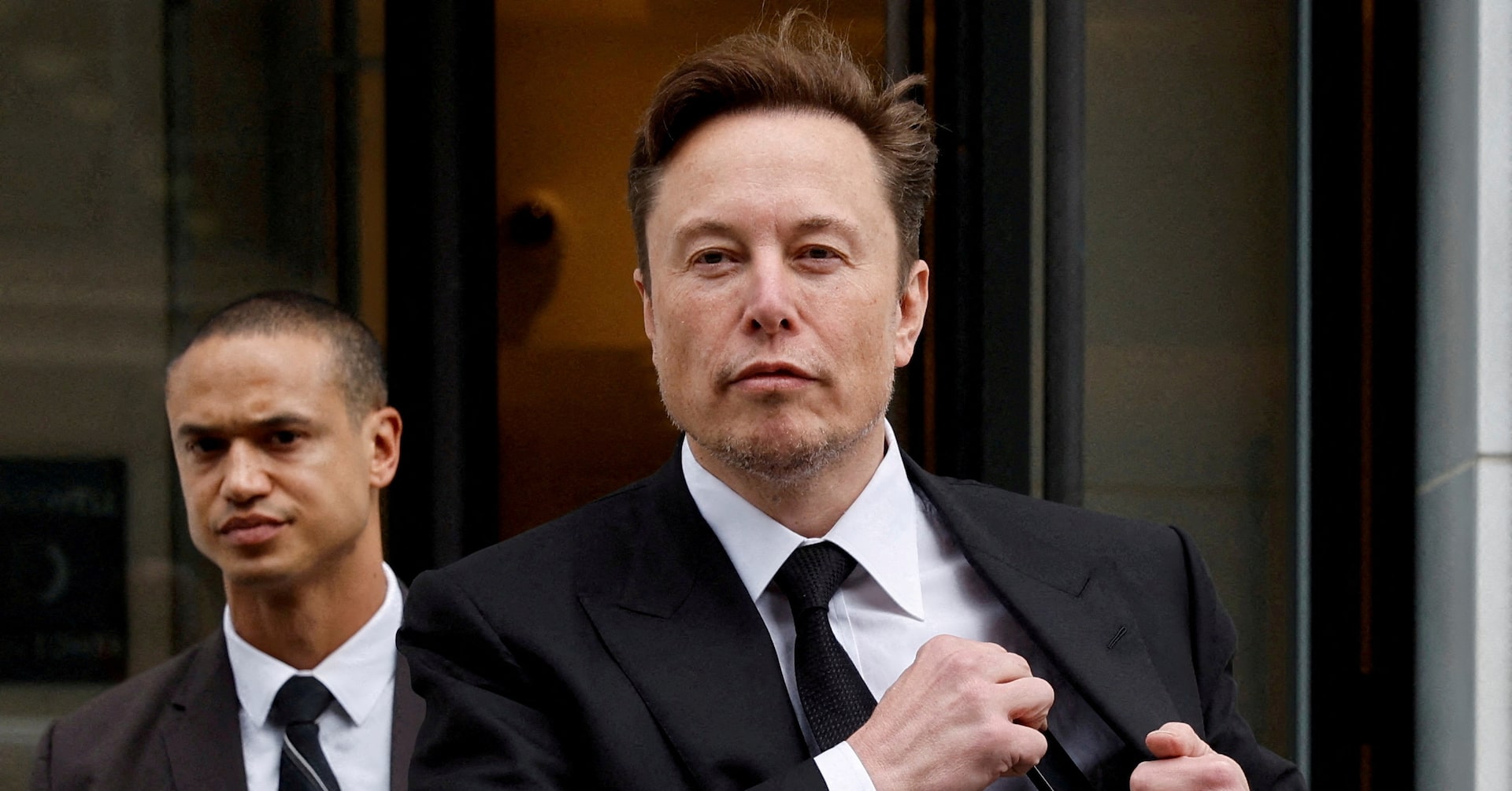
- Record IPO Size: SpaceX is set to go public on June 12, aiming to raise up to $75 billion, which would surpass the $29.4 billion record set by Saudi Aramco in 2019, marking a significant milestone for the company in capital markets.
- Market Valuation Outlook: If successful, SpaceX's market capitalization could reach $1.8 trillion, placing it among the top ten most valuable companies globally and surpassing Tesla, further solidifying Elon Musk's leadership in the tech sector.
- Starlink Profitability: Starlink, as the profitable core of SpaceX, generated $11.4 billion of the company's total $18.7 billion revenue last year, with a 50% growth rate, demonstrating strong performance in the satellite internet market and supporting the company's overall financial health.
- AI Business Challenges: While SpaceX dominates the space launch market, its AI division, xAI, faces intense competition, achieving only $1.4 billion in sales last year while burning about $1 billion monthly, leaving its future profitability uncertain and potentially impacting overall valuation.
See More
Tesla Launches Unsupervised Robotaxi Service in Austin
- Robotaxi Service Launch: Tesla's launch of its unsupervised robotaxi service in Austin represents a significant step towards fully autonomous operations, which is expected to enhance future revenue potential and solidify its leadership in the electric vehicle market.
- Sales Recovery in China: According to the China Passenger Car Association, Tesla's retail sales surged 22.5% in May to 47,281 vehicles, breaking a two-month streak of declining sales, indicating a recovery in market demand.
- Stock Price Volatility and Market Reaction: Following the announcement, Tesla's shares rose by 5.5%, although they later cooled to $409.76, still reflecting a 4.8% increase from the previous close, indicating a positive market reaction but not a fundamental shift in perception.
- Analyst Rating Adjustment: JPMorgan upgraded Tesla's rating from Underweight to Neutral, raising the price target by 228% to $475, yet analysts remain cautious about the company's future profitability, noting the lack of genuinely new vehicle launches that could justify its current valuation.
See More
Analysis of Tesla-SpaceX Merger Prospects
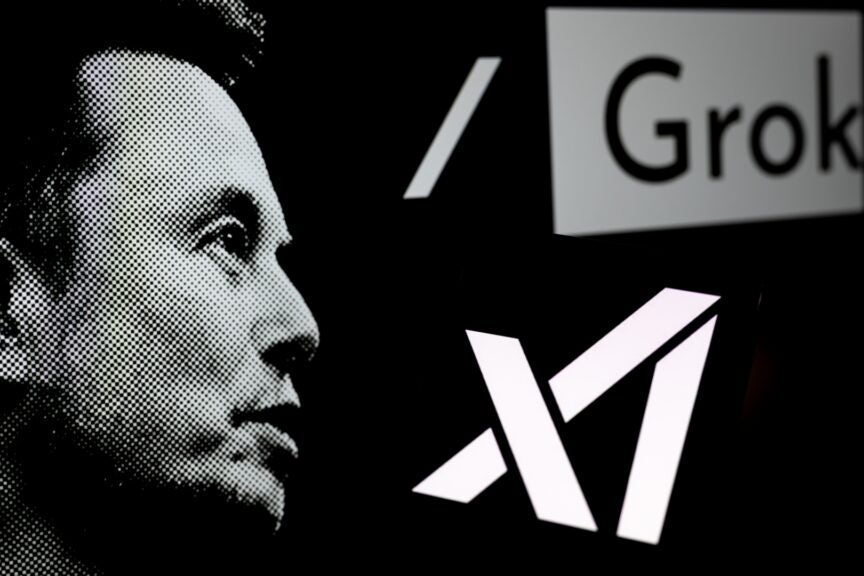
- Mainstream Merger Thesis: Wolfe Research indicates that the merger thesis between Tesla and SpaceX has gained traction due to Musk's increasing voting control, AI synergies, and access to a larger capital base, drawing more investor attention.
- Investor Expectations: Morningstar estimates that Tesla could secure a 66% stake in any merger, despite SpaceX's higher valuation, suggesting Tesla shareholders may resist a deal that undervalues their company, impacting negotiations.
- AI and Infrastructure Synergy: The collaboration between Tesla and SpaceX in AI tools, chip development, and computing infrastructure is deepening, with SpaceX purchasing over $500 million worth of Tesla Megapacks, highlighting their intertwined technological and supply chain relationship.
- Merger Risks and Challenges: Despite the optimistic merger outlook, Wolfe Research warns that a deal may require a substantial premium and could face opposition from existing SpaceX shareholders and regulatory scrutiny, particularly given Tesla's extensive operations in China.
See More
SpaceX IPO Expected to Break Records
- IPO Timeline: SpaceX is set to launch its initial public offering (IPO) on June 12, aiming to break fundraising records with a target valuation of $1.77 trillion and plans to raise up to $75 billion in fresh capital, which will support its ambitious multiplanetary mission.
- Market Potential Analysis: According to its recent IPO prospectus, SpaceX claims a quantifiable total addressable market (TAM) of $28.5 trillion, with $26.5 trillion focused on artificial intelligence, highlighting its significant potential in future technology and strategic importance.
- Diversification Strategy: SpaceX is not just a rocket and satellite company; its Starlink internet service is currently its main revenue source, while the company aspires to become one of the largest AI stocks globally, a diversification strategy that helps mitigate risks and enhance market competitiveness.
- Investor Risk Advisory: Despite SpaceX's ambitious vision and necessary technology, the company has yet to turn a profit, and heavy investments may lead to shareholder dilution, prompting investors to carefully assess the long-term return potential, especially in light of possible delays and market challenges.
See More
Analysis of SpaceX IPO Prospects and Challenges
- IPO Valuation Target: SpaceX plans to go public on June 12, targeting a valuation of up to $1.77 trillion and aiming to raise as much as $75 billion in fresh capital, which will support its vision of a multiplanetary civilization.
- Massive Market Potential: The company claims in its IPO prospectus that its quantifiable total addressable market (TAM) is $28.5 trillion, with $26.5 trillion related to artificial intelligence, highlighting its ambitions and opportunities in the AI sector.
- Profitability Challenges: Despite having strong rocket technology and capital support, SpaceX has yet to turn a profit, and heavy investments may lead to shareholder dilution, prompting investors to carefully assess its long-term return potential.
- Timeline Uncertainty: SpaceX acknowledges that achieving its multiplanetary vision faces numerous challenges, particularly in establishing a lunar economy and interplanetary industrialization, which may take longer than anticipated to realize investment returns.
See More
GM Partners with Peak Energy to Develop Sodium-Ion Batteries

- Strategic Partnership: General Motors (GM) has announced a strategic partnership with startup Peak Energy to develop and manufacture next-generation sodium-ion battery cells for grid-scale energy storage, marking a significant expansion of GM's battery technology applications beyond electric vehicles.
- Technological Innovation: The collaboration will leverage GM's Michigan battery labs to develop sodium-ion cells, which Peak Energy will integrate into its proprietary passively cooled storage systems, promising a 20% cost reduction and over 99% uptime, enhancing the reliability of energy storage solutions.
- Market Outlook: This initiative not only signifies GM's repurposing of battery technology but also indicates a diversified investment in the energy storage market, particularly in the area of EV battery recycling, thereby strengthening its competitive position in the industry.
- Investor Sentiment: On Stocktwits, retail sentiment around GM shifted from 'neutral' to 'bullish', reflecting investor optimism regarding GM's entry into the energy storage sector, with GM's stock gaining over 3% this year.
See More
SpaceX Set for Historic IPO, Potentially Raising $75 Billion
- Record IPO Size: SpaceX is set to go public on June 12, aiming to raise up to $75 billion, which would surpass the $29.4 billion record set by Saudi Aramco in 2019, marking a significant milestone for the company in capital markets.
- Market Valuation Outlook: If successful, SpaceX's market capitalization could reach $1.8 trillion, placing it among the top ten most valuable companies globally and surpassing Tesla, further solidifying Elon Musk's leadership in the tech sector.
- Starlink Profitability: Starlink, as the profitable core of SpaceX, generated $11.4 billion of the company's total $18.7 billion revenue last year, with a 50% growth rate, demonstrating strong performance in the satellite internet market and supporting the company's overall financial health.
- AI Business Challenges: While SpaceX dominates the space launch market, its AI division, xAI, faces intense competition, achieving only $1.4 billion in sales last year while burning about $1 billion monthly, leaving its future profitability uncertain and potentially impacting overall valuation.
See More
Tesla Launches Unsupervised Robotaxi Service in Austin
- Robotaxi Service Launch: Tesla's launch of its unsupervised robotaxi service in Austin represents a significant step towards fully autonomous operations, which is expected to enhance future revenue potential and solidify its leadership in the electric vehicle market.
- Sales Recovery in China: According to the China Passenger Car Association, Tesla's retail sales surged 22.5% in May to 47,281 vehicles, breaking a two-month streak of declining sales, indicating a recovery in market demand.
- Stock Price Volatility and Market Reaction: Following the announcement, Tesla's shares rose by 5.5%, although they later cooled to $409.76, still reflecting a 4.8% increase from the previous close, indicating a positive market reaction but not a fundamental shift in perception.
- Analyst Rating Adjustment: JPMorgan upgraded Tesla's rating from Underweight to Neutral, raising the price target by 228% to $475, yet analysts remain cautious about the company's future profitability, noting the lack of genuinely new vehicle launches that could justify its current valuation.
See More
Analysis of Tesla-SpaceX Merger Prospects
- Mainstream Merger Thesis: Wolfe Research indicates that the merger thesis between Tesla and SpaceX has gained traction due to Musk's increasing voting control, AI synergies, and access to a larger capital base, drawing more investor attention.
- Investor Expectations: Morningstar estimates that Tesla could secure a 66% stake in any merger, despite SpaceX's higher valuation, suggesting Tesla shareholders may resist a deal that undervalues their company, impacting negotiations.
- AI and Infrastructure Synergy: The collaboration between Tesla and SpaceX in AI tools, chip development, and computing infrastructure is deepening, with SpaceX purchasing over $500 million worth of Tesla Megapacks, highlighting their intertwined technological and supply chain relationship.
- Merger Risks and Challenges: Despite the optimistic merger outlook, Wolfe Research warns that a deal may require a substantial premium and could face opposition from existing SpaceX shareholders and regulatory scrutiny, particularly given Tesla's extensive operations in China.
See More
SpaceX IPO Expected to Break Records
- IPO Timeline: SpaceX is set to launch its initial public offering (IPO) on June 12, aiming to break fundraising records with a target valuation of $1.77 trillion and plans to raise up to $75 billion in fresh capital, which will support its ambitious multiplanetary mission.
- Market Potential Analysis: According to its recent IPO prospectus, SpaceX claims a quantifiable total addressable market (TAM) of $28.5 trillion, with $26.5 trillion focused on artificial intelligence, highlighting its significant potential in future technology and strategic importance.
- Diversification Strategy: SpaceX is not just a rocket and satellite company; its Starlink internet service is currently its main revenue source, while the company aspires to become one of the largest AI stocks globally, a diversification strategy that helps mitigate risks and enhance market competitiveness.
- Investor Risk Advisory: Despite SpaceX's ambitious vision and necessary technology, the company has yet to turn a profit, and heavy investments may lead to shareholder dilution, prompting investors to carefully assess the long-term return potential, especially in light of possible delays and market challenges.
See More
Analysis of SpaceX IPO Prospects and Challenges
- IPO Valuation Target: SpaceX plans to go public on June 12, targeting a valuation of up to $1.77 trillion and aiming to raise as much as $75 billion in fresh capital, which will support its vision of a multiplanetary civilization.
- Massive Market Potential: The company claims in its IPO prospectus that its quantifiable total addressable market (TAM) is $28.5 trillion, with $26.5 trillion related to artificial intelligence, highlighting its ambitions and opportunities in the AI sector.
- Profitability Challenges: Despite having strong rocket technology and capital support, SpaceX has yet to turn a profit, and heavy investments may lead to shareholder dilution, prompting investors to carefully assess its long-term return potential.
- Timeline Uncertainty: SpaceX acknowledges that achieving its multiplanetary vision faces numerous challenges, particularly in establishing a lunar economy and interplanetary industrialization, which may take longer than anticipated to realize investment returns.
See More
GM Partners with Peak Energy to Develop Sodium-Ion Batteries
- Strategic Partnership: General Motors (GM) has announced a strategic partnership with startup Peak Energy to develop and manufacture next-generation sodium-ion battery cells for grid-scale energy storage, marking a significant expansion of GM's battery technology applications beyond electric vehicles.
- Technological Innovation: The collaboration will leverage GM's Michigan battery labs to develop sodium-ion cells, which Peak Energy will integrate into its proprietary passively cooled storage systems, promising a 20% cost reduction and over 99% uptime, enhancing the reliability of energy storage solutions.
- Market Outlook: This initiative not only signifies GM's repurposing of battery technology but also indicates a diversified investment in the energy storage market, particularly in the area of EV battery recycling, thereby strengthening its competitive position in the industry.
- Investor Sentiment: On Stocktwits, retail sentiment around GM shifted from 'neutral' to 'bullish', reflecting investor optimism regarding GM's entry into the energy storage sector, with GM's stock gaining over 3% this year.
See More




