Analysis of SpaceX IPO First Day Trading Performance
Written by Emily J. Thompson, Senior Investment Analyst
Updated: 37 minutes ago
0mins
Source: Fool
- First Day Trading: SpaceX opened to the public on June 12 at $150 per share, closing near $161, with significant price fluctuations indicating strong market demand and resulting in varied returns for investors.
- Return Analysis: An investment of $5,000 at $150 would yield approximately 33 shares, valued at $5,107 based on the June 26 closing price of $153.23, suggesting a slight profit potential for early investors.
- Impact of Purchase Price: Investors buying at $161 would see their 31 shares drop to a value of $4,750, while those purchasing at $176 would face a further decline to $4,351, highlighting the risks associated with higher entry prices.
- Long-Term Outlook: Despite many investors facing losses or minimal gains in the short term, SpaceX has not traded for a full month yet, and its long-term potential remains to be seen, urging investors to focus on future growth opportunities amid market volatility.
Trade with 70% Backtested Accuracy
Stop guessing "Should I Buy SPCX?" and start using high-conviction signals backed by rigorous historical data.
Sign up today to access powerful investing tools and make smarter, data-driven decisions.
Analyst Views on SPCX
Wall Street analysts forecast SPCX stock price to rise
0 Analyst Rating
0 Buy
0 Hold
0 Sell
Current: 153.230

Low
Averages
High
Current: 153.230
Low
Averages
High
About SPCX
Space Exploration Technologies Corp. designs, manufactures, launches, and operates products and services built on technologies, including rockets and spacecraft. The Company's segments include Space, Connectivity, and artificial intelligence (AI). Its Space segment designs, manufactures, and launches reusable rockets to provide access to space. Its Connectivity segment operates broadband data and communications network powered by approximately 9,600 Starlink broadband and mobile satellites in Low-Earth orbit, delivering connectivity to consumer, enterprises, and government customers over 164 countries, territories, and other markets. In its AI segment, it operates a vertically integrated AI platform spanning its truth-seeking frontier model Grok, AI solutions for consumer and enterprise customers, X-its real-time information, entertainment, and free speech platform and AI computational infrastructure.
About the author

Emily J. Thompson
Emily J. Thompson, a Chartered Financial Analyst (CFA) with 12 years in investment research, graduated with honors from the Wharton School. Specializing in industrial and technology stocks, she provides in-depth analysis for Intellectia’s earnings and market brief reports.

SpaceX Achieves Historic Largest IPO with Significant Stock Fluctuations

- Historic IPO Achievement: SpaceX debuted on June 12, marking the largest IPO in market history, with its stock price soaring to approximately $202 three days post-IPO, reflecting a 50% increase from the initial price of $135.
- Stock Price Fluctuations: Although currently trading above the IPO price, shares have dipped below $155, nearing the opening price of $150, indicating market caution regarding future performance, with analysts assigning an average price target of $188, suggesting a potential upside of about 24%.
- Revenue and Market Potential: SpaceX's Starlink internet service generated an operating profit of $4.4 billion in 2025, despite an overall net loss of about $5 billion, highlighting its massive market potential, with a projected total addressable market of $28.5 trillion.
- Investor Sentiment Shift: Despite initial excitement surrounding the IPO, market expectations for SpaceX have begun to wane over time, as historically many IPOs underperform in their first year, prompting investors to carefully assess long-term investment opportunities.
See More

SpaceX IPO Triggers Index Fund Surge
- IPO Pricing and Market Performance: SpaceX priced its IPO at $135 per share on June 12, soaring approximately 66% within four trading days to $225, reaching a valuation near $3 trillion, although it subsequently retraced over 30% to around $153, still maintaining a valuation of about $2 trillion, indicating strong market expectations for its future growth.
- Index Fund Inclusion: Just five trading days post-IPO, SpaceX entered the CRSP US Total Market Index on June 18, expected to generate $4–7 billion in passive inflows, marking its significant presence in American retirement accounts.
- Subsequent Index Additions: On June 29, SpaceX was added to the Russell 1000 index, anticipated to attract $6–9 billion in buying, followed by its entry into MSCI US indexes, expected to bring in another $3–5 billion, further solidifying its market impact.
- Rule Changes and Market Implications: The new rules allowed SpaceX to enter major indices with only 4% float, reflecting a shift in market liquidity requirements for large companies, a trend that may enable more firms like OpenAI and Anthropic to quickly enter the market, altering investors' asset allocation strategies.
See More

AT&T, Hertz, and Gap Shares Hit 52-Week Lows Amid Competitive Pressures

- AT&T Faces Competitive Pressure: AT&T's stock dropped to a 52-week low of $21.28 as investors reacted to SpaceX's plans to launch a Starlink-branded mobile service, raising concerns about potential market share loss and disruption of traditional telecom models.
- Hertz Financing Costs Rise: Hertz's stock plummeted to a five-year low of $2.26 following the announcement of a $350 million offering of exchangeable senior notes, which heightened investor fears of share dilution, compounded by Morgan Stanley's price target cut to $3.50, reflecting a pessimistic outlook on future financial performance.
- Gap Struggles with Retail Trends: Gap's stock slid to a 52-week low of $18.60 amid investor concerns regarding weak performance at Old Navy and Athleta, despite the flagship Gap brand showing growth that was insufficient to offset declines in its larger businesses.
- Market Sentiment Shifts: Despite the declines in AT&T and Gap stocks, retail sentiment improved, with AT&T's sentiment shifting from neutral to bullish and Gap's from bearish to bullish, indicating a cautious optimism about future prospects.
See More
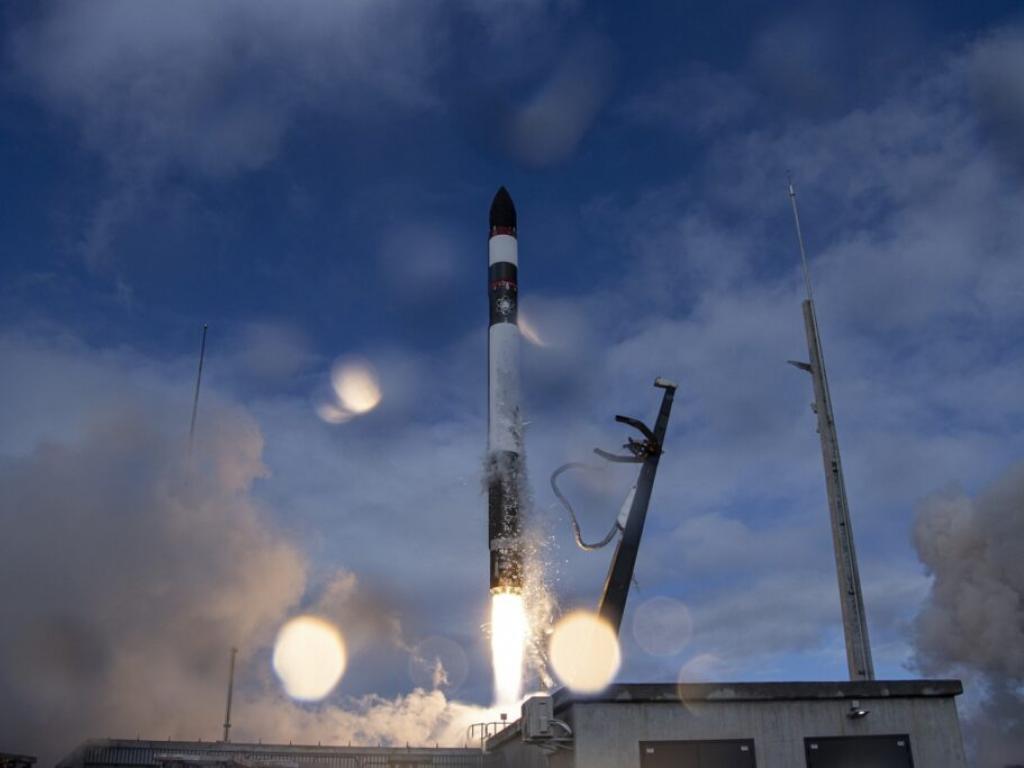
Rocket Lab Surprises with $8 Billion Iridium Acquisition

- Surprise Acquisition: Rocket Lab announced an unexpected cash-and-stock deal to acquire Iridium for $54 per share, totaling approximately $8 billion, significantly enhancing its competitive edge in satellite launch and manufacturing, with the deal expected to close by mid-2027.
- Positive Market Reaction: Following the announcement, Rocket Lab's stock surged 16% to $98.01, with analysts generally bullish; Roth Capital raised its price target to $130, indicating a 33% upside, reflecting optimism about the company's future prospects.
- Far-reaching Industry Impact: This acquisition allows Rocket Lab to integrate its launch capabilities with Iridium's global satellite communications network, positioning it as a “self-launching company” and strengthening its strategic position in aviation safety and PNT, while increasing pressure on competitors like Viasat.
- Retail Investor Sentiment Soars: On Stocktwits, retail sentiment for Rocket Lab jumped from “bullish” to “extremely bullish,” with 52% of voters in a poll considering the acquisition a “game-changer,” indicating strong investor confidence in the company's future growth.
See More
Analysis of SpaceX IPO First Day Trading Performance

- First Day Trading: SpaceX opened to the public on June 12 at $150 per share, closing near $161, with significant price fluctuations indicating strong market demand and resulting in varied returns for investors.
- Return Analysis: An investment of $5,000 at $150 would yield approximately 33 shares, valued at $5,107 based on the June 26 closing price of $153.23, suggesting a slight profit potential for early investors.
- Impact of Purchase Price: Investors buying at $161 would see their 31 shares drop to a value of $4,750, while those purchasing at $176 would face a further decline to $4,351, highlighting the risks associated with higher entry prices.
- Long-Term Outlook: Despite many investors facing losses or minimal gains in the short term, SpaceX has not traded for a full month yet, and its long-term potential remains to be seen, urging investors to focus on future growth opportunities amid market volatility.
See More
Rocket Lab Acquires Iridium Communications in Major Space Deal

- Acquisition Overview: Rocket Lab has agreed to acquire Iridium Communications for $54 per share in cash and stock, valuing the deal at approximately $8 billion, which represents a 24% premium over Iridium's closing price last Friday, indicating strong market enthusiasm for the transaction.
- Industry Consolidation Trend: This acquisition positions Rocket Lab to compete directly with SpaceX's popular Starlink service, potentially accelerating mergers and acquisitions among satellite and rocket companies, thereby enhancing the competitiveness of smaller firms, especially given SpaceX's substantial financial backing.
- Vertical Integration Strategy: By combining Rocket Lab's satellite manufacturing and launch expertise with Iridium's communications network, the merged entity will be able to design, build, launch, and operate its own satellite constellations, which should help reduce costs and bolster profitability.
- Future Outlook: The deal is projected to close in mid-2027, subject to shareholder and regulatory approval, and investors can expect more deals to emerge in the space industry in the coming months and years, further driving sector growth.
See More
SpaceX Achieves Historic Largest IPO with Significant Stock Fluctuations
- Historic IPO Achievement: SpaceX debuted on June 12, marking the largest IPO in market history, with its stock price soaring to approximately $202 three days post-IPO, reflecting a 50% increase from the initial price of $135.
- Stock Price Fluctuations: Although currently trading above the IPO price, shares have dipped below $155, nearing the opening price of $150, indicating market caution regarding future performance, with analysts assigning an average price target of $188, suggesting a potential upside of about 24%.
- Revenue and Market Potential: SpaceX's Starlink internet service generated an operating profit of $4.4 billion in 2025, despite an overall net loss of about $5 billion, highlighting its massive market potential, with a projected total addressable market of $28.5 trillion.
- Investor Sentiment Shift: Despite initial excitement surrounding the IPO, market expectations for SpaceX have begun to wane over time, as historically many IPOs underperform in their first year, prompting investors to carefully assess long-term investment opportunities.
See More
SpaceX IPO Triggers Index Fund Surge
- IPO Pricing and Market Performance: SpaceX priced its IPO at $135 per share on June 12, soaring approximately 66% within four trading days to $225, reaching a valuation near $3 trillion, although it subsequently retraced over 30% to around $153, still maintaining a valuation of about $2 trillion, indicating strong market expectations for its future growth.
- Index Fund Inclusion: Just five trading days post-IPO, SpaceX entered the CRSP US Total Market Index on June 18, expected to generate $4–7 billion in passive inflows, marking its significant presence in American retirement accounts.
- Subsequent Index Additions: On June 29, SpaceX was added to the Russell 1000 index, anticipated to attract $6–9 billion in buying, followed by its entry into MSCI US indexes, expected to bring in another $3–5 billion, further solidifying its market impact.
- Rule Changes and Market Implications: The new rules allowed SpaceX to enter major indices with only 4% float, reflecting a shift in market liquidity requirements for large companies, a trend that may enable more firms like OpenAI and Anthropic to quickly enter the market, altering investors' asset allocation strategies.
See More
AT&T, Hertz, and Gap Shares Hit 52-Week Lows Amid Competitive Pressures
- AT&T Faces Competitive Pressure: AT&T's stock dropped to a 52-week low of $21.28 as investors reacted to SpaceX's plans to launch a Starlink-branded mobile service, raising concerns about potential market share loss and disruption of traditional telecom models.
- Hertz Financing Costs Rise: Hertz's stock plummeted to a five-year low of $2.26 following the announcement of a $350 million offering of exchangeable senior notes, which heightened investor fears of share dilution, compounded by Morgan Stanley's price target cut to $3.50, reflecting a pessimistic outlook on future financial performance.
- Gap Struggles with Retail Trends: Gap's stock slid to a 52-week low of $18.60 amid investor concerns regarding weak performance at Old Navy and Athleta, despite the flagship Gap brand showing growth that was insufficient to offset declines in its larger businesses.
- Market Sentiment Shifts: Despite the declines in AT&T and Gap stocks, retail sentiment improved, with AT&T's sentiment shifting from neutral to bullish and Gap's from bearish to bullish, indicating a cautious optimism about future prospects.
See More
Rocket Lab Surprises with $8 Billion Iridium Acquisition
- Surprise Acquisition: Rocket Lab announced an unexpected cash-and-stock deal to acquire Iridium for $54 per share, totaling approximately $8 billion, significantly enhancing its competitive edge in satellite launch and manufacturing, with the deal expected to close by mid-2027.
- Positive Market Reaction: Following the announcement, Rocket Lab's stock surged 16% to $98.01, with analysts generally bullish; Roth Capital raised its price target to $130, indicating a 33% upside, reflecting optimism about the company's future prospects.
- Far-reaching Industry Impact: This acquisition allows Rocket Lab to integrate its launch capabilities with Iridium's global satellite communications network, positioning it as a “self-launching company” and strengthening its strategic position in aviation safety and PNT, while increasing pressure on competitors like Viasat.
- Retail Investor Sentiment Soars: On Stocktwits, retail sentiment for Rocket Lab jumped from “bullish” to “extremely bullish,” with 52% of voters in a poll considering the acquisition a “game-changer,” indicating strong investor confidence in the company's future growth.
See More
Analysis of SpaceX IPO First Day Trading Performance
- First Day Trading: SpaceX opened to the public on June 12 at $150 per share, closing near $161, with significant price fluctuations indicating strong market demand and resulting in varied returns for investors.
- Return Analysis: An investment of $5,000 at $150 would yield approximately 33 shares, valued at $5,107 based on the June 26 closing price of $153.23, suggesting a slight profit potential for early investors.
- Impact of Purchase Price: Investors buying at $161 would see their 31 shares drop to a value of $4,750, while those purchasing at $176 would face a further decline to $4,351, highlighting the risks associated with higher entry prices.
- Long-Term Outlook: Despite many investors facing losses or minimal gains in the short term, SpaceX has not traded for a full month yet, and its long-term potential remains to be seen, urging investors to focus on future growth opportunities amid market volatility.
See More
Rocket Lab Acquires Iridium Communications in Major Space Deal
- Acquisition Overview: Rocket Lab has agreed to acquire Iridium Communications for $54 per share in cash and stock, valuing the deal at approximately $8 billion, which represents a 24% premium over Iridium's closing price last Friday, indicating strong market enthusiasm for the transaction.
- Industry Consolidation Trend: This acquisition positions Rocket Lab to compete directly with SpaceX's popular Starlink service, potentially accelerating mergers and acquisitions among satellite and rocket companies, thereby enhancing the competitiveness of smaller firms, especially given SpaceX's substantial financial backing.
- Vertical Integration Strategy: By combining Rocket Lab's satellite manufacturing and launch expertise with Iridium's communications network, the merged entity will be able to design, build, launch, and operate its own satellite constellations, which should help reduce costs and bolster profitability.
- Future Outlook: The deal is projected to close in mid-2027, subject to shareholder and regulatory approval, and investors can expect more deals to emerge in the space industry in the coming months and years, further driving sector growth.
See More