Analysis of Oracle's Earnings and Capital Spending Plans
Written by Emily J. Thompson, Senior Investment Analyst
Updated: 1 hour ago
0mins
Source: Fool
- Strong Earnings Report: Oracle's latest earnings report revealed quarterly revenue and earnings growth exceeding 20%, with cloud revenue up 47%; however, the stock fell approximately 11% in pre-market trading primarily due to capital expenditures exceeding expectations, reaching $55 billion for fiscal 2026 compared to the anticipated $50 billion.
- Surge in Capital Expenditures: Oracle plans to increase capital spending to $70 billion in fiscal 2027, reflecting a strong investment demand for AI infrastructure, yet this has also led to a debt increase to nearly $130 billion, raising short-term risks for the company.
- Customer Dependency Risks: Of Oracle's $638 billion in remaining performance obligations, over 50% comes from OpenAI, indicating a diversification of its customer base; however, this heavy reliance on a single customer poses potential risks, especially amid intensifying competition in the AI market.
- IPO Market Dynamics: With companies like OpenAI and Anthropic planning to go public, Oracle's surge in capital needs and expenditures may be closely tied to the timing of these IPOs, reflecting strong investor interest in AI-related firms and the potential for high valuations in the current market.
Trade with 70% Backtested Accuracy
Stop guessing "Should I Buy ORCL?" and start using high-conviction signals backed by rigorous historical data.
Sign up today to access powerful investing tools and make smarter, data-driven decisions.
Analyst Views on ORCL
Wall Street analysts forecast ORCL stock price to rise
34 Analyst Rating
25 Buy
9 Hold
0 Sell
Moderate Buy
Current: 183.530

Low
180.00
Averages
309.59
High
400.00
Current: 183.530
Low
180.00
Averages
309.59
High
400.00
About ORCL
Oracle Corporation offers integrated suites of applications plus secure, autonomous infrastructure in the Oracle Cloud. The Company operates through three businesses: cloud and license, hardware and service. Its cloud and license business is engaged in the sale, marketing and delivery of its enterprise applications and infrastructure technologies through cloud and on-premise deployment models including its cloud services and license support offerings, and its cloud license and on-premise license offerings. Its hardware business provides infrastructure technologies including Oracle Engineered Systems, servers, storage, industry-specific hardware, operating systems, virtualization, management and other hardware-related software to support diverse IT environments. Its services business provides services to customers and partners to help maximize the performance of their investments in Oracle applications and infrastructure technologies.
About the author

Emily J. Thompson
Emily J. Thompson, a Chartered Financial Analyst (CFA) with 12 years in investment research, graduated with honors from the Wharton School. Specializing in industrial and technology stocks, she provides in-depth analysis for Intellectia’s earnings and market brief reports.

Oracle's Earnings Report Triggers Significant Stock Decline

- Strong Earnings Report: Oracle's latest earnings report reveals revenue and earnings growth exceeding 20%, with cloud revenue up 47%; however, the stock fell approximately 11% in pre-market trading, reflecting market concerns over rising capital expenditures.
- Rising Capital Expenditures: Oracle's capital spending for fiscal 2026 is projected to reach $55 billion, exceeding the initial $50 billion forecast, with plans to increase to $70 billion in 2027, raising investor concerns about the company's financial health.
- Customer Dependency Risk: Over 50% of Oracle's $638 billion remaining performance obligations come from OpenAI, indicating a diversification of its customer base, yet heavy reliance on a single client increases the company's risk profile.
- Negative Cash Flow Challenge: Oracle has reported negative free cash flow for the first time, with debt nearing $130 billion; the rapid increase in debt levels poses potential threats to the company's financial stability in the short term, necessitating close monitoring of its future capital management strategies.
See More

Analysis of Oracle's Earnings and Capital Spending Plans
- Strong Earnings Report: Oracle's latest earnings report revealed quarterly revenue and earnings growth exceeding 20%, with cloud revenue up 47%; however, the stock fell approximately 11% in pre-market trading primarily due to capital expenditures exceeding expectations, reaching $55 billion for fiscal 2026 compared to the anticipated $50 billion.
- Surge in Capital Expenditures: Oracle plans to increase capital spending to $70 billion in fiscal 2027, reflecting a strong investment demand for AI infrastructure, yet this has also led to a debt increase to nearly $130 billion, raising short-term risks for the company.
- Customer Dependency Risks: Of Oracle's $638 billion in remaining performance obligations, over 50% comes from OpenAI, indicating a diversification of its customer base; however, this heavy reliance on a single customer poses potential risks, especially amid intensifying competition in the AI market.
- IPO Market Dynamics: With companies like OpenAI and Anthropic planning to go public, Oracle's surge in capital needs and expenditures may be closely tied to the timing of these IPOs, reflecting strong investor interest in AI-related firms and the potential for high valuations in the current market.
See More
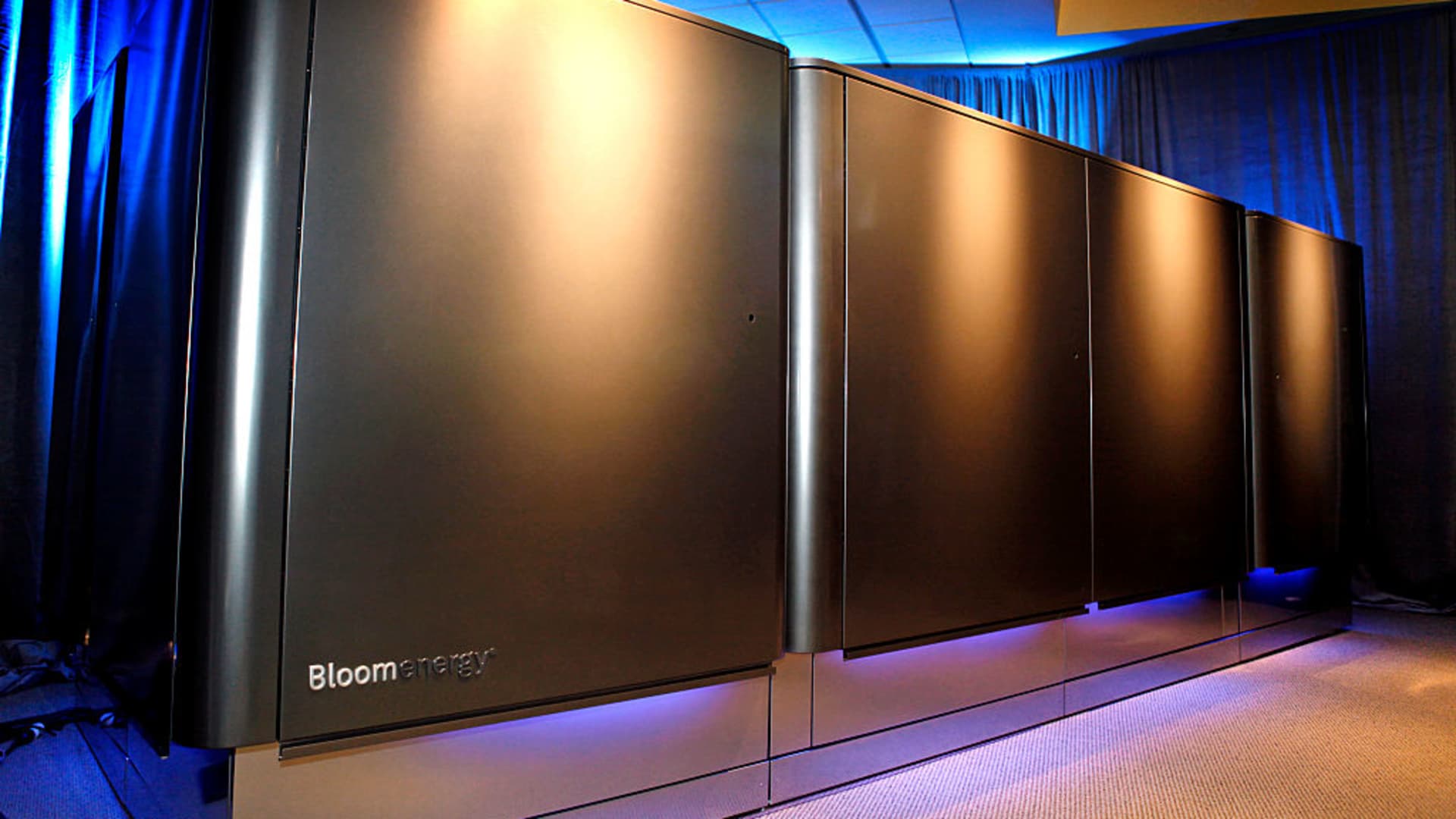
Bloom Energy Shares Surge to Record High Amid AI Demand

- Stock Surge: Bloom Energy's shares jumped approximately 15% on Thursday to a record high of $330, up from about $285 the previous day, reflecting strong market confidence in its role in addressing artificial intelligence's electricity demands.
- Rising Power Demand: The company's mid-year data center power report indicated that 61% of data center developers would generate their own power if the grid couldn't meet their needs, presenting a significant market opportunity for Bloom's fuel cells.
- Key Contracts Signed: Oracle named Bloom as the sole power provider for its AI campus, Project Jupiter, which will draw up to 2.45 gigawatts from fuel cells, while Nebius Group signed a master agreement worth up to $2.6 billion, showcasing robust demand for Bloom's solutions.
- Significant Revenue Growth: Bloom's first-quarter revenue surged by approximately 130% year-over-year to $751 million, achieving a profit of $0.25 per share for the first time, with management raising full-year revenue guidance to imply about 80% growth, highlighting the company's strong performance in a rapidly expanding market.
See More
Bloom Energy's Mid-Year Report Highlights Surge in Data Center Power Demand
- Significant Revenue Growth: Bloom Energy's first-quarter revenue surged approximately 130% year-over-year to $751 million, reflecting strong demand for its fuel cells, which enabled the company to achieve a profit of $0.25 per share and its first positive operating cash flow.
- Positive Market Reaction: The company's stock jumped about 15% on Thursday to a record high of $330, indicating investor confidence in Bloom's solutions for AI power challenges, despite its current market value exceeding $90 billion and a high P/E ratio of 160 times.
- Self-Power Trend: The mid-year report revealed that 61% of data center developers would opt for self-generation if the grid falls short, a trend that could accelerate Bloom's market penetration, although it faces local community pushback and legislative hurdles.
- Major Contract Signings: Bloom Energy secured an exclusive power supply agreement with Oracle for up to 2.45 gigawatts for an AI campus in New Mexico, alongside a master agreement with Nebius Group worth up to $2.6 billion, showcasing the company's competitiveness in large-scale projects.
See More

Is It Possible to Retire on $500,000?


- Investment Return Requirements: To achieve a median U.S. household income of $88,510 from an initial investment of $500,000, an annual return of 17.7% is necessary, which is challenging but feasible with strategic investments.
- Social Security Impact: Including the average annual Social Security benefit of $26,148 reduces the required annual return to 12.5%, and for married couples receiving benefits, it drops to 7.2%, highlighting the critical role of Social Security in retirement planning.
- Ares Capital Advantages: As the largest publicly traded business development company, Ares Capital boasts a diversified portfolio worth $21.5 billion and offers a high dividend yield of 10.6%, having maintained stable or increasing dividends for 67 consecutive quarters, demonstrating strong profitability and resilience.
- Energy Transition Potential: Energy Transfer LP operates over 140,000 miles of pipelines, providing an attractive distribution yield of approximately 7.2%, with management projecting annual distribution growth of 3% to 5%, positioning the company strongly for growth amid energy transition trends.
See More
Ares Capital and Pfizer Offer High-Yield Stocks for Retirement
- Stable Dividends from Ares Capital: Ares Capital (NASDAQ: ARCC), the largest publicly traded business development company, offers a high dividend yield of 10.6% and has maintained stable or increasing dividends for 67 consecutive quarters, demonstrating resilience and profitability even during economic crises.
- Tailwinds from Energy Transition: Energy Transfer (NYSE: ET), a leading midstream energy company in North America with over 140,000 miles of pipelines, expects to increase its distribution by 3% to 5% annually and benefits from the rapid build-out of AI data centers, enhancing its market position.
- Pfizer's Long-Term Commitment: Pfizer (NYSE: PFE) boasts a forward dividend yield of 6.8% and has increased its dividend for 16 consecutive years; despite facing patent expirations, the company is investing in new product development and acquisitions to bolster revenue growth potential, expecting solid growth beyond 2028.
- Retirement Investment Advice: While Ares Capital, Energy Transfer, and Pfizer present good investment options for retirement, relying solely on these three stocks is unwise; investors are advised to create a diversified portfolio to mitigate risks and enhance return potential.
See More
Oracle's Earnings Report Triggers Significant Stock Decline
- Strong Earnings Report: Oracle's latest earnings report reveals revenue and earnings growth exceeding 20%, with cloud revenue up 47%; however, the stock fell approximately 11% in pre-market trading, reflecting market concerns over rising capital expenditures.
- Rising Capital Expenditures: Oracle's capital spending for fiscal 2026 is projected to reach $55 billion, exceeding the initial $50 billion forecast, with plans to increase to $70 billion in 2027, raising investor concerns about the company's financial health.
- Customer Dependency Risk: Over 50% of Oracle's $638 billion remaining performance obligations come from OpenAI, indicating a diversification of its customer base, yet heavy reliance on a single client increases the company's risk profile.
- Negative Cash Flow Challenge: Oracle has reported negative free cash flow for the first time, with debt nearing $130 billion; the rapid increase in debt levels poses potential threats to the company's financial stability in the short term, necessitating close monitoring of its future capital management strategies.
See More
Analysis of Oracle's Earnings and Capital Spending Plans
- Strong Earnings Report: Oracle's latest earnings report revealed quarterly revenue and earnings growth exceeding 20%, with cloud revenue up 47%; however, the stock fell approximately 11% in pre-market trading primarily due to capital expenditures exceeding expectations, reaching $55 billion for fiscal 2026 compared to the anticipated $50 billion.
- Surge in Capital Expenditures: Oracle plans to increase capital spending to $70 billion in fiscal 2027, reflecting a strong investment demand for AI infrastructure, yet this has also led to a debt increase to nearly $130 billion, raising short-term risks for the company.
- Customer Dependency Risks: Of Oracle's $638 billion in remaining performance obligations, over 50% comes from OpenAI, indicating a diversification of its customer base; however, this heavy reliance on a single customer poses potential risks, especially amid intensifying competition in the AI market.
- IPO Market Dynamics: With companies like OpenAI and Anthropic planning to go public, Oracle's surge in capital needs and expenditures may be closely tied to the timing of these IPOs, reflecting strong investor interest in AI-related firms and the potential for high valuations in the current market.
See More
Bloom Energy Shares Surge to Record High Amid AI Demand
- Stock Surge: Bloom Energy's shares jumped approximately 15% on Thursday to a record high of $330, up from about $285 the previous day, reflecting strong market confidence in its role in addressing artificial intelligence's electricity demands.
- Rising Power Demand: The company's mid-year data center power report indicated that 61% of data center developers would generate their own power if the grid couldn't meet their needs, presenting a significant market opportunity for Bloom's fuel cells.
- Key Contracts Signed: Oracle named Bloom as the sole power provider for its AI campus, Project Jupiter, which will draw up to 2.45 gigawatts from fuel cells, while Nebius Group signed a master agreement worth up to $2.6 billion, showcasing robust demand for Bloom's solutions.
- Significant Revenue Growth: Bloom's first-quarter revenue surged by approximately 130% year-over-year to $751 million, achieving a profit of $0.25 per share for the first time, with management raising full-year revenue guidance to imply about 80% growth, highlighting the company's strong performance in a rapidly expanding market.
See More
Bloom Energy's Mid-Year Report Highlights Surge in Data Center Power Demand
- Significant Revenue Growth: Bloom Energy's first-quarter revenue surged approximately 130% year-over-year to $751 million, reflecting strong demand for its fuel cells, which enabled the company to achieve a profit of $0.25 per share and its first positive operating cash flow.
- Positive Market Reaction: The company's stock jumped about 15% on Thursday to a record high of $330, indicating investor confidence in Bloom's solutions for AI power challenges, despite its current market value exceeding $90 billion and a high P/E ratio of 160 times.
- Self-Power Trend: The mid-year report revealed that 61% of data center developers would opt for self-generation if the grid falls short, a trend that could accelerate Bloom's market penetration, although it faces local community pushback and legislative hurdles.
- Major Contract Signings: Bloom Energy secured an exclusive power supply agreement with Oracle for up to 2.45 gigawatts for an AI campus in New Mexico, alongside a master agreement with Nebius Group worth up to $2.6 billion, showcasing the company's competitiveness in large-scale projects.
See More
Is It Possible to Retire on $500,000?
- Investment Return Requirements: To achieve a median U.S. household income of $88,510 from an initial investment of $500,000, an annual return of 17.7% is necessary, which is challenging but feasible with strategic investments.
- Social Security Impact: Including the average annual Social Security benefit of $26,148 reduces the required annual return to 12.5%, and for married couples receiving benefits, it drops to 7.2%, highlighting the critical role of Social Security in retirement planning.
- Ares Capital Advantages: As the largest publicly traded business development company, Ares Capital boasts a diversified portfolio worth $21.5 billion and offers a high dividend yield of 10.6%, having maintained stable or increasing dividends for 67 consecutive quarters, demonstrating strong profitability and resilience.
- Energy Transition Potential: Energy Transfer LP operates over 140,000 miles of pipelines, providing an attractive distribution yield of approximately 7.2%, with management projecting annual distribution growth of 3% to 5%, positioning the company strongly for growth amid energy transition trends.
See More
Ares Capital and Pfizer Offer High-Yield Stocks for Retirement
- Stable Dividends from Ares Capital: Ares Capital (NASDAQ: ARCC), the largest publicly traded business development company, offers a high dividend yield of 10.6% and has maintained stable or increasing dividends for 67 consecutive quarters, demonstrating resilience and profitability even during economic crises.
- Tailwinds from Energy Transition: Energy Transfer (NYSE: ET), a leading midstream energy company in North America with over 140,000 miles of pipelines, expects to increase its distribution by 3% to 5% annually and benefits from the rapid build-out of AI data centers, enhancing its market position.
- Pfizer's Long-Term Commitment: Pfizer (NYSE: PFE) boasts a forward dividend yield of 6.8% and has increased its dividend for 16 consecutive years; despite facing patent expirations, the company is investing in new product development and acquisitions to bolster revenue growth potential, expecting solid growth beyond 2028.
- Retirement Investment Advice: While Ares Capital, Energy Transfer, and Pfizer present good investment options for retirement, relying solely on these three stocks is unwise; investors are advised to create a diversified portfolio to mitigate risks and enhance return potential.
See More