Analysis of Investment Opportunities in Data Centers
Written by Emily J. Thompson, Senior Investment Analyst
Updated: May 27 2026
0mins


Source: CNBC
- Portfolio Risk Assessment: The current portfolio has approximately 47% exposure to AI and data centers, which, while considered risky in a diversified strategy, reflects a strong confidence in the explosive growth of data centers.
- Semiconductor Stock Recommendations: With a forward P/E ratio of about 10, Micron still has room to rise, and AMD, Marvell, and Intel are also recommended due to their strong performance in CPUs and GPUs, potentially driving investment returns further.
- Storage and AI Hardware Investments: In the storage sector, Sandisk, Seagate, and Western Digital remain noteworthy stocks, while Dell's competitiveness in the AI hardware market makes it an attractive investment choice, expected to continue its growth trajectory.
- Investment Strategy and Discipline: Despite the confidence in data center investment opportunities, Jim Cramer emphasizes maintaining responsible diversification in managing the charitable trust to avoid over-concentration in any single stock, thereby mitigating potential risks.
Trade with 70% Backtested Accuracy
Stop guessing "Should I Buy SNDK?" and start using high-conviction signals backed by rigorous historical data.
Sign up today to access powerful investing tools and make smarter, data-driven decisions.
Analyst Views on SNDK
Wall Street analysts forecast SNDK stock price to fall
14 Analyst Rating
11 Buy
3 Hold
0 Sell
Strong Buy
Current: 2335.000

Low
220.00
Averages
283.69
High
410.00
Current: 2335.000
Low
220.00
Averages
283.69
High
410.00
About SNDK
SanDisk Corporation is a developer, manufacturer and provider of data storage devices and solutions based on NAND flash technology and has consumer brands and franchises globally. The Company's solutions include a range of solid state drives (SSDs) embedded products, removable cards, universal serial bus (USB) drives, and wafers and components. Its broad portfolio of technology and products addresses multiple end markets of Datacenter, Edge and Consumer. Its Datacenter end market is composed primarily of products for public or private cloud environments and enterprise customers. The Company, through the Edge end market, provides original equipment manufacturer and channel customers a broad array of high-performance flash solutions across personal computer, mobile, gaming, automotive, virtual reality headsets, at-home entertainment, and industrial spaces. The Company serves the Consumer end market with a broad range of retail and other end-user products.
About the author

Emily J. Thompson
Emily J. Thompson, a Chartered Financial Analyst (CFA) with 12 years in investment research, graduated with honors from the Wharton School. Specializing in industrial and technology stocks, she provides in-depth analysis for Intellectia’s earnings and market brief reports.

Sandisk Benefits from AI Infrastructure Boom

- Surging Market Demand: Sandisk's NAND flash and enterprise SSD demand has skyrocketed due to the rapid build-out of AI infrastructure, resulting in an 873% stock increase this year, making it the top performer in the Nasdaq-100 and indicating strong market potential.
- Earnings Model Shift: Sandisk has signed five multiyear supply agreements with a minimum total value of $42 billion, providing exceptional visibility into future sales and profits, significantly reducing cyclical risks associated with the memory market.
- Rising Earnings Expectations: Analysts project Sandisk's earnings per share (EPS) to reach approximately $65 in fiscal 2026, with a further increase to $183 in 2027, reflecting the company's robust profitability in a continuously expanding market.
- Significant Stock Price Potential: Should Sandisk achieve the $183 EPS target in 2027 while maintaining a 33x P/E ratio, its stock could soar to $6,000, representing a 160% increase from current levels, highlighting the strong upside potential of its shares.
See More

U.S. Stocks Close Lower on Friday, Chipmakers Weigh on Market
- Market Decline: The S&P 500 and Nasdaq 100 fell by 0.05% and 1.09% respectively on Friday, reaching two-week lows, indicating market sensitivity to the weak performance of chipmakers, which could undermine investor confidence.
- Chipmaker Sell-off: The significant drop in Samsung Electronics and SK Hynix shares led to a more than 5% decline in South Korea's Kospi Index, triggering a global downturn in semiconductor stocks and exacerbating market uncertainty.
- Oil Price Impact: WTI crude oil prices fell over 3% to a four-month low on Friday, which helps lower inflation expectations and supports the stock market, but also reflects potential slowdowns in global economic growth.
- Consumer Sentiment Revision: The University of Michigan's consumer sentiment index was revised upward by 0.6 to 49.5, although still below the expected 50.0, indicating a cautious consumer outlook that may affect future spending.
See More
Technology Weakness Drags Market Performance
- Market Decline: The S&P 500 fell 0.05% to 7,354.02, and the Nasdaq Composite dropped 0.24% to 25,297.62, indicating that weakness in technology stocks is negatively impacting overall market sentiment and investor confidence.
- Gold Price Surge: Gold prices increased by 0.96% to $4,086.40, reflecting a shift towards safe-haven assets amid rising market uncertainty, which underscores investor concerns about the economic outlook.
- Semiconductor Volatility: Following Micron Technology's strong earnings report, semiconductor stocks initially surged this week but retreated today due to changing market sentiment, highlighting investor worries about high valuations that could influence future investment strategies.
- Diverging Investor Sentiment: Despite strong fundamentals, billionaire Jeremy Grantham warned of potential risks associated with U.S. equities being at historically high valuations, emphasizing the need for long-term investors to focus on individual companies rather than broad sectors to navigate market fluctuations.
See More
Technology Weakness Drags Market Performance
- Market Decline: The S&P 500 fell 0.05% to 7,354.02, and the Nasdaq Composite dropped 0.24% to 25,297.62, indicating that weakness in technology stocks is negatively impacting overall market sentiment and investor confidence.
- Gold Price Surge: Gold prices increased by 0.96% to $4,086.40, reflecting a shift towards safe-haven assets amid market volatility, which could lead to increased demand for gold and influence investment strategies in related sectors.
- Semiconductor Volatility: Semiconductor stocks initially surged following Micron Technology's strong earnings report but reversed gains today due to changing market sentiment, highlighting the sector's high volatility and investor concerns over valuations.
- Diverging Investor Sentiment: While analysts warn of potential risks associated with historically high U.S. equity valuations, recent earnings reports indicate strong fundamentals, suggesting that long-term investors should focus on individual companies rather than broad sectors to navigate market uncertainties.
See More

Semiconductor Investors Enjoy Lucrative Year Amid AI Boom


- Market Volatility Intensifies: Since the AI boom began in early 2023, the PHLX Semiconductor Index has surged 429%, yet it has also faced seven separate declines of at least 10%, highlighting the high-risk nature of semiconductor investments.
- OpenAI IPO Delay: According to a report from The New York Times, OpenAI plans to postpone its initial public offering until next year, a decision that could impact its future cash inflows and investments in AI infrastructure.
- Chip Demand Outlook: Despite short-term stock price fluctuations, global AI infrastructure spending is expected to exceed $1 trillion annually by 2030, indicating sustained long-term demand for AI chips, providing savvy investors with opportunities to buy during market downturns.
- Impact on Major Chip Makers: The delay of OpenAI's IPO may affect companies like AMD, Broadcom, Micron, and Sandisk, as these firms supply critical components for AI processing, and the postponement could limit their market growth potential.
See More
OpenAI's IPO Delay Impacts AI Chip Stocks
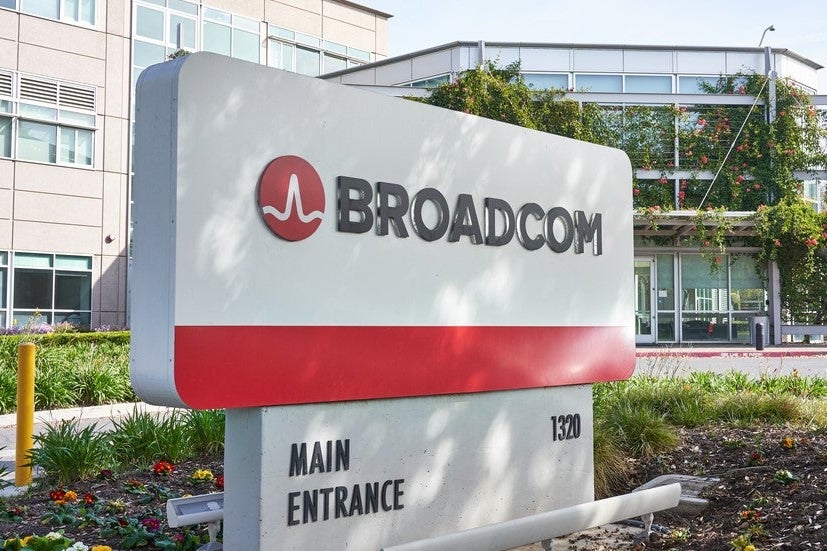
- IPO Delay Impact: OpenAI's decision to postpone its IPO until next year has led to significant declines in AI chip stocks, including AMD, Broadcom, and Micron, which fell over 5% in early trading, indicating market uncertainty regarding the future of the AI sector.
- Increased Market Volatility: The PHLX Semiconductor Index has surged 429% since early 2023 but has also experienced at least seven separate declines of over 10%, reflecting investor sentiment fluctuations, particularly following the volatile response to SpaceX's IPO.
- Funding Inflow Constraints: OpenAI aimed for a valuation exceeding $1 trillion through its IPO, but the delay may hinder future capital inflows, limiting investments in AI infrastructure, especially for supporting its ChatGPT models.
- Long-Term Demand Outlook: Despite short-term stock price fluctuations, global AI infrastructure spending is projected to exceed $1 trillion annually by 2030, providing a sustained demand for AI chips, allowing investors to seek buying opportunities during temporary market downturns.
See More
Sandisk Benefits from AI Infrastructure Boom
- Surging Market Demand: Sandisk's NAND flash and enterprise SSD demand has skyrocketed due to the rapid build-out of AI infrastructure, resulting in an 873% stock increase this year, making it the top performer in the Nasdaq-100 and indicating strong market potential.
- Earnings Model Shift: Sandisk has signed five multiyear supply agreements with a minimum total value of $42 billion, providing exceptional visibility into future sales and profits, significantly reducing cyclical risks associated with the memory market.
- Rising Earnings Expectations: Analysts project Sandisk's earnings per share (EPS) to reach approximately $65 in fiscal 2026, with a further increase to $183 in 2027, reflecting the company's robust profitability in a continuously expanding market.
- Significant Stock Price Potential: Should Sandisk achieve the $183 EPS target in 2027 while maintaining a 33x P/E ratio, its stock could soar to $6,000, representing a 160% increase from current levels, highlighting the strong upside potential of its shares.
See More
U.S. Stocks Close Lower on Friday, Chipmakers Weigh on Market
- Market Decline: The S&P 500 and Nasdaq 100 fell by 0.05% and 1.09% respectively on Friday, reaching two-week lows, indicating market sensitivity to the weak performance of chipmakers, which could undermine investor confidence.
- Chipmaker Sell-off: The significant drop in Samsung Electronics and SK Hynix shares led to a more than 5% decline in South Korea's Kospi Index, triggering a global downturn in semiconductor stocks and exacerbating market uncertainty.
- Oil Price Impact: WTI crude oil prices fell over 3% to a four-month low on Friday, which helps lower inflation expectations and supports the stock market, but also reflects potential slowdowns in global economic growth.
- Consumer Sentiment Revision: The University of Michigan's consumer sentiment index was revised upward by 0.6 to 49.5, although still below the expected 50.0, indicating a cautious consumer outlook that may affect future spending.
See More
Technology Weakness Drags Market Performance
- Market Decline: The S&P 500 fell 0.05% to 7,354.02, and the Nasdaq Composite dropped 0.24% to 25,297.62, indicating that weakness in technology stocks is negatively impacting overall market sentiment and investor confidence.
- Gold Price Surge: Gold prices increased by 0.96% to $4,086.40, reflecting a shift towards safe-haven assets amid rising market uncertainty, which underscores investor concerns about the economic outlook.
- Semiconductor Volatility: Following Micron Technology's strong earnings report, semiconductor stocks initially surged this week but retreated today due to changing market sentiment, highlighting investor worries about high valuations that could influence future investment strategies.
- Diverging Investor Sentiment: Despite strong fundamentals, billionaire Jeremy Grantham warned of potential risks associated with U.S. equities being at historically high valuations, emphasizing the need for long-term investors to focus on individual companies rather than broad sectors to navigate market fluctuations.
See More
Technology Weakness Drags Market Performance
- Market Decline: The S&P 500 fell 0.05% to 7,354.02, and the Nasdaq Composite dropped 0.24% to 25,297.62, indicating that weakness in technology stocks is negatively impacting overall market sentiment and investor confidence.
- Gold Price Surge: Gold prices increased by 0.96% to $4,086.40, reflecting a shift towards safe-haven assets amid market volatility, which could lead to increased demand for gold and influence investment strategies in related sectors.
- Semiconductor Volatility: Semiconductor stocks initially surged following Micron Technology's strong earnings report but reversed gains today due to changing market sentiment, highlighting the sector's high volatility and investor concerns over valuations.
- Diverging Investor Sentiment: While analysts warn of potential risks associated with historically high U.S. equity valuations, recent earnings reports indicate strong fundamentals, suggesting that long-term investors should focus on individual companies rather than broad sectors to navigate market uncertainties.
See More
Semiconductor Investors Enjoy Lucrative Year Amid AI Boom
- Market Volatility Intensifies: Since the AI boom began in early 2023, the PHLX Semiconductor Index has surged 429%, yet it has also faced seven separate declines of at least 10%, highlighting the high-risk nature of semiconductor investments.
- OpenAI IPO Delay: According to a report from The New York Times, OpenAI plans to postpone its initial public offering until next year, a decision that could impact its future cash inflows and investments in AI infrastructure.
- Chip Demand Outlook: Despite short-term stock price fluctuations, global AI infrastructure spending is expected to exceed $1 trillion annually by 2030, indicating sustained long-term demand for AI chips, providing savvy investors with opportunities to buy during market downturns.
- Impact on Major Chip Makers: The delay of OpenAI's IPO may affect companies like AMD, Broadcom, Micron, and Sandisk, as these firms supply critical components for AI processing, and the postponement could limit their market growth potential.
See More
OpenAI's IPO Delay Impacts AI Chip Stocks
- IPO Delay Impact: OpenAI's decision to postpone its IPO until next year has led to significant declines in AI chip stocks, including AMD, Broadcom, and Micron, which fell over 5% in early trading, indicating market uncertainty regarding the future of the AI sector.
- Increased Market Volatility: The PHLX Semiconductor Index has surged 429% since early 2023 but has also experienced at least seven separate declines of over 10%, reflecting investor sentiment fluctuations, particularly following the volatile response to SpaceX's IPO.
- Funding Inflow Constraints: OpenAI aimed for a valuation exceeding $1 trillion through its IPO, but the delay may hinder future capital inflows, limiting investments in AI infrastructure, especially for supporting its ChatGPT models.
- Long-Term Demand Outlook: Despite short-term stock price fluctuations, global AI infrastructure spending is projected to exceed $1 trillion annually by 2030, providing a sustained demand for AI chips, allowing investors to seek buying opportunities during temporary market downturns.
See More