Analysis of Chinese EV Market Prospects in the U.S.
Written by Emily J. Thompson, Senior Investment Analyst
Updated: Jun 06 2026
0mins
Source: CNBC
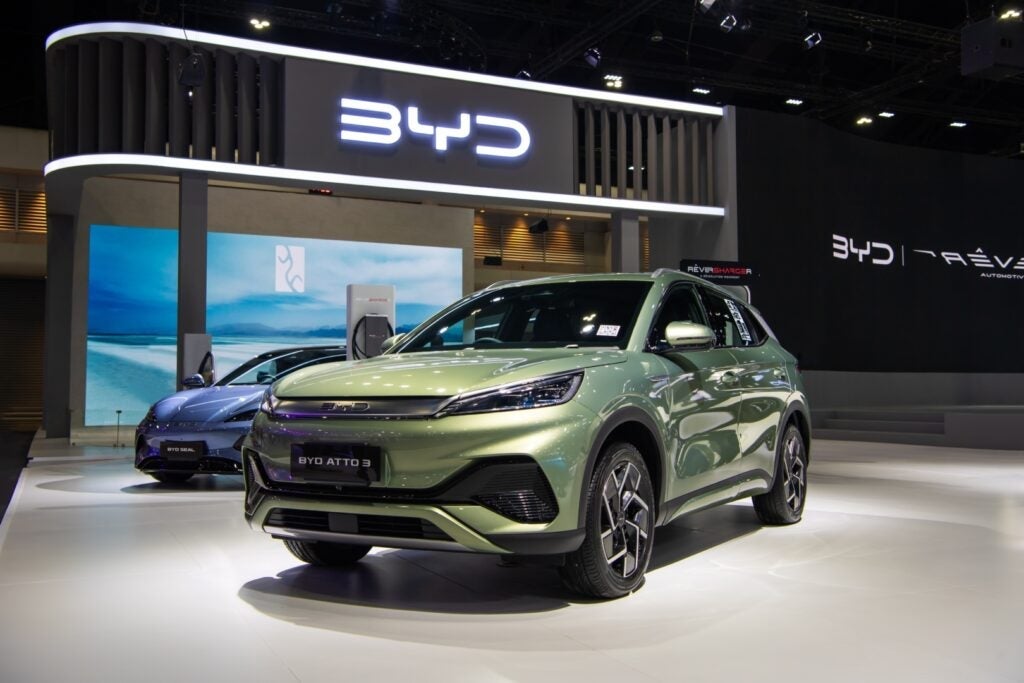
- Market Expansion Potential: China is projected to produce 16 million electric vehicles in 2025, exceeding domestic demand by 20%, which will double exports to 2.5 million units, highlighting China's dominance in the global EV market.
- U.S. Market Challenges: Despite import restrictions on Chinese EVs, sales in Mexico and Canada account for 25% of total sales, paving the way for potential future entry into the U.S. market.
- Collaboration Opportunities: U.S. automakers like Ford and GM are forming partnerships with Chinese companies, with Ford's negotiations with Geely indicating American interest in Chinese EVs, which could enhance technology sharing and competitiveness.
- Policy Barriers and Opportunities: While Congress has proposed a ban on Chinese vehicles, experts believe that future joint ventures and localized production could still allow for the legal sale of Chinese EVs in the U.S.
Trade with 70% Backtested Accuracy
Stop guessing "Should I Buy STLA?" and start using high-conviction signals backed by rigorous historical data.
Sign up today to access powerful investing tools and make smarter, data-driven decisions.
Analyst Views on STLA
Wall Street analysts forecast STLA stock price to rise
14 Analyst Rating
7 Buy
7 Hold
0 Sell
Moderate Buy
Current: 5.810

Low
9.33
Averages
11.81
High
15.15
Current: 5.810
Low
9.33
Averages
11.81
High
15.15
About STLA
Stellantis N.V., formerly Fiat Chrysler Automobiles N.V., is a holding Company based in the Netherlands and operates as an automaker and a mobility provider. The Company is engaged in designing, engineering, manufacturing, distributing and selling vehicles, components and production systems. The Company has industrial operations in more than 30 countries and sells its vehicles directly or through distributors and dealers in more than 130 countries. The Company designs, manufactures, distributes and sells vehicles for the mass-market under the Abarth, Alfa Romeo, Chrysler, Dodge, Fiat, Fiat Professional, Jeep, Lancia and Ram brands. In addition, the Company designs, manufactures, distributes and sells luxury vehicles under the Maserati brand. The Company's brand portfolio also includes Peugeot, Citroen, DS Automobiles, Opel and Vauxhall. It offers a wide variety of vehicle choices from luxury and mainstream passenger vehicles to pickup trucks, sport utility vehicle (SUVs).
About the author

Emily J. Thompson
Emily J. Thompson, a Chartered Financial Analyst (CFA) with 12 years in investment research, graduated with honors from the Wharton School. Specializing in industrial and technology stocks, she provides in-depth analysis for Intellectia’s earnings and market brief reports.

Stellantis Downgraded by HSBC, Stock Drops


- Rating Downgrade Impact: HSBC downgraded Stellantis from Hold to Reduce and slashed its price target from 5.50 to 4, implying a potential 21% downside, which directly undermines market confidence in the company.
- Inventory Pressure Intensifies: As of June 2026, U.S. dealer inventory reached 93 days, an increase of approximately 120,000 units year-over-year, with HSBC warning that the company may need to repeat deep price cuts and production curtailments to clear similar inventory pressures, impacting future profitability.
- Frequent Recalls: Stellantis issued 19 recalls covering 2.5 million vehicles in 2026, which HSBC cited as a central quality concern, potentially further affecting consumer trust and sales performance.
- Italian Production Data: Although production data from Italy shows a 13.7% year-on-year increase to 252,223 vehicles in the first half of 2026, it still falls short of the government's target of 1 million units, highlighting the company's challenges in recovering production levels.
See More
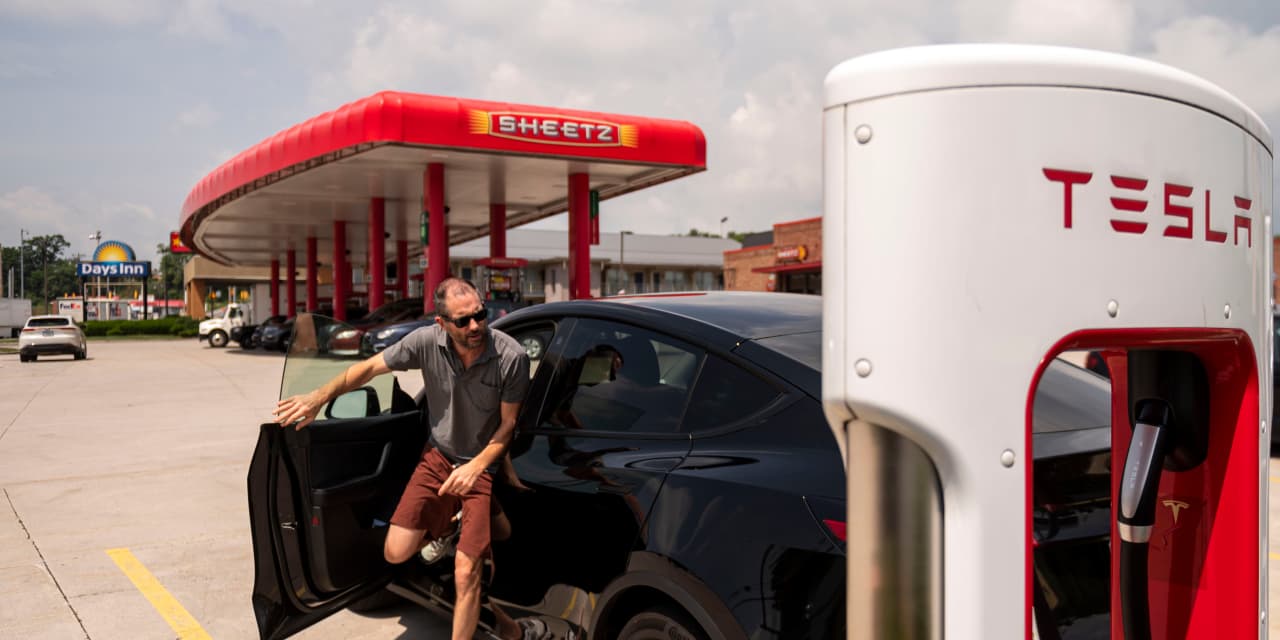
Ford Reports 10.3% Drop in Q2 US Sales Amid EV Demand Decline


- Sales Decline: Ford's Q2 US sales fell 10.3% to 549,200 vehicles, primarily due to weak electric vehicle demand and declines in F-Series and SUV volumes, resulting in a 9.6% year-over-year drop in first-half sales to just over 1 million, indicating increasing market competition pressures.
- Weak EV Sales: Ford's electric vehicle sales plummeted 40.7% in Q2 to 9,746 units, with the Mustang Mach-E down 30.9% and the discontinued F-150 Lightning down 58.6%, reflecting an overall slump in the EV market and posing challenges to Ford's market share in this segment.
- F-Series Performance Issues: The F-Series, America's best-selling truck, saw an 11% drop in Q2 sales to 197,900 units and a 13.3% decline in the first half, with Ford attributing this to a retiming of commercial production rather than demand weakness, although it still outsold the Chevrolet Silverado by over 80,000 trucks.
- New Model Plans: Ford is retooling its Louisville Assembly Plant to launch an affordable small electric pickup priced under $30,000 next year, with CEO Farley emphasizing that this model will cater to multiple market needs and is expected to drive future sales growth.
See More

Stellantis Reports 5% Vehicle Sales Growth in H1 2026
- Sales Growth: Stellantis sold 634,187 vehicles in the first half of 2026, marking a 5% year-over-year increase driven by heightened demand for the Jeep Grand Wagoneer, indicating signs of market recovery.
- June Sales Performance: In June alone, sales rose by 10%, while the second quarter saw a 6% increase compared to the same period last year, showcasing the company's strong performance in a competitive market.
- Strategic Goals: This upward sales trajectory positions the company to potentially achieve its FaSTLAne goal of 25% revenue growth and 35% volume growth by 2030, alongside a 50% increase in market coverage, laying a solid foundation for future expansion.
- Stock Price Recovery: After hitting a six-year low on Monday, Stellantis shares have risen for a second consecutive day, reflecting a gradual restoration of investor confidence in the company's future prospects.
See More
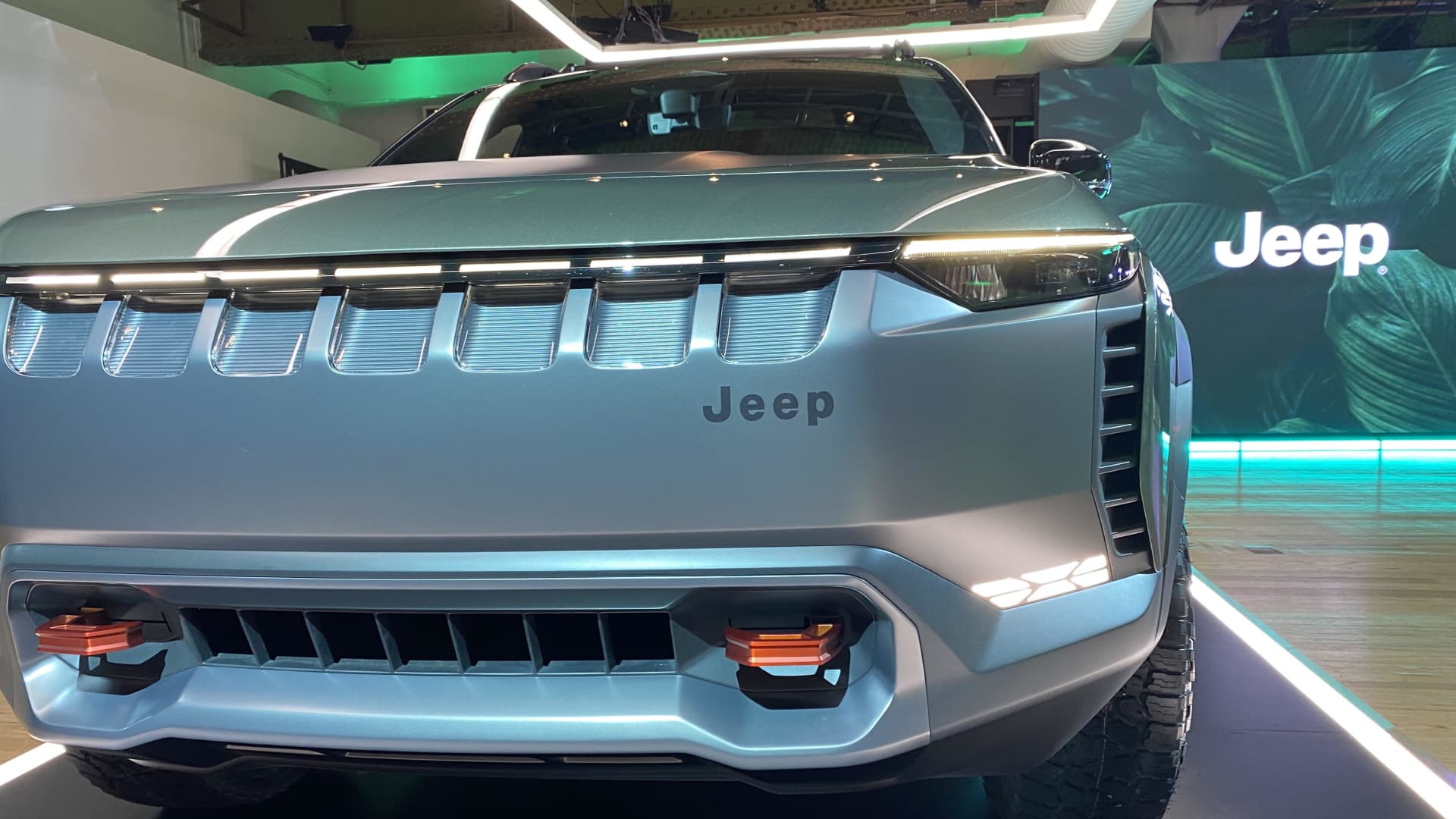
Stellantis Reports 5% U.S. Sales Growth in H1 2026
- Sales Growth Highlights: Stellantis achieved a 5% increase in U.S. sales for H1 2026, with Q2 sales rising by 6% and June showing a 10% year-over-year increase, indicating robust market demand and brand appeal.
- Strong Retail Performance: Retail sales for the Jeep Grand Wagoneer, Ram 1500, Dodge Durango, and Chrysler Pacifica grew by 43%, 9%, 9%, and 7% respectively, reflecting a sustained consumer preference for these models and further solidifying market share.
- New Model Launch Plans: The company plans to introduce all-new models including the Jeep Cherokee hybrid, Dodge Durango R/T 392, and Ram 1500 TRX in the second half, aiming to attract more consumers and enhance sales performance through a diversified product lineup.
- Strategic Goal Alignment: This sales growth aligns with the targets set in the FaSTLAne 2030 strategic plan, which aims for a 35% increase in volume and 25% in revenue by 2030, demonstrating the company's confidence in future market expansion.
See More
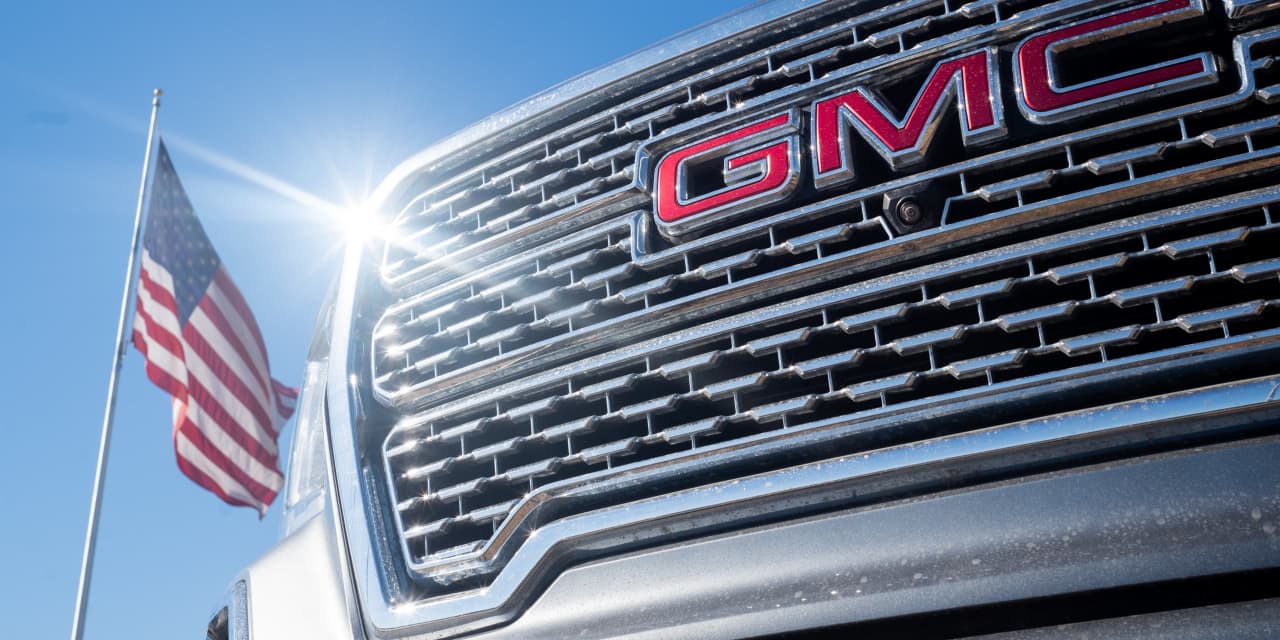
GM Reports 4.2% Decline in Q2 US Sales Amid Strong Truck Demand
- Sales Overview: GM reported approximately 715,000 US vehicle sales in Q2, a 4.2% year-over-year decline primarily attributed to discontinued models, resulting in over 12,000 units lost from vehicles like the Cadillac XT4, XT6, and Chevrolet Malibu.
- EV Sales Decline: The automaker faced significant setbacks in EV sales, with Chevrolet Equinox EV sales plummeting 61.8% to 6,660 units, and the Blazer EV down 68.1%, while the GMC Hummer EV and Cadillac Lyriq saw declines of 56.8% and 16.1%, respectively, following the expiration of the federal EV tax credit.
- Strong Truck and SUV Performance: Despite the overall sales drop, GM's GMC Sierra pickup sales rose 5% to 95,147 units, marking its best quarter ever, with an 11.3% increase in light-duty Sierra sales, indicating robust customer demand for these segments.
- Pricing and Inventory Management: GM's average transaction price in Q2 exceeded $52,400, reflecting its mix of trucks, SUVs, and luxury vehicles, while maintaining incentives below the industry average for three consecutive years, showcasing effective pricing discipline.
See More
USMCA Uncertainty Grows as Extension Deadline Approaches
- Trade Agreement Crisis: The USMCA is not expected to be extended by Wednesday, potentially leading to a years-long review process, and if no deal is reached, the pact will expire in 2036, creating uncertainty for the auto industry that could impact investments and jobs.
- Industry Dependency: The auto sector accounted for 18% of U.S. trade with neighboring countries last year, meaning any changes to the agreement will directly affect this critical industry, potentially leading to reduced investments and job losses.
- Regulatory Challenges: The Trump administration aims to raise the regional value content requirement for passenger vehicles and light trucks from 75% to 82%, with 50% produced in the U.S., which will increase production costs and may lead companies to source cheaper parts from abroad.
- Investment Outlook: Since its implementation, the USMCA has driven $182 billion in North American investments, with 86% announced for the U.S., and despite the uncertainty, industry leaders are advocating for trilateral cooperation to extend the agreement and stabilize the economic foundation.
See More
Stellantis Downgraded by HSBC, Stock Drops
- Rating Downgrade Impact: HSBC downgraded Stellantis from Hold to Reduce and slashed its price target from 5.50 to 4, implying a potential 21% downside, which directly undermines market confidence in the company.
- Inventory Pressure Intensifies: As of June 2026, U.S. dealer inventory reached 93 days, an increase of approximately 120,000 units year-over-year, with HSBC warning that the company may need to repeat deep price cuts and production curtailments to clear similar inventory pressures, impacting future profitability.
- Frequent Recalls: Stellantis issued 19 recalls covering 2.5 million vehicles in 2026, which HSBC cited as a central quality concern, potentially further affecting consumer trust and sales performance.
- Italian Production Data: Although production data from Italy shows a 13.7% year-on-year increase to 252,223 vehicles in the first half of 2026, it still falls short of the government's target of 1 million units, highlighting the company's challenges in recovering production levels.
See More
Ford Reports 10.3% Drop in Q2 US Sales Amid EV Demand Decline
- Sales Decline: Ford's Q2 US sales fell 10.3% to 549,200 vehicles, primarily due to weak electric vehicle demand and declines in F-Series and SUV volumes, resulting in a 9.6% year-over-year drop in first-half sales to just over 1 million, indicating increasing market competition pressures.
- Weak EV Sales: Ford's electric vehicle sales plummeted 40.7% in Q2 to 9,746 units, with the Mustang Mach-E down 30.9% and the discontinued F-150 Lightning down 58.6%, reflecting an overall slump in the EV market and posing challenges to Ford's market share in this segment.
- F-Series Performance Issues: The F-Series, America's best-selling truck, saw an 11% drop in Q2 sales to 197,900 units and a 13.3% decline in the first half, with Ford attributing this to a retiming of commercial production rather than demand weakness, although it still outsold the Chevrolet Silverado by over 80,000 trucks.
- New Model Plans: Ford is retooling its Louisville Assembly Plant to launch an affordable small electric pickup priced under $30,000 next year, with CEO Farley emphasizing that this model will cater to multiple market needs and is expected to drive future sales growth.
See More
Stellantis Reports 5% Vehicle Sales Growth in H1 2026
- Sales Growth: Stellantis sold 634,187 vehicles in the first half of 2026, marking a 5% year-over-year increase driven by heightened demand for the Jeep Grand Wagoneer, indicating signs of market recovery.
- June Sales Performance: In June alone, sales rose by 10%, while the second quarter saw a 6% increase compared to the same period last year, showcasing the company's strong performance in a competitive market.
- Strategic Goals: This upward sales trajectory positions the company to potentially achieve its FaSTLAne goal of 25% revenue growth and 35% volume growth by 2030, alongside a 50% increase in market coverage, laying a solid foundation for future expansion.
- Stock Price Recovery: After hitting a six-year low on Monday, Stellantis shares have risen for a second consecutive day, reflecting a gradual restoration of investor confidence in the company's future prospects.
See More
Stellantis Reports 5% U.S. Sales Growth in H1 2026
- Sales Growth Highlights: Stellantis achieved a 5% increase in U.S. sales for H1 2026, with Q2 sales rising by 6% and June showing a 10% year-over-year increase, indicating robust market demand and brand appeal.
- Strong Retail Performance: Retail sales for the Jeep Grand Wagoneer, Ram 1500, Dodge Durango, and Chrysler Pacifica grew by 43%, 9%, 9%, and 7% respectively, reflecting a sustained consumer preference for these models and further solidifying market share.
- New Model Launch Plans: The company plans to introduce all-new models including the Jeep Cherokee hybrid, Dodge Durango R/T 392, and Ram 1500 TRX in the second half, aiming to attract more consumers and enhance sales performance through a diversified product lineup.
- Strategic Goal Alignment: This sales growth aligns with the targets set in the FaSTLAne 2030 strategic plan, which aims for a 35% increase in volume and 25% in revenue by 2030, demonstrating the company's confidence in future market expansion.
See More
GM Reports 4.2% Decline in Q2 US Sales Amid Strong Truck Demand
- Sales Overview: GM reported approximately 715,000 US vehicle sales in Q2, a 4.2% year-over-year decline primarily attributed to discontinued models, resulting in over 12,000 units lost from vehicles like the Cadillac XT4, XT6, and Chevrolet Malibu.
- EV Sales Decline: The automaker faced significant setbacks in EV sales, with Chevrolet Equinox EV sales plummeting 61.8% to 6,660 units, and the Blazer EV down 68.1%, while the GMC Hummer EV and Cadillac Lyriq saw declines of 56.8% and 16.1%, respectively, following the expiration of the federal EV tax credit.
- Strong Truck and SUV Performance: Despite the overall sales drop, GM's GMC Sierra pickup sales rose 5% to 95,147 units, marking its best quarter ever, with an 11.3% increase in light-duty Sierra sales, indicating robust customer demand for these segments.
- Pricing and Inventory Management: GM's average transaction price in Q2 exceeded $52,400, reflecting its mix of trucks, SUVs, and luxury vehicles, while maintaining incentives below the industry average for three consecutive years, showcasing effective pricing discipline.
See More
USMCA Uncertainty Grows as Extension Deadline Approaches
- Trade Agreement Crisis: The USMCA is not expected to be extended by Wednesday, potentially leading to a years-long review process, and if no deal is reached, the pact will expire in 2036, creating uncertainty for the auto industry that could impact investments and jobs.
- Industry Dependency: The auto sector accounted for 18% of U.S. trade with neighboring countries last year, meaning any changes to the agreement will directly affect this critical industry, potentially leading to reduced investments and job losses.
- Regulatory Challenges: The Trump administration aims to raise the regional value content requirement for passenger vehicles and light trucks from 75% to 82%, with 50% produced in the U.S., which will increase production costs and may lead companies to source cheaper parts from abroad.
- Investment Outlook: Since its implementation, the USMCA has driven $182 billion in North American investments, with 86% announced for the U.S., and despite the uncertainty, industry leaders are advocating for trilateral cooperation to extend the agreement and stabilize the economic foundation.
See More