American Airlines to Equip 500 Aircraft with Starlink Wi-Fi
Written by Emily J. Thompson, Senior Investment Analyst
Updated: 2 days ago
0mins


Source: Newsfilter
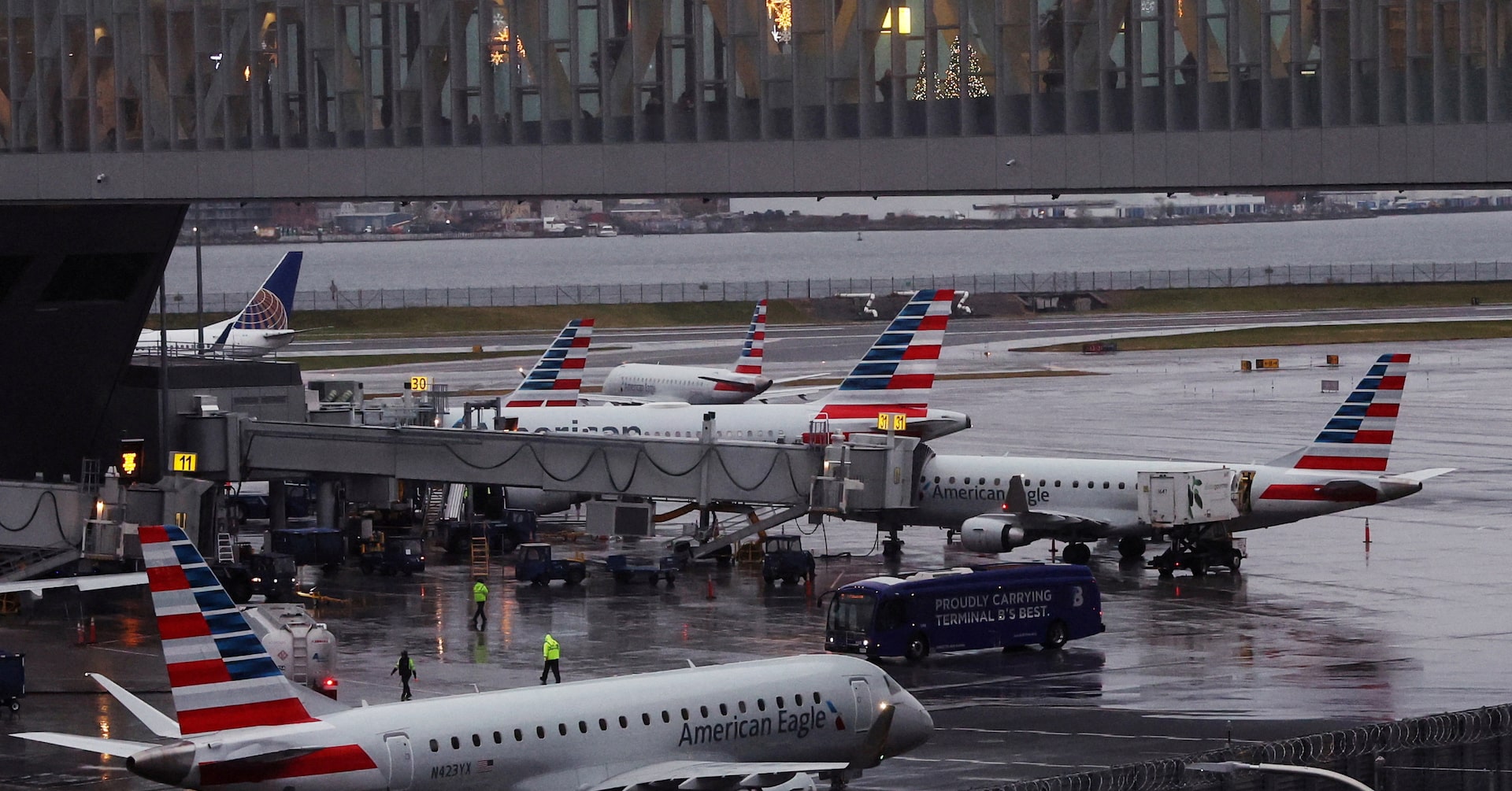
- Flight Network Upgrade: American Airlines announced it will equip over 500 narrow-body aircraft with Starlink in-flight Wi-Fi starting in Q1 2027, aiming to enhance internet connectivity on domestic and short-haul international routes to meet the soaring demand for premium travel post-pandemic.
- Intensified Market Competition: As airlines worldwide rush to upgrade their fleets to offer faster and more reliable in-flight internet services, this move by American Airlines will help attract more customers in a highly competitive market, particularly in the premium travel segment.
- Strengthened Partnerships: Currently, American Airlines partners with AT&T to provide free Wi-Fi for nearly all flights to loyalty program members, and the collaboration with Starlink will further enhance service differentiation, boosting customer satisfaction and loyalty.
- Industry Trend: Starlink, as the only profitable business unit of SpaceX, has secured deals with several U.S. airlines, showcasing its strong appeal and growth potential in the aviation market, which is expected to drive revenue growth for American Airlines.
Trade with 70% Backtested Accuracy
Stop guessing "Should I Buy AAL?" and start using high-conviction signals backed by rigorous historical data.
Sign up today to access powerful investing tools and make smarter, data-driven decisions.
Analyst Views on AAL
Wall Street analysts forecast AAL stock price to rise
15 Analyst Rating
7 Buy
7 Hold
1 Sell
Moderate Buy
Current: 14.650

Low
11.00
Averages
17.93
High
22.00
Current: 14.650
Low
11.00
Averages
17.93
High
22.00
About AAL
American Airlines Group Inc. is a holding company. Its primary business activity is the operation of a major network air carrier, providing scheduled air transportation for passengers and cargo through its hubs in Charlotte, Chicago, Dallas/Fort Worth, Los Angeles, Miami, New York, Philadelphia, Phoenix and Washington, D.C. and partner gateways, including in London, Doha, Madrid, Seattle/Tacoma, Sydney and Tokyo, among others. Together with its regional airline subsidiaries and third-party regional carriers operating as American Eagle. Its cargo division provides a wide range of freight and mail services, with facilities and interline connections available across the globe. It operates approximately 977 mainline aircraft supported by its regional airline subsidiaries and third-party regional carriers, which together operate an additional 585 regional aircraft. Its subsidiaries include American Airlines, Inc., Envoy Aviation Group Inc., PSA Airlines, Inc. and Piedmont Airlines, Inc.
About the author

Emily J. Thompson
Emily J. Thompson, a Chartered Financial Analyst (CFA) with 12 years in investment research, graduated with honors from the Wharton School. Specializing in industrial and technology stocks, she provides in-depth analysis for Intellectia’s earnings and market brief reports.
American Airlines Maintains Full-Year Profit Outlook Amid Rising Fuel Costs
- Rising Fuel Costs: Despite a sharp increase in fuel prices, American Airlines CEO Robert Isom stated at a Bernstein investor conference that the airline is maintaining its full-year profit outlook, reflecting confidence in the market.
- Demand Growth Trend: Isom noted that while there is a K-shaped demand pattern, overall travel demand is growing, with bookings for the second quarter at about 80% and corporate travel up 13% year-over-year, indicating strong demand from higher-income travelers.
- Revenue Expectations: The airline anticipates a 15% increase in second-quarter revenue, supported by approximately 5% capacity growth, implying around 10% unit revenue growth, showcasing the company's competitive position in the market.
- Profit Forecast Adjustment: Although the airline cut its 2026 profit forecast last month, expecting fuel costs to rise by over $4 billion, it continues to work on managing cost pressures while maintaining confidence in its profitability.
See More

US-Iran Conflict Escalates, Oil Prices Surge Amid Economic Uncertainty


- Escalation of US-Iran Conflict: Following weeks of paused action, the US and Iran have resumed airstrikes, complicating hopes for a permanent resolution to the conflict, which is impacting global oil supplies and market sentiment.
- Strong Stock Market Performance: Despite rising geopolitical tensions, both the S&P 500 and Nasdaq Composite closed at record highs, primarily driven by a surge in AI-related stocks, indicating strong market confidence in the technology sector.
- Oil Price Warning: ExxonMobil has warned that oil inventories are on track to reach dangerously low levels in the coming weeks, forcing prices to spike and curbing demand, reflecting market concerns over energy supply.
- Wealthy Investors Pulling Out: According to the UBS Global Family Office Report, 60% of family offices plan to adjust their investment allocations in the next year, with many reducing US holdings and increasing exposure to emerging markets, highlighting a growing trend of 'de-dollarization'.
See More
Trump's Plan Could Devastate U.S. Travel Industry

- International Travel Warning: Airlines and hotel groups are warning that the Trump administration's plan to shut down international travel to U.S. 'sanctuary' cities, particularly New York and Los Angeles, could severely damage the American travel industry.
- Policy Impact: Homeland Security Secretary Markwayne Mullin mentioned in an interview that his department is considering pulling Customs and Border Protection (CBP) agents from airports in these cities, potentially affecting cities like New York, Philadelphia, and Boston.
- Industry Response: The U.S. Travel Association confirmed that such a move would have 'devastating consequences for the travel industry and communities that depend on international visitation,' as discussed in a recent meeting with Mullin.
- Operational Disruption Risk: Airlines for America warned that reducing staffing at major airports would significantly disrupt operations for airlines, travelers, and the flow of international cargo, highlighting the critical nature of CBP personnel in maintaining travel efficiency.
See More
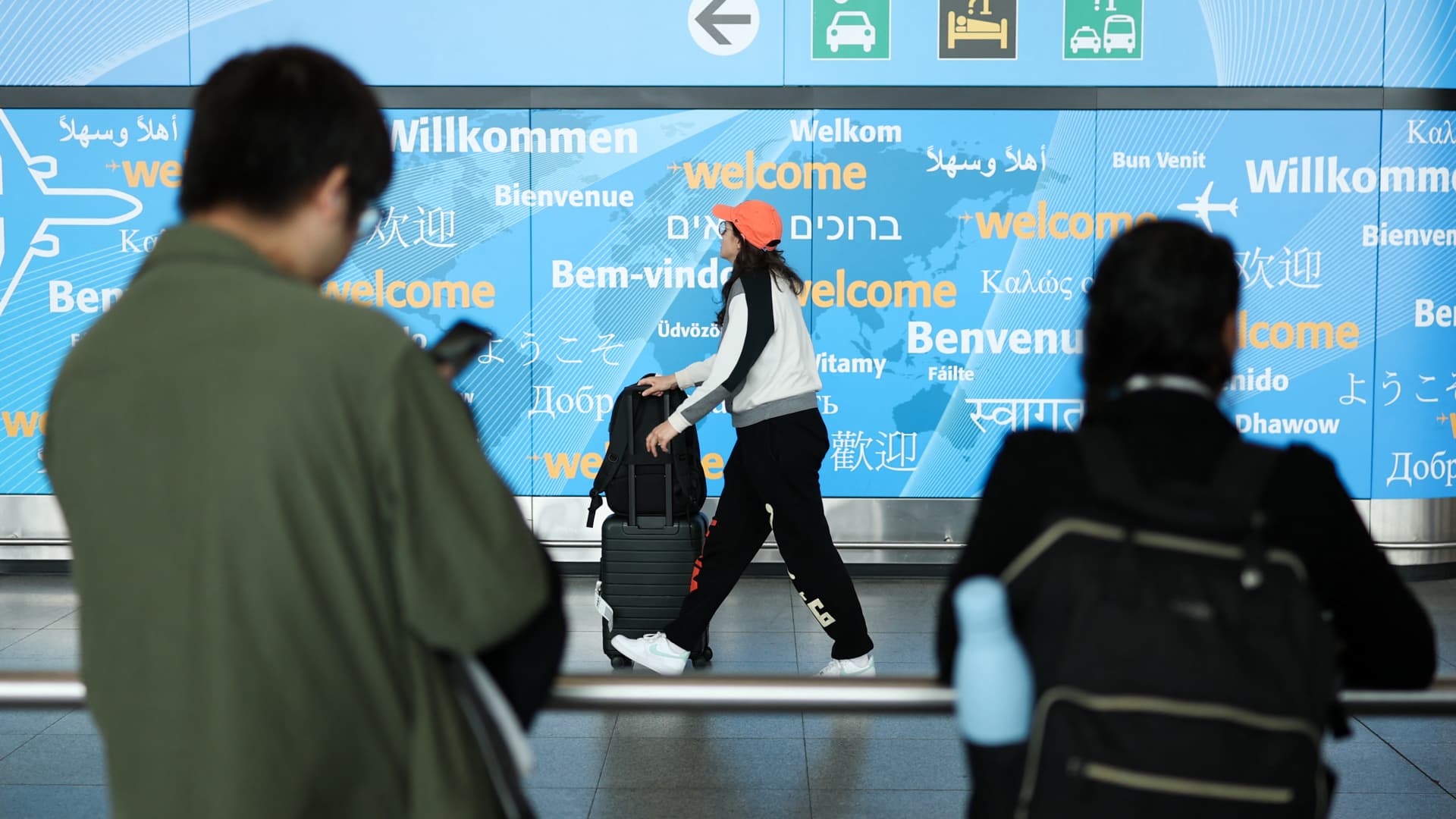
Airlines Warn of Immigration Policy Impact
- Industry Warning: Major U.S. airline and hotel groups have condemned the Trump administration's potential halt of customs and immigration processing at 'sanctuary city' airports, warning that such a move could have 'devastating' effects on the industry, particularly with the FIFA World Cup approaching, which is expected to draw millions of visitors.
- Policy Impact: Homeland Security Secretary Mark Mullin indicated that the government is considering stopping international flight processing in cities with lenient immigration policies, raising concerns about severe impacts on international flights, especially in major hubs like New York and Los Angeles.
- Operational Disruption Risk: Airlines for America warned that reducing Customs and Border Protection staffing at major airports would significantly disrupt airline and tourism operations, affecting traveler flow and international cargo transport, potentially leading to higher costs and inconveniences for airlines and travelers.
- Tourism Sector Damage: The U.S. Travel Association stated that implementing this policy would have 'devastating consequences' for communities reliant on international visitors, likely resulting in a significant downturn for hotels and tourism-related businesses, thereby impacting overall economic vitality.
See More
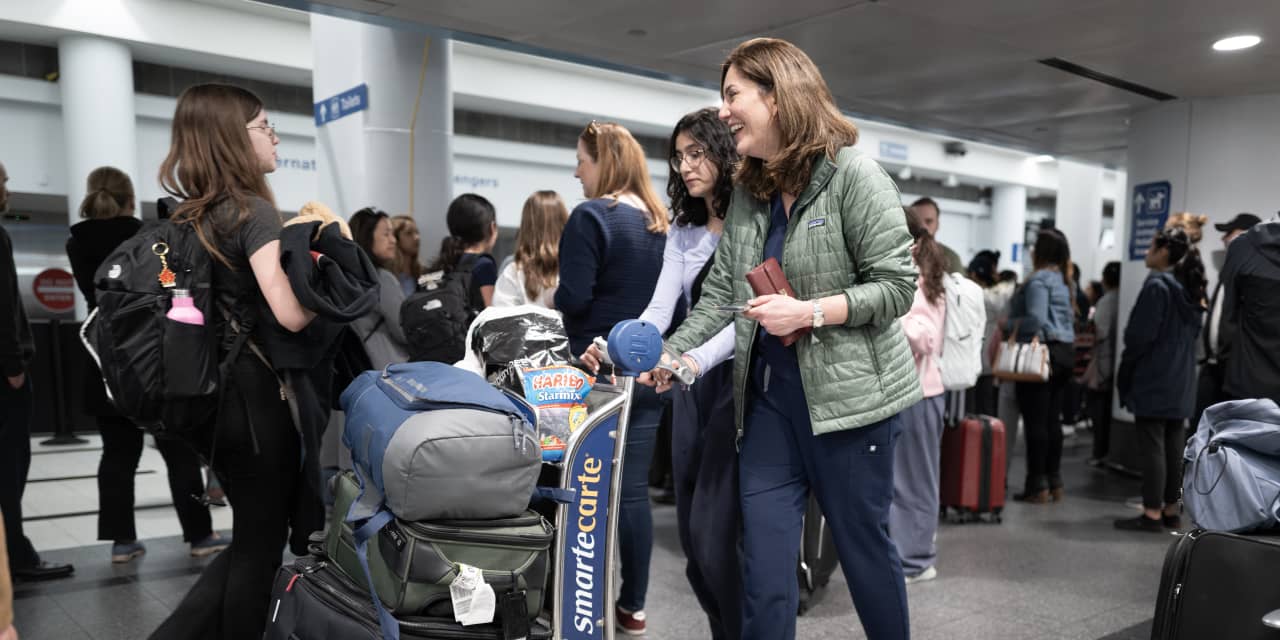
Immigration Policy May Impact International Flights
- Immigration Policy Controversy: Homeland Security Secretary Markwayne Mullin stated in a Fox News interview that if 'radical left Democrats' do not allow the government to enforce federal laws, international flights should not be processed, indicating a potential shift towards stricter immigration policies.
- Strong Industry Response: Major U.S. airlines and tourism groups warned that halting customs and immigration processing at 'sanctuary city' airports would have 'devastating' consequences for the industry and travelers, particularly with the upcoming international events.
- World Cup Approaching: Mullin's comments come just before the FIFA Men's World Cup, which is expected to bring millions of visitors to the U.S., Canada, and Mexico, raising concerns that such policies could disrupt the smooth operation of the event.
- Potential Operational Disruption: Airlines for America highlighted that reducing Customs and Border Protection staffing at major airports would significantly disrupt airline operations, traveler flow, and international cargo transport, potentially leading to a downturn in the industry.
See More
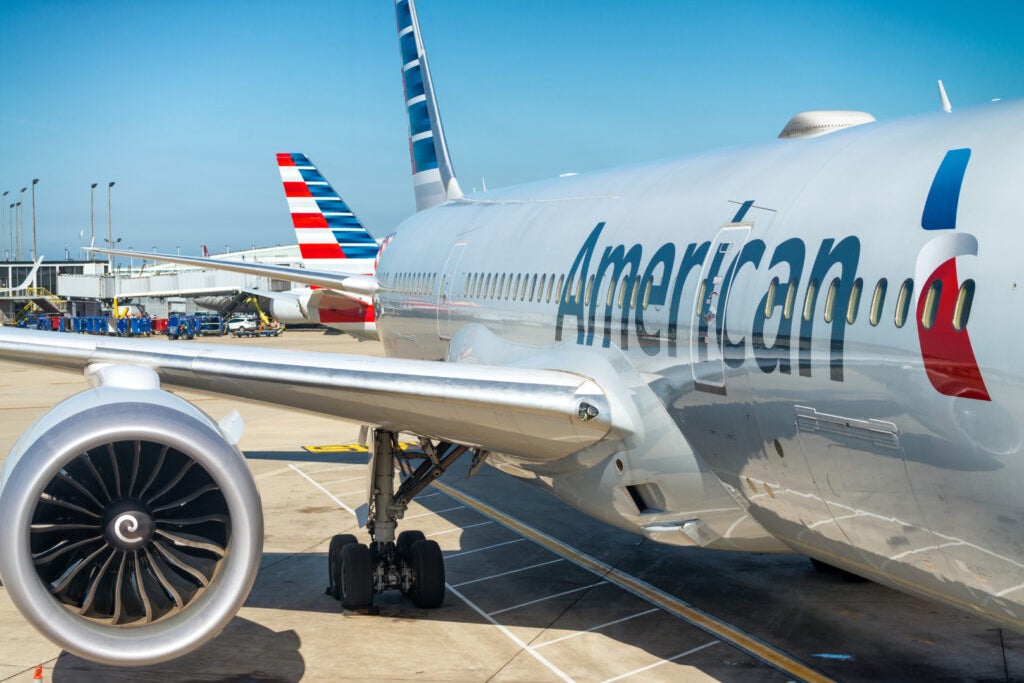
Rising Airfares Highlight K-Shaped Recovery in Travel
- Decline in Travel Plans: A recent Deloitte survey reveals that only 45% of Americans plan to travel this summer, the lowest in six years, with the middle-income group seeing a drop from 45% to 37%, indicating significant budget constraints affecting travel intentions.
- Affluent Travelers Active: Despite an overall decline in travel demand, high-income travelers remain active, as airline CEOs note that while economy fares have surged over 20%, premium cabin prices have only increased by 7%, making travel costs more manageable for wealthy customers.
- Shift in Travel Preferences: Budget-conscious consumers are opting for cheaper destinations and delaying bookings in hopes of lower fares, reflecting economic pressures on travel decisions, particularly as outbound international bookings have decreased by 25% year-over-year.
- Hotel Demand Disparity: Demand for economy hotels is softening, with some operators discounting to fill rooms, while higher-end hotels continue to see growth, highlighting the stark differences in travel spending among various income groups.
See More
American Airlines Maintains Full-Year Profit Outlook Amid Rising Fuel Costs
- Rising Fuel Costs: Despite a sharp increase in fuel prices, American Airlines CEO Robert Isom stated at a Bernstein investor conference that the airline is maintaining its full-year profit outlook, reflecting confidence in the market.
- Demand Growth Trend: Isom noted that while there is a K-shaped demand pattern, overall travel demand is growing, with bookings for the second quarter at about 80% and corporate travel up 13% year-over-year, indicating strong demand from higher-income travelers.
- Revenue Expectations: The airline anticipates a 15% increase in second-quarter revenue, supported by approximately 5% capacity growth, implying around 10% unit revenue growth, showcasing the company's competitive position in the market.
- Profit Forecast Adjustment: Although the airline cut its 2026 profit forecast last month, expecting fuel costs to rise by over $4 billion, it continues to work on managing cost pressures while maintaining confidence in its profitability.
See More
US-Iran Conflict Escalates, Oil Prices Surge Amid Economic Uncertainty
- Escalation of US-Iran Conflict: Following weeks of paused action, the US and Iran have resumed airstrikes, complicating hopes for a permanent resolution to the conflict, which is impacting global oil supplies and market sentiment.
- Strong Stock Market Performance: Despite rising geopolitical tensions, both the S&P 500 and Nasdaq Composite closed at record highs, primarily driven by a surge in AI-related stocks, indicating strong market confidence in the technology sector.
- Oil Price Warning: ExxonMobil has warned that oil inventories are on track to reach dangerously low levels in the coming weeks, forcing prices to spike and curbing demand, reflecting market concerns over energy supply.
- Wealthy Investors Pulling Out: According to the UBS Global Family Office Report, 60% of family offices plan to adjust their investment allocations in the next year, with many reducing US holdings and increasing exposure to emerging markets, highlighting a growing trend of 'de-dollarization'.
See More
Trump's Plan Could Devastate U.S. Travel Industry
- International Travel Warning: Airlines and hotel groups are warning that the Trump administration's plan to shut down international travel to U.S. 'sanctuary' cities, particularly New York and Los Angeles, could severely damage the American travel industry.
- Policy Impact: Homeland Security Secretary Markwayne Mullin mentioned in an interview that his department is considering pulling Customs and Border Protection (CBP) agents from airports in these cities, potentially affecting cities like New York, Philadelphia, and Boston.
- Industry Response: The U.S. Travel Association confirmed that such a move would have 'devastating consequences for the travel industry and communities that depend on international visitation,' as discussed in a recent meeting with Mullin.
- Operational Disruption Risk: Airlines for America warned that reducing staffing at major airports would significantly disrupt operations for airlines, travelers, and the flow of international cargo, highlighting the critical nature of CBP personnel in maintaining travel efficiency.
See More
Airlines Warn of Immigration Policy Impact
- Industry Warning: Major U.S. airline and hotel groups have condemned the Trump administration's potential halt of customs and immigration processing at 'sanctuary city' airports, warning that such a move could have 'devastating' effects on the industry, particularly with the FIFA World Cup approaching, which is expected to draw millions of visitors.
- Policy Impact: Homeland Security Secretary Mark Mullin indicated that the government is considering stopping international flight processing in cities with lenient immigration policies, raising concerns about severe impacts on international flights, especially in major hubs like New York and Los Angeles.
- Operational Disruption Risk: Airlines for America warned that reducing Customs and Border Protection staffing at major airports would significantly disrupt airline and tourism operations, affecting traveler flow and international cargo transport, potentially leading to higher costs and inconveniences for airlines and travelers.
- Tourism Sector Damage: The U.S. Travel Association stated that implementing this policy would have 'devastating consequences' for communities reliant on international visitors, likely resulting in a significant downturn for hotels and tourism-related businesses, thereby impacting overall economic vitality.
See More
Immigration Policy May Impact International Flights
- Immigration Policy Controversy: Homeland Security Secretary Markwayne Mullin stated in a Fox News interview that if 'radical left Democrats' do not allow the government to enforce federal laws, international flights should not be processed, indicating a potential shift towards stricter immigration policies.
- Strong Industry Response: Major U.S. airlines and tourism groups warned that halting customs and immigration processing at 'sanctuary city' airports would have 'devastating' consequences for the industry and travelers, particularly with the upcoming international events.
- World Cup Approaching: Mullin's comments come just before the FIFA Men's World Cup, which is expected to bring millions of visitors to the U.S., Canada, and Mexico, raising concerns that such policies could disrupt the smooth operation of the event.
- Potential Operational Disruption: Airlines for America highlighted that reducing Customs and Border Protection staffing at major airports would significantly disrupt airline operations, traveler flow, and international cargo transport, potentially leading to a downturn in the industry.
See More
Rising Airfares Highlight K-Shaped Recovery in Travel
- Decline in Travel Plans: A recent Deloitte survey reveals that only 45% of Americans plan to travel this summer, the lowest in six years, with the middle-income group seeing a drop from 45% to 37%, indicating significant budget constraints affecting travel intentions.
- Affluent Travelers Active: Despite an overall decline in travel demand, high-income travelers remain active, as airline CEOs note that while economy fares have surged over 20%, premium cabin prices have only increased by 7%, making travel costs more manageable for wealthy customers.
- Shift in Travel Preferences: Budget-conscious consumers are opting for cheaper destinations and delaying bookings in hopes of lower fares, reflecting economic pressures on travel decisions, particularly as outbound international bookings have decreased by 25% year-over-year.
- Hotel Demand Disparity: Demand for economy hotels is softening, with some operators discounting to fill rooms, while higher-end hotels continue to see growth, highlighting the stark differences in travel spending among various income groups.
See More