Alcoa's Earnings Cause Stock Decline—Should You Buy the Dip or Hold Off?

Strong Earnings Report: Alcoa Corp. reported a fourth-quarter earnings per share (EPS) of $1.26, exceeding estimates of $0.95, with revenues of $3.45 billion, surpassing expectations of $3.28 billion.
Stock Reaction: Despite the strong earnings, Alcoa's stock dropped about 5% at market open, potentially due to concerns about near-term pressures on earnings and cash flow.
Long-Term Outlook: Analysts remain bullish on Alcoa, highlighting improvements in profitability and cash generation, with management expressing confidence in favorable aluminum fundamentals and ongoing productivity initiatives.
Investment Strategy: Investors are advised to consider buying opportunities during pullbacks, as the stock has shown strong momentum, and analysts suggest that the recent earnings report may have already been priced into the stock.
Trade with 70% Backtested Accuracy
Analyst Views on AA

About AA
About the author

Impact of Trump's Tariffs One Year Later


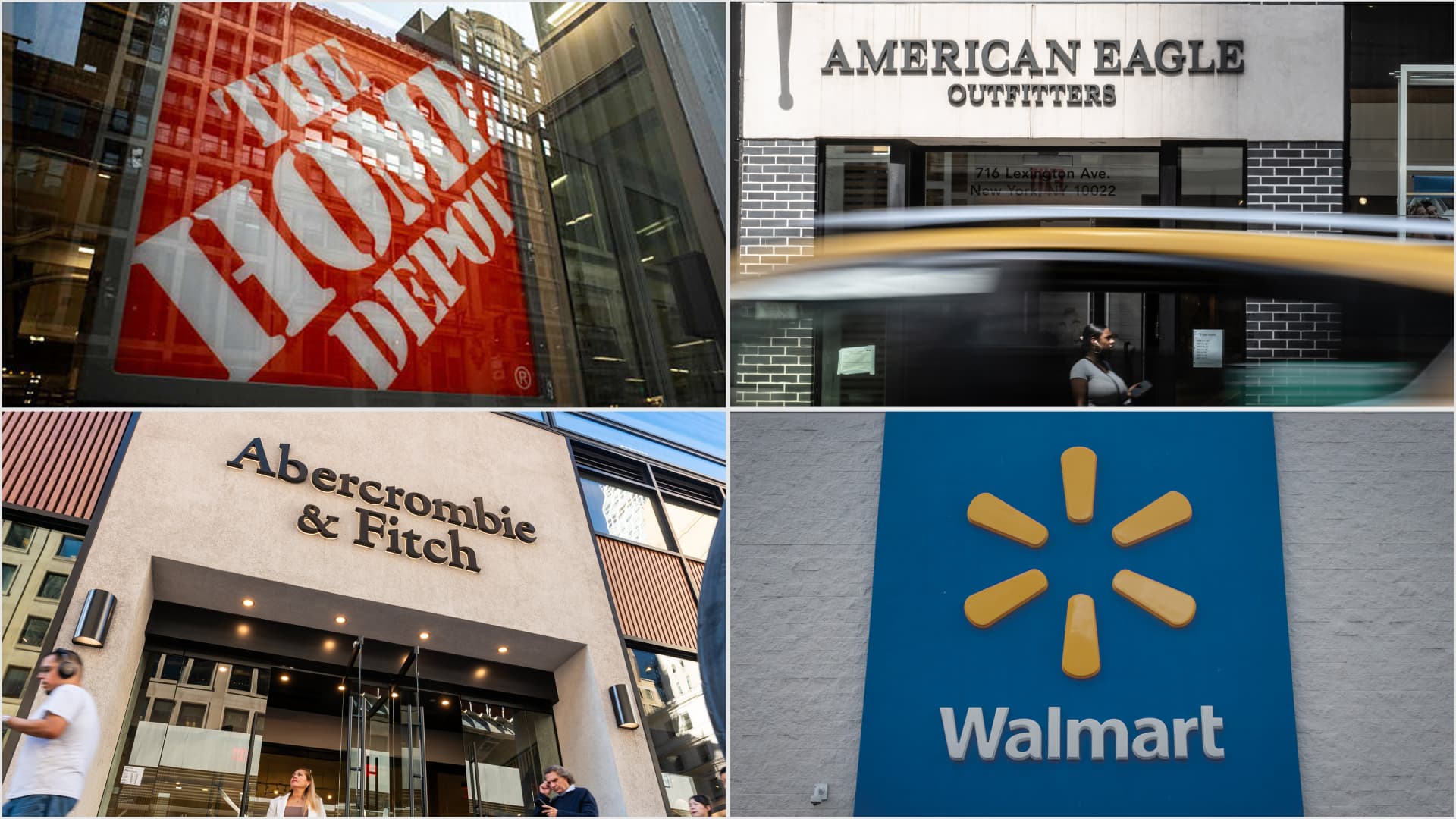
- Widespread Tariff Impact: Trump's tariff policies have placed significant economic pressure on U.S. businesses over the past year, with approximately 80% to 85% of costs absorbed by companies, leading to reduced profits and increased consumer prices, thereby exacerbating overall economic uncertainty.
- Retail Sector Adaptation: While large retailers like Walmart have emerged relatively unscathed, smaller businesses have been severely impacted, with Home Depot aiming to limit purchases from any single country to 10% to reduce dependency and enhance supply chain flexibility.
- Automotive Industry Cost Surge: Automakers such as General Motors and Toyota are facing tariff impacts estimated at up to $9.5 billion, and although the Trump administration has taken steps to alleviate overlapping tariffs, overall costs remain significant, forcing companies to reassess their supply chain strategies.
- Pharmaceutical Sector Stability: Pharmaceutical companies have secured three-year tariff exemptions through pricing agreements with Trump, although new tariffs impose 100% on companies that do not reach agreements, the overall industry is still striving to increase investments in U.S. manufacturing.

ArcelorMittal to Hold Shareholder Meetings
- Shareholder Meeting Announcement: ArcelorMittal has announced its Annual and Extraordinary General Meetings to be held on May 5, 2026, at its registered office in Luxembourg, which is expected to attract significant shareholder participation and enhance corporate governance transparency.
- Board Elections: The agenda includes the re-election of four directors, including Lakshmi Niwas Mittal, and the nomination of former Alcoa CEO Roy Harvey to the Board, aiming to enhance decision-making capabilities and strategic direction through the introduction of new leadership.
- Capital Authorization Renewal: The Extraordinary General Meeting will discuss renewing the Board's authorization to issue and cancel shares under specific conditions, reflecting the company's focus on flexible capital management, which may support future financing and investment opportunities.
- Transparency in Communication: Meeting notices and related documents will be published on ArcelorMittal's website, with shareholders able to request copies via email, demonstrating the company's commitment to addressing shareholder information needs and aiming to increase engagement and satisfaction.

Impact of War on Metal Markets


- Aluminum Surge: Since the onset of the war, aluminum futures have surged nearly 12%, indicating strong market demand that may reflect supply chain tensions and investor optimism about future needs.
- Precious Metals Decline: In stark contrast to aluminum, gold futures have fallen about 9%, while silver, palladium, and platinum futures have dropped between 17% and 19%, suggesting a waning interest in safe-haven assets and potential for increased market volatility.
- Tariff Impact: One year after Trump's tariff announcement, Walmart's stock has risen nearly 40%, and Tesla's shares have soared about 35%, indicating that some companies have successfully adapted to policy changes, while Best Buy's 15% decline highlights the varied impacts across different firms.
- Jobless Claims Expectations: Initial jobless claims are expected to reach 212,000, with a trade deficit forecast of $62 billion, up from last month's $54.46 billion, reflecting the complexities of economic recovery and market focus on upcoming economic data.
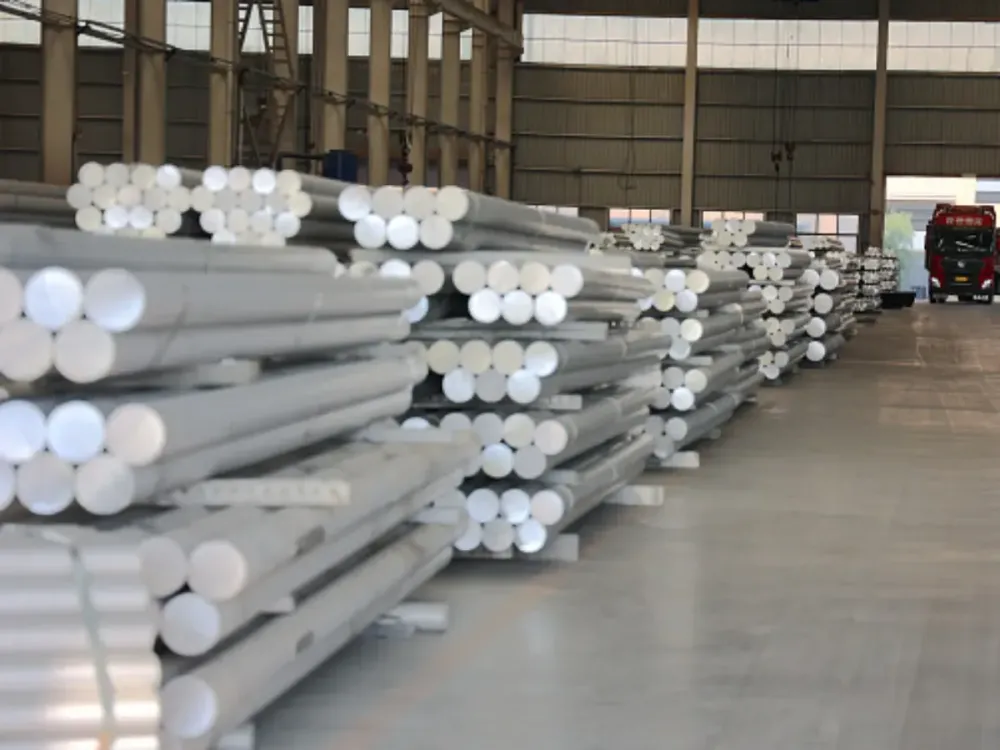
Abu Dhabi Smelter Shutdown Sparks Aluminum Price Surge
- Aluminum Price Surge: The shutdown of the Abu Dhabi smelter due to strikes has led to a 2% increase in aluminum prices on the London Metal Exchange, indicating market concerns over supply disruptions that could lead to further price volatility.
- Smelter Operations Halted: Emirates Global Aluminium was forced to halt operations at its Al Taweelah smelter after it was struck by Iranian missiles and drones, resulting in a power loss that impacts aluminum production capacity and may exert pressure on the global aluminum supply chain.
- Analyst Rating Upgrades: JPMorgan upgraded Alcoa's rating from 'Underweight' to 'Neutral' with a price target increase from $50 to $68, reflecting a positive outlook on the aluminum market, particularly amid rising regional supply risks.
- Positive Market Reaction: Shares of Alcoa, Kaiser Aluminum, and Century Aluminum have gained 32%, 11.5%, and 57.5% respectively this year, demonstrating strong investor confidence in the aluminum sector, especially in light of the current geopolitical tensions.
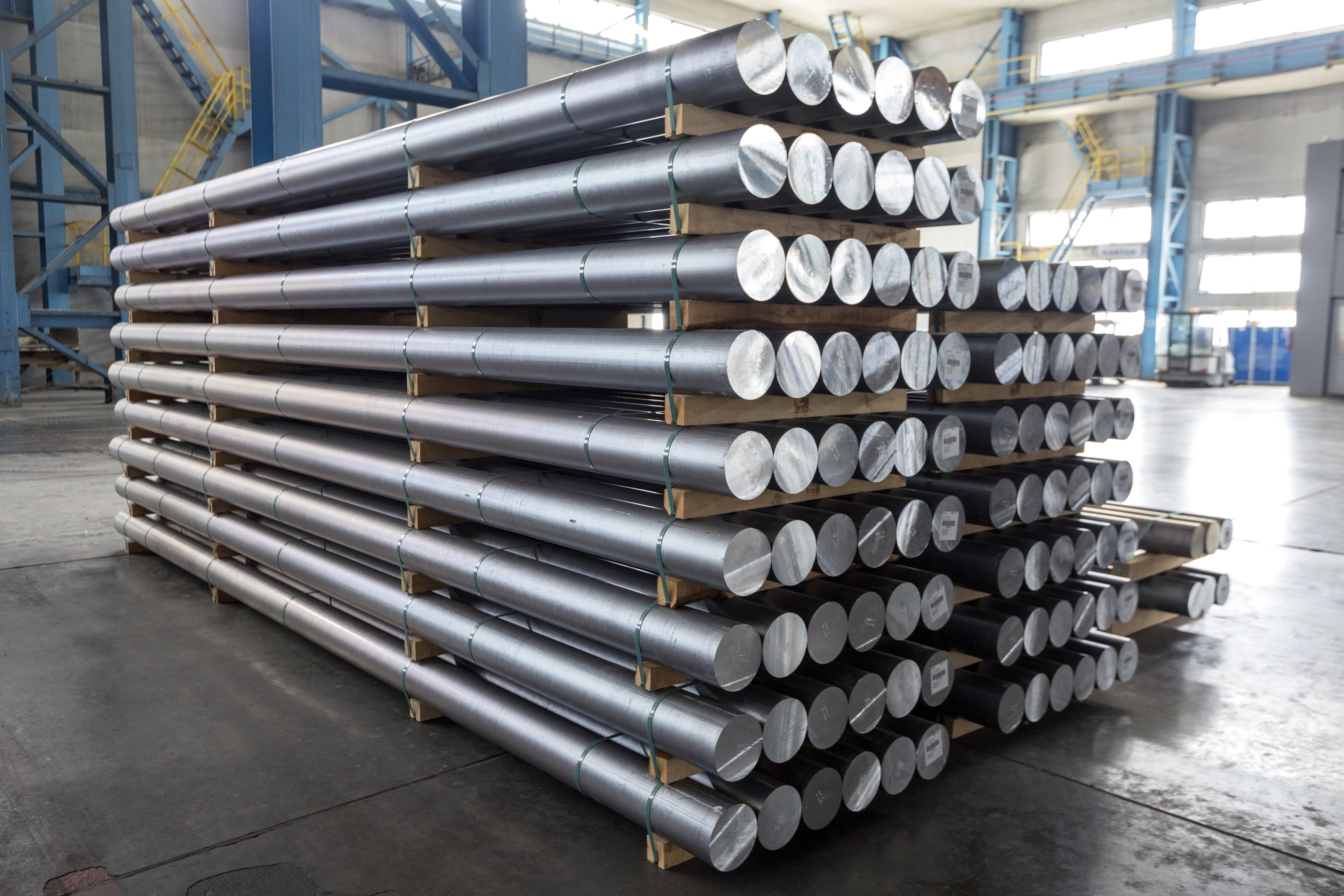
Alcoa Stock Rises on Middle East Aluminum Crisis
- Stock Surge: Alcoa (AA) surged 6.1% in Wednesday's trading to a three-year high, driven by reports that Emirates Global Aluminium halted operations due to Iranian missile strikes, indicating strong market reactions to potential aluminum supply shortages.
- Aluminum Industry Impact: The Al Taweelah smelter lost power from the attacks, forcing metal to solidify in smelting circuits and causing significant operational damage, which exacerbates the already strained global aluminum supply chain.
- Futures Market Reaction: Aluminum futures on the London Metal Exchange have surged following the Iranian attacks, reflecting market concerns over reduced production capacity in the Middle East, which accounts for approximately 9% of global aluminum supply.
- Industry Ripple Effect: In addition to Alcoa, Century Aluminum (CENX) rose 6.4%, and Constellium (CSTM) increased by 5.4%, showcasing investor optimism about the overall aluminum sector despite critical input shortages due to the effective closure of the Strait of Hormuz.
Market Reaction: Anticipation of U.S.-Iran War Ending


- Market Rally: The S&P 500 and Nasdaq Composite surged by 2.91% and 3.83%, respectively, amid hopes for an end to the U.S.-Iran conflict, indicating potential for future economic recovery as investors anticipate peace.
- Interest Rate Decline: With the war's conclusion, the yield on the 10-year Treasury is expected to drop significantly, which will lower borrowing costs and alleviate inflationary pressures stemming from rising fertilizer and energy prices due to the conflict.
- Growth Stock Resurgence: High-growth stocks like Nvidia and Marvell saw gains of 5.5% and nearly 13%, respectively, suggesting that investors will refocus on these companies' fundamentals without the distraction of geopolitical tensions.
- Big Bank Stocks Rally: The end of the war is likely to revive trading activity on Wall Street, with major financial stocks like Goldman Sachs and Morgan Stanley rising nearly 5% and 4%, respectively, reflecting optimism about future merger and acquisition activities.
Impact of Trump's Tariffs One Year Later
- Widespread Tariff Impact: Trump's tariff policies have placed significant economic pressure on U.S. businesses over the past year, with approximately 80% to 85% of costs absorbed by companies, leading to reduced profits and increased consumer prices, thereby exacerbating overall economic uncertainty.
- Retail Sector Adaptation: While large retailers like Walmart have emerged relatively unscathed, smaller businesses have been severely impacted, with Home Depot aiming to limit purchases from any single country to 10% to reduce dependency and enhance supply chain flexibility.
- Automotive Industry Cost Surge: Automakers such as General Motors and Toyota are facing tariff impacts estimated at up to $9.5 billion, and although the Trump administration has taken steps to alleviate overlapping tariffs, overall costs remain significant, forcing companies to reassess their supply chain strategies.
- Pharmaceutical Sector Stability: Pharmaceutical companies have secured three-year tariff exemptions through pricing agreements with Trump, although new tariffs impose 100% on companies that do not reach agreements, the overall industry is still striving to increase investments in U.S. manufacturing.
ArcelorMittal to Hold Shareholder Meetings
- Shareholder Meeting Announcement: ArcelorMittal has announced its Annual and Extraordinary General Meetings to be held on May 5, 2026, at its registered office in Luxembourg, which is expected to attract significant shareholder participation and enhance corporate governance transparency.
- Board Elections: The agenda includes the re-election of four directors, including Lakshmi Niwas Mittal, and the nomination of former Alcoa CEO Roy Harvey to the Board, aiming to enhance decision-making capabilities and strategic direction through the introduction of new leadership.
- Capital Authorization Renewal: The Extraordinary General Meeting will discuss renewing the Board's authorization to issue and cancel shares under specific conditions, reflecting the company's focus on flexible capital management, which may support future financing and investment opportunities.
- Transparency in Communication: Meeting notices and related documents will be published on ArcelorMittal's website, with shareholders able to request copies via email, demonstrating the company's commitment to addressing shareholder information needs and aiming to increase engagement and satisfaction.
Impact of War on Metal Markets
- Aluminum Surge: Since the onset of the war, aluminum futures have surged nearly 12%, indicating strong market demand that may reflect supply chain tensions and investor optimism about future needs.
- Precious Metals Decline: In stark contrast to aluminum, gold futures have fallen about 9%, while silver, palladium, and platinum futures have dropped between 17% and 19%, suggesting a waning interest in safe-haven assets and potential for increased market volatility.
- Tariff Impact: One year after Trump's tariff announcement, Walmart's stock has risen nearly 40%, and Tesla's shares have soared about 35%, indicating that some companies have successfully adapted to policy changes, while Best Buy's 15% decline highlights the varied impacts across different firms.
- Jobless Claims Expectations: Initial jobless claims are expected to reach 212,000, with a trade deficit forecast of $62 billion, up from last month's $54.46 billion, reflecting the complexities of economic recovery and market focus on upcoming economic data.
Abu Dhabi Smelter Shutdown Sparks Aluminum Price Surge
- Aluminum Price Surge: The shutdown of the Abu Dhabi smelter due to strikes has led to a 2% increase in aluminum prices on the London Metal Exchange, indicating market concerns over supply disruptions that could lead to further price volatility.
- Smelter Operations Halted: Emirates Global Aluminium was forced to halt operations at its Al Taweelah smelter after it was struck by Iranian missiles and drones, resulting in a power loss that impacts aluminum production capacity and may exert pressure on the global aluminum supply chain.
- Analyst Rating Upgrades: JPMorgan upgraded Alcoa's rating from 'Underweight' to 'Neutral' with a price target increase from $50 to $68, reflecting a positive outlook on the aluminum market, particularly amid rising regional supply risks.
- Positive Market Reaction: Shares of Alcoa, Kaiser Aluminum, and Century Aluminum have gained 32%, 11.5%, and 57.5% respectively this year, demonstrating strong investor confidence in the aluminum sector, especially in light of the current geopolitical tensions.
Alcoa Stock Rises on Middle East Aluminum Crisis
- Stock Surge: Alcoa (AA) surged 6.1% in Wednesday's trading to a three-year high, driven by reports that Emirates Global Aluminium halted operations due to Iranian missile strikes, indicating strong market reactions to potential aluminum supply shortages.
- Aluminum Industry Impact: The Al Taweelah smelter lost power from the attacks, forcing metal to solidify in smelting circuits and causing significant operational damage, which exacerbates the already strained global aluminum supply chain.
- Futures Market Reaction: Aluminum futures on the London Metal Exchange have surged following the Iranian attacks, reflecting market concerns over reduced production capacity in the Middle East, which accounts for approximately 9% of global aluminum supply.
- Industry Ripple Effect: In addition to Alcoa, Century Aluminum (CENX) rose 6.4%, and Constellium (CSTM) increased by 5.4%, showcasing investor optimism about the overall aluminum sector despite critical input shortages due to the effective closure of the Strait of Hormuz.
Market Reaction: Anticipation of U.S.-Iran War Ending
- Market Rally: The S&P 500 and Nasdaq Composite surged by 2.91% and 3.83%, respectively, amid hopes for an end to the U.S.-Iran conflict, indicating potential for future economic recovery as investors anticipate peace.
- Interest Rate Decline: With the war's conclusion, the yield on the 10-year Treasury is expected to drop significantly, which will lower borrowing costs and alleviate inflationary pressures stemming from rising fertilizer and energy prices due to the conflict.
- Growth Stock Resurgence: High-growth stocks like Nvidia and Marvell saw gains of 5.5% and nearly 13%, respectively, suggesting that investors will refocus on these companies' fundamentals without the distraction of geopolitical tensions.
- Big Bank Stocks Rally: The end of the war is likely to revive trading activity on Wall Street, with major financial stocks like Goldman Sachs and Morgan Stanley rising nearly 5% and 4%, respectively, reflecting optimism about future merger and acquisition activities.