Alaska Air Group Aims to Reinstate Financial Guidance Amid Fuel Price Stability
Written by Emily J. Thompson, Senior Investment Analyst
Updated: 58 minutes ago
0mins
Source: Newsfilter
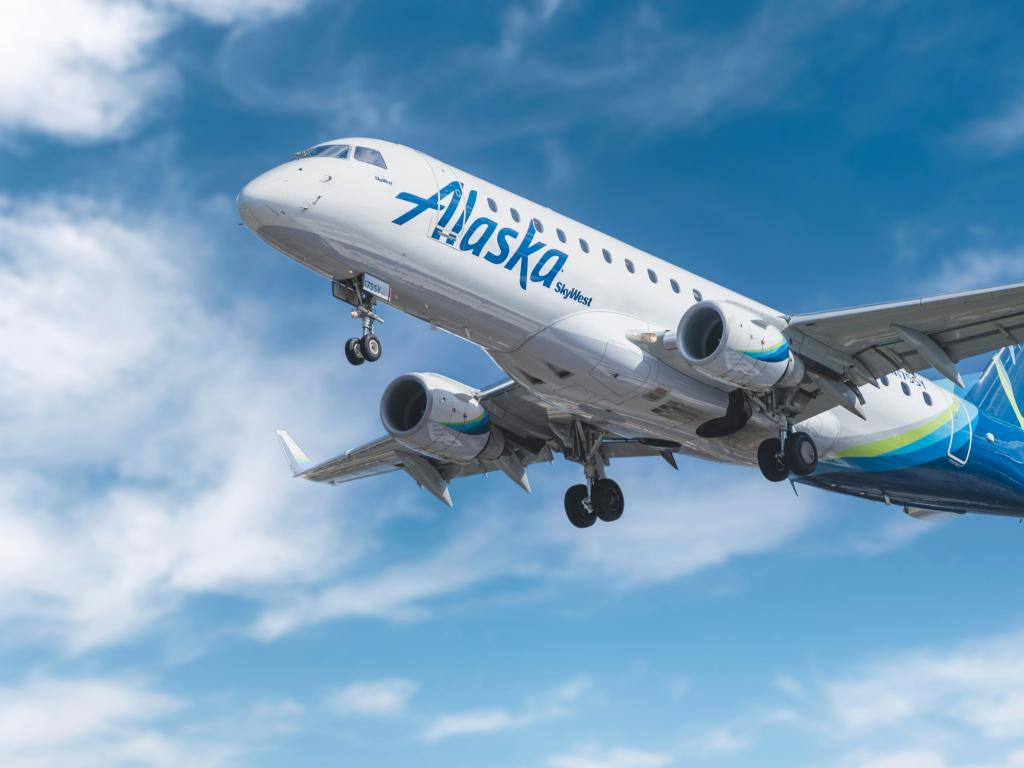
- Financial Guidance Outlook: Alaska Air's CFO indicated that the airline hopes to reinstate its financial guidance during the second-quarter earnings call if fuel prices stabilize, although recent volatility has seen prices fluctuate by about 5%, indicating ongoing uncertainty.
- Adjusted Q2 Expectations: The airline anticipates a tougher second quarter than previously expected due to fuel price shocks, but higher fares and resilient demand are expected to help offset most of the impacts in the second half of the year.
- Cash Flow Improvement: The company expects operating cash burn to potentially fall to zero or turn slightly positive in the second half, reflecting financial resilience supported by high fares and demand, despite recently borrowing $1 billion to enhance liquidity.
- Corporate Booking Growth: Alaska Air has seen corporate bookings increase by 20% to 30% over the next 90 days compared to last year, indicating strong market demand across various industries and regions, which supports ongoing business growth.
Trade with 70% Backtested Accuracy
Stop guessing "Should I Buy ALK?" and start using high-conviction signals backed by rigorous historical data.
Sign up today to access powerful investing tools and make smarter, data-driven decisions.
Analyst Views on ALK
Wall Street analysts forecast ALK stock price to rise
11 Analyst Rating
11 Buy
0 Hold
0 Sell
Strong Buy
Current: 42.690

Low
63.00
Averages
71.10
High
80.00
Current: 42.690
Low
63.00
Averages
71.10
High
80.00
About ALK
Alaska Air Group, Inc. is engaged in operating airlines. The Company operates through its subsidiaries Alaska Airlines, Inc., Hawaiian Holdings, Inc., Horizon Air Industries, Inc., and McGee Air Services. The Company's segments include Alaska Airlines, Hawaiian Airlines, and Regional. The Alaska Airlines segment includes scheduled air transportation of passengers and cargo on Boeing 737 (B737), Boeing 787 (B787), Boeing 717 (B717), Airbus A330 (A330), Airbus A321neo (A321neo), and others, throughout North America, Latin America, Asia, and the Pacific. The Regional segment includes Horizon's and other third-party carriers scheduled air transportation on E175 jet aircraft for passengers under capacity purchase agreements (CPAs). The Company serves more than 140 destinations throughout North America, Central America, Asia and across the Pacific. The Company provides freight and mail services (cargo) using both freighter aircraft and the bellies of its passenger aircraft.
About the author

Emily J. Thompson
Emily J. Thompson, a Chartered Financial Analyst (CFA) with 12 years in investment research, graduated with honors from the Wharton School. Specializing in industrial and technology stocks, she provides in-depth analysis for Intellectia’s earnings and market brief reports.
Rua Gold Releases Positive PEA for Auld Creek Project

- Positive Economic Assessment: On May 5, 2026, Rua Gold released a positive Preliminary Economic Assessment (PEA) for its Auld Creek Gold-Antimony Project, indicating an after-tax NPV of approximately $42 million at base case prices, potentially rising to $113 million at spot gold prices, showcasing strong economic viability.
- Dual-Metal Advantage: The project is expected to produce about 27,000 gold-equivalent ounces annually, comprising approximately 84,000 ounces of gold and 9,000 tonnes of antimony, with impressive recoveries of 95% for gold and 85% for antimony, positioning Rua Gold favorably amid soaring gold prices and critical antimony shortages.
- Fast-Track Approval Process: Rua submitted its Fast-Track Referral application on April 20, 2026, aiming for full permitting by Q2 2027, which significantly mitigates the risks associated with transitioning from economic assessment to actual mining, thereby enhancing investor confidence.
- Ongoing Drilling Program: A 19,000-metre drilling program is currently underway, aimed at converting inferred resources to indicated resources and extending mineralization, which not only increases resource certainty but also opens up potential for future expansion opportunities.
See More

Alaska Air Group Aims to Reinstate Financial Guidance Amid Fuel Price Stability
- Financial Guidance Outlook: Alaska Air's CFO indicated that the airline hopes to reinstate its financial guidance during the second-quarter earnings call if fuel prices stabilize, although recent volatility has seen prices fluctuate by about 5%, indicating ongoing uncertainty.
- Adjusted Q2 Expectations: The airline anticipates a tougher second quarter than previously expected due to fuel price shocks, but higher fares and resilient demand are expected to help offset most of the impacts in the second half of the year.
- Cash Flow Improvement: The company expects operating cash burn to potentially fall to zero or turn slightly positive in the second half, reflecting financial resilience supported by high fares and demand, despite recently borrowing $1 billion to enhance liquidity.
- Corporate Booking Growth: Alaska Air has seen corporate bookings increase by 20% to 30% over the next 90 days compared to last year, indicating strong market demand across various industries and regions, which supports ongoing business growth.
See More
Boeing Opens New 737 Max Production Line in Everett

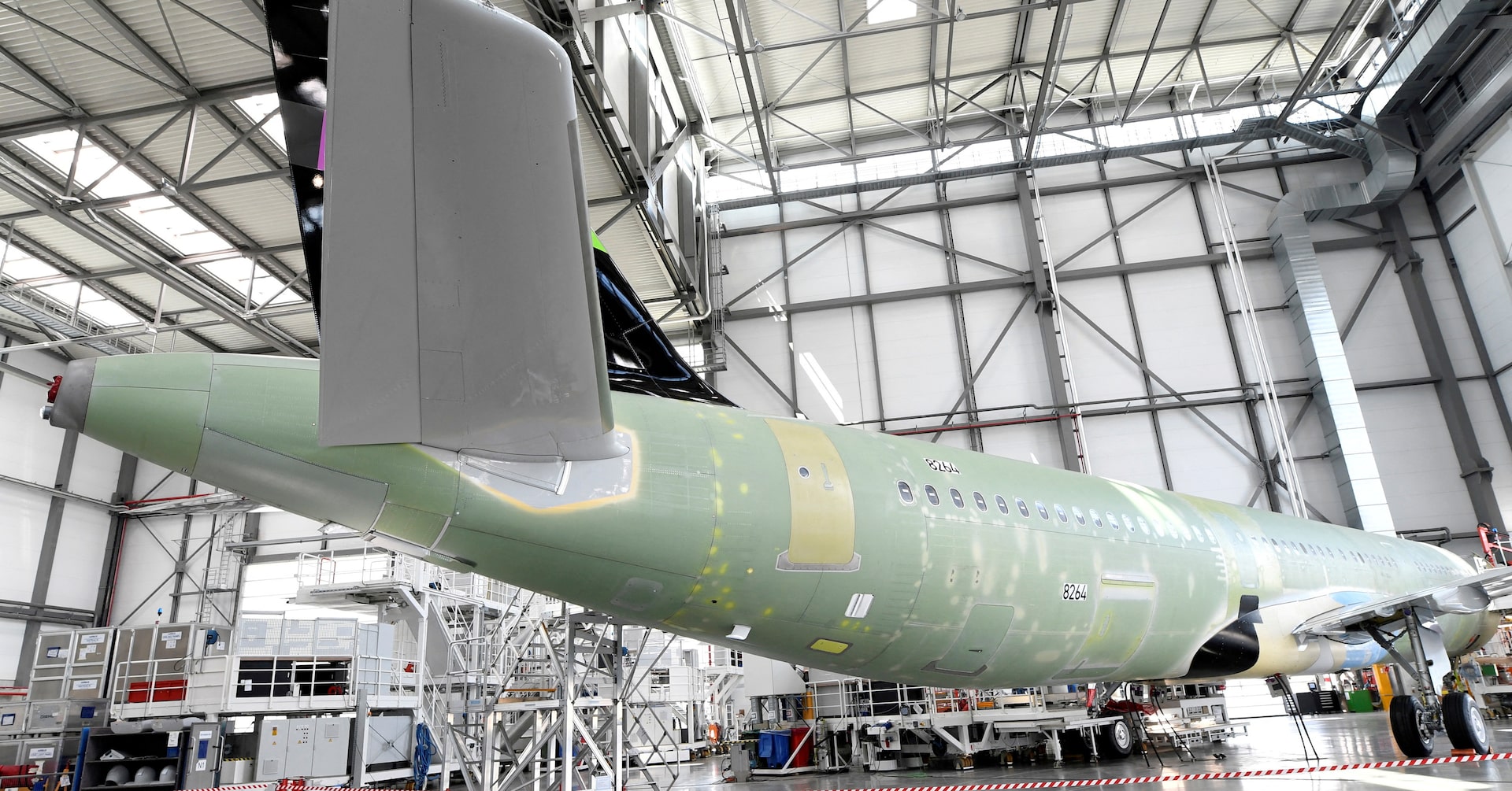
- New Production Line Launch: Boeing will commence production at its new 737 Max final assembly line in Everett, Washington, starting July 6, aiming to ramp up to 52 jets per month, significantly enhancing capacity to meet market demand.
- Production Increase Plan: Currently, Boeing produces 47 Max jets monthly, up from 42 earlier this year, with a long-term goal of reaching 63 jets per month, contingent on supply chain support, which would further solidify its market position.
- Regulatory Constraints Impact: Despite Boeing's ambitions to increase 737 Max production, its capacity is limited by the Federal Aviation Administration due to safety issues stemming from an incident involving an Alaska Airlines plane in January 2024, leading to extensive quality reviews.
- New Model Certification: The new assembly line will initially focus on the 737 Max 10, which is expected to receive FAA certification by the end of the year, paving the way for the first deliveries of this model and expanding Boeing's product offerings.
See More
Boeing Launches New 737 Max Production Line
- New Production Line: Boeing will commence production at its new 737 Max final assembly line in Everett, Washington, starting July 6, aiming to increase output to 52 jets per month, significantly enhancing capacity to meet market demand.
- Production Increase Plan: Currently, Boeing produces 47 737 Max jets monthly, up from 42 earlier this year, with a long-term goal of reaching 63 jets per month, contingent on supply chain support to facilitate this growth.
- Regulatory Constraints: Following a safety incident involving an Alaska Airlines plane in January 2024, the Federal Aviation Administration imposed production limits on Boeing, presenting challenges to its production capabilities and hindering efforts to ramp up output.
- New Model Certification: The new assembly line will initially focus on the 737 Max 10, which is expected to receive FAA certification by the end of the year, paving the way for its first deliveries and further bolstering Boeing's competitiveness in the single-aisle aircraft market.
See More

American Airlines to Install Starlink Internet on 500 Aircraft

- Internet Service Upgrade: American Airlines plans to install Starlink internet service on over 500 narrow-body aircraft starting in early 2027, aiming to enhance customer experience and address competitive pressures, despite its stock having dropped 37% over the past five years.
- Intensifying Market Competition: With United Airlines already equipping over 300 planes with Starlink and other airlines like Southwest and Alaska Air Group quickly following suit, those airlines that can deploy this technology the fastest will gain a significant competitive edge.
- Customer Experience Improvement: While good internet service won't solve all of American Airlines' issues, this upgrade could help attract higher-paying customers as consumers become increasingly sensitive to passenger experience, thereby enhancing customer loyalty.
- Need for Strategic Transformation: Although the introduction of Starlink is a significant step towards modernization, analysts believe it is not enough to bring American Airlines on par with competitors like Delta and United, indicating that the company must invest further in technology to keep pace with consumer demands.
See More
American Airlines to Adopt Starlink for Enhanced In-Flight Internet Service
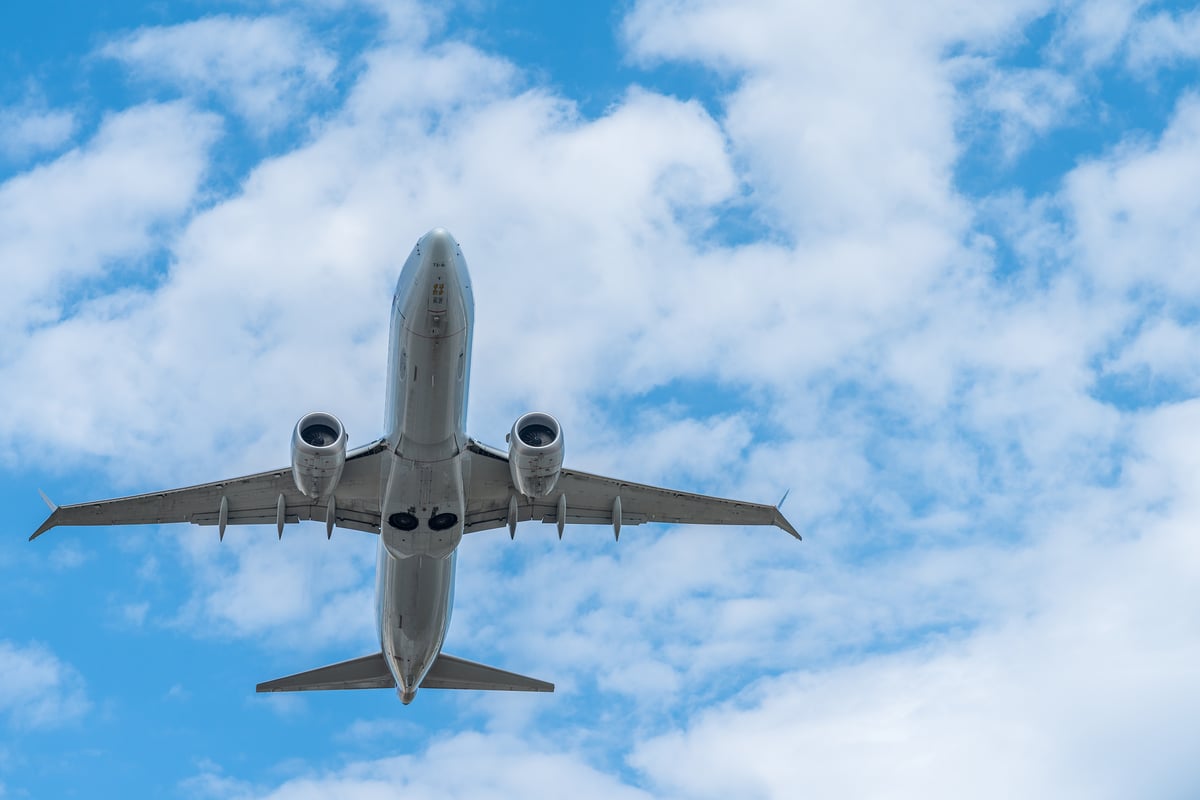
- Service Upgrade: American Airlines plans to install Starlink internet service on over 500 aircraft starting in early 2027, aiming to enhance customer experience and address consumer demand for faster internet, thereby boosting its competitive position.
- Market Competitive Edge: With American Airlines adopting Starlink, competitors like United Airlines already have over 300 planes equipped with the service, and the rapid rollout will provide American with a significant competitive advantage, especially in customer choice.
- Stock Price Context: Over the past five years, American Airlines' stock has dropped more than 37%, and while the introduction of Starlink won't solve all issues, improving internet service could enhance passenger satisfaction and potentially impact company performance positively.
- Initial Strategic Shift: This technological upgrade is seen as an important step for American Airlines in enhancing customer loyalty and attracting higher-paying customers, although further investment is needed to keep pace with industry modernization.
See More
Rua Gold Releases Positive PEA for Auld Creek Project
- Positive Economic Assessment: On May 5, 2026, Rua Gold released a positive Preliminary Economic Assessment (PEA) for its Auld Creek Gold-Antimony Project, indicating an after-tax NPV of approximately $42 million at base case prices, potentially rising to $113 million at spot gold prices, showcasing strong economic viability.
- Dual-Metal Advantage: The project is expected to produce about 27,000 gold-equivalent ounces annually, comprising approximately 84,000 ounces of gold and 9,000 tonnes of antimony, with impressive recoveries of 95% for gold and 85% for antimony, positioning Rua Gold favorably amid soaring gold prices and critical antimony shortages.
- Fast-Track Approval Process: Rua submitted its Fast-Track Referral application on April 20, 2026, aiming for full permitting by Q2 2027, which significantly mitigates the risks associated with transitioning from economic assessment to actual mining, thereby enhancing investor confidence.
- Ongoing Drilling Program: A 19,000-metre drilling program is currently underway, aimed at converting inferred resources to indicated resources and extending mineralization, which not only increases resource certainty but also opens up potential for future expansion opportunities.
See More
Alaska Air Group Aims to Reinstate Financial Guidance Amid Fuel Price Stability
- Financial Guidance Outlook: Alaska Air's CFO indicated that the airline hopes to reinstate its financial guidance during the second-quarter earnings call if fuel prices stabilize, although recent volatility has seen prices fluctuate by about 5%, indicating ongoing uncertainty.
- Adjusted Q2 Expectations: The airline anticipates a tougher second quarter than previously expected due to fuel price shocks, but higher fares and resilient demand are expected to help offset most of the impacts in the second half of the year.
- Cash Flow Improvement: The company expects operating cash burn to potentially fall to zero or turn slightly positive in the second half, reflecting financial resilience supported by high fares and demand, despite recently borrowing $1 billion to enhance liquidity.
- Corporate Booking Growth: Alaska Air has seen corporate bookings increase by 20% to 30% over the next 90 days compared to last year, indicating strong market demand across various industries and regions, which supports ongoing business growth.
See More
Boeing Opens New 737 Max Production Line in Everett
- New Production Line Launch: Boeing will commence production at its new 737 Max final assembly line in Everett, Washington, starting July 6, aiming to ramp up to 52 jets per month, significantly enhancing capacity to meet market demand.
- Production Increase Plan: Currently, Boeing produces 47 Max jets monthly, up from 42 earlier this year, with a long-term goal of reaching 63 jets per month, contingent on supply chain support, which would further solidify its market position.
- Regulatory Constraints Impact: Despite Boeing's ambitions to increase 737 Max production, its capacity is limited by the Federal Aviation Administration due to safety issues stemming from an incident involving an Alaska Airlines plane in January 2024, leading to extensive quality reviews.
- New Model Certification: The new assembly line will initially focus on the 737 Max 10, which is expected to receive FAA certification by the end of the year, paving the way for the first deliveries of this model and expanding Boeing's product offerings.
See More
Boeing Launches New 737 Max Production Line
- New Production Line: Boeing will commence production at its new 737 Max final assembly line in Everett, Washington, starting July 6, aiming to increase output to 52 jets per month, significantly enhancing capacity to meet market demand.
- Production Increase Plan: Currently, Boeing produces 47 737 Max jets monthly, up from 42 earlier this year, with a long-term goal of reaching 63 jets per month, contingent on supply chain support to facilitate this growth.
- Regulatory Constraints: Following a safety incident involving an Alaska Airlines plane in January 2024, the Federal Aviation Administration imposed production limits on Boeing, presenting challenges to its production capabilities and hindering efforts to ramp up output.
- New Model Certification: The new assembly line will initially focus on the 737 Max 10, which is expected to receive FAA certification by the end of the year, paving the way for its first deliveries and further bolstering Boeing's competitiveness in the single-aisle aircraft market.
See More
American Airlines to Install Starlink Internet on 500 Aircraft
- Internet Service Upgrade: American Airlines plans to install Starlink internet service on over 500 narrow-body aircraft starting in early 2027, aiming to enhance customer experience and address competitive pressures, despite its stock having dropped 37% over the past five years.
- Intensifying Market Competition: With United Airlines already equipping over 300 planes with Starlink and other airlines like Southwest and Alaska Air Group quickly following suit, those airlines that can deploy this technology the fastest will gain a significant competitive edge.
- Customer Experience Improvement: While good internet service won't solve all of American Airlines' issues, this upgrade could help attract higher-paying customers as consumers become increasingly sensitive to passenger experience, thereby enhancing customer loyalty.
- Need for Strategic Transformation: Although the introduction of Starlink is a significant step towards modernization, analysts believe it is not enough to bring American Airlines on par with competitors like Delta and United, indicating that the company must invest further in technology to keep pace with consumer demands.
See More
American Airlines to Adopt Starlink for Enhanced In-Flight Internet Service
- Service Upgrade: American Airlines plans to install Starlink internet service on over 500 aircraft starting in early 2027, aiming to enhance customer experience and address consumer demand for faster internet, thereby boosting its competitive position.
- Market Competitive Edge: With American Airlines adopting Starlink, competitors like United Airlines already have over 300 planes equipped with the service, and the rapid rollout will provide American with a significant competitive advantage, especially in customer choice.
- Stock Price Context: Over the past five years, American Airlines' stock has dropped more than 37%, and while the introduction of Starlink won't solve all issues, improving internet service could enhance passenger satisfaction and potentially impact company performance positively.
- Initial Strategic Shift: This technological upgrade is seen as an important step for American Airlines in enhancing customer loyalty and attracting higher-paying customers, although further investment is needed to keep pace with industry modernization.
See More