Airline and Hotel Industries Urge Trump Administration to Drop Immigration Processing Proposal
Companies in the airline and hotel industries are urging the Trump administration to drop a proposal that would cut off immigration processing at major airports, including Newark Liberty International Airport in New Jersey, which is a United Airlines (UAL) hub, CNBC's Leslie Josephs reports. Unite CEO Scott Kirby was slated to discuss the potential move with Homeland Security Secretary Markwayne Mullin to explain how such policies could cause major disruptions to travelers, the author says, citing two people familiar with the call. Airlines for America, a trade association that includes American Airlines (AAL), United Airlines, and Delta Air Lines (DAL), told White House officials this week that lowering CBP service at the Newark airport would "create havoc" for U.S. citizens, which make up the majority of the 20,000 travelers flying internationally to the hub, the author says, citing a document.
Trade with 70% Backtested Accuracy
Analyst Views on UAL

About UAL
About the author


American Airlines to Install Starlink Internet on 500 Aircraft

- Internet Service Upgrade: American Airlines plans to install Starlink internet service on over 500 narrow-body aircraft starting in early 2027, aiming to enhance customer experience and address competitive pressures, despite its stock having dropped 37% over the past five years.
- Intensifying Market Competition: With United Airlines already equipping over 300 planes with Starlink and other airlines like Southwest and Alaska Air Group quickly following suit, those airlines that can deploy this technology the fastest will gain a significant competitive edge.
- Customer Experience Improvement: While good internet service won't solve all of American Airlines' issues, this upgrade could help attract higher-paying customers as consumers become increasingly sensitive to passenger experience, thereby enhancing customer loyalty.
- Need for Strategic Transformation: Although the introduction of Starlink is a significant step towards modernization, analysts believe it is not enough to bring American Airlines on par with competitors like Delta and United, indicating that the company must invest further in technology to keep pace with consumer demands.
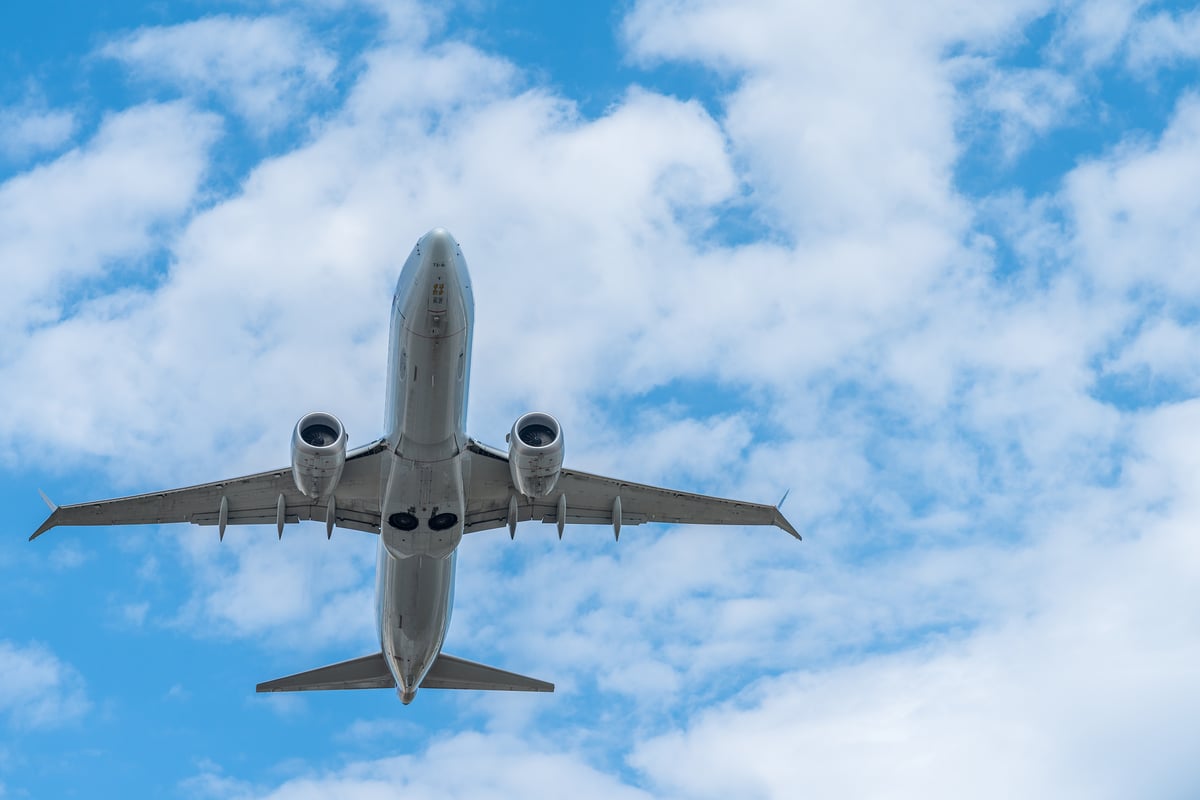
American Airlines to Adopt Starlink for Enhanced In-Flight Internet Service
- Service Upgrade: American Airlines plans to install Starlink internet service on over 500 aircraft starting in early 2027, aiming to enhance customer experience and address consumer demand for faster internet, thereby boosting its competitive position.
- Market Competitive Edge: With American Airlines adopting Starlink, competitors like United Airlines already have over 300 planes equipped with the service, and the rapid rollout will provide American with a significant competitive advantage, especially in customer choice.
- Stock Price Context: Over the past five years, American Airlines' stock has dropped more than 37%, and while the introduction of Starlink won't solve all issues, improving internet service could enhance passenger satisfaction and potentially impact company performance positively.
- Initial Strategic Shift: This technological upgrade is seen as an important step for American Airlines in enhancing customer loyalty and attracting higher-paying customers, although further investment is needed to keep pace with industry modernization.

Immigration Processing Proposal Raises Airline Industry Concerns

- Policy Impact Warning: Homeland Security Secretary Markwayne Mullin stated on Fox News that if 'radical left Democrats' do not allow the government to enforce federal laws, international flights should not be processed, potentially posing significant challenges to the airline industry.
- Industry Opposition: Major airline, hotel, and tourism groups warned that cutting immigration and customs processing at U.S. airports would have a 'devastating' impact on the industry and travelers, particularly at Newark Liberty International Airport, a hub for United Airlines.
- Passenger Impact Analysis: Airlines for America noted that the majority of the 20,000 international passengers at Newark are U.S. citizens, and reducing Customs services could disproportionately affect heartland America, potentially causing widespread chaos.
- Policy Context and Timing: Mullin mentioned that the Trump administration is considering cutting immigration processing for international flights in 'sanctuary cities,' likely to pressure local leaders to crack down on undocumented immigrants, coinciding with the upcoming FIFA World Cup, which could disrupt travel for millions.
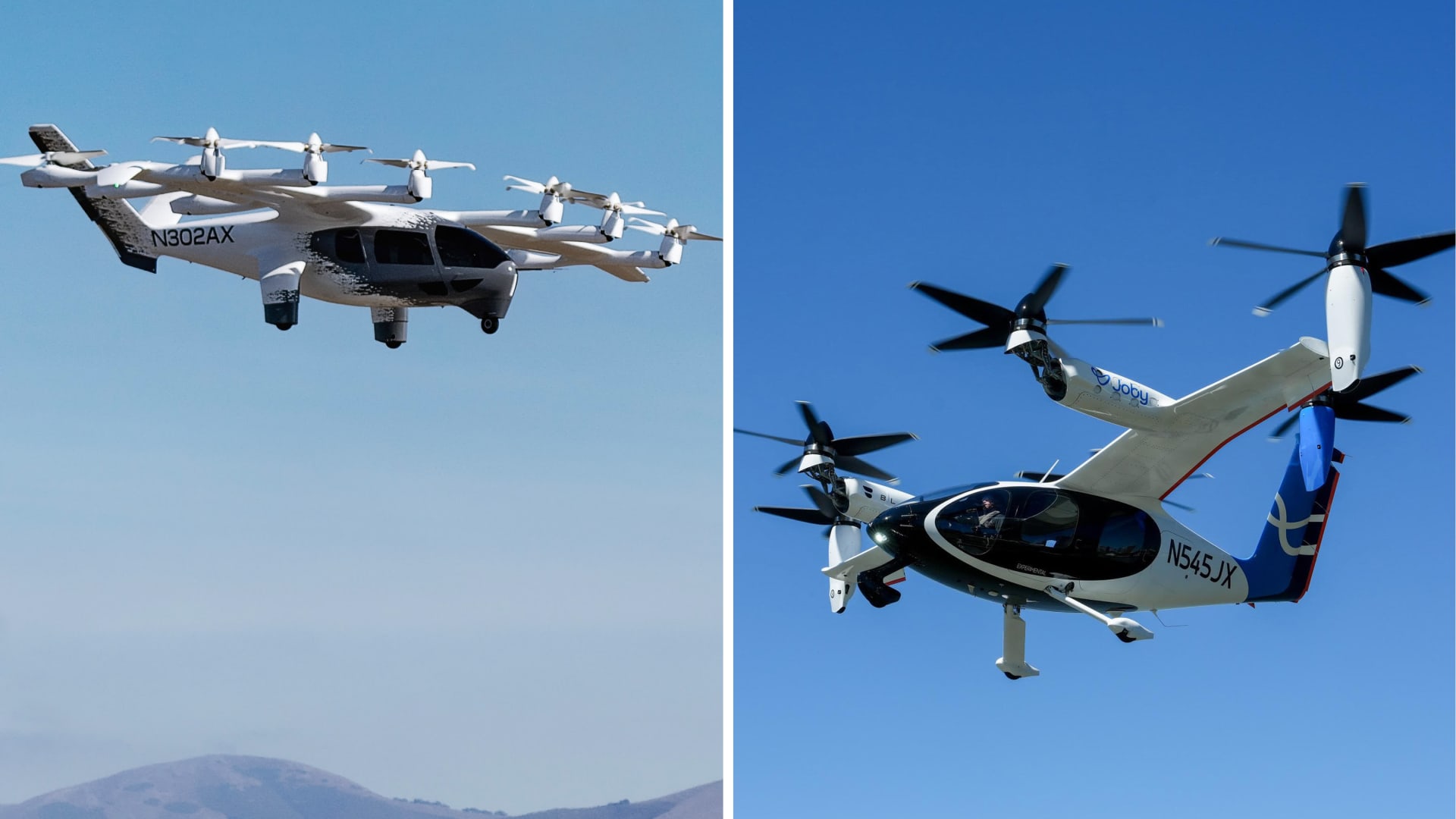
Legal Battles Hinder U.S. eVTOL Industry Progress


- Legal Disputes Impact Development: Joby Aviation's lawsuit against Archer for corporate espionage has led to declining investor confidence in the eVTOL sector, with Archer's stock down 9% this year and losing over a third of its value, indicating the negative impact of legal issues on market sentiment.
- Certification Delays: Despite the Trump administration's eVTOL Integration Pilot Program aimed at accelerating industry growth, ongoing legal battles threaten to prolong certification timelines and increase costs, as warned by H2 Advisors' Mike Hirschberg, which could hinder overall industry progress.
- Intensifying Market Competition: Archer's patent infringement lawsuit against Vertical Aerospace is ongoing, with Vertical claiming the lawsuit is

eVTOL Industry Faces Legal Challenges Amid Certification Delays
- Escalating Legal Disputes: Legal battles among Joby, Archer, and Vertical are intensifying, potentially derailing their certification processes and investor confidence, leading to decreased interest in the electric vertical takeoff and landing (eVTOL) market.
- Stock Price Declines: Archer's stock has dropped 9% this year, losing over a third of its value in the past year, while Vertical has plummeted nearly 58%, and Joby's stock has fallen nearly 7% this year after a 60% surge, indicating a lack of market confidence in the sector.
- Certification Delays: Despite support from Trump's eVTOL Integration Pilot Program, certification timelines are being pushed back due to legal disputes, increasing costs and potentially impacting the overall development of the industry.
- Uncertain Industry Outlook: As multiple eVTOL manufacturers face legal challenges, industry experts warn investors to prepare for a long-term investment, emphasizing that product quality matters more than certification timelines, suggesting that future market competition will be more intense.

US-Iran Conflict Escalates, Oil Prices Surge Amid Economic Uncertainty


- Escalation of US-Iran Conflict: Following weeks of paused action, the US and Iran have resumed airstrikes, complicating hopes for a permanent resolution to the conflict, which is impacting global oil supplies and market sentiment.
- Strong Stock Market Performance: Despite rising geopolitical tensions, both the S&P 500 and Nasdaq Composite closed at record highs, primarily driven by a surge in AI-related stocks, indicating strong market confidence in the technology sector.
- Oil Price Warning: ExxonMobil has warned that oil inventories are on track to reach dangerously low levels in the coming weeks, forcing prices to spike and curbing demand, reflecting market concerns over energy supply.
- Wealthy Investors Pulling Out: According to the UBS Global Family Office Report, 60% of family offices plan to adjust their investment allocations in the next year, with many reducing US holdings and increasing exposure to emerging markets, highlighting a growing trend of 'de-dollarization'.
American Airlines to Install Starlink Internet on 500 Aircraft
- Internet Service Upgrade: American Airlines plans to install Starlink internet service on over 500 narrow-body aircraft starting in early 2027, aiming to enhance customer experience and address competitive pressures, despite its stock having dropped 37% over the past five years.
- Intensifying Market Competition: With United Airlines already equipping over 300 planes with Starlink and other airlines like Southwest and Alaska Air Group quickly following suit, those airlines that can deploy this technology the fastest will gain a significant competitive edge.
- Customer Experience Improvement: While good internet service won't solve all of American Airlines' issues, this upgrade could help attract higher-paying customers as consumers become increasingly sensitive to passenger experience, thereby enhancing customer loyalty.
- Need for Strategic Transformation: Although the introduction of Starlink is a significant step towards modernization, analysts believe it is not enough to bring American Airlines on par with competitors like Delta and United, indicating that the company must invest further in technology to keep pace with consumer demands.
American Airlines to Adopt Starlink for Enhanced In-Flight Internet Service
- Service Upgrade: American Airlines plans to install Starlink internet service on over 500 aircraft starting in early 2027, aiming to enhance customer experience and address consumer demand for faster internet, thereby boosting its competitive position.
- Market Competitive Edge: With American Airlines adopting Starlink, competitors like United Airlines already have over 300 planes equipped with the service, and the rapid rollout will provide American with a significant competitive advantage, especially in customer choice.
- Stock Price Context: Over the past five years, American Airlines' stock has dropped more than 37%, and while the introduction of Starlink won't solve all issues, improving internet service could enhance passenger satisfaction and potentially impact company performance positively.
- Initial Strategic Shift: This technological upgrade is seen as an important step for American Airlines in enhancing customer loyalty and attracting higher-paying customers, although further investment is needed to keep pace with industry modernization.
Immigration Processing Proposal Raises Airline Industry Concerns
- Policy Impact Warning: Homeland Security Secretary Markwayne Mullin stated on Fox News that if 'radical left Democrats' do not allow the government to enforce federal laws, international flights should not be processed, potentially posing significant challenges to the airline industry.
- Industry Opposition: Major airline, hotel, and tourism groups warned that cutting immigration and customs processing at U.S. airports would have a 'devastating' impact on the industry and travelers, particularly at Newark Liberty International Airport, a hub for United Airlines.
- Passenger Impact Analysis: Airlines for America noted that the majority of the 20,000 international passengers at Newark are U.S. citizens, and reducing Customs services could disproportionately affect heartland America, potentially causing widespread chaos.
- Policy Context and Timing: Mullin mentioned that the Trump administration is considering cutting immigration processing for international flights in 'sanctuary cities,' likely to pressure local leaders to crack down on undocumented immigrants, coinciding with the upcoming FIFA World Cup, which could disrupt travel for millions.
Legal Battles Hinder U.S. eVTOL Industry Progress
- Legal Disputes Impact Development: Joby Aviation's lawsuit against Archer for corporate espionage has led to declining investor confidence in the eVTOL sector, with Archer's stock down 9% this year and losing over a third of its value, indicating the negative impact of legal issues on market sentiment.
- Certification Delays: Despite the Trump administration's eVTOL Integration Pilot Program aimed at accelerating industry growth, ongoing legal battles threaten to prolong certification timelines and increase costs, as warned by H2 Advisors' Mike Hirschberg, which could hinder overall industry progress.
- Intensifying Market Competition: Archer's patent infringement lawsuit against Vertical Aerospace is ongoing, with Vertical claiming the lawsuit is
eVTOL Industry Faces Legal Challenges Amid Certification Delays
- Escalating Legal Disputes: Legal battles among Joby, Archer, and Vertical are intensifying, potentially derailing their certification processes and investor confidence, leading to decreased interest in the electric vertical takeoff and landing (eVTOL) market.
- Stock Price Declines: Archer's stock has dropped 9% this year, losing over a third of its value in the past year, while Vertical has plummeted nearly 58%, and Joby's stock has fallen nearly 7% this year after a 60% surge, indicating a lack of market confidence in the sector.
- Certification Delays: Despite support from Trump's eVTOL Integration Pilot Program, certification timelines are being pushed back due to legal disputes, increasing costs and potentially impacting the overall development of the industry.
- Uncertain Industry Outlook: As multiple eVTOL manufacturers face legal challenges, industry experts warn investors to prepare for a long-term investment, emphasizing that product quality matters more than certification timelines, suggesting that future market competition will be more intense.
US-Iran Conflict Escalates, Oil Prices Surge Amid Economic Uncertainty
- Escalation of US-Iran Conflict: Following weeks of paused action, the US and Iran have resumed airstrikes, complicating hopes for a permanent resolution to the conflict, which is impacting global oil supplies and market sentiment.
- Strong Stock Market Performance: Despite rising geopolitical tensions, both the S&P 500 and Nasdaq Composite closed at record highs, primarily driven by a surge in AI-related stocks, indicating strong market confidence in the technology sector.
- Oil Price Warning: ExxonMobil has warned that oil inventories are on track to reach dangerously low levels in the coming weeks, forcing prices to spike and curbing demand, reflecting market concerns over energy supply.
- Wealthy Investors Pulling Out: According to the UBS Global Family Office Report, 60% of family offices plan to adjust their investment allocations in the next year, with many reducing US holdings and increasing exposure to emerging markets, highlighting a growing trend of 'de-dollarization'.