Air China Signs Aircraft Purchase Agreement with Airbus for 60 A320NEO
Air China announced that the company and AIE entered into the Air China Aircraft Purchase Agreement with Airbus Company, pursuant to which the company has agreed to purchase 60 Airbus A320NEO series aircraft from Airbus. "The list price of the Airbus Aircraft to be acquired by the Company, in aggregate, is approximately $9.53 billion. Airbus Company has granted to the Company considerable price concessions with regard to the Airbus Aircraft. These concessions will take the form of credit memoranda which may be used by the Company towards the final price payment of the Airbus Aircraft to be acquired by the Company or may be used for the purpose of purchasing goods and services from Airbus Company. Such credit memoranda were determined after arm's length negotiations between the parties and as a result, the actual consideration for the Air China Aircraft Purchase is lower than the aircraft list price mentioned above," the company stated in a notice to the Hong Kong stock exchange.
Trade with 70% Backtested Accuracy
Analyst Views on 00753

About the author

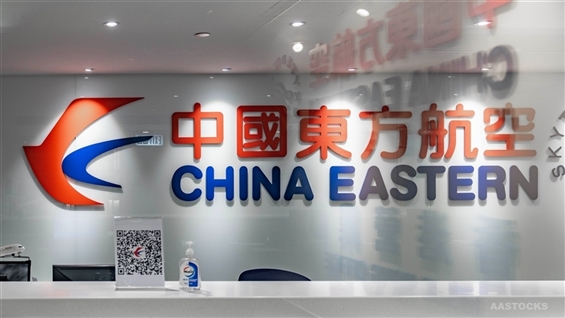
<Research> JPM Downgrades CHINA EAST AIR & CHINA SOUTH AIR to Underweight; Rising Oil Prices Counteract CN Aviation Recovery


Chinese Airlines Supply-Demand Dynamics: Chinese airlines are experiencing strong supply-demand dynamics, with capacity growth limited to 3-4% in 2026-27 due to aircraft delivery shortages, while the industry's load factor reached a historical high in 4Q25.
Impact of Geopolitical Tensions: The ongoing war between Iran and the US poses a significant short-term risk, causing Brent crude oil prices to surge by 50% to USD115 per barrel, impacting operating costs for airlines that lack fuel hedging.
JPMorgan's Oil Price Forecast: JPMorgan forecasts oil prices to stabilize at USD80 per barrel for 2026-27, which could lead to losses or near break-even for major Chinese airlines during that period.
Stock Ratings Adjustments: JPMorgan has upgraded AIR CHINA's rating from Underweight to Neutral, while downgrading CHINA EAST AIR and CHINA SOUTH AIR, reflecting cautious market sentiment amid geopolitical tensions and fluctuating oil prices.

HSI Drops 251 Points; Banking Sector Faces Pressure; MTR Corporation and OOIL Decline After Earnings Reports


Market Performance: The HSI closed down 251 points (1%) at 25,465, with significant declines in major stocks like HSBC and Standard Chartered, both dropping over 5%.
Inflation and Economic Indicators: China's inflation rate for February rose to 1.0%, while the M2 money supply remained unchanged at 9% year-on-year.
Commodity and Airline Stocks: CNOOC saw a 2.3% increase amid rising oil prices, while airline stocks like China Southern Airlines and Air China fell over 4%.
Tech Stock Movements: Major tech companies like Tencent and Alibaba experienced slight gains, while others like Meituan and Kuaishou saw declines of around 1-1.7%.
HSI Declines 123 Points at Noon; SWIRE PACIFIC A Increases by 5%; MTR CORPORATION Drops Over 6%
Market Performance: The HSI closed down 123 points (0.5%) at 25,593, with significant declines in major financial stocks like HSBC and Standard Chartered, while the total market turnover reached HKD126.059 billion.
Sector Movements: Oil stocks like PetroChina and CNOOC saw gains due to rising oil prices, while gold stocks and airlines experienced declines amid fluctuating market conditions.
Corporate Developments: Swire Group plans to raise HKD1.79 billion by selling a stake in Cathay Pacific, which saw a drop in its stock price, while Swire Pacific A's stock rose after announcing an increased dividend.
Tech Stock Trends: Major tech companies like Tencent and Alibaba saw slight increases, while others like Meituan and Kuaishou experienced minor declines, reflecting mixed performance in the tech sector.

HSI Drops 348 Points, OpenClaw Concepts Under Speculation; MINIMAX Rises 24%


Market Performance: The HSI fell by 1.4% to close at 25,408, with total market turnover reaching $392.33 billion. The HSCEI and HSTECH also experienced declines of 0.5% and 0.12%, respectively.
Oil and Energy Stocks: PETROCHINA and CNOOC saw increases of 2.3% and 3.3%, while KUNLUN ENERGY and SINOPEC CORP dropped by 3.9% and 4.4%. SHANDONG MOLONG surged by 25%, indicating volatility in the energy sector.
Commodities and Transportation Stocks: CHI SILVER GP and ZIJIN MINING fell by 7% and 2.8%, while SD GOLD rose by 3.7%. COSCO SHIP ENGY and Cathay Pacific Air experienced significant declines of 8.5% and 5.1%, respectively.
AI and Cloud Stocks Surge: AI stocks like KNOWLEDGE ATLAS and INSILICO rose by 8.1% and 7.1%, driven by the OpenClaw craze, while cloud service providers KINGSOFT CLOUD and GDS-SW increased by 13.7% and 5.9%.

HSI Declines by Approximately 600 Points; Cathay Pacific Airways Drops Around 6%, Three Major Chinese Airlines Plunge Over 10%; New York Oil Futures Surge 28%

Middle East Tensions and Oil Prices: The Strait of Hormuz has been blocked for seven days, leading to significant production cuts from Gulf oil-producing countries and a sharp rise in international oil prices, with New York oil futures increasing by 28.3% and Brent oil futures by 26.1%.
Impact on Stock Markets: The Hang Seng Index (HSI) opened significantly lower, dropping by 681 points and reaching a low of 24,906 before recovering slightly to 25,159, reflecting a 2.3% decline.
Airline Stocks Decline: Oil-sensitive airlines experienced substantial losses, with Cathay Pacific, China Eastern, Air China, and China Southern all seeing significant intraday drops, with declines ranging from 5.77% to 13.1%.
Short Selling Activity: There was notable short selling activity in airline stocks, with ratios indicating a high level of investor pessimism regarding their performance amidst rising oil prices and market volatility.

UBS Study: Three Chinese Airlines Could Face Losses if Oil Prices Reach USD 80 per Barrel
Impact of Mideast Conflict on Oil Prices: The recent conflict in the Mideast has led to a rise in oil prices, which is expected to negatively affect the earnings of China's aviation industry in the short term.
Earnings Forecast for Chinese Airlines: UBS predicts that if oil prices reach USD70 per barrel, the earnings of the three major Chinese airlines could decline by 40-60% by 2026.
Valuation Concerns: Chinese airlines are facing additional pressure due to their higher valuations compared to peers, leading to a maintained Sell rating for AIR CHINA and CHINA EAST AIR.
Potential Losses at Higher Oil Prices: Should oil prices rise to USD80 per barrel, all three major Chinese airlines may experience losses, further complicating their financial outlook.
<Research> JPM Downgrades CHINA EAST AIR & CHINA SOUTH AIR to Underweight; Rising Oil Prices Counteract CN Aviation Recovery
Chinese Airlines Supply-Demand Dynamics: Chinese airlines are experiencing strong supply-demand dynamics, with capacity growth limited to 3-4% in 2026-27 due to aircraft delivery shortages, while the industry's load factor reached a historical high in 4Q25.
Impact of Geopolitical Tensions: The ongoing war between Iran and the US poses a significant short-term risk, causing Brent crude oil prices to surge by 50% to USD115 per barrel, impacting operating costs for airlines that lack fuel hedging.
JPMorgan's Oil Price Forecast: JPMorgan forecasts oil prices to stabilize at USD80 per barrel for 2026-27, which could lead to losses or near break-even for major Chinese airlines during that period.
Stock Ratings Adjustments: JPMorgan has upgraded AIR CHINA's rating from Underweight to Neutral, while downgrading CHINA EAST AIR and CHINA SOUTH AIR, reflecting cautious market sentiment amid geopolitical tensions and fluctuating oil prices.
HSI Drops 251 Points; Banking Sector Faces Pressure; MTR Corporation and OOIL Decline After Earnings Reports
Market Performance: The HSI closed down 251 points (1%) at 25,465, with significant declines in major stocks like HSBC and Standard Chartered, both dropping over 5%.
Inflation and Economic Indicators: China's inflation rate for February rose to 1.0%, while the M2 money supply remained unchanged at 9% year-on-year.
Commodity and Airline Stocks: CNOOC saw a 2.3% increase amid rising oil prices, while airline stocks like China Southern Airlines and Air China fell over 4%.
Tech Stock Movements: Major tech companies like Tencent and Alibaba experienced slight gains, while others like Meituan and Kuaishou saw declines of around 1-1.7%.
HSI Declines 123 Points at Noon; SWIRE PACIFIC A Increases by 5%; MTR CORPORATION Drops Over 6%
Market Performance: The HSI closed down 123 points (0.5%) at 25,593, with significant declines in major financial stocks like HSBC and Standard Chartered, while the total market turnover reached HKD126.059 billion.
Sector Movements: Oil stocks like PetroChina and CNOOC saw gains due to rising oil prices, while gold stocks and airlines experienced declines amid fluctuating market conditions.
Corporate Developments: Swire Group plans to raise HKD1.79 billion by selling a stake in Cathay Pacific, which saw a drop in its stock price, while Swire Pacific A's stock rose after announcing an increased dividend.
Tech Stock Trends: Major tech companies like Tencent and Alibaba saw slight increases, while others like Meituan and Kuaishou experienced minor declines, reflecting mixed performance in the tech sector.
HSI Drops 348 Points, OpenClaw Concepts Under Speculation; MINIMAX Rises 24%
Market Performance: The HSI fell by 1.4% to close at 25,408, with total market turnover reaching $392.33 billion. The HSCEI and HSTECH also experienced declines of 0.5% and 0.12%, respectively.
Oil and Energy Stocks: PETROCHINA and CNOOC saw increases of 2.3% and 3.3%, while KUNLUN ENERGY and SINOPEC CORP dropped by 3.9% and 4.4%. SHANDONG MOLONG surged by 25%, indicating volatility in the energy sector.
Commodities and Transportation Stocks: CHI SILVER GP and ZIJIN MINING fell by 7% and 2.8%, while SD GOLD rose by 3.7%. COSCO SHIP ENGY and Cathay Pacific Air experienced significant declines of 8.5% and 5.1%, respectively.
AI and Cloud Stocks Surge: AI stocks like KNOWLEDGE ATLAS and INSILICO rose by 8.1% and 7.1%, driven by the OpenClaw craze, while cloud service providers KINGSOFT CLOUD and GDS-SW increased by 13.7% and 5.9%.
HSI Declines by Approximately 600 Points; Cathay Pacific Airways Drops Around 6%, Three Major Chinese Airlines Plunge Over 10%; New York Oil Futures Surge 28%
Middle East Tensions and Oil Prices: The Strait of Hormuz has been blocked for seven days, leading to significant production cuts from Gulf oil-producing countries and a sharp rise in international oil prices, with New York oil futures increasing by 28.3% and Brent oil futures by 26.1%.
Impact on Stock Markets: The Hang Seng Index (HSI) opened significantly lower, dropping by 681 points and reaching a low of 24,906 before recovering slightly to 25,159, reflecting a 2.3% decline.
Airline Stocks Decline: Oil-sensitive airlines experienced substantial losses, with Cathay Pacific, China Eastern, Air China, and China Southern all seeing significant intraday drops, with declines ranging from 5.77% to 13.1%.
Short Selling Activity: There was notable short selling activity in airline stocks, with ratios indicating a high level of investor pessimism regarding their performance amidst rising oil prices and market volatility.
UBS Study: Three Chinese Airlines Could Face Losses if Oil Prices Reach USD 80 per Barrel
Impact of Mideast Conflict on Oil Prices: The recent conflict in the Mideast has led to a rise in oil prices, which is expected to negatively affect the earnings of China's aviation industry in the short term.
Earnings Forecast for Chinese Airlines: UBS predicts that if oil prices reach USD70 per barrel, the earnings of the three major Chinese airlines could decline by 40-60% by 2026.
Valuation Concerns: Chinese airlines are facing additional pressure due to their higher valuations compared to peers, leading to a maintained Sell rating for AIR CHINA and CHINA EAST AIR.
Potential Losses at Higher Oil Prices: Should oil prices rise to USD80 per barrel, all three major Chinese airlines may experience losses, further complicating their financial outlook.