Aeva Reports Q1 Revenue of $6.3M, Beating Consensus
Reports Q1 revenue $6.3M, consensus $4.9M. "Following record revenue in the previous quarter, Aeva in Q1 achieved another new record quarterly revenue, driven by increasing commercial deployments of our perception platform and successful execution of major development milestones for top automotive OEM production programs," said Soroush Salehian, Co-founder and CEO at Aeva. "We also continued to advance on additional programs across automotive and other physical AI applications. With a growing list of opportunities, we are keenly focused on delivering on existing programs and scaling manufacturing to meeting more of the growing demand for Aeva's unique technology."
Trade with 70% Backtested Accuracy
Analyst Views on AEVA

About AEVA
About the author


Aeva Technologies Reports Record Q1 2026 Revenue and Strategic Partnerships

- Record Revenue: Aeva achieved a record revenue of $6.3 million in Q1 2026, representing a year-over-year increase of approximately 90%, indicating strong commercial momentum driven by scaling sensor shipments across multiple markets.
- Strategic Partnership Progress: The commencement of Atlas product deliveries to Daimler Truck highlights the maturity of Aeva's technology and is a critical step towards the OEM's series production, with a target launch expected in 2027.
- Smart Infrastructure Expansion: The launch of Aeva CityOS in Georgia marks the first large-scale deployment, expanding to 30 intersections in the Greater Atlanta area, showcasing the company's potential in intelligent traffic management solutions.
- Strong Liquidity Position: Aeva reported total available liquidity of $224.5 million at the end of Q1, including $99.5 million in cash and cash equivalents, ensuring sufficient funding for future expansion and R&D initiatives.

Aeva Delivers Long-Range 4D LiDAR Sensors for Autonomous Trucks
- Technological Milestone: Aeva has delivered initial Atlas 4D LiDAR C-samples to Daimler Truck North America, marking significant progress towards the production of SAE Level 4 autonomous trucks, which is expected to enhance the competitiveness of autonomous trucking in the market.
- Deepening Collaboration: Rakesh Aneja, Head of Corporate Development at Daimler Truck, stated that the delivery of C-samples reflects the maturity of Aeva's technology, and the collaboration will drive the market introduction of safe and reliable autonomous solutions, strengthening their strategic partnership.
- Sensor Performance: The Atlas sensor boasts a long-range detection capability of up to 500 meters, enabling precise identification and tracking of objects at highway speeds, thereby enhancing the safety and reliability of autonomous systems to meet future market demands for autonomous driving technology.
- Market Outlook: Aeva's FMCW technology allows its sensors to simultaneously measure distance and velocity, improving performance in complex driving environments, and is expected to drive widespread adoption of autonomous trucks in North America, further solidifying Aeva's leadership position in the industry.
AI Sparks Potential Blue-Collar Renaissance Amid Job Disruption Fears


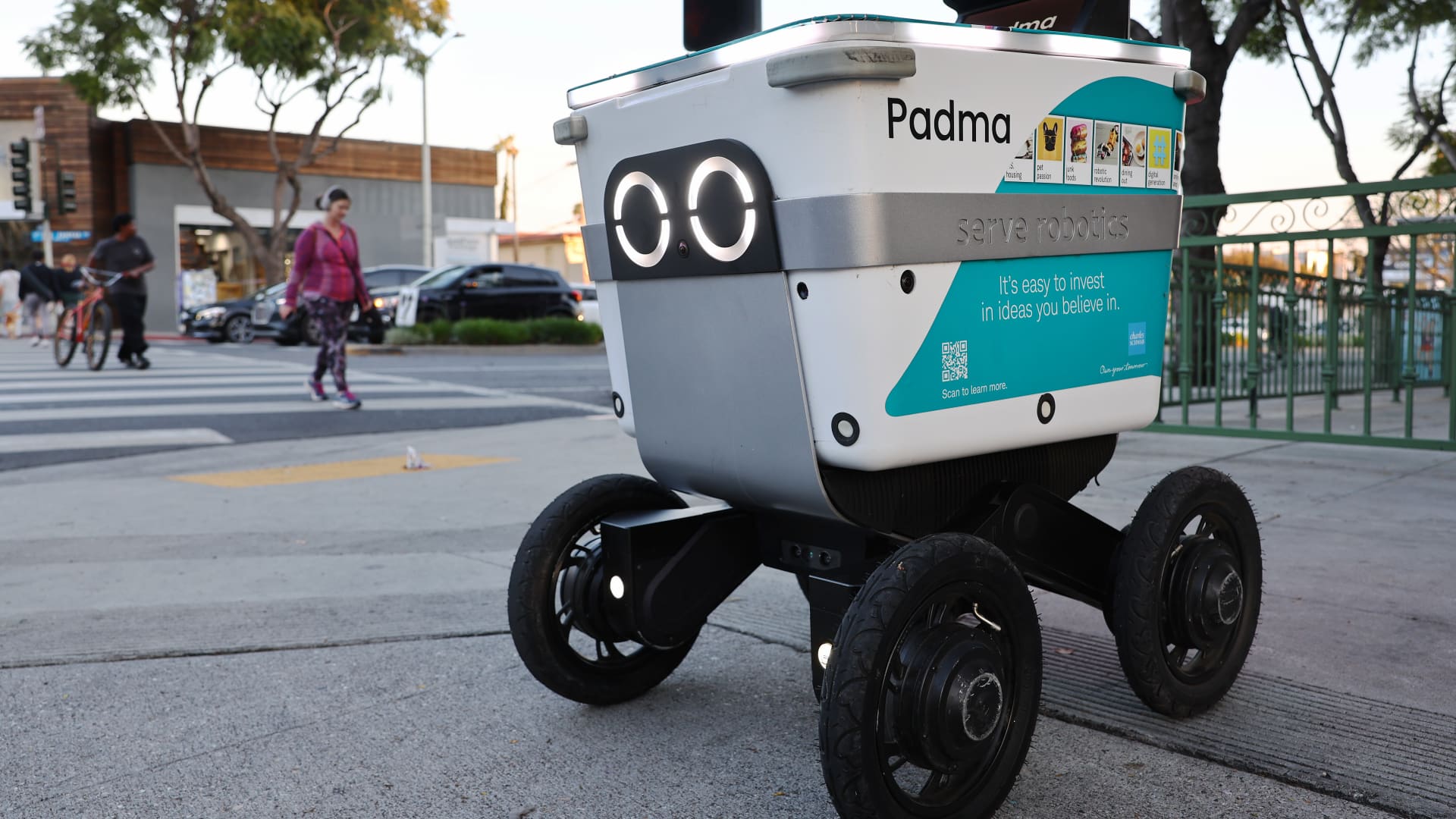
- Blue-Collar Employment Revival: Oppenheimer analysts suggest that while AI may rapidly displace white-collar jobs, it could simultaneously drive demand for blue-collar roles, particularly in manufacturing, with employment projected to remain below pre-pandemic levels by 2026.
- Investment Theme Analysis: Oppenheimer outlined five investable themes, including the physical-to-digital connection, emphasizing the value of sensors and data pipelines, with companies in this space expected to benefit from automation trends, including Aeva Technologies and Tesla.
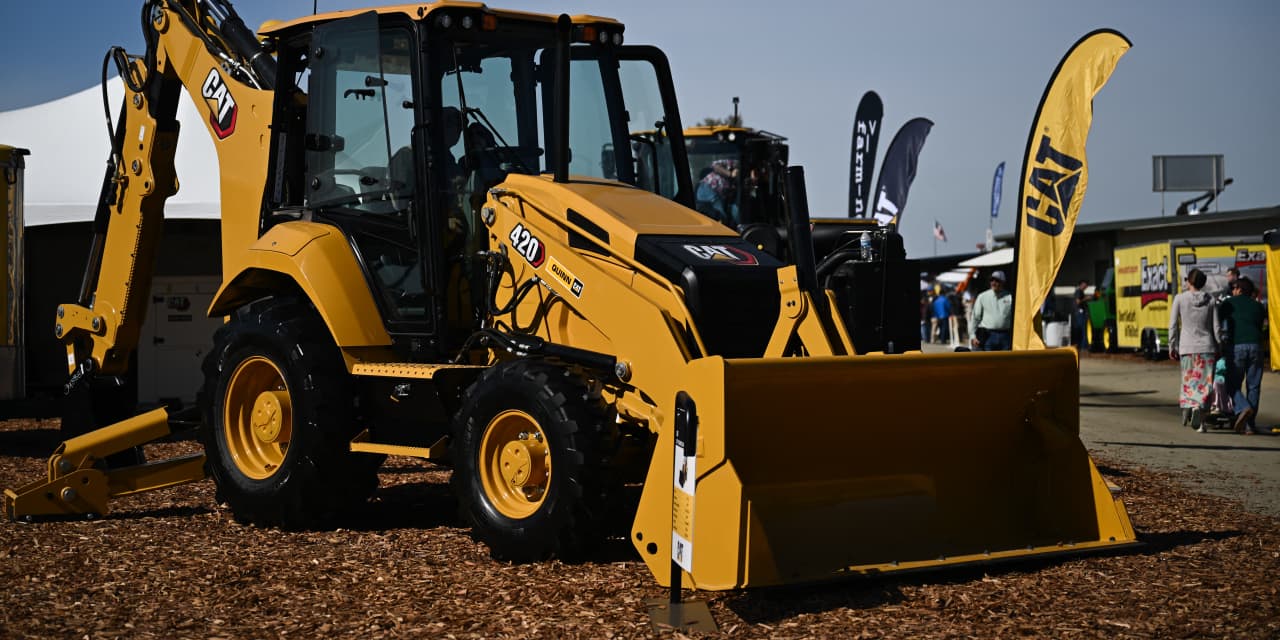
- Automation Tools Opportunity: The analysts identified automation tools that can reskill transitioning workforces, recommending companies like Caterpillar and Rockwell Automation, which enhance worksite experiences through task automation and AI agents.
- Autonomous Systems Development: Oppenheimer also highlighted companies supporting autonomous physical systems, such as Mobileye Global and Aurora Innovation, noting that as fully autonomous solutions are commercialized, human roles will still be essential for remote monitoring and maintenance to ensure safety and problem resolution.
Aeva Launches AI-Powered CityOS for Smart Transportation
- Innovation in Transportation Systems: Aeva's CityOS platform integrates 4D LiDAR sensors with edge AI processing to enhance urban traffic intelligence in real-time, expected to significantly improve safety and efficiency while aiding cities in more effective transportation planning.
- Real-Time Data Processing: Utilizing the NVIDIA AGX Orin platform for local edge processing, CityOS delivers low-latency AI inference that continuously monitors and classifies road users, enhancing decision-making capabilities for traffic engineers and optimizing traffic flow.
- Comprehensive Coverage and Privacy Protection: The system operates under various lighting conditions, providing full intersection coverage and precise object classification while ensuring user privacy without relying on cameras, meeting the demands of future smart cities.
- Broad Market Application Potential: CityOS is now deployable across urban transportation networks globally, with applications including traffic flow monitoring and accident prevention, poised to drive the future development of smart cities.
Deere, Caterpillar, and 10 Additional Stocks Driving a Blue Collar Revival Fueled by AI


AI's Impact on Stock Trades: Artificial intelligence is significantly influencing stock market activities, acting as both a catalyst for growth and a source of concern for investors.
Hyperscaler Spending: Companies associated with hyperscalers are experiencing stock boosts due to increased spending on AI data centers.
Software Companies at Risk: Conversely, fears of obsolescence are causing declines in the stock prices of software companies that may not adapt to AI advancements.
Dual Nature of AI: The dual role of AI as both a beneficial and detrimental force highlights the volatility and uncertainty in the tech sector.
Aeva Celebrates Fifth Anniversary by Ringing Nasdaq Closing Bell
- Fifth Anniversary Celebration: Aeva will ring the Nasdaq Closing Bell on March 17, 2026, marking its fifth anniversary as a public company, which signifies robust growth in the capital markets.
- Leadership Attendance: Co-founders Soroush Salehian and Mina Rezk will lead the ceremony, showcasing the company's executive confidence and commitment to future development.
- Market Expansion Strategy: Aeva is expanding into new markets such as automotive, factory automation, smart infrastructure, and defense through its differentiated perception platform to meet the increasing demand for physical AI applications, further solidifying its market leadership.
- Innovation-Driven Technology: Aeva's 4D LiDAR sensors uniquely detect velocity and position simultaneously, enabling automated devices like vehicles and robots to make more intelligent and safe decisions, driving the company's technological leadership in autonomous driving and smart devices.
Aeva Technologies Reports Record Q1 2026 Revenue and Strategic Partnerships
- Record Revenue: Aeva achieved a record revenue of $6.3 million in Q1 2026, representing a year-over-year increase of approximately 90%, indicating strong commercial momentum driven by scaling sensor shipments across multiple markets.
- Strategic Partnership Progress: The commencement of Atlas product deliveries to Daimler Truck highlights the maturity of Aeva's technology and is a critical step towards the OEM's series production, with a target launch expected in 2027.
- Smart Infrastructure Expansion: The launch of Aeva CityOS in Georgia marks the first large-scale deployment, expanding to 30 intersections in the Greater Atlanta area, showcasing the company's potential in intelligent traffic management solutions.
- Strong Liquidity Position: Aeva reported total available liquidity of $224.5 million at the end of Q1, including $99.5 million in cash and cash equivalents, ensuring sufficient funding for future expansion and R&D initiatives.
Aeva Delivers Long-Range 4D LiDAR Sensors for Autonomous Trucks
- Technological Milestone: Aeva has delivered initial Atlas 4D LiDAR C-samples to Daimler Truck North America, marking significant progress towards the production of SAE Level 4 autonomous trucks, which is expected to enhance the competitiveness of autonomous trucking in the market.
- Deepening Collaboration: Rakesh Aneja, Head of Corporate Development at Daimler Truck, stated that the delivery of C-samples reflects the maturity of Aeva's technology, and the collaboration will drive the market introduction of safe and reliable autonomous solutions, strengthening their strategic partnership.
- Sensor Performance: The Atlas sensor boasts a long-range detection capability of up to 500 meters, enabling precise identification and tracking of objects at highway speeds, thereby enhancing the safety and reliability of autonomous systems to meet future market demands for autonomous driving technology.
- Market Outlook: Aeva's FMCW technology allows its sensors to simultaneously measure distance and velocity, improving performance in complex driving environments, and is expected to drive widespread adoption of autonomous trucks in North America, further solidifying Aeva's leadership position in the industry.
AI Sparks Potential Blue-Collar Renaissance Amid Job Disruption Fears
- Blue-Collar Employment Revival: Oppenheimer analysts suggest that while AI may rapidly displace white-collar jobs, it could simultaneously drive demand for blue-collar roles, particularly in manufacturing, with employment projected to remain below pre-pandemic levels by 2026.
- Investment Theme Analysis: Oppenheimer outlined five investable themes, including the physical-to-digital connection, emphasizing the value of sensors and data pipelines, with companies in this space expected to benefit from automation trends, including Aeva Technologies and Tesla.
- Automation Tools Opportunity: The analysts identified automation tools that can reskill transitioning workforces, recommending companies like Caterpillar and Rockwell Automation, which enhance worksite experiences through task automation and AI agents.
- Autonomous Systems Development: Oppenheimer also highlighted companies supporting autonomous physical systems, such as Mobileye Global and Aurora Innovation, noting that as fully autonomous solutions are commercialized, human roles will still be essential for remote monitoring and maintenance to ensure safety and problem resolution.
Aeva Launches AI-Powered CityOS for Smart Transportation
- Innovation in Transportation Systems: Aeva's CityOS platform integrates 4D LiDAR sensors with edge AI processing to enhance urban traffic intelligence in real-time, expected to significantly improve safety and efficiency while aiding cities in more effective transportation planning.
- Real-Time Data Processing: Utilizing the NVIDIA AGX Orin platform for local edge processing, CityOS delivers low-latency AI inference that continuously monitors and classifies road users, enhancing decision-making capabilities for traffic engineers and optimizing traffic flow.
- Comprehensive Coverage and Privacy Protection: The system operates under various lighting conditions, providing full intersection coverage and precise object classification while ensuring user privacy without relying on cameras, meeting the demands of future smart cities.
- Broad Market Application Potential: CityOS is now deployable across urban transportation networks globally, with applications including traffic flow monitoring and accident prevention, poised to drive the future development of smart cities.
Deere, Caterpillar, and 10 Additional Stocks Driving a Blue Collar Revival Fueled by AI
AI's Impact on Stock Trades: Artificial intelligence is significantly influencing stock market activities, acting as both a catalyst for growth and a source of concern for investors.
Hyperscaler Spending: Companies associated with hyperscalers are experiencing stock boosts due to increased spending on AI data centers.
Software Companies at Risk: Conversely, fears of obsolescence are causing declines in the stock prices of software companies that may not adapt to AI advancements.
Dual Nature of AI: The dual role of AI as both a beneficial and detrimental force highlights the volatility and uncertainty in the tech sector.
Aeva Celebrates Fifth Anniversary by Ringing Nasdaq Closing Bell
- Fifth Anniversary Celebration: Aeva will ring the Nasdaq Closing Bell on March 17, 2026, marking its fifth anniversary as a public company, which signifies robust growth in the capital markets.
- Leadership Attendance: Co-founders Soroush Salehian and Mina Rezk will lead the ceremony, showcasing the company's executive confidence and commitment to future development.
- Market Expansion Strategy: Aeva is expanding into new markets such as automotive, factory automation, smart infrastructure, and defense through its differentiated perception platform to meet the increasing demand for physical AI applications, further solidifying its market leadership.
- Innovation-Driven Technology: Aeva's 4D LiDAR sensors uniquely detect velocity and position simultaneously, enabling automated devices like vehicles and robots to make more intelligent and safe decisions, driving the company's technological leadership in autonomous driving and smart devices.