Abbott Reveals New Data on Diabetic Ketoacidosis
Written by Emily J. Thompson, Senior Investment Analyst
Updated: 2 days ago
0mins
Source: PRnewswire
- Current DKA Landscape: Abbott's data presented at the American Diabetes Association's Scientific Sessions indicates a significant rise in diabetic ketoacidosis (DKA) hospitalizations across all age groups, highlighting that despite advancements in diabetes technology, early detection remains inadequate, impacting patient health and healthcare costs.
- Limitations of Monitoring Technology: While continuous glucose monitors (CGMs) are essential for diabetes management, they currently do not measure ketones, allowing DKA to develop rapidly even when glucose levels appear stable, underscoring the need for improved ketone monitoring solutions.
- Launch of New Technology: Abbott has developed dual glucose-ketone sensing technology designed to monitor both glucose and ketone levels with a single sensor, which has received CE Mark approval and a regulatory submission to the FDA, expected to enhance daily diabetes management and early risk detection for patients.
- Education and Awareness Initiatives: Research indicates that 64% of diabetes patients do not regularly test for ketones, and Abbott emphasizes the critical need to raise public awareness about DKA and its symptoms to reduce hospitalization rates and associated healthcare costs due to diagnostic delays.
Trade with 70% Backtested Accuracy
Stop guessing "Should I Buy ABT?" and start using high-conviction signals backed by rigorous historical data.
Sign up today to access powerful investing tools and make smarter, data-driven decisions.
Analyst Views on ABT
Wall Street analysts forecast ABT stock price to rise
19 Analyst Rating
17 Buy
2 Hold
0 Sell
Strong Buy
Current: 91.070

Low
136.00
Averages
148.11
High
169.00
Current: 91.070
Low
136.00
Averages
148.11
High
169.00
About ABT
Abbott Laboratories is a global healthcare company. The Company’s principal business is the discovery, development, manufacture, and sale of a broad and diversified line of healthcare products. Its segments include Established Pharmaceutical Products, Diagnostic Products, Nutritional Products, and Medical Devices. Established Pharmaceutical Products segment is engaged in the international sales of a broad line of branded generic pharmaceutical products. Diagnostic Products segment is involved in the worldwide sales of diagnostic systems and tests for blood banks, hospitals, commercial laboratories and alternate-care testing sites. Nutritional Products segment is engaged in the worldwide sales of a broad line of adult and pediatric nutritional products. Medical Devices segment is involved in the worldwide sales of rhythm management, electrophysiology, heart failure, vascular, structural heart, neuromodulation and diabetes care products. It serves people in more than 160 countries.
About the author

Emily J. Thompson
Emily J. Thompson, a Chartered Financial Analyst (CFA) with 12 years in investment research, graduated with honors from the Wharton School. Specializing in industrial and technology stocks, she provides in-depth analysis for Intellectia’s earnings and market brief reports.

Abbott's Healthy Food Program Significantly Improves Health of Diabetes Patients

- Significant Improvements: In a six-month study, 284 adults with type 2 diabetes participating in Abbott's Healthy Food Rx program, combined with community health worker coaching, showed major enhancements in diet, physical activity, and self-management, demonstrating the effectiveness of health interventions.
- Healthy Food Delivery: Participants received bi-weekly family-sized healthy food boxes containing staples, proteins, fruits, and vegetables, along with access to online cooking classes, facilitating positive dietary changes and improving overall health outcomes.
- Role of Community Support: The culturally responsive coaching provided by community health workers not only fostered trust among participants but also helped them manage diabetes more effectively through regular follow-ups and goal-setting, highlighting the significance of community-centered approaches in chronic disease management.
- Long-term Impact Potential: Abbott's Healthy Food Rx program has reached 2,100 participants, with findings indicating that the combination of healthy food access and supportive coaching can effectively lower A1C levels and enhance diet quality, providing a strategic foundation for future health interventions.
See More

Beyond Meat's Strategic Shift to Protein Drinks Amid Financial Struggles


- Sales Decline: Beyond Meat reported a net revenue of $275 million in 2025, reflecting a 16% year-over-year drop, indicating waning consumer interest in its plant-based meat products, which has severely impacted market confidence and investor sentiment.
- Increased Operating Losses: The company's operating losses surged to $333 million in 2025, more than doubling from 2024, as the cost of goods sold nearly matched revenue, highlighting ongoing profitability challenges that necessitated a strategic pivot.
- New Product Launch: In response to these challenges, Beyond Meat launched its Beyond Immerse protein drink line in January 2026, entering a $35 billion market projected to grow at a 9.4% CAGR; however, the company's lack of commitment to this product line raises doubts about its potential to regain investor confidence.
- Poor Financial Performance: In Q1 2026, Beyond Meat's net revenue fell to $58 million, down 15% year-over-year, and while losses improved, the absence of any signs of financial recovery suggests that investors should remain cautious about the company's future performance.
See More
Beyond Meat Launches Limited-Time Protein Drink Line
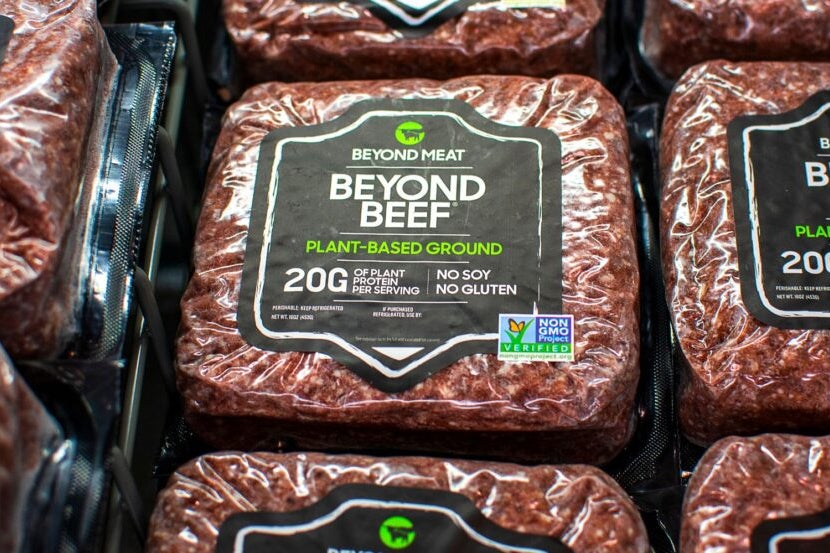
- Market Challenges: According to research data, the protein drink industry is growing at high single-digit levels, while Beyond Meat's net revenue fell to $275 million in 2025, down 16% year-over-year, indicating a decline in consumer interest in its plant-based meat products and resulting in severe financial challenges for the company.
- Product Launch: Beyond Meat launched its Beyond Immerse line of protein drinks in January 2026, and although the market is projected to reach $35 billion with a 9.4% CAGR through 2032, the product's limited-time offering has failed to boost investor confidence significantly.
- Deteriorating Financials: In Q1 2026, Beyond Meat reported net revenue of $58 million, a 15% year-over-year decline, and while losses improved from $61 million to $28 million, the company has yet to show signs of financial recovery, reflecting its vulnerable position in a competitive beverage market.
- Bleak Investment Outlook: Competing against industry giants like PepsiCo and Coca-Cola, Beyond Meat's protein drinks have not proven to be the turnaround catalyst needed for its stock, leading investors to approach the stock with caution unless the products gain traction and demonstrate sales growth.
See More
Grail: A Potential Sleeper Stock in Liquid Biopsies

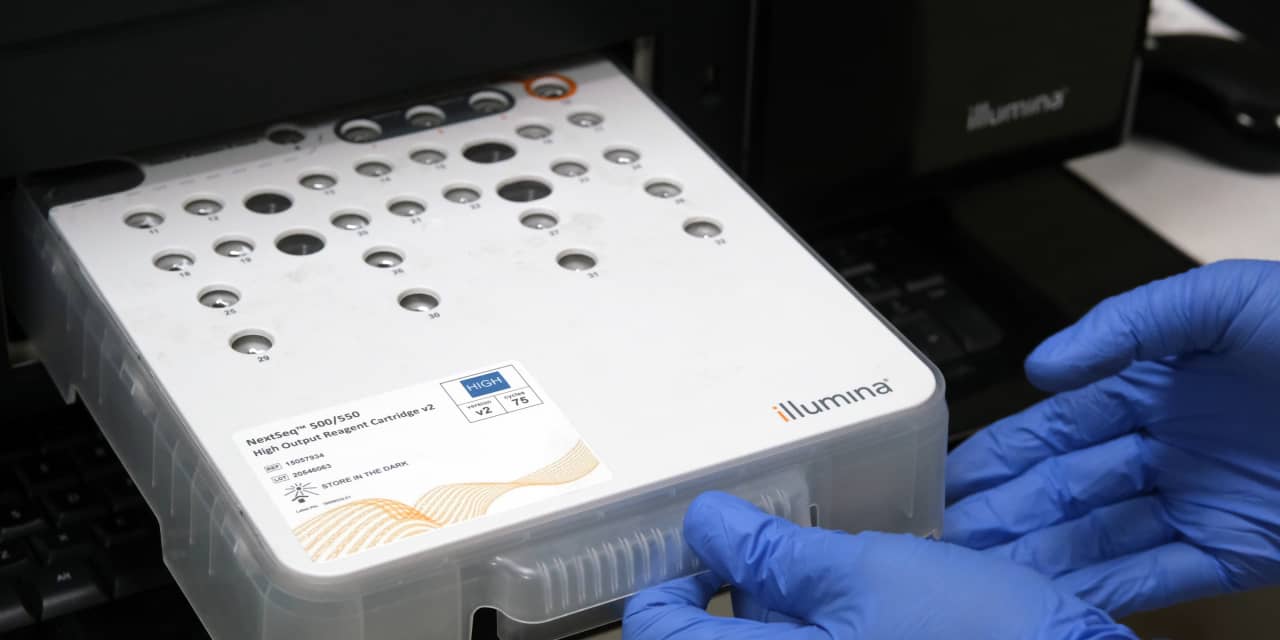
- Massive Market Opportunity: With a market cap of approximately $2.6 billion, Grail focuses on early cancer detection through its Galleri test, which screens for over 50 cancer types, including ovarian, pancreatic, and liver/bile duct cancers that currently lack screening options, highlighting its significant potential in the projected $50 billion liquid biopsy market.
- Significant Clinical Results: At the 2026 American Society of Clinical Oncology Annual Meeting, Grail presented results from the NHS Galleri 2 and Pathfinder 2 trials, demonstrating that Galleri reduced stage IV diagnoses of 12 cancer types by over 20% and detected four times as many cancers when added to standard care, underscoring its effectiveness in early cancer detection.
- FDA Application Progress: Grail submitted its application for full FDA approval of Galleri in January 2026, and if approved, insurers are likely to quickly begin reimbursing the test, further enhancing market acceptance, especially with the support of the Medicare Multi-Cancer Early Detection Screening Coverage Act.
- Investment Risks and Rewards: Despite reporting a net loss of $93.2 million in Q1 2026 and facing competition from Exact Sciences and Guardant Health, Grail's stock could skyrocket if it secures FDA approval and payer reimbursements, making it a focal point for patient investors.
See More

Grail's Multi-Cancer Early Detection Test Awaits FDA Approval
- Massive Market Potential: Grail's Galleri test screens for over 50 types of cancer, including ovarian, pancreatic, and liver/bile duct cancers that currently lack screening options, with the liquid biopsy market projected to reach $50 billion, highlighting significant commercial opportunities in early cancer detection.
- Positive Clinical Study Results: At the 2026 American Society of Clinical Oncology Annual Meeting, results from Galleri's NHS Galleri 2 and Pathfinder 2 trials showed over a 20% reduction in stage IV cancer diagnoses and a 16% increase in detection rates for stage I and II cancers, providing strong support for FDA approval.
- Optimistic FDA Approval Outlook: Grail submitted its application for full FDA approval of Galleri in January 2026, and if approved, insurers are likely to quickly begin reimbursing the test, further enhancing market acceptance and sales growth.
- Investment Risks and Opportunities: Despite posting a net loss of $93.2 million in Q1 2026 and facing competition from Exact Sciences and Guardant Health, if Galleri secures FDA approval and payer reimbursements, its stock price could skyrocket, drawing increased investor attention.
See More
AbbVie: A Steady Dividend Growth Stock


- Dividend Growth History: Since going public in 2013, AbbVie has increased its quarterly cash dividend from $0.40 to $1.73 per share, reflecting an annualized growth rate of nearly 12%, underscoring its tradition as a reliable dividend stock.
- Dividend Yield: Currently, AbbVie offers a forward dividend yield of around 3%, providing a relatively high yield given its share price, while trading at approximately 16 times forward earnings, which remains attractive compared to peers.
- Earnings Expectations: AbbVie is projected to report adjusted earnings of $10 per share in 2025, increasing to $16.23 per share by 2027, indicating strong earnings growth potential, especially as competitors like Pfizer face expected declines.
- Sustainable Dividend Policy: With a payout ratio of 42%, AbbVie operates within sustainable levels, and its recent dividend growth averaging 5% to 6% suggests the likelihood of continued increases, appealing to long-term investors.
See More
Abbott's Healthy Food Program Significantly Improves Health of Diabetes Patients
- Significant Improvements: In a six-month study, 284 adults with type 2 diabetes participating in Abbott's Healthy Food Rx program, combined with community health worker coaching, showed major enhancements in diet, physical activity, and self-management, demonstrating the effectiveness of health interventions.
- Healthy Food Delivery: Participants received bi-weekly family-sized healthy food boxes containing staples, proteins, fruits, and vegetables, along with access to online cooking classes, facilitating positive dietary changes and improving overall health outcomes.
- Role of Community Support: The culturally responsive coaching provided by community health workers not only fostered trust among participants but also helped them manage diabetes more effectively through regular follow-ups and goal-setting, highlighting the significance of community-centered approaches in chronic disease management.
- Long-term Impact Potential: Abbott's Healthy Food Rx program has reached 2,100 participants, with findings indicating that the combination of healthy food access and supportive coaching can effectively lower A1C levels and enhance diet quality, providing a strategic foundation for future health interventions.
See More
Beyond Meat's Strategic Shift to Protein Drinks Amid Financial Struggles
- Sales Decline: Beyond Meat reported a net revenue of $275 million in 2025, reflecting a 16% year-over-year drop, indicating waning consumer interest in its plant-based meat products, which has severely impacted market confidence and investor sentiment.
- Increased Operating Losses: The company's operating losses surged to $333 million in 2025, more than doubling from 2024, as the cost of goods sold nearly matched revenue, highlighting ongoing profitability challenges that necessitated a strategic pivot.
- New Product Launch: In response to these challenges, Beyond Meat launched its Beyond Immerse protein drink line in January 2026, entering a $35 billion market projected to grow at a 9.4% CAGR; however, the company's lack of commitment to this product line raises doubts about its potential to regain investor confidence.
- Poor Financial Performance: In Q1 2026, Beyond Meat's net revenue fell to $58 million, down 15% year-over-year, and while losses improved, the absence of any signs of financial recovery suggests that investors should remain cautious about the company's future performance.
See More
Beyond Meat Launches Limited-Time Protein Drink Line
- Market Challenges: According to research data, the protein drink industry is growing at high single-digit levels, while Beyond Meat's net revenue fell to $275 million in 2025, down 16% year-over-year, indicating a decline in consumer interest in its plant-based meat products and resulting in severe financial challenges for the company.
- Product Launch: Beyond Meat launched its Beyond Immerse line of protein drinks in January 2026, and although the market is projected to reach $35 billion with a 9.4% CAGR through 2032, the product's limited-time offering has failed to boost investor confidence significantly.
- Deteriorating Financials: In Q1 2026, Beyond Meat reported net revenue of $58 million, a 15% year-over-year decline, and while losses improved from $61 million to $28 million, the company has yet to show signs of financial recovery, reflecting its vulnerable position in a competitive beverage market.
- Bleak Investment Outlook: Competing against industry giants like PepsiCo and Coca-Cola, Beyond Meat's protein drinks have not proven to be the turnaround catalyst needed for its stock, leading investors to approach the stock with caution unless the products gain traction and demonstrate sales growth.
See More
Grail: A Potential Sleeper Stock in Liquid Biopsies
- Massive Market Opportunity: With a market cap of approximately $2.6 billion, Grail focuses on early cancer detection through its Galleri test, which screens for over 50 cancer types, including ovarian, pancreatic, and liver/bile duct cancers that currently lack screening options, highlighting its significant potential in the projected $50 billion liquid biopsy market.
- Significant Clinical Results: At the 2026 American Society of Clinical Oncology Annual Meeting, Grail presented results from the NHS Galleri 2 and Pathfinder 2 trials, demonstrating that Galleri reduced stage IV diagnoses of 12 cancer types by over 20% and detected four times as many cancers when added to standard care, underscoring its effectiveness in early cancer detection.
- FDA Application Progress: Grail submitted its application for full FDA approval of Galleri in January 2026, and if approved, insurers are likely to quickly begin reimbursing the test, further enhancing market acceptance, especially with the support of the Medicare Multi-Cancer Early Detection Screening Coverage Act.
- Investment Risks and Rewards: Despite reporting a net loss of $93.2 million in Q1 2026 and facing competition from Exact Sciences and Guardant Health, Grail's stock could skyrocket if it secures FDA approval and payer reimbursements, making it a focal point for patient investors.
See More
Grail's Multi-Cancer Early Detection Test Awaits FDA Approval
- Massive Market Potential: Grail's Galleri test screens for over 50 types of cancer, including ovarian, pancreatic, and liver/bile duct cancers that currently lack screening options, with the liquid biopsy market projected to reach $50 billion, highlighting significant commercial opportunities in early cancer detection.
- Positive Clinical Study Results: At the 2026 American Society of Clinical Oncology Annual Meeting, results from Galleri's NHS Galleri 2 and Pathfinder 2 trials showed over a 20% reduction in stage IV cancer diagnoses and a 16% increase in detection rates for stage I and II cancers, providing strong support for FDA approval.
- Optimistic FDA Approval Outlook: Grail submitted its application for full FDA approval of Galleri in January 2026, and if approved, insurers are likely to quickly begin reimbursing the test, further enhancing market acceptance and sales growth.
- Investment Risks and Opportunities: Despite posting a net loss of $93.2 million in Q1 2026 and facing competition from Exact Sciences and Guardant Health, if Galleri secures FDA approval and payer reimbursements, its stock price could skyrocket, drawing increased investor attention.
See More
AbbVie: A Steady Dividend Growth Stock
- Dividend Growth History: Since going public in 2013, AbbVie has increased its quarterly cash dividend from $0.40 to $1.73 per share, reflecting an annualized growth rate of nearly 12%, underscoring its tradition as a reliable dividend stock.
- Dividend Yield: Currently, AbbVie offers a forward dividend yield of around 3%, providing a relatively high yield given its share price, while trading at approximately 16 times forward earnings, which remains attractive compared to peers.
- Earnings Expectations: AbbVie is projected to report adjusted earnings of $10 per share in 2025, increasing to $16.23 per share by 2027, indicating strong earnings growth potential, especially as competitors like Pfizer face expected declines.
- Sustainable Dividend Policy: With a payout ratio of 42%, AbbVie operates within sustainable levels, and its recent dividend growth averaging 5% to 6% suggests the likelihood of continued increases, appealing to long-term investors.
See More