Uber and Autobrains Launch Robotaxi Program in Munich
Written by Emily J. Thompson, Senior Investment Analyst
Updated: Jun 01 2026
0mins
Source: Newsfilter
Uber Technologies Inc. shares rose by 5.00% as the stock reached a 5-day high amid positive market conditions.
The increase in Uber's stock price is attributed to the announcement of a collaboration with Autobrains to launch a robotaxi program in Munich, integrating advanced AI technology for autonomous driving. This strategic initiative is expected to enhance Uber's competitive position in the autonomous mobility sector, particularly in Europe, where the demand for such services is growing.
This partnership not only signifies Uber's commitment to expanding its autonomous ride-hailing services but also positions the company favorably in a rapidly evolving market, potentially attracting further investment and interest from stakeholders.
Trade with 70% Backtested Accuracy
Stop guessing "Should I Buy UBER?" and start using high-conviction signals backed by rigorous historical data.
Sign up today to access powerful investing tools and make smarter, data-driven decisions.
Analyst Views on UBER
Wall Street analysts forecast UBER stock price to rise
32 Analyst Rating
28 Buy
3 Hold
1 Sell
Strong Buy
Current: 73.600

Low
72.00
Averages
107.10
High
150.00
Current: 73.600
Low
72.00
Averages
107.10
High
150.00
About UBER
Uber Technologies, Inc. operates a technology platform that uses network and technology to power movement from point A to point B. It develops and operates technology applications supporting a variety of offerings on its platform (platform(s)). Its segments include Mobility, Delivery and Freight. Mobility products connect consumers with drivers who provide rides in a variety of vehicles, such as cars, auto rickshaws, motorbikes, minibuses, or taxis. Delivery offerings allow consumers to search for and discover local restaurants, order a meal, and either pick-up at the restaurant or have the meal delivered. In certain markets, the Delivery segment provides offerings for grocery, alcohol, and convenience store delivery as well as select other goods. The Freight segment connects carriers with shippers on its platform, and gives carriers upfront, pricing and the ability to book a shipment. The Freight segment also includes transportation management and other logistics service offerings.
About the author

Emily J. Thompson
Emily J. Thompson, a Chartered Financial Analyst (CFA) with 12 years in investment research, graduated with honors from the Wharton School. Specializing in industrial and technology stocks, she provides in-depth analysis for Intellectia’s earnings and market brief reports.
SpaceX IPO Raises Record $75 Billion Amid Market Concerns


- Historic IPO Financing: SpaceX made its public debut on June 12, raising a record $75 billion and achieving a market value of $1.7 trillion at the IPO price, indicating strong market confidence in its growth potential.
- Stock Price Volatility: After soaring 50% in the first three trading days to a high of $202, SpaceX's stock has since fallen 26% to $150 due to concerns over its recent bond offering and upcoming lockup expirations, reflecting market caution regarding its short-term performance.
- Historical Performance Forecast: Historical data suggests that SpaceX's stock could drop 23% in the next year, potentially falling to $104, which implies a 30% downside risk for investors, posing a significant concern for new buyers.
- Impact of Increased Float: SpaceX issued 555 million shares in its IPO, with less than 5% currently available for trading; as lockup periods expire, the float is expected to increase to at least 3 billion shares by late October, which could lead to further stock price declines, necessitating careful investor consideration.
See More

Analysis of SpaceX IPO Stock Price Fluctuations

- IPO Performance Review: SpaceX went public on June 12, raising a record $75 billion with a market cap of $1.7 trillion, although the stock initially surged 19% to $161, it later fell 26% to $150 due to market concerns, highlighting the volatility risks post-IPO.
- Future Price Predictions: Historical data suggests that SpaceX's stock could drop to $132 by 2027, indicating an 11% downside from the current price, while it may fall to $104 within the first year, representing a potential 30% decline, urging investors to exercise caution.
- Increase in Float: Following the IPO, the number of SpaceX shares available for trading will rise from 555 million to at least 1.5 billion, and potentially 3 billion by late October, which could exert downward pressure on the stock price as supply increases, necessitating investor vigilance regarding market dynamics.
- Market Valuation Analysis: Currently, SpaceX trades at 101 times sales, significantly higher than Rocket Lab's 73 times, indicating its lofty valuation, prompting investors to carefully assess its future growth potential before making investment decisions.
See More
David Tepper's Heavy Investment in AI Stocks


- Portfolio Overview: David Tepper's Appaloosa held 39 positions worth over $5.9 billion at the end of March, with six positions accounting for 56% of invested assets, indicating a strong focus on the AI revolution.
- Key Holdings Analysis: Tepper's largest holdings include Amazon (15.2%), Micron Technology (9.5%), and Alphabet (8.4%), all of which play critical roles in the AI sector, enhancing the growth potential of his portfolio.
- Surging Hardware Demand: Micron and Taiwan Semiconductor are essential hardware suppliers for data center build-outs, and with skyrocketing demand for AI hardware, both companies enjoy exceptional market demand and pricing power, further solidifying their market positions.
- Cloud Services Growth: Amazon, Alphabet, and Alibaba excel in cloud infrastructure services, with AWS sales growth reaching 28%, Alphabet's Google Cloud increasing by 63%, and Alibaba's Cloud Intelligence Group growing by 38%, reflecting strong market demand for AI applications.
See More
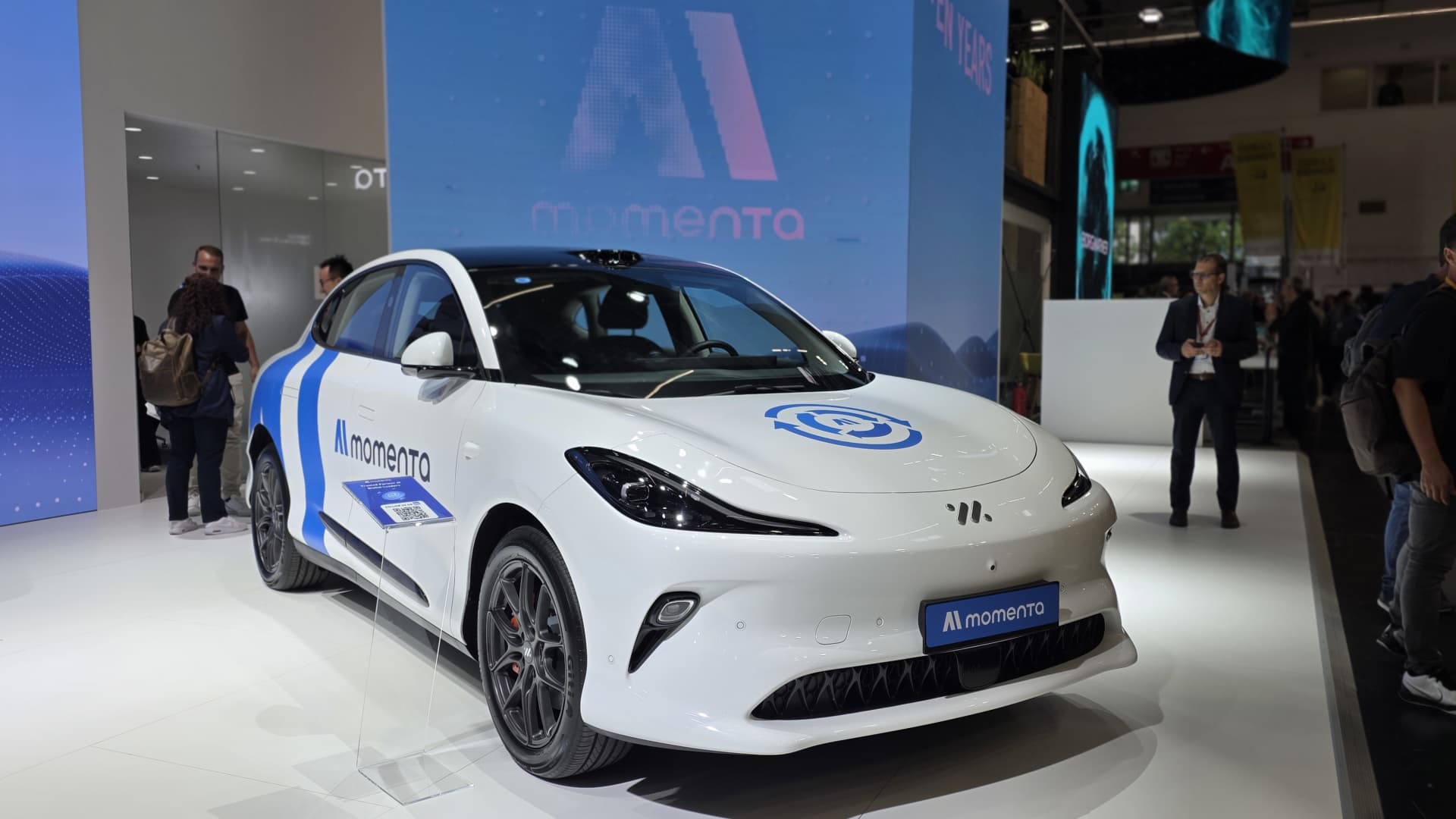
Momenta Successfully Debuts on Hong Kong Stock Exchange


- Strong IPO Performance: Momenta's initial public offering (IPO) in Hong Kong raised HK$5.89 billion ($751 million), with shares rising 3% at market open, reflecting strong market confidence in its autonomous driving technology.
- Clear Use of Proceeds: The company plans to allocate 60% of net proceeds to enhance core technologies, including proprietary algorithms and automation toolchains, to maintain competitiveness in the autonomous driving sector, while 20% will accelerate the commercialization of robotaxi services.
- Significant Revenue Growth: According to its prospectus, Momenta recorded revenue of 2.41 billion yuan in 2025, an 83% increase from 1.32 billion yuan in 2024, indicating robust business expansion.
- Strategic Partnerships: Momenta has established strategic partnerships with major automakers like Audi, Honda, and Mercedes-Benz, and signed an agreement with Grab to advance autonomous driving technologies in complex urban mobility markets.
See More

Uber Pauses European Eats Expansion Amid Delivery Hero Acquisition Efforts
- Expansion Plan Halted: Uber has decided to pause its planned expansion of Uber Eats across Europe, shelving launches in five of the seven targeted countries for 2026, including Austria, Norway, and Greece, indicating a strategic shift amid its acquisition efforts for rival Delivery Hero.
- Market Impact: The company had previously projected that this expansion would generate approximately $1 billion in gross bookings over the next three years, but following successful launches in Finland and Denmark, Uber is now focusing on building momentum in existing markets, which may affect its market share in Europe.
- Acquisition Dynamics: Uber continues to pursue its acquisition of Berlin-based Delivery Hero, despite its €10 billion ($11.4 billion) takeover proposal being rejected in May, with any renewed bid likely facing close scrutiny from EU antitrust regulators due to significant operational overlap.
- Competitive Landscape: As Uber seeks to strengthen its international food delivery business amidst competition from DoorDash-owned Wolt and Deliveroo, the pause in expansion could impact its competitiveness in the global market, especially as DoorDash continues to widen its lead in the U.S. market.
See More

New York Luxury Real Estate Thrives Despite Tax


- Strong Luxury Sales: Despite the implementation of the pied-à-terre tax in May, 126 contracts for luxury apartments were signed in June, slightly up from 124 during the same period last year, indicating resilience in the high-end market and a recovery in buyer confidence.
- Rising Prices: The average price of Manhattan apartments reached approximately $2.2 million in Q2, a 5% increase year-over-year, while sales of condos priced between $10 million and $20 million surged by 55%, reflecting strong demand and investor optimism in the luxury sector.
- Tight Inventory: According to Miller Samuel, luxury inventory has decreased by 40% compared to last year, reaching the lowest level since 2004, which intensifies competition among buyers and drives prices upward.
- Market Confidence Rebounds: Although the new tax initially caused panic, buyer confidence has gradually returned as the market adapts to the new reality, with many high-end buyers actively entering the market, demonstrating a keen awareness of market cycles and investment timing.
See More
SpaceX IPO Raises Record $75 Billion Amid Market Concerns
- Historic IPO Financing: SpaceX made its public debut on June 12, raising a record $75 billion and achieving a market value of $1.7 trillion at the IPO price, indicating strong market confidence in its growth potential.
- Stock Price Volatility: After soaring 50% in the first three trading days to a high of $202, SpaceX's stock has since fallen 26% to $150 due to concerns over its recent bond offering and upcoming lockup expirations, reflecting market caution regarding its short-term performance.
- Historical Performance Forecast: Historical data suggests that SpaceX's stock could drop 23% in the next year, potentially falling to $104, which implies a 30% downside risk for investors, posing a significant concern for new buyers.
- Impact of Increased Float: SpaceX issued 555 million shares in its IPO, with less than 5% currently available for trading; as lockup periods expire, the float is expected to increase to at least 3 billion shares by late October, which could lead to further stock price declines, necessitating careful investor consideration.
See More
Analysis of SpaceX IPO Stock Price Fluctuations
- IPO Performance Review: SpaceX went public on June 12, raising a record $75 billion with a market cap of $1.7 trillion, although the stock initially surged 19% to $161, it later fell 26% to $150 due to market concerns, highlighting the volatility risks post-IPO.
- Future Price Predictions: Historical data suggests that SpaceX's stock could drop to $132 by 2027, indicating an 11% downside from the current price, while it may fall to $104 within the first year, representing a potential 30% decline, urging investors to exercise caution.
- Increase in Float: Following the IPO, the number of SpaceX shares available for trading will rise from 555 million to at least 1.5 billion, and potentially 3 billion by late October, which could exert downward pressure on the stock price as supply increases, necessitating investor vigilance regarding market dynamics.
- Market Valuation Analysis: Currently, SpaceX trades at 101 times sales, significantly higher than Rocket Lab's 73 times, indicating its lofty valuation, prompting investors to carefully assess its future growth potential before making investment decisions.
See More
David Tepper's Heavy Investment in AI Stocks
- Portfolio Overview: David Tepper's Appaloosa held 39 positions worth over $5.9 billion at the end of March, with six positions accounting for 56% of invested assets, indicating a strong focus on the AI revolution.
- Key Holdings Analysis: Tepper's largest holdings include Amazon (15.2%), Micron Technology (9.5%), and Alphabet (8.4%), all of which play critical roles in the AI sector, enhancing the growth potential of his portfolio.
- Surging Hardware Demand: Micron and Taiwan Semiconductor are essential hardware suppliers for data center build-outs, and with skyrocketing demand for AI hardware, both companies enjoy exceptional market demand and pricing power, further solidifying their market positions.
- Cloud Services Growth: Amazon, Alphabet, and Alibaba excel in cloud infrastructure services, with AWS sales growth reaching 28%, Alphabet's Google Cloud increasing by 63%, and Alibaba's Cloud Intelligence Group growing by 38%, reflecting strong market demand for AI applications.
See More
Momenta Successfully Debuts on Hong Kong Stock Exchange
- Strong IPO Performance: Momenta's initial public offering (IPO) in Hong Kong raised HK$5.89 billion ($751 million), with shares rising 3% at market open, reflecting strong market confidence in its autonomous driving technology.
- Clear Use of Proceeds: The company plans to allocate 60% of net proceeds to enhance core technologies, including proprietary algorithms and automation toolchains, to maintain competitiveness in the autonomous driving sector, while 20% will accelerate the commercialization of robotaxi services.
- Significant Revenue Growth: According to its prospectus, Momenta recorded revenue of 2.41 billion yuan in 2025, an 83% increase from 1.32 billion yuan in 2024, indicating robust business expansion.
- Strategic Partnerships: Momenta has established strategic partnerships with major automakers like Audi, Honda, and Mercedes-Benz, and signed an agreement with Grab to advance autonomous driving technologies in complex urban mobility markets.
See More
Uber Pauses European Eats Expansion Amid Delivery Hero Acquisition Efforts
- Expansion Plan Halted: Uber has decided to pause its planned expansion of Uber Eats across Europe, shelving launches in five of the seven targeted countries for 2026, including Austria, Norway, and Greece, indicating a strategic shift amid its acquisition efforts for rival Delivery Hero.
- Market Impact: The company had previously projected that this expansion would generate approximately $1 billion in gross bookings over the next three years, but following successful launches in Finland and Denmark, Uber is now focusing on building momentum in existing markets, which may affect its market share in Europe.
- Acquisition Dynamics: Uber continues to pursue its acquisition of Berlin-based Delivery Hero, despite its €10 billion ($11.4 billion) takeover proposal being rejected in May, with any renewed bid likely facing close scrutiny from EU antitrust regulators due to significant operational overlap.
- Competitive Landscape: As Uber seeks to strengthen its international food delivery business amidst competition from DoorDash-owned Wolt and Deliveroo, the pause in expansion could impact its competitiveness in the global market, especially as DoorDash continues to widen its lead in the U.S. market.
See More
New York Luxury Real Estate Thrives Despite Tax
- Strong Luxury Sales: Despite the implementation of the pied-à-terre tax in May, 126 contracts for luxury apartments were signed in June, slightly up from 124 during the same period last year, indicating resilience in the high-end market and a recovery in buyer confidence.
- Rising Prices: The average price of Manhattan apartments reached approximately $2.2 million in Q2, a 5% increase year-over-year, while sales of condos priced between $10 million and $20 million surged by 55%, reflecting strong demand and investor optimism in the luxury sector.
- Tight Inventory: According to Miller Samuel, luxury inventory has decreased by 40% compared to last year, reaching the lowest level since 2004, which intensifies competition among buyers and drives prices upward.
- Market Confidence Rebounds: Although the new tax initially caused panic, buyer confidence has gradually returned as the market adapts to the new reality, with many high-end buyers actively entering the market, demonstrating a keen awareness of market cycles and investment timing.
See More