Trade Desk faces challenges amid revenue growth slowdown
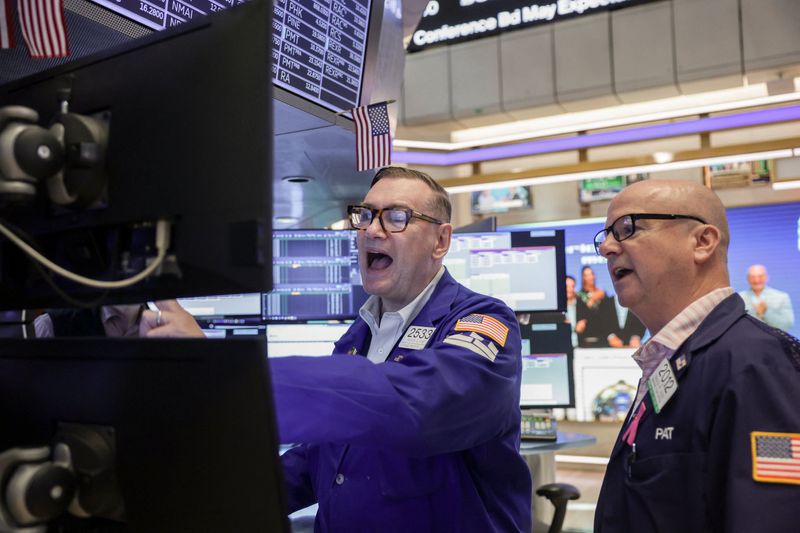
Trade Desk Inc's stock has risen by 5.14% and reached a 5-day high, despite the broader market showing mixed signals with the Nasdaq-100 down 0.37% and the S&P 500 nearly flat.
The recent analysis highlights that Trade Desk has experienced a revenue growth slowdown for four consecutive quarters, with the first quarter growth rate dropping to 12%, significantly lower than the over 20% growth seen at the pandemic's onset. This slowdown, coupled with declining profitability and frequent executive changes, raises concerns about the company's future market share and investor confidence. The loss of two CFOs in less than six months signals instability in management, which could hinder strategic execution.
These challenges suggest that while Trade Desk's stock has seen a short-term increase, the long-term outlook remains uncertain due to competitive pressures and internal management issues.
Trade with 70% Backtested Accuracy
Analyst Views on TTD

About TTD
About the author


The Trade Desk Faces Growth Challenges Amid Competition

- Performance Stability: In Q1 2026, The Trade Desk reported a 12% year-over-year revenue increase to $689 million, slightly exceeding management's guidance of $678 million, indicating that advertisers still rely on the platform despite competitive pressures.
- Customer Retention: Adjusted EBITDA decreased slightly from $208 million last year to $206 million, yet customer retention remains above 95%, showcasing the company's stability in managing client relationships.
- Growth Slowdown: The current slowdown in growth, down from 25% a year ago, raises investor concerns about future valuations, particularly in an increasingly competitive landscape.
- AI Platform Priority: The Trade Desk must demonstrate that its AI platform, Kokai, can consistently enhance advertiser performance to navigate intensifying market competition while maintaining strong access to premium connected TV inventory.

US Stocks Close Higher, Nasdaq Hits All-Time High


- Market Recovery: The S&P 500 rose by 0.58% and the Nasdaq 100 climbed 0.84%, reaching all-time highs, reflecting market optimism following the US-Iran ceasefire agreement, which may promote economic stability.
- Economic Data Impact: The US April core PCE price index increased by 3.3% year-on-year, meeting expectations, but the unexpected 1.1% decline in April capital goods orders indicates economic recovery fragility, potentially influencing the Fed's monetary policy decisions.
- Rising Unemployment Claims: Initial jobless claims in the US rose by 5,000 to 215,000, exceeding expectations, reflecting weakness in the labor market, which may heighten investor concerns about the economic outlook.
- Earnings Season Insights: As of Thursday, 83% of the 482 S&P 500 companies reported earnings above estimates, with Q1 earnings projected to grow by 12% year-on-year, demonstrating corporate resilience despite a slowdown in the tech sector.

The Trade Desk Faces Pressure from AI Competition and Analyst Downgrade
- Stock Decline: The Trade Desk's shares fell 5.1% on Thursday to $21.18, reflecting investor concerns about the company's future amid increasing competition in the programmatic advertising space.
- Market Share Threat: The Trade Desk faces significant pressure as major digital advertising giants offer programmatic buying services at little to no cost, making its current 20% take rate particularly vulnerable in a competitive landscape.
- Analyst Downgrade: Analyst Bianca Dallal from Rothschild & Co Redburn initiated coverage with a 'Sell' rating and a price target of $11, suggesting a potential decline of over 50% from the previous closing price, which has heightened market anxiety.
- Slowing Growth: The Trade Desk's revenue growth slowed to 12% last quarter, down from 25% a year earlier, while adjusted EBITDA margins compressed from 34% to 30%, indicating increasing pricing pressure and raising concerns about future growth prospects.

Wall Street Analyst Downgrades Trade Desk Rating
- Rating Downgrade: Analyst Bianca Dallal at Rothschild & Co Redburn has initiated coverage of The Trade Desk with a 'Sell' rating and a price target of $11, which is over 50% below yesterday's closing price, indicating a pessimistic outlook for the company's future performance.
- Increased Competitive Pressure: The emergence of low-cost AI media-buying tools from major tech companies is intensifying competitive pressures on The Trade Desk, which may further compress its current take rate of approximately 20%, impacting profitability.
- Weak Financial Performance: The Trade Desk's revenue growth slowed to 12% last quarter, significantly down from 25% in the same quarter last year, while adjusted EBITDA margins decreased from 34% to 30%, highlighting evident pricing pressures that raise investor concerns.
- Reasonable Valuation: Despite facing growth and pricing headwinds, The Trade Desk appears reasonably priced at 20 times next year's earnings estimates, with over $1.4 billion in cash and no debt, indicating a solid financial position.
Analyst Warns TTD Faces Competitive Pressure
- Increased Competitive Pressure: Analyst Bianca Dallal highlighted that competition from media-driven AI advertising tools is exerting pressure on The Trade Desk's take rate, currently around 20%, posing significant market challenges for the company.
- Divergent Analyst Ratings: Among the 37 analysts covering The Trade Desk, 14 rate it a 'Buy,' 20 recommend 'Hold,' and 3 maintain a 'Sell' rating, indicating varied market perspectives on the company's future performance.
- Notable Stock Decline: Shares of The Trade Desk slid more than 4% on Thursday, and the stock is on track for its sixth monthly decline in the past seven months, reflecting investor concerns over the company's long-term growth outlook.
- Earnings Expectations Downgraded: Although TTD's first-quarter revenue exceeded Wall Street expectations, the company reported weaker net margins and earnings per share below analyst estimates, indicating a slowdown in growth amid economic uncertainties.

The Trade Desk Faces Growth Slowdown Challenges
- Stable Customer Retention: Despite intensifying competition, The Trade Desk maintained a customer retention rate above 95% in Q1 2026, indicating ongoing appeal to advertisers; however, this stability does not offset the impact of slowing growth.
- Revenue Growth Slowdown: In Q1 2026, The Trade Desk's revenue grew 12% year-over-year to $689 million, slightly exceeding management's guidance of at least $678 million, but significantly down from last year's 25% growth rate, reflecting increased market competition and changing advertising spending patterns.
- Critical Role of AI Platform Kokai: The Trade Desk must demonstrate that its AI platform Kokai can consistently enhance advertiser performance, as the growing importance of AI in digital advertising means advertisers will increasingly favor platforms that deliver the best measurable results, which is crucial for The Trade Desk's future.
- Market Uncertainty Ahead: Although The Trade Desk operates in a growing market and continues to invest heavily in AI and connected TV, the forecasted revenue growth could slow further to just 8% next quarter, suggesting the company may face additional pressure before stabilizing growth.
The Trade Desk Faces Growth Challenges Amid Competition
- Performance Stability: In Q1 2026, The Trade Desk reported a 12% year-over-year revenue increase to $689 million, slightly exceeding management's guidance of $678 million, indicating that advertisers still rely on the platform despite competitive pressures.
- Customer Retention: Adjusted EBITDA decreased slightly from $208 million last year to $206 million, yet customer retention remains above 95%, showcasing the company's stability in managing client relationships.
- Growth Slowdown: The current slowdown in growth, down from 25% a year ago, raises investor concerns about future valuations, particularly in an increasingly competitive landscape.
- AI Platform Priority: The Trade Desk must demonstrate that its AI platform, Kokai, can consistently enhance advertiser performance to navigate intensifying market competition while maintaining strong access to premium connected TV inventory.
US Stocks Close Higher, Nasdaq Hits All-Time High
- Market Recovery: The S&P 500 rose by 0.58% and the Nasdaq 100 climbed 0.84%, reaching all-time highs, reflecting market optimism following the US-Iran ceasefire agreement, which may promote economic stability.
- Economic Data Impact: The US April core PCE price index increased by 3.3% year-on-year, meeting expectations, but the unexpected 1.1% decline in April capital goods orders indicates economic recovery fragility, potentially influencing the Fed's monetary policy decisions.
- Rising Unemployment Claims: Initial jobless claims in the US rose by 5,000 to 215,000, exceeding expectations, reflecting weakness in the labor market, which may heighten investor concerns about the economic outlook.
- Earnings Season Insights: As of Thursday, 83% of the 482 S&P 500 companies reported earnings above estimates, with Q1 earnings projected to grow by 12% year-on-year, demonstrating corporate resilience despite a slowdown in the tech sector.
The Trade Desk Faces Pressure from AI Competition and Analyst Downgrade
- Stock Decline: The Trade Desk's shares fell 5.1% on Thursday to $21.18, reflecting investor concerns about the company's future amid increasing competition in the programmatic advertising space.
- Market Share Threat: The Trade Desk faces significant pressure as major digital advertising giants offer programmatic buying services at little to no cost, making its current 20% take rate particularly vulnerable in a competitive landscape.
- Analyst Downgrade: Analyst Bianca Dallal from Rothschild & Co Redburn initiated coverage with a 'Sell' rating and a price target of $11, suggesting a potential decline of over 50% from the previous closing price, which has heightened market anxiety.
- Slowing Growth: The Trade Desk's revenue growth slowed to 12% last quarter, down from 25% a year earlier, while adjusted EBITDA margins compressed from 34% to 30%, indicating increasing pricing pressure and raising concerns about future growth prospects.
Wall Street Analyst Downgrades Trade Desk Rating
- Rating Downgrade: Analyst Bianca Dallal at Rothschild & Co Redburn has initiated coverage of The Trade Desk with a 'Sell' rating and a price target of $11, which is over 50% below yesterday's closing price, indicating a pessimistic outlook for the company's future performance.
- Increased Competitive Pressure: The emergence of low-cost AI media-buying tools from major tech companies is intensifying competitive pressures on The Trade Desk, which may further compress its current take rate of approximately 20%, impacting profitability.
- Weak Financial Performance: The Trade Desk's revenue growth slowed to 12% last quarter, significantly down from 25% in the same quarter last year, while adjusted EBITDA margins decreased from 34% to 30%, highlighting evident pricing pressures that raise investor concerns.
- Reasonable Valuation: Despite facing growth and pricing headwinds, The Trade Desk appears reasonably priced at 20 times next year's earnings estimates, with over $1.4 billion in cash and no debt, indicating a solid financial position.
Analyst Warns TTD Faces Competitive Pressure
- Increased Competitive Pressure: Analyst Bianca Dallal highlighted that competition from media-driven AI advertising tools is exerting pressure on The Trade Desk's take rate, currently around 20%, posing significant market challenges for the company.
- Divergent Analyst Ratings: Among the 37 analysts covering The Trade Desk, 14 rate it a 'Buy,' 20 recommend 'Hold,' and 3 maintain a 'Sell' rating, indicating varied market perspectives on the company's future performance.
- Notable Stock Decline: Shares of The Trade Desk slid more than 4% on Thursday, and the stock is on track for its sixth monthly decline in the past seven months, reflecting investor concerns over the company's long-term growth outlook.
- Earnings Expectations Downgraded: Although TTD's first-quarter revenue exceeded Wall Street expectations, the company reported weaker net margins and earnings per share below analyst estimates, indicating a slowdown in growth amid economic uncertainties.
The Trade Desk Faces Growth Slowdown Challenges
- Stable Customer Retention: Despite intensifying competition, The Trade Desk maintained a customer retention rate above 95% in Q1 2026, indicating ongoing appeal to advertisers; however, this stability does not offset the impact of slowing growth.
- Revenue Growth Slowdown: In Q1 2026, The Trade Desk's revenue grew 12% year-over-year to $689 million, slightly exceeding management's guidance of at least $678 million, but significantly down from last year's 25% growth rate, reflecting increased market competition and changing advertising spending patterns.
- Critical Role of AI Platform Kokai: The Trade Desk must demonstrate that its AI platform Kokai can consistently enhance advertiser performance, as the growing importance of AI in digital advertising means advertisers will increasingly favor platforms that deliver the best measurable results, which is crucial for The Trade Desk's future.
- Market Uncertainty Ahead: Although The Trade Desk operates in a growing market and continues to invest heavily in AI and connected TV, the forecasted revenue growth could slow further to just 8% next quarter, suggesting the company may face additional pressure before stabilizing growth.