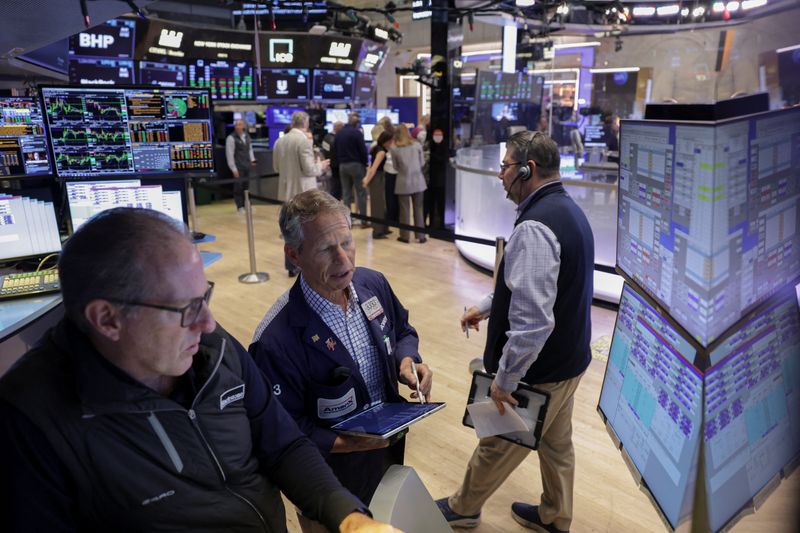
Trade Desk Faces Challenges Amid Market Weakness
Shares of The Trade Desk fell 5.05% as it crossed below the 5-day SMA, reflecting ongoing investor concerns amid a broader market decline.
Despite the CEO's confidence in long-term growth and the company's efforts to enhance ad spend optimization, the stock's recent performance highlights significant challenges. The Trade Desk's non-GAAP EPS missed expectations, and analysts rate it as a Strong Sell, indicating a lack of confidence in its future performance. This situation is compounded by the S&P 500 and Nasdaq-100 both experiencing declines of 0.76% and 0.75%, respectively, suggesting a sector rotation impacting the stock.
The implications of this downturn may lead to increased scrutiny from investors regarding the company's growth strategies and financial health. As the digital advertising market evolves, the Trade Desk must navigate these challenges to regain investor confidence and stabilize its stock performance.
Trade with 70% Backtested Accuracy
Analyst Views on TTD

About TTD
About the author


Stock Prices Hit Historic Lows, Valuation Cheaper Than Ever

- Stock Price Decline: As of the afternoon of May 14, 2026, stock prices have hit historic lows, reflecting market pessimism regarding the company's future growth, which could lead to a decline in investor confidence.
- Valuation Attractiveness: The current valuation is considered the lowest in history, potentially attracting value investors; however, it also indicates ongoing concerns about the company's fundamentals in the market.
- Market Reaction: The video published on May 16, 2026, may intensify investor focus on stock price trends, especially amid the current uncertain economic environment.
- Long-Term Impact: If stock prices remain depressed, it could affect the company's ability to raise capital and future investment plans, thereby negatively impacting its long-term growth potential.

CEO Confident in Company's Long-Term Prospects
- Long-Term Confidence: The CEO expressed strong confidence in the company's future growth during a video, highlighting ongoing growth potential and market opportunities, which is expected to attract more investor interest.
- Stock Performance: As of the afternoon of May 13, 2026, the company's stock price remained stable, reflecting market recognition of its long-term strategy, potentially laying the groundwork for future capital operations.
- Market Opportunities: The CEO mentioned expansion plans in emerging markets, which are expected to drive revenue growth and increase market share, further solidifying the company's position in the industry.
- Investor Appeal: By showcasing the company's long-term vision and strategic planning, the CEO aims to enhance investor confidence, thereby promoting shareholder value and ensuring a continuous influx of capital.

The Trade Desk Shares Rebound, Ending Six-Day Losing Streak
- Stock Rebound: Shares of The Trade Desk rose 1.32% to $20.68 on Friday afternoon, ending a six-day losing streak, despite previously falling about 15% between May 6 and May 14.
- Market Performance Comparison: During the same period, the S&P 500 increased by 1.85%, highlighting a significant disparity between the pressure on Trade Desk and overall market performance, reflecting investor concerns about the company's future growth.
- Analyst Rating Discrepancies: According to Seeking Alpha's Quantrating system, Trade Desk is rated a Strong Sell with a score of 1.48 out of 5, indicating a B+ in profitability but a D- in momentum, suggesting a lack of confidence in its future performance.
- Financial Expectations vs. Reality: Although Trade Desk expects Q2 revenue of at least $750 million and targets a full-year 2026 adjusted EBITDA margin of at least 40%, its non-GAAP EPS of $0.28 missed expectations by $0.04, indicating significant growth challenges ahead.

The Trade Desk Competes in Advertising Industry
- Intensifying Competition: The Trade Desk faces fierce competition from major players in the advertising industry, and while its market share is gradually increasing, it must still contend with the pressures from industry giants.
- Stock Performance: As of the afternoon of May 12, 2026, The Trade Desk's stock price stood at $0.41, reflecting a cautious market sentiment regarding its future prospects, which could impact investor confidence.
- Market Dynamics: With the continuous evolution of the digital advertising market, The Trade Desk needs to innovate consistently to maintain its competitive edge, particularly in technology and data analytics.
- Strategic Reevaluation Needed: To stand out in the competition, The Trade Desk may need to reassess its market strategy to address the challenges posed by industry giants and seize new growth opportunities.

The Trade Desk Enhances Ad Spend Optimization
- Ad Spend Return Improvement: The Trade Desk aids advertisers in optimizing their return on ad spending through advanced advertising technology, which is expected to enhance ad effectiveness and increase client satisfaction, thereby driving revenue growth for the company.
- Enhanced Market Competitiveness: As advertisers become increasingly focused on ROI, the Trade Desk's solutions position it favorably in the highly competitive digital advertising market, further solidifying its market share.
- Innovation-Driven Technology: The Trade Desk continues to invest in technological innovation to enhance the intelligence of its platform, which is anticipated to attract more advertisers to its services, driving user growth and revenue increase.
- Future Growth Potential: With the ongoing expansion of the digital advertising market, the Trade Desk's optimization tools will provide advertisers with more efficient ad deployment strategies, indicating significant growth opportunities for the company in the future.
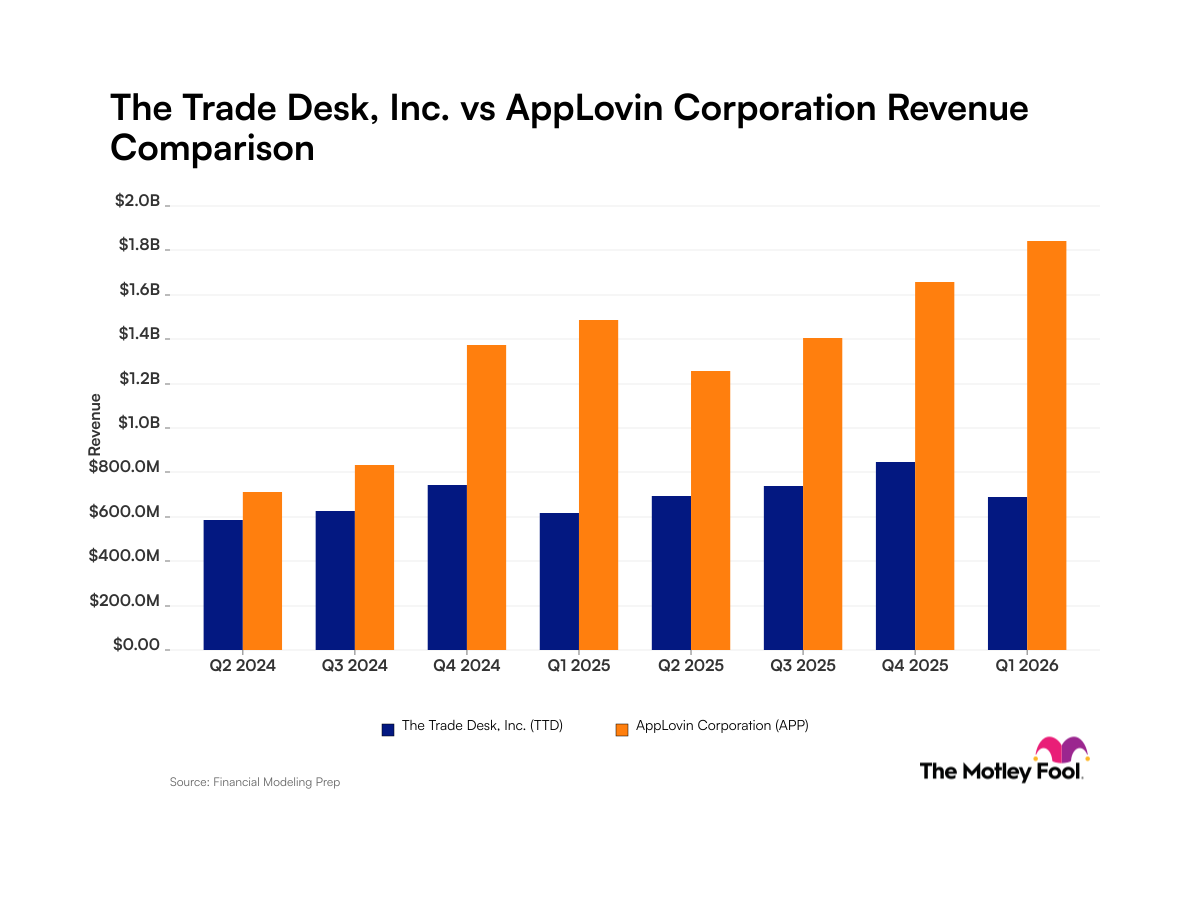
Quarterly Revenue Comparison: The Trade Desk vs. AppLovin

- Trade Desk Revenue Performance: For the quarter ending March 31, 2026, The Trade Desk reported a net income margin of 6%, with Q1 revenue reaching $689 million, reflecting a 12% year-over-year growth despite facing an investigation regarding its previous guidance, indicating stable growth potential.
- AppLovin Revenue Growth: AppLovin achieved $1.8 billion in revenue for Q1 2026, representing a remarkable 59% year-over-year increase, with net income soaring to $1.2 billion, nearly double the prior year's $576.4 million, showcasing its significant market appeal.
- Seasonal Revenue Trends: The Trade Desk typically sees its revenue peak in Q4 due to increased advertiser spending during the holiday season, while AppLovin demonstrated consistent quarter-over-quarter growth in Q1, breaking the typical industry seasonality pattern.
- Investor Considerations: For investors, AppLovin's robust sales growth positions it as a more attractive option in the digital advertising space, while The Trade Desk's stable growth, though positive, may not match AppLovin's expansion pace, potentially influencing investment decisions.
Stock Prices Hit Historic Lows, Valuation Cheaper Than Ever
- Stock Price Decline: As of the afternoon of May 14, 2026, stock prices have hit historic lows, reflecting market pessimism regarding the company's future growth, which could lead to a decline in investor confidence.
- Valuation Attractiveness: The current valuation is considered the lowest in history, potentially attracting value investors; however, it also indicates ongoing concerns about the company's fundamentals in the market.
- Market Reaction: The video published on May 16, 2026, may intensify investor focus on stock price trends, especially amid the current uncertain economic environment.
- Long-Term Impact: If stock prices remain depressed, it could affect the company's ability to raise capital and future investment plans, thereby negatively impacting its long-term growth potential.
CEO Confident in Company's Long-Term Prospects
- Long-Term Confidence: The CEO expressed strong confidence in the company's future growth during a video, highlighting ongoing growth potential and market opportunities, which is expected to attract more investor interest.
- Stock Performance: As of the afternoon of May 13, 2026, the company's stock price remained stable, reflecting market recognition of its long-term strategy, potentially laying the groundwork for future capital operations.
- Market Opportunities: The CEO mentioned expansion plans in emerging markets, which are expected to drive revenue growth and increase market share, further solidifying the company's position in the industry.
- Investor Appeal: By showcasing the company's long-term vision and strategic planning, the CEO aims to enhance investor confidence, thereby promoting shareholder value and ensuring a continuous influx of capital.
The Trade Desk Shares Rebound, Ending Six-Day Losing Streak
- Stock Rebound: Shares of The Trade Desk rose 1.32% to $20.68 on Friday afternoon, ending a six-day losing streak, despite previously falling about 15% between May 6 and May 14.
- Market Performance Comparison: During the same period, the S&P 500 increased by 1.85%, highlighting a significant disparity between the pressure on Trade Desk and overall market performance, reflecting investor concerns about the company's future growth.
- Analyst Rating Discrepancies: According to Seeking Alpha's Quantrating system, Trade Desk is rated a Strong Sell with a score of 1.48 out of 5, indicating a B+ in profitability but a D- in momentum, suggesting a lack of confidence in its future performance.
- Financial Expectations vs. Reality: Although Trade Desk expects Q2 revenue of at least $750 million and targets a full-year 2026 adjusted EBITDA margin of at least 40%, its non-GAAP EPS of $0.28 missed expectations by $0.04, indicating significant growth challenges ahead.
The Trade Desk Competes in Advertising Industry
- Intensifying Competition: The Trade Desk faces fierce competition from major players in the advertising industry, and while its market share is gradually increasing, it must still contend with the pressures from industry giants.
- Stock Performance: As of the afternoon of May 12, 2026, The Trade Desk's stock price stood at $0.41, reflecting a cautious market sentiment regarding its future prospects, which could impact investor confidence.
- Market Dynamics: With the continuous evolution of the digital advertising market, The Trade Desk needs to innovate consistently to maintain its competitive edge, particularly in technology and data analytics.
- Strategic Reevaluation Needed: To stand out in the competition, The Trade Desk may need to reassess its market strategy to address the challenges posed by industry giants and seize new growth opportunities.
The Trade Desk Enhances Ad Spend Optimization
- Ad Spend Return Improvement: The Trade Desk aids advertisers in optimizing their return on ad spending through advanced advertising technology, which is expected to enhance ad effectiveness and increase client satisfaction, thereby driving revenue growth for the company.
- Enhanced Market Competitiveness: As advertisers become increasingly focused on ROI, the Trade Desk's solutions position it favorably in the highly competitive digital advertising market, further solidifying its market share.
- Innovation-Driven Technology: The Trade Desk continues to invest in technological innovation to enhance the intelligence of its platform, which is anticipated to attract more advertisers to its services, driving user growth and revenue increase.
- Future Growth Potential: With the ongoing expansion of the digital advertising market, the Trade Desk's optimization tools will provide advertisers with more efficient ad deployment strategies, indicating significant growth opportunities for the company in the future.
Quarterly Revenue Comparison: The Trade Desk vs. AppLovin
- Trade Desk Revenue Performance: For the quarter ending March 31, 2026, The Trade Desk reported a net income margin of 6%, with Q1 revenue reaching $689 million, reflecting a 12% year-over-year growth despite facing an investigation regarding its previous guidance, indicating stable growth potential.
- AppLovin Revenue Growth: AppLovin achieved $1.8 billion in revenue for Q1 2026, representing a remarkable 59% year-over-year increase, with net income soaring to $1.2 billion, nearly double the prior year's $576.4 million, showcasing its significant market appeal.
- Seasonal Revenue Trends: The Trade Desk typically sees its revenue peak in Q4 due to increased advertiser spending during the holiday season, while AppLovin demonstrated consistent quarter-over-quarter growth in Q1, breaking the typical industry seasonality pattern.
- Investor Considerations: For investors, AppLovin's robust sales growth positions it as a more attractive option in the digital advertising space, while The Trade Desk's stable growth, though positive, may not match AppLovin's expansion pace, potentially influencing investment decisions.