Shake Shack Reports Quarterly Loss and Appoints New CFO
Shake Shack's stock is down 23.33% in pre-market trading, hitting a 52-week low, following disappointing quarterly earnings results.
The company reported first-quarter revenue of $366.7 million, which fell short of analysts' expectations of $371.9 million, leading to a significant drop in pre-market trading. Additionally, Shake Shack announced a quarterly loss per share of 1 cent, compared to a profit of 11 cents a year ago. The appointment of Michelle Hook as the new Chief Financial Officer, effective May 11, aims to improve financial management amidst these challenges. Investors are closely monitoring the company's recovery strategies and competitive position in the fast-food industry.
The poor financial results and leadership changes have raised concerns about Shake Shack's future performance, contributing to the stock's significant decline.
Trade with 70% Backtested Accuracy
Analyst Views on SHAK

About SHAK
About the author


Shake Shack Under Investigation for Securities Fraud Claims

- Declining Financial Performance: Shake Shack reported an operating loss of $2.6 million in Q1 2026, a stark contrast to an operating income of $2.8 million in the same period last year, with a net loss of $0.3 million compared to a net income of $4.5 million, indicating severe financial challenges for the company.
- Adjusted EBITDA Decline: The company disclosed an adjusted EBITDA of $37 million, down 9.3% year-over-year, highlighting significant impacts on profitability amid ongoing inflationary pressures, which could undermine investor confidence moving forward.
- Rising Operating Expenses: Shake Shack's other operating expenses accounted for 16.2% of sales, up 60 basis points year-over-year, while food and paper costs rose to 28.3% of sales, increasing by 50 basis points, alongside low-teens percentage increases in beef costs, further squeezing profit margins.
- Significant Stock Price Drop: Following the earnings report, Shake Shack's stock plummeted by $27.28, or 28.26%, closing at $69.24, reflecting market pessimism regarding the company's future outlook and potentially shaking investor confidence further.

Shake Shack Shares Plunge 28% Post Earnings Report
- Earnings Miss: Shake Shack reported a disappointing first quarter, swinging to an operating loss of $2.6 million despite opening a record number of stores and achieving 4.6% same-store sales growth, resulting in earnings per share of zero, significantly missing analyst expectations and highlighting severe profitability issues.
- Cost Pressures: General and administrative expenses surged by $13 million year-over-year, rising from 12.7% to 14.6% of total revenue, leading to a 9% decline in adjusted EBITDA to $37 million and compressing margins from 12.7% to 10.1%, indicating that rising costs are outpacing sales growth and impacting overall profitability.
- Long-Term Investment Plans: Shake Shack is investing in technology upgrades, including a new point-of-sale and kitchen display system to enhance throughput and order accuracy, alongside plans to launch its first loyalty platform by late 2026; while these initiatives promise future growth, they are front-loading costs and pressuring margins in the short term.
- Market Challenges and Outlook: Same-store sales growth has largely relied on price increases, but with consumers tightening their spending, future price pass-through may be challenging; additionally, temporary closures and reduced traffic in the Middle East are impacting its licensed business, although the long-term goal remains to expand from 390 to 1,500 company-operated locations.

Shake Shack Under Investigation Amid Poor Q1 Financials
- Declining Financial Performance: Shake Shack reported an operating loss of $2.6 million in Q1 2026, down from an operating income of $2.8 million in the same period last year, indicating significant pressure on profitability that could undermine investor confidence.
- Widening Net Loss: The company posted a net loss of $0.3 million compared to a net income of $4.5 million last year, highlighting its vulnerability amid competitive pressures and rising costs, which may lead to increased stock price volatility.
- Rising Costs Impacting Margins: Shake Shack disclosed that other operating expenses accounted for 16.2% of sales, up 60 basis points year-over-year, while food and paper costs rose to 28.3%, indicating challenges in cost control that could affect future profitability.
- Significant Stock Price Drop: Following the earnings report, Shake Shack's stock plummeted by $27.28, or 28.26%, closing at $69.24, reflecting a pessimistic market sentiment regarding the company's future outlook and potentially prompting investors to reassess their strategies.
Shake Shack Faces Investigation After Disappointing Q1 Results
- Disappointing Financial Performance: Shake Shack reported an operating loss of $2.6 million for Q1 2026, a stark contrast to an operating income of $2.8 million in the same period last year, alongside a net loss of $0.3 million compared to a net income of $4.5 million, indicating severe financial challenges for the company.
- Decline in Adjusted EBITDA: The company's adjusted EBITDA fell by 9.3% year-over-year, highlighting significant impacts on profitability amid pressures on consumer spending and ongoing inflationary headwinds, which could affect future growth strategies.
- Stock Price Plummet: Following the disappointing earnings report, Shake Shack's stock price dropped over 28%, which not only undermines investor confidence but may also complicate future financing and expansion plans for the company.
- Legal Investigation Initiated: Kessler Topaz Meltzer & Check, LLP is investigating potential violations of federal securities laws by Shake Shack, suggesting that affected investors may have legal recourse, which could expose the company to further legal and financial risks.
Shake Shack Faces Investigation After Disappointing Q1 Results
- Disappointing Financial Performance: Shake Shack reported an operating loss of $2.6 million for Q1 2026, a stark contrast to the $2.8 million operating income from the previous year, alongside a net loss of $0.3 million compared to a net income of $4.5 million, indicating severe financial distress that could undermine investor confidence moving forward.
- Declining Adjusted EBITDA: The company disclosed a 9.3% year-over-year decline in adjusted EBITDA, with guidance for 2026 set between $230 million and $245 million, factoring in consumer spending pressures and ongoing inflation, highlighting the challenging market environment.
- Significant Stock Drop: Following the disappointing earnings report, Shake Shack's stock plummeted over 28%, reflecting investor disappointment in the company's financial health and potentially prompting more investors to seek legal recourse, thereby increasing the company's legal risks.
- Legal Investigation Initiated: Kessler Topaz Meltzer & Check, LLP is investigating potential violations of federal securities laws by Shake Shack, suggesting that affected investors may have legal rights, which could further impact the company's reputation and market performance.
Analysis of Stock Price Movements for Multiple Companies


- Akamai Stock Decline: Akamai's stock fell 4% after announcing a proposed offering of convertible senior notes valued at $2.6 billion, which could impact its capital structure and future financing capabilities.
- Homebuilders Under Pressure: Home construction stocks slid as the 10-year Treasury yield reached its highest level since January 2025, with D.R. Horton and Lennar both dropping over 1%, reflecting market concerns over rising mortgage rates.
- Micron Technology Bounce: After three consecutive days of losses, Micron's stock rebounded more than 4%, indicating renewed market confidence in memory chip demand, although the overall market remains under selling pressure.
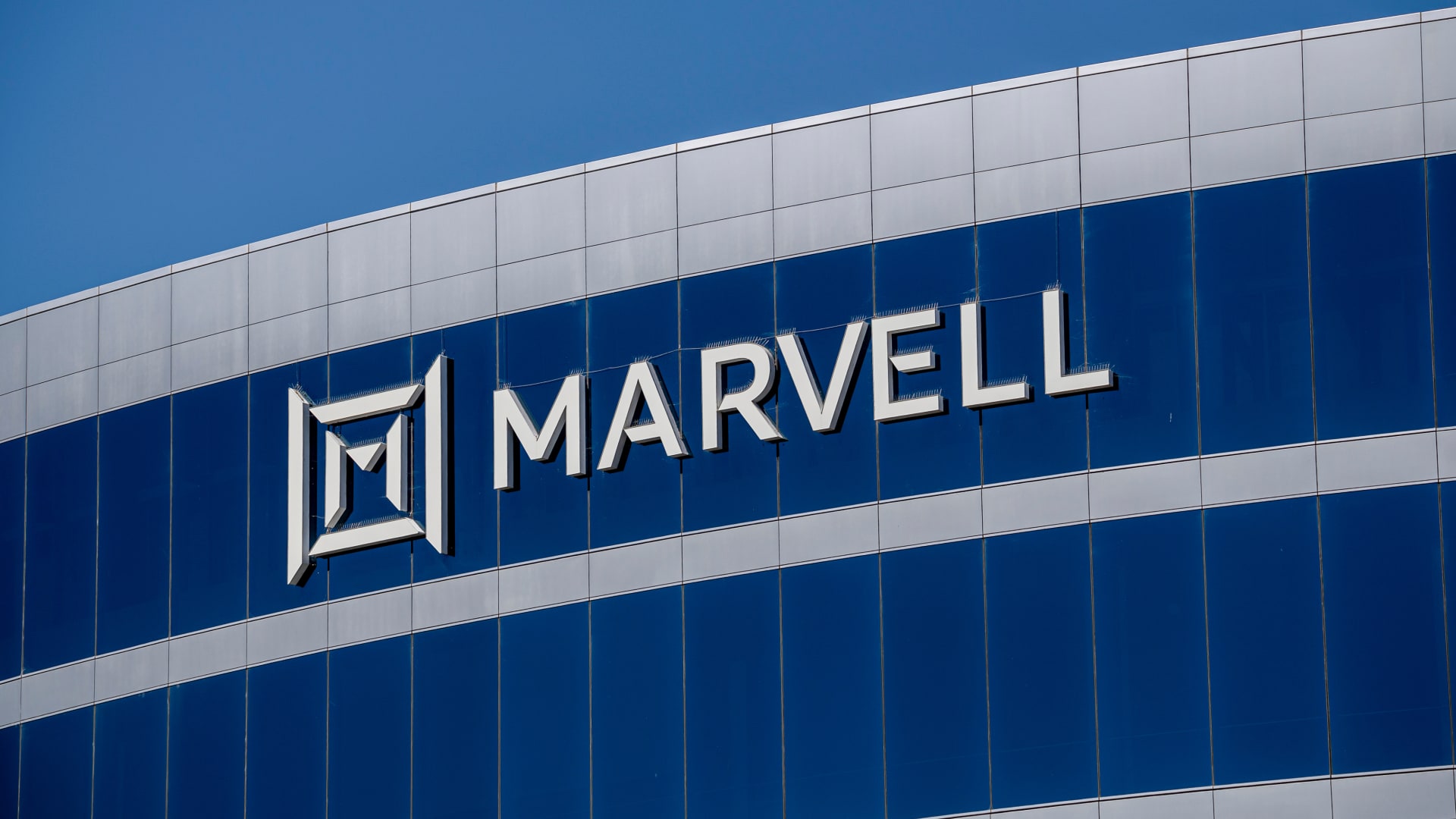
- Marvell Technology Stock Surge: Marvell's stock jumped nearly 6% after Evercore ISI raised its price target from $133 to $155, suggesting analysts are optimistic about its strategic role in custom AI connectivity work.
Shake Shack Under Investigation for Securities Fraud Claims
- Declining Financial Performance: Shake Shack reported an operating loss of $2.6 million in Q1 2026, a stark contrast to an operating income of $2.8 million in the same period last year, with a net loss of $0.3 million compared to a net income of $4.5 million, indicating severe financial challenges for the company.
- Adjusted EBITDA Decline: The company disclosed an adjusted EBITDA of $37 million, down 9.3% year-over-year, highlighting significant impacts on profitability amid ongoing inflationary pressures, which could undermine investor confidence moving forward.
- Rising Operating Expenses: Shake Shack's other operating expenses accounted for 16.2% of sales, up 60 basis points year-over-year, while food and paper costs rose to 28.3% of sales, increasing by 50 basis points, alongside low-teens percentage increases in beef costs, further squeezing profit margins.
- Significant Stock Price Drop: Following the earnings report, Shake Shack's stock plummeted by $27.28, or 28.26%, closing at $69.24, reflecting market pessimism regarding the company's future outlook and potentially shaking investor confidence further.
Shake Shack Shares Plunge 28% Post Earnings Report
- Earnings Miss: Shake Shack reported a disappointing first quarter, swinging to an operating loss of $2.6 million despite opening a record number of stores and achieving 4.6% same-store sales growth, resulting in earnings per share of zero, significantly missing analyst expectations and highlighting severe profitability issues.
- Cost Pressures: General and administrative expenses surged by $13 million year-over-year, rising from 12.7% to 14.6% of total revenue, leading to a 9% decline in adjusted EBITDA to $37 million and compressing margins from 12.7% to 10.1%, indicating that rising costs are outpacing sales growth and impacting overall profitability.
- Long-Term Investment Plans: Shake Shack is investing in technology upgrades, including a new point-of-sale and kitchen display system to enhance throughput and order accuracy, alongside plans to launch its first loyalty platform by late 2026; while these initiatives promise future growth, they are front-loading costs and pressuring margins in the short term.
- Market Challenges and Outlook: Same-store sales growth has largely relied on price increases, but with consumers tightening their spending, future price pass-through may be challenging; additionally, temporary closures and reduced traffic in the Middle East are impacting its licensed business, although the long-term goal remains to expand from 390 to 1,500 company-operated locations.
Shake Shack Under Investigation Amid Poor Q1 Financials
- Declining Financial Performance: Shake Shack reported an operating loss of $2.6 million in Q1 2026, down from an operating income of $2.8 million in the same period last year, indicating significant pressure on profitability that could undermine investor confidence.
- Widening Net Loss: The company posted a net loss of $0.3 million compared to a net income of $4.5 million last year, highlighting its vulnerability amid competitive pressures and rising costs, which may lead to increased stock price volatility.
- Rising Costs Impacting Margins: Shake Shack disclosed that other operating expenses accounted for 16.2% of sales, up 60 basis points year-over-year, while food and paper costs rose to 28.3%, indicating challenges in cost control that could affect future profitability.
- Significant Stock Price Drop: Following the earnings report, Shake Shack's stock plummeted by $27.28, or 28.26%, closing at $69.24, reflecting a pessimistic market sentiment regarding the company's future outlook and potentially prompting investors to reassess their strategies.
Shake Shack Faces Investigation After Disappointing Q1 Results
- Disappointing Financial Performance: Shake Shack reported an operating loss of $2.6 million for Q1 2026, a stark contrast to an operating income of $2.8 million in the same period last year, alongside a net loss of $0.3 million compared to a net income of $4.5 million, indicating severe financial challenges for the company.
- Decline in Adjusted EBITDA: The company's adjusted EBITDA fell by 9.3% year-over-year, highlighting significant impacts on profitability amid pressures on consumer spending and ongoing inflationary headwinds, which could affect future growth strategies.
- Stock Price Plummet: Following the disappointing earnings report, Shake Shack's stock price dropped over 28%, which not only undermines investor confidence but may also complicate future financing and expansion plans for the company.
- Legal Investigation Initiated: Kessler Topaz Meltzer & Check, LLP is investigating potential violations of federal securities laws by Shake Shack, suggesting that affected investors may have legal recourse, which could expose the company to further legal and financial risks.
Shake Shack Faces Investigation After Disappointing Q1 Results
- Disappointing Financial Performance: Shake Shack reported an operating loss of $2.6 million for Q1 2026, a stark contrast to the $2.8 million operating income from the previous year, alongside a net loss of $0.3 million compared to a net income of $4.5 million, indicating severe financial distress that could undermine investor confidence moving forward.
- Declining Adjusted EBITDA: The company disclosed a 9.3% year-over-year decline in adjusted EBITDA, with guidance for 2026 set between $230 million and $245 million, factoring in consumer spending pressures and ongoing inflation, highlighting the challenging market environment.
- Significant Stock Drop: Following the disappointing earnings report, Shake Shack's stock plummeted over 28%, reflecting investor disappointment in the company's financial health and potentially prompting more investors to seek legal recourse, thereby increasing the company's legal risks.
- Legal Investigation Initiated: Kessler Topaz Meltzer & Check, LLP is investigating potential violations of federal securities laws by Shake Shack, suggesting that affected investors may have legal rights, which could further impact the company's reputation and market performance.
Analysis of Stock Price Movements for Multiple Companies
- Akamai Stock Decline: Akamai's stock fell 4% after announcing a proposed offering of convertible senior notes valued at $2.6 billion, which could impact its capital structure and future financing capabilities.
- Homebuilders Under Pressure: Home construction stocks slid as the 10-year Treasury yield reached its highest level since January 2025, with D.R. Horton and Lennar both dropping over 1%, reflecting market concerns over rising mortgage rates.
- Micron Technology Bounce: After three consecutive days of losses, Micron's stock rebounded more than 4%, indicating renewed market confidence in memory chip demand, although the overall market remains under selling pressure.
- Marvell Technology Stock Surge: Marvell's stock jumped nearly 6% after Evercore ISI raised its price target from $133 to $155, suggesting analysts are optimistic about its strategic role in custom AI connectivity work.