Seagate Technology Reports Strong Earnings, Stock Surges
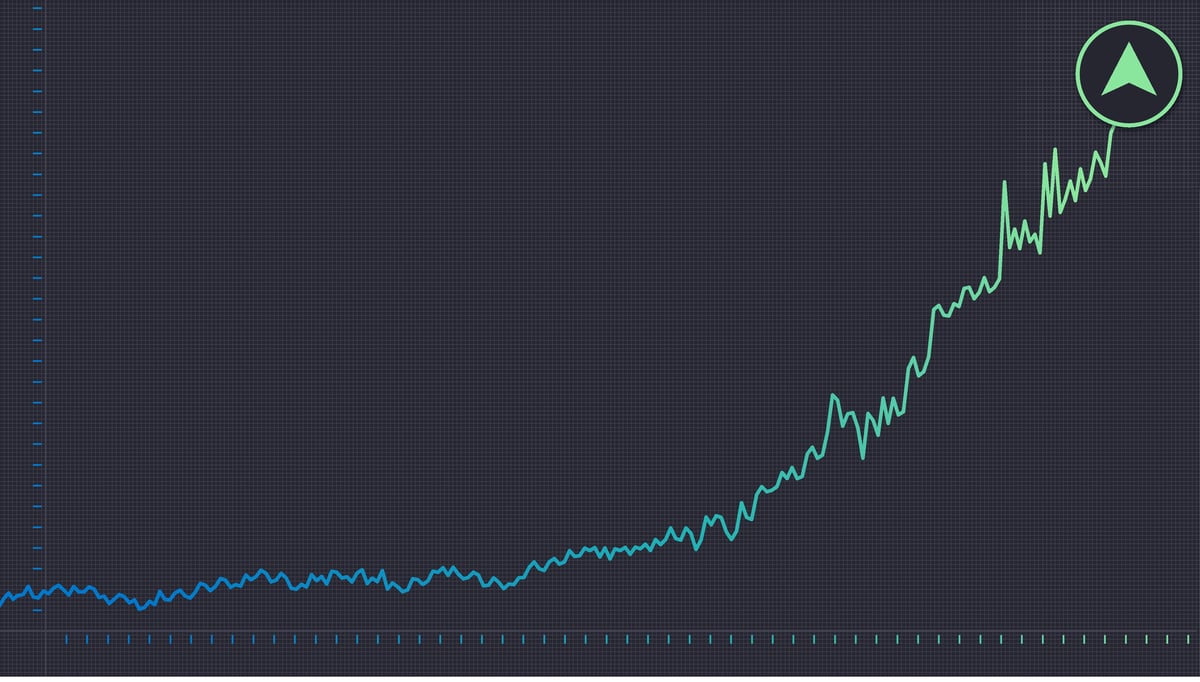
Seagate Technology's stock price increased by 3.10% in pre-market trading, reaching a 52-week high.
The company's Q2 fiscal 2026 results revealed an adjusted profit of $4.10 per share on $3.11 billion in revenue, with sales soaring 44% year-over-year, significantly surpassing Wall Street expectations. Following this positive earnings report, Seagate's stock price surged 24% over the past week, reflecting strong investor confidence in the company's future growth potential.
Seagate's optimistic guidance for the upcoming quarter suggests revenue of approximately $3.45 billion and adjusted earnings per share around $5, both exceeding analyst expectations, indicating sustained strong demand driven by artificial intelligence-related storage needs.
Trade with 70% Backtested Accuracy
Analyst Views on STX

About STX
About the author


Seagate Completes Exchange of 3.50% Exchangeable Senior Notes
- Transaction Amount: Seagate completed a privately negotiated exchange of $185.908 million in 3.50% Exchangeable Senior Notes on May 27, 2026, involving cash and approximately 2.02 million ordinary shares, demonstrating the company's flexibility in capital structure management.
- Stock Issuance: The number of ordinary shares issued was determined based on the trading price on May 21, 2026, indicating the company's effective use of equity financing opportunities amid market fluctuations.
- Note Status: The exchanged notes have been retired, with approximately $185.8 million of notes remaining outstanding under unchanged terms, providing the company with ongoing financing flexibility.
- Compliance Statement: The transaction was conducted under the exemption provided by Section 4(a)(2) of the Securities Act of 1933, ensuring that the company adhered to relevant laws and regulations during the private placement, thus maintaining the legality and compliance of the transaction.

US Stocks Close Higher, Nasdaq Hits All-Time High


- Market Recovery: The S&P 500 rose by 0.58% and the Nasdaq 100 climbed 0.84%, reaching all-time highs, reflecting market optimism following the US-Iran ceasefire agreement, which may promote economic stability.
- Economic Data Impact: The US April core PCE price index increased by 3.3% year-on-year, meeting expectations, but the unexpected 1.1% decline in April capital goods orders indicates economic recovery fragility, potentially influencing the Fed's monetary policy decisions.
- Rising Unemployment Claims: Initial jobless claims in the US rose by 5,000 to 215,000, exceeding expectations, reflecting weakness in the labor market, which may heighten investor concerns about the economic outlook.
- Earnings Season Insights: As of Thursday, 83% of the 482 S&P 500 companies reported earnings above estimates, with Q1 earnings projected to grow by 12% year-on-year, demonstrating corporate resilience despite a slowdown in the tech sector.

Investors Missing Out on Market Winners


- Market Surge: Snowflake's stock surged approximately 36% on Thursday following strong earnings and a $6 billion commitment to Amazon Web Services, indicating robust growth potential in the cloud computing sector.
- Investor Reliance on Index Funds: Cramer highlighted that many investors are overly reliant on index funds and ETFs, which prevents them from capitalizing on significant gains in individual stocks, stressing that this strategy limits their investment opportunities.
- Overlooking Obvious Opportunities: Cramer believes that investors often dismiss opportunities because the investment thesis seems too obvious, particularly in the AI space, where other companies like Salesforce, Oracle, and Microsoft could also benefit from successful AI strategies.
- Profitability of AI Leaders: Unlike the speculative companies during the 2000 internet bubble, Cramer asserts that today's AI leaders are largely profitable businesses generating substantial earnings and cash flow, urging investors not to overlook this market opportunity.

Investors May Be Missing AI Market Winners
- Investor Reliance on Index Funds: Cramer highlights that many investors are overly dependent on index funds and ETFs, which prevents them from benefiting from significant individual stock movements, as evidenced by Snowflake's 36% surge following strong earnings.
- Skepticism Towards Obvious Themes: He argues that investors often dismiss seemingly 'obvious' investment opportunities, suggesting that companies like Salesforce, Oracle, and Microsoft could also capitalize on AI strategies, thus missing out on market potential.
- Shadow of the Dot-Com Bust: Cramer notes that many investors remain scarred by the 2000 internet stock collapse, causing them to overlook opportunities with profitable companies, particularly in the memory and storage sectors.
- Prospects of AI Data Center Boom: He emphasizes that the current AI market is fundamentally different from the speculative internet companies of the late 1990s, asserting that the AI data center boom is far from over, urging investors to seize this market opportunity.

Druckenmiller Sells Alphabet, Shifts to AI Hardware Investments


- Portfolio Shift: Stanley Druckenmiller's Duquesne Family Office completely sold its shares in Alphabet according to the latest quarterly filing, indicating a clear departure from a market favorite and reflecting increased confidence in AI hardware investments.
- New Investment Focus: He established new positions in AI hardware companies like Sandisk, Micron, and Seagate, particularly in the memory and storage sector, benefiting from surging demand in AI data centers, with Sandisk's Q3 revenue tripling year-over-year to $5.95 billion.
- Custom Silicon Investments: Druckenmiller also invested in Broadcom and Arm Holdings, with the former's AI revenue soaring 106% year-over-year to $8.4 billion, indicating strong demand for custom accelerators from cloud companies and suggesting a bullish outlook for AI hardware.
- Market Risk Warning: While Druckenmiller's investment strategy appears successful, the cyclical nature of the memory and storage industry poses risks at current high valuations, especially as Alphabet continues to report a 22% revenue growth post-sale, highlighting its ongoing business strength.

Druckenmiller's Family Office Exits Alphabet Stake
- Complete Exit from Alphabet: Druckenmiller's family office fully exited its Alphabet stake in Q1, despite the company reporting a 22% year-over-year revenue increase to $109.9 billion, indicating concerns over market valuations and potential overexposure.
- Reduced Amazon Holdings: The office also significantly cut its Amazon position, reallocating funds into memory, storage, and custom silicon companies tied to AI infrastructure, reflecting a strategic pivot towards future technology trends.
- New Investment Focus: Druckenmiller established new positions in flash memory, memory chip, and hard drive manufacturers, including Sandisk, Micron, and Seagate, with Sandisk's revenue tripling year-over-year, highlighting strong demand driven by AI data centers.
- Custom Silicon Chip Investments: Additionally, he invested in Broadcom and Arm Holdings, with Broadcom's AI revenue soaring 106% year-over-year to $8.4 billion, indicating rapid growth in demand for custom chips, although the cyclical nature of these investments may impact future profitability.
Seagate Completes Exchange of 3.50% Exchangeable Senior Notes
- Transaction Amount: Seagate completed a privately negotiated exchange of $185.908 million in 3.50% Exchangeable Senior Notes on May 27, 2026, involving cash and approximately 2.02 million ordinary shares, demonstrating the company's flexibility in capital structure management.
- Stock Issuance: The number of ordinary shares issued was determined based on the trading price on May 21, 2026, indicating the company's effective use of equity financing opportunities amid market fluctuations.
- Note Status: The exchanged notes have been retired, with approximately $185.8 million of notes remaining outstanding under unchanged terms, providing the company with ongoing financing flexibility.
- Compliance Statement: The transaction was conducted under the exemption provided by Section 4(a)(2) of the Securities Act of 1933, ensuring that the company adhered to relevant laws and regulations during the private placement, thus maintaining the legality and compliance of the transaction.
US Stocks Close Higher, Nasdaq Hits All-Time High
- Market Recovery: The S&P 500 rose by 0.58% and the Nasdaq 100 climbed 0.84%, reaching all-time highs, reflecting market optimism following the US-Iran ceasefire agreement, which may promote economic stability.
- Economic Data Impact: The US April core PCE price index increased by 3.3% year-on-year, meeting expectations, but the unexpected 1.1% decline in April capital goods orders indicates economic recovery fragility, potentially influencing the Fed's monetary policy decisions.
- Rising Unemployment Claims: Initial jobless claims in the US rose by 5,000 to 215,000, exceeding expectations, reflecting weakness in the labor market, which may heighten investor concerns about the economic outlook.
- Earnings Season Insights: As of Thursday, 83% of the 482 S&P 500 companies reported earnings above estimates, with Q1 earnings projected to grow by 12% year-on-year, demonstrating corporate resilience despite a slowdown in the tech sector.
Investors Missing Out on Market Winners
- Market Surge: Snowflake's stock surged approximately 36% on Thursday following strong earnings and a $6 billion commitment to Amazon Web Services, indicating robust growth potential in the cloud computing sector.
- Investor Reliance on Index Funds: Cramer highlighted that many investors are overly reliant on index funds and ETFs, which prevents them from capitalizing on significant gains in individual stocks, stressing that this strategy limits their investment opportunities.
- Overlooking Obvious Opportunities: Cramer believes that investors often dismiss opportunities because the investment thesis seems too obvious, particularly in the AI space, where other companies like Salesforce, Oracle, and Microsoft could also benefit from successful AI strategies.
- Profitability of AI Leaders: Unlike the speculative companies during the 2000 internet bubble, Cramer asserts that today's AI leaders are largely profitable businesses generating substantial earnings and cash flow, urging investors not to overlook this market opportunity.
Investors May Be Missing AI Market Winners
- Investor Reliance on Index Funds: Cramer highlights that many investors are overly dependent on index funds and ETFs, which prevents them from benefiting from significant individual stock movements, as evidenced by Snowflake's 36% surge following strong earnings.
- Skepticism Towards Obvious Themes: He argues that investors often dismiss seemingly 'obvious' investment opportunities, suggesting that companies like Salesforce, Oracle, and Microsoft could also capitalize on AI strategies, thus missing out on market potential.
- Shadow of the Dot-Com Bust: Cramer notes that many investors remain scarred by the 2000 internet stock collapse, causing them to overlook opportunities with profitable companies, particularly in the memory and storage sectors.
- Prospects of AI Data Center Boom: He emphasizes that the current AI market is fundamentally different from the speculative internet companies of the late 1990s, asserting that the AI data center boom is far from over, urging investors to seize this market opportunity.
Druckenmiller Sells Alphabet, Shifts to AI Hardware Investments
- Portfolio Shift: Stanley Druckenmiller's Duquesne Family Office completely sold its shares in Alphabet according to the latest quarterly filing, indicating a clear departure from a market favorite and reflecting increased confidence in AI hardware investments.
- New Investment Focus: He established new positions in AI hardware companies like Sandisk, Micron, and Seagate, particularly in the memory and storage sector, benefiting from surging demand in AI data centers, with Sandisk's Q3 revenue tripling year-over-year to $5.95 billion.
- Custom Silicon Investments: Druckenmiller also invested in Broadcom and Arm Holdings, with the former's AI revenue soaring 106% year-over-year to $8.4 billion, indicating strong demand for custom accelerators from cloud companies and suggesting a bullish outlook for AI hardware.
- Market Risk Warning: While Druckenmiller's investment strategy appears successful, the cyclical nature of the memory and storage industry poses risks at current high valuations, especially as Alphabet continues to report a 22% revenue growth post-sale, highlighting its ongoing business strength.
Druckenmiller's Family Office Exits Alphabet Stake
- Complete Exit from Alphabet: Druckenmiller's family office fully exited its Alphabet stake in Q1, despite the company reporting a 22% year-over-year revenue increase to $109.9 billion, indicating concerns over market valuations and potential overexposure.
- Reduced Amazon Holdings: The office also significantly cut its Amazon position, reallocating funds into memory, storage, and custom silicon companies tied to AI infrastructure, reflecting a strategic pivot towards future technology trends.
- New Investment Focus: Druckenmiller established new positions in flash memory, memory chip, and hard drive manufacturers, including Sandisk, Micron, and Seagate, with Sandisk's revenue tripling year-over-year, highlighting strong demand driven by AI data centers.
- Custom Silicon Chip Investments: Additionally, he invested in Broadcom and Arm Holdings, with Broadcom's AI revenue soaring 106% year-over-year to $8.4 billion, indicating rapid growth in demand for custom chips, although the cyclical nature of these investments may impact future profitability.