Royal Caribbean Group Launches Education Foundation for Medical Residents
Royal Caribbean Cruises Ltd's stock rose by 10.36% as it crossed above the 5-day SMA, reflecting positive investor sentiment.
The company announced the establishment of the Royal Caribbean Group Foundation, aimed at enhancing healthcare quality in South Florida through educational investments, particularly supporting the Emergency Medicine Residency Program at Jackson Health System. This initiative demonstrates a significant commitment to corporate social responsibility and is expected to empower future medical professionals, thereby improving local healthcare standards.
This strategic move not only strengthens Royal Caribbean's community ties but also positions the company as a leader in corporate philanthropy, potentially attracting more customers who value social responsibility.
Trade with 70% Backtested Accuracy
Analyst Views on RCL

About RCL
About the author


Carnival Corp. Optimistic Earnings Outlook Amid Strong Bookings


- Optimistic Earnings Outlook: Carnival is expected to report a second-quarter EPS of $0.34, slightly below last year's $0.35, yet analysts anticipate a 6% revenue increase, indicating resilience amid challenges.
- Valuation Disparity: With a market cap of nearly $39 billion, Carnival lags behind Royal Caribbean's $76 billion, despite generating $27 billion in revenue compared to Royal Caribbean's $18.4 billion, highlighting a significant valuation gap.
- Shareholder Return Strategy: Earlier this year, Carnival reinstated its dividend and authorized $2.5 billion in stock buybacks, reflecting confidence in future growth and potentially narrowing the valuation gap with competitors.
- Attractive Stock Valuation: Trading at 13 times this fiscal year's earnings, Carnival's stock is undervalued compared to industry averages, and strong future bookings suggest it remains an attractive investment in a generally overvalued market.

Carnival Cruise Stock Outperforms Rivals
- Stock Performance: Carnival's stock has risen 21% over the past year, outperforming its two main rivals, which reflects its strong performance in the cruise industry and boosts investor confidence.
- Dividend and Buyback: The company reinstated its dividend and authorized a $2.5 billion stock buyback during its latest earnings call, indicating improved financial health and a commitment to returning value to shareholders, potentially attracting more investor interest.
- Earnings Expectations: Analysts expect Carnival to report a 6% revenue increase in its upcoming earnings report, but the projected earnings per share of $0.34 is slightly below last year's $0.35, highlighting challenges in profitability amid rising costs.
- Valuation Discrepancy: With a market capitalization of nearly $39 billion, Carnival is significantly lower than Royal Caribbean's $76 billion, despite generating $27 billion in revenue, indicating a valuation gap that could narrow if Carnival continues to improve its performance.
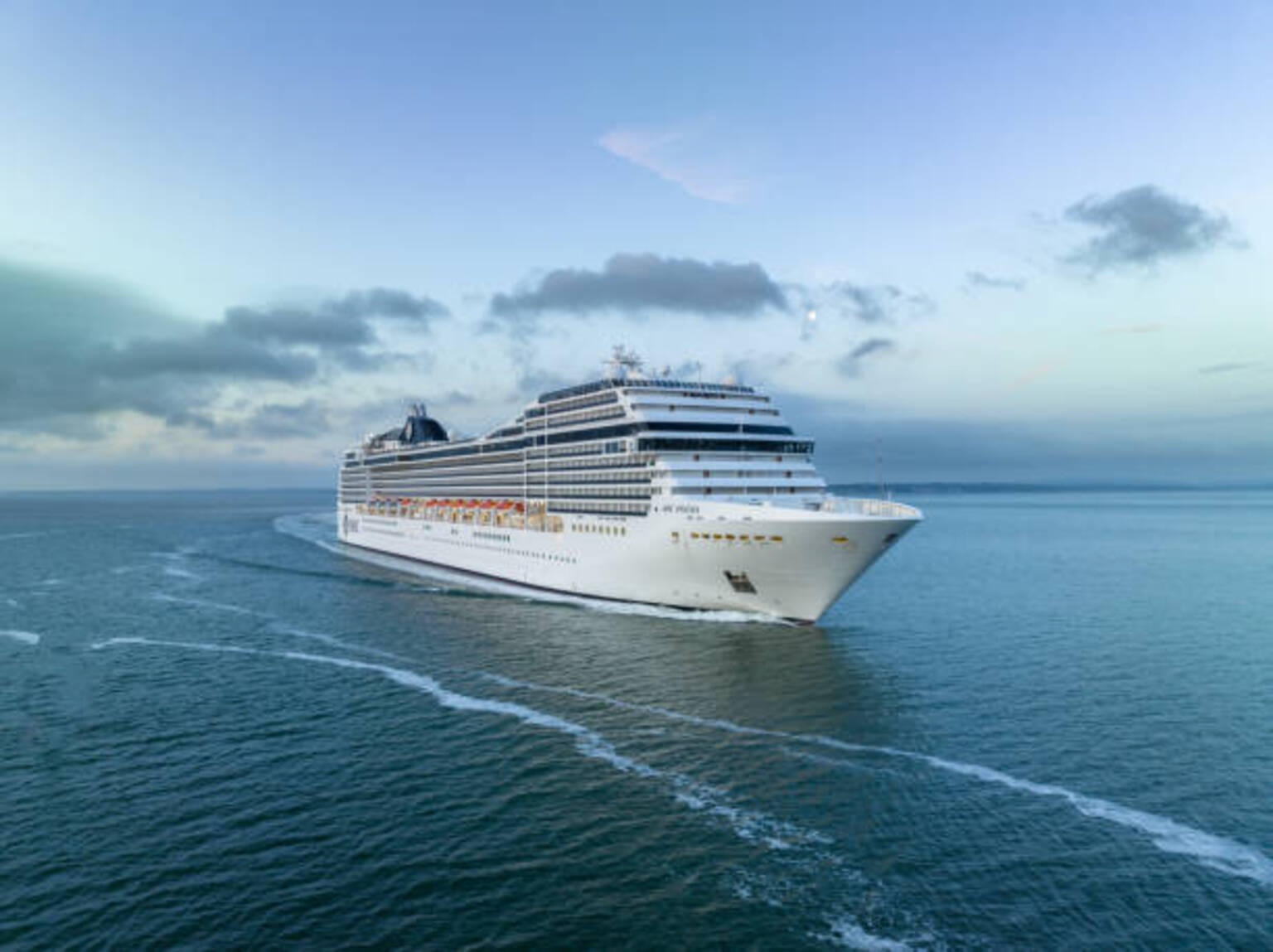
Cruise Industry Continues Strong Performance Amid Challenges
- Industry Resilience: Despite challenges such as pandemics, geopolitical conflicts, and volatile energy markets, the cruise industry remains one of the most consistent performers in travel, attracting significant interest from Baby Boomers and Millennials, thus presenting an appealing investment opportunity.
- First-Timer Growth: UBS analysts highlight a high rate of 'first-timers' in cruising, indicating substantial under-penetration compared to the broader travel market, especially when contrasted with Las Vegas's historically low first-timer rates.
- Earnings Growth Potential: A one percentage point increase in yield could boost EPS by 4% to 5% for cruise operators, illustrating how the industry's high fixed-cost structure makes yield recovery significantly impactful on the bottom line, particularly for companies like Royal Caribbean (RCL) and Carnival (CCL).
- Optimistic Market Outlook: Although Caribbean supply growth is projected at 12% for 2026, exceeding typical high single-digit growth, yields are still rising in both the Caribbean and Alaska, which is expected to enhance earnings for the year; UBS maintains a 'Buy' rating on RCL, CCL, and VIK, indicating better growth prospects for these companies.
Mixed Close for US Stocks as Oil Prices Plunge


- Market Performance: On Wednesday, the S&P 500 Index rose by 0.02%, the Dow Jones Industrial Average increased by 0.36% to a new record high, while the Nasdaq 100 fell by 0.09%, indicating a divergence in market sentiment amid enthusiasm for artificial intelligence and declining oil prices.
- Oil Price Fluctuations: Crude oil prices plummeted over 5% to a five-week low due to optimism surrounding a US-Iran peace deal, which eased inflation expectations and pushed the 10-year Treasury yield down to a 1.5-week low of 4.45%, providing support for the bond market.
- Mortgage Application Decline: US MBA mortgage applications fell by 8.5% for the week ending May 22, with the purchase mortgage sub-index down 0.4% and the refinancing sub-index down 18.1%, reflecting the dampening effect of high interest rates on housing demand, as the average 30-year fixed mortgage rate rose to 6.65%.
- Corporate Earnings Outlook: As of Wednesday, 83% of the 475 S&P 500 companies that reported Q1 earnings exceeded expectations, with projected earnings growth of 12% year-over-year, but excluding the technology sector, the growth is only 3%, indicating signs of overall earnings weakness.

Mixed US Stock Market with Energy Stocks Under Pressure
- Divergent Market Performance: The S&P 500 index fell by 0.07% while the Dow Jones Industrial Average rose by 0.54%, indicating a divergence in market trends, particularly with the Dow reaching a new high, reflecting increased investor confidence in certain sectors.
- Impact of Falling Oil Prices: Crude oil prices dropped over 3% amid optimism for a normalization of oil flows from the Middle East, which not only eased inflation expectations but also pushed the 10-year Treasury yield down to a 1.5-week low of 4.45%, positively affecting the bond market.
- Decline in Mortgage Applications: US MBA mortgage applications fell by 8.5% for the week ending May 22, with the purchase mortgage sub-index down 0.4% and the refinancing sub-index plunging 18.1%, indicating the suppressive effect of high interest rates on the housing market.
- Corporate Earnings Overview: As of now, 83% of the 475 S&P 500 companies that reported Q1 earnings have exceeded expectations, with overall earnings projected to rise by 12% year-on-year, but excluding the tech sector, the growth is only 3%, highlighting disparities across industries.

Royal Caribbean Withdraws Mega Water Park Project in Mexico
- Project Withdrawal: Royal Caribbean has decided to withdraw its 'Perfect Day' water park project on Mexico's Caribbean coast following the rejection by Mexican authorities, indicating a strong governmental emphasis on environmental protection.
- Public Backlash: The project faced significant public opposition primarily due to concerns about its environmental impact, highlighting the local community's focus on sustainable development and ecological preservation.
- Policy Implications: President Claudia Sheinbaum's statement underscores the government's balancing act between tourism development and environmental protection, which may influence the approval processes for similar projects in the future.
- Market Impact: This withdrawal could negatively affect Royal Caribbean's market image, particularly among increasingly environmentally conscious consumers, potentially leading to a loss of prospective customers.
Carnival Corp. Optimistic Earnings Outlook Amid Strong Bookings
- Optimistic Earnings Outlook: Carnival is expected to report a second-quarter EPS of $0.34, slightly below last year's $0.35, yet analysts anticipate a 6% revenue increase, indicating resilience amid challenges.
- Valuation Disparity: With a market cap of nearly $39 billion, Carnival lags behind Royal Caribbean's $76 billion, despite generating $27 billion in revenue compared to Royal Caribbean's $18.4 billion, highlighting a significant valuation gap.
- Shareholder Return Strategy: Earlier this year, Carnival reinstated its dividend and authorized $2.5 billion in stock buybacks, reflecting confidence in future growth and potentially narrowing the valuation gap with competitors.
- Attractive Stock Valuation: Trading at 13 times this fiscal year's earnings, Carnival's stock is undervalued compared to industry averages, and strong future bookings suggest it remains an attractive investment in a generally overvalued market.
Carnival Cruise Stock Outperforms Rivals
- Stock Performance: Carnival's stock has risen 21% over the past year, outperforming its two main rivals, which reflects its strong performance in the cruise industry and boosts investor confidence.
- Dividend and Buyback: The company reinstated its dividend and authorized a $2.5 billion stock buyback during its latest earnings call, indicating improved financial health and a commitment to returning value to shareholders, potentially attracting more investor interest.
- Earnings Expectations: Analysts expect Carnival to report a 6% revenue increase in its upcoming earnings report, but the projected earnings per share of $0.34 is slightly below last year's $0.35, highlighting challenges in profitability amid rising costs.
- Valuation Discrepancy: With a market capitalization of nearly $39 billion, Carnival is significantly lower than Royal Caribbean's $76 billion, despite generating $27 billion in revenue, indicating a valuation gap that could narrow if Carnival continues to improve its performance.
Cruise Industry Continues Strong Performance Amid Challenges
- Industry Resilience: Despite challenges such as pandemics, geopolitical conflicts, and volatile energy markets, the cruise industry remains one of the most consistent performers in travel, attracting significant interest from Baby Boomers and Millennials, thus presenting an appealing investment opportunity.
- First-Timer Growth: UBS analysts highlight a high rate of 'first-timers' in cruising, indicating substantial under-penetration compared to the broader travel market, especially when contrasted with Las Vegas's historically low first-timer rates.
- Earnings Growth Potential: A one percentage point increase in yield could boost EPS by 4% to 5% for cruise operators, illustrating how the industry's high fixed-cost structure makes yield recovery significantly impactful on the bottom line, particularly for companies like Royal Caribbean (RCL) and Carnival (CCL).
- Optimistic Market Outlook: Although Caribbean supply growth is projected at 12% for 2026, exceeding typical high single-digit growth, yields are still rising in both the Caribbean and Alaska, which is expected to enhance earnings for the year; UBS maintains a 'Buy' rating on RCL, CCL, and VIK, indicating better growth prospects for these companies.
Mixed Close for US Stocks as Oil Prices Plunge
- Market Performance: On Wednesday, the S&P 500 Index rose by 0.02%, the Dow Jones Industrial Average increased by 0.36% to a new record high, while the Nasdaq 100 fell by 0.09%, indicating a divergence in market sentiment amid enthusiasm for artificial intelligence and declining oil prices.
- Oil Price Fluctuations: Crude oil prices plummeted over 5% to a five-week low due to optimism surrounding a US-Iran peace deal, which eased inflation expectations and pushed the 10-year Treasury yield down to a 1.5-week low of 4.45%, providing support for the bond market.
- Mortgage Application Decline: US MBA mortgage applications fell by 8.5% for the week ending May 22, with the purchase mortgage sub-index down 0.4% and the refinancing sub-index down 18.1%, reflecting the dampening effect of high interest rates on housing demand, as the average 30-year fixed mortgage rate rose to 6.65%.
- Corporate Earnings Outlook: As of Wednesday, 83% of the 475 S&P 500 companies that reported Q1 earnings exceeded expectations, with projected earnings growth of 12% year-over-year, but excluding the technology sector, the growth is only 3%, indicating signs of overall earnings weakness.
Mixed US Stock Market with Energy Stocks Under Pressure
- Divergent Market Performance: The S&P 500 index fell by 0.07% while the Dow Jones Industrial Average rose by 0.54%, indicating a divergence in market trends, particularly with the Dow reaching a new high, reflecting increased investor confidence in certain sectors.
- Impact of Falling Oil Prices: Crude oil prices dropped over 3% amid optimism for a normalization of oil flows from the Middle East, which not only eased inflation expectations but also pushed the 10-year Treasury yield down to a 1.5-week low of 4.45%, positively affecting the bond market.
- Decline in Mortgage Applications: US MBA mortgage applications fell by 8.5% for the week ending May 22, with the purchase mortgage sub-index down 0.4% and the refinancing sub-index plunging 18.1%, indicating the suppressive effect of high interest rates on the housing market.
- Corporate Earnings Overview: As of now, 83% of the 475 S&P 500 companies that reported Q1 earnings have exceeded expectations, with overall earnings projected to rise by 12% year-on-year, but excluding the tech sector, the growth is only 3%, highlighting disparities across industries.
Royal Caribbean Withdraws Mega Water Park Project in Mexico
- Project Withdrawal: Royal Caribbean has decided to withdraw its 'Perfect Day' water park project on Mexico's Caribbean coast following the rejection by Mexican authorities, indicating a strong governmental emphasis on environmental protection.
- Public Backlash: The project faced significant public opposition primarily due to concerns about its environmental impact, highlighting the local community's focus on sustainable development and ecological preservation.
- Policy Implications: President Claudia Sheinbaum's statement underscores the government's balancing act between tourism development and environmental protection, which may influence the approval processes for similar projects in the future.
- Market Impact: This withdrawal could negatively affect Royal Caribbean's market image, particularly among increasingly environmentally conscious consumers, potentially leading to a loss of prospective customers.