

Nasdaq Proposes Fast Entry Rule for New Listings
Nasdaq Inc's stock has hit a 20-day low, reflecting broader market challenges as the Nasdaq-100 and S&P 500 indices decline by 1.12% and 1.03%, respectively.
The proposed 'Fast Entry' rule aims to allow newly listed companies with a market cap among the top 40 to be included in the index with minimal notice, which could enhance market liquidity and attract investor interest. This initiative is expected to significantly reduce delays for IPOs and exchange transfers, potentially boosting investor confidence in the market.
This strategic move by Nasdaq is designed to align with market dynamics, reinforcing its position as a preferred exchange for technology companies, especially as it prepares for the inclusion of major players like SpaceX and Anthropic.
Trade with 70% Backtested Accuracy
Analyst Views on NDAQ

About NDAQ
About the author


SpaceX's IPO Boosts Nasdaq's Prominence

- Massive IPO Scale: SpaceX's initial public offering raised $75 billion (or $85.7 billion including overallotments), providing significant funding for the company while enhancing Nasdaq's market stature.
- Strong Stock Performance: The stock surged nearly 20% on its first trading day and another 20% on the second day, indicating robust market confidence in SpaceX's growth potential and generating substantial trading volume for Nasdaq.
- Attracting More Tech Companies: SpaceX's decision to list on Nasdaq may encourage other major tech firms like OpenAI and Anthropic to follow suit, further solidifying Nasdaq's position as the preferred exchange for tech IPOs and enhancing its competitive edge.
- Sustained Revenue Streams: Nasdaq benefits from listing fees and ongoing data sales from IPOs, creating a stable income stream that not only boosts its financial performance but also provides funding for future business expansion.

SpaceX IPO Sparks Index Inclusion Rule Changes


- SpaceX Market Performance: SpaceX achieved a market valuation of $1.77 trillion by its third trading day, making it the fifth-largest company globally, indicating strong market demand and investor confidence that could drive future financing and expansion opportunities.
- Index Inclusion Rule Changes: S&P Global modified its Total Stock Market index inclusion criteria by lowering float requirements, facilitating SpaceX's eligibility, although the S&P 500 still mandates a 12-month waiting period, reflecting adaptability to emerging companies.
- Nasdaq-100 Updates: Nasdaq revised its inclusion standards, allowing new IPOs to be added after just 15 trading days, meaning SpaceX will soon be included, which is expected to attract more investor attention to its stock performance.
- Float Limitations: With only about 4% of shares issued, SpaceX's weighting in indices is constrained, despite a market cap exceeding $2.6 trillion, resulting in investors holding approximately $64 worth of SpaceX stock in the QQQ ETF, highlighting the impact of float on index investments.

SpaceX's Market Debut and Index Inclusion Impact

- IPO Valuation: SpaceX debuted at a valuation of $1.77 trillion, becoming the fifth-largest company globally, reflecting its strong market position and investor confidence in the aerospace sector.
- Index Inclusion Rule Changes: Major index providers adjusted their inclusion rules, with S&P Global easing float requirements, facilitating SpaceX's entry into relevant indexes, although the S&P 500 still requires a 12-month wait.
- Float Limitations: SpaceX issued only about 4% of its shares, limiting its weighting in most indexes; despite a market cap exceeding $2.6 trillion, only approximately $125 billion is available for trading.
- Future Weight Adjustments: As lockup periods expire, SpaceX's index weighting will gradually increase, but with Elon Musk holding about 40% of shares, its float may remain below the typical 50%-60% seen in standard IPOs.

Nasdaq to Delist QMMM Holdings Securities

- Delisting Notification: Nasdaq has informed QMMM Holdings that its securities will be delisted on June 24, 2026, unless the company appeals to a Listing Qualifications Hearings Panel, which could significantly impact investor confidence and stock value.
- Trading Suspension: Since October 11, 2025, trading of QMMM's ordinary shares has been halted due to a temporary suspension by the U.S. Securities and Exchange Commission, leading to decreased liquidity and increased uncertainty for investors.
- Appeal Process: QMMM has the right to appeal to the Listing Qualifications Hearings Panel before the delisting takes effect, and a successful appeal could restore trading, providing the company with a chance to recover, although risks remain high.
- Market Impact: Once removed from Nasdaq, the securities may shift to over-the-counter trading, which could offer some trading opportunities for investors, but overall market confidence may suffer further due to the delisting.
SpaceX Achieves Record IPO Cash Raise and Trading Performance

- Record IPO Financing: SpaceX raised $75 billion in its IPO, setting a new record for any public offering, reflecting strong market confidence in its future despite ongoing profitability concerns.
- Valuation Surpasses Competitors: On its first trading day, SpaceX achieved a valuation of approximately $2.1 trillion, surpassing established companies like Tesla and Broadcom, indicating its immense potential in the tech and space sectors.
- Rapid Index Inclusion: Due to changes in Nasdaq and Russell index rules, SpaceX will be included in the Russell 1000 and Russell 3000 just five trading days post-IPO, forcing index funds to buy shares, which could artificially inflate its stock price in the short term.
- Investor Risk Warning: While fast index inclusion provides early market support for SpaceX, its unconventional lockup schedule may allow insiders to sell shares to retail investors, leading to a potential wealth transfer, prompting investors to exercise caution.
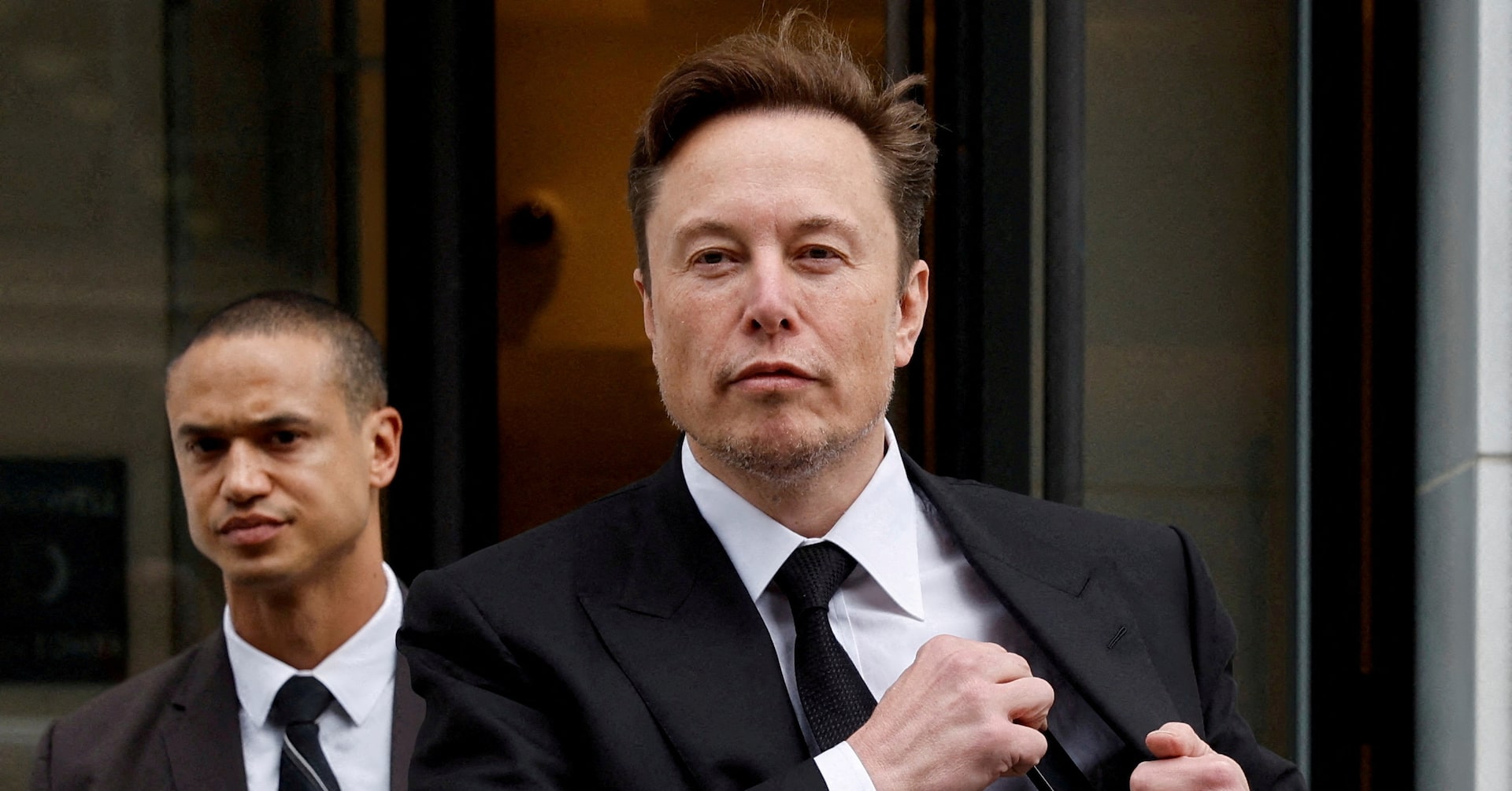
SpaceX IPO Sets Record Cash Raise Amid Risks for Retail Investors
- Record Financing: SpaceX raised $75 billion in its IPO, more than doubling the previous record, and achieved a valuation of approximately $2.1 trillion on its first trading day, surpassing established companies like Broadcom and Tesla, indicating strong market demand.
- Accelerated Index Inclusion: Due to amendments in the U.S. Russell Index inclusion criteria, SpaceX is set to enter the Russell 1000 and Russell 3000 within five trading days post-IPO, which will compel index-tracking funds to buy shares, potentially inflating its stock price in the short term.
- Lack of Investor Protections: While the rapid index entry provides initial price support, the unique lockup schedule and the removal of investor protections may expose retail investors to risks of insiders selling shares soon after the IPO, particularly as early as the second trading day after the first quarterly report.
- Cautious Market Response: Despite the buzz surrounding SpaceX's IPO, analysts advise retail investors to proceed with caution, given the unusual shareholder unlock schedule and potential wealth transfer risks, which could adversely affect long-term returns.
SpaceX's IPO Boosts Nasdaq's Prominence
- Massive IPO Scale: SpaceX's initial public offering raised $75 billion (or $85.7 billion including overallotments), providing significant funding for the company while enhancing Nasdaq's market stature.
- Strong Stock Performance: The stock surged nearly 20% on its first trading day and another 20% on the second day, indicating robust market confidence in SpaceX's growth potential and generating substantial trading volume for Nasdaq.
- Attracting More Tech Companies: SpaceX's decision to list on Nasdaq may encourage other major tech firms like OpenAI and Anthropic to follow suit, further solidifying Nasdaq's position as the preferred exchange for tech IPOs and enhancing its competitive edge.
- Sustained Revenue Streams: Nasdaq benefits from listing fees and ongoing data sales from IPOs, creating a stable income stream that not only boosts its financial performance but also provides funding for future business expansion.
SpaceX IPO Sparks Index Inclusion Rule Changes
- SpaceX Market Performance: SpaceX achieved a market valuation of $1.77 trillion by its third trading day, making it the fifth-largest company globally, indicating strong market demand and investor confidence that could drive future financing and expansion opportunities.
- Index Inclusion Rule Changes: S&P Global modified its Total Stock Market index inclusion criteria by lowering float requirements, facilitating SpaceX's eligibility, although the S&P 500 still mandates a 12-month waiting period, reflecting adaptability to emerging companies.
- Nasdaq-100 Updates: Nasdaq revised its inclusion standards, allowing new IPOs to be added after just 15 trading days, meaning SpaceX will soon be included, which is expected to attract more investor attention to its stock performance.
- Float Limitations: With only about 4% of shares issued, SpaceX's weighting in indices is constrained, despite a market cap exceeding $2.6 trillion, resulting in investors holding approximately $64 worth of SpaceX stock in the QQQ ETF, highlighting the impact of float on index investments.
SpaceX's Market Debut and Index Inclusion Impact
- IPO Valuation: SpaceX debuted at a valuation of $1.77 trillion, becoming the fifth-largest company globally, reflecting its strong market position and investor confidence in the aerospace sector.
- Index Inclusion Rule Changes: Major index providers adjusted their inclusion rules, with S&P Global easing float requirements, facilitating SpaceX's entry into relevant indexes, although the S&P 500 still requires a 12-month wait.
- Float Limitations: SpaceX issued only about 4% of its shares, limiting its weighting in most indexes; despite a market cap exceeding $2.6 trillion, only approximately $125 billion is available for trading.
- Future Weight Adjustments: As lockup periods expire, SpaceX's index weighting will gradually increase, but with Elon Musk holding about 40% of shares, its float may remain below the typical 50%-60% seen in standard IPOs.
Nasdaq to Delist QMMM Holdings Securities
- Delisting Notification: Nasdaq has informed QMMM Holdings that its securities will be delisted on June 24, 2026, unless the company appeals to a Listing Qualifications Hearings Panel, which could significantly impact investor confidence and stock value.
- Trading Suspension: Since October 11, 2025, trading of QMMM's ordinary shares has been halted due to a temporary suspension by the U.S. Securities and Exchange Commission, leading to decreased liquidity and increased uncertainty for investors.
- Appeal Process: QMMM has the right to appeal to the Listing Qualifications Hearings Panel before the delisting takes effect, and a successful appeal could restore trading, providing the company with a chance to recover, although risks remain high.
- Market Impact: Once removed from Nasdaq, the securities may shift to over-the-counter trading, which could offer some trading opportunities for investors, but overall market confidence may suffer further due to the delisting.
SpaceX Achieves Record IPO Cash Raise and Trading Performance
- Record IPO Financing: SpaceX raised $75 billion in its IPO, setting a new record for any public offering, reflecting strong market confidence in its future despite ongoing profitability concerns.
- Valuation Surpasses Competitors: On its first trading day, SpaceX achieved a valuation of approximately $2.1 trillion, surpassing established companies like Tesla and Broadcom, indicating its immense potential in the tech and space sectors.
- Rapid Index Inclusion: Due to changes in Nasdaq and Russell index rules, SpaceX will be included in the Russell 1000 and Russell 3000 just five trading days post-IPO, forcing index funds to buy shares, which could artificially inflate its stock price in the short term.
- Investor Risk Warning: While fast index inclusion provides early market support for SpaceX, its unconventional lockup schedule may allow insiders to sell shares to retail investors, leading to a potential wealth transfer, prompting investors to exercise caution.
SpaceX IPO Sets Record Cash Raise Amid Risks for Retail Investors
- Record Financing: SpaceX raised $75 billion in its IPO, more than doubling the previous record, and achieved a valuation of approximately $2.1 trillion on its first trading day, surpassing established companies like Broadcom and Tesla, indicating strong market demand.
- Accelerated Index Inclusion: Due to amendments in the U.S. Russell Index inclusion criteria, SpaceX is set to enter the Russell 1000 and Russell 3000 within five trading days post-IPO, which will compel index-tracking funds to buy shares, potentially inflating its stock price in the short term.
- Lack of Investor Protections: While the rapid index entry provides initial price support, the unique lockup schedule and the removal of investor protections may expose retail investors to risks of insiders selling shares soon after the IPO, particularly as early as the second trading day after the first quarterly report.
- Cautious Market Response: Despite the buzz surrounding SpaceX's IPO, analysts advise retail investors to proceed with caution, given the unusual shareholder unlock schedule and potential wealth transfer risks, which could adversely affect long-term returns.




