Mitsubishi UFJ Financial Group Raises ROE Target to 12% by 2026
Mitsubishi UFJ Financial Group Inc (MUFG) shares rose by 3.00% and reached a 20-day high, reflecting positive investor sentiment following the company's announcement to increase its return on equity (ROE) target for fiscal 2026 from 9% to 12%.
The increase in the ROE target indicates MUFG's confidence in its future performance, especially after achieving its initial 9% target in fiscal 2024. This revision is expected to enhance market confidence in the company's growth potential, despite the ongoing uncertainties in the business environment. The announcement has led to a positive market reaction, with shares rising during pre-market trading, signaling optimism among investors regarding MUFG's outlook.
This upward revision of financial targets is likely to bolster MUFG's reputation in the market, attracting more investors and potentially leading to further growth opportunities as the company navigates through the current economic landscape.
Trade with 70% Backtested Accuracy
Analyst Views on MUFG
About MUFG
About the author


NetJets' First Fatal Crash Claims Prominent VC Founder

- Crash Impact: NetJets experienced its first fatal crash in Laredo, Texas, resulting in the death of prominent VC Joshua Baer, highlighting safety challenges in the fractional ownership market for private jets.
- Safety Commitment: In the wake of the incident, NetJets reiterated that safety has always been the foundation of its operations and pledged full cooperation with the National Transportation Safety Board's investigation, demonstrating its commitment to client safety.
- Market Position: This incident marks the first fatality for NetJets since its inception in 1986, which could have long-term implications for its brand image and market trust, particularly in the high-end aviation service sector.
- Investor Reaction: Following the crash, there has been increased scrutiny on NetJets, prompting investors to reassess its operational model and future strategies under Berkshire Hathaway's ownership.

Buffett vs. Musk: The Debate on Competitive Moats

- Definition of Moats: Warren Buffett has long used the term 'moat' to describe a company's enduring competitive advantage, while Elon Musk argues that moats are outdated, emphasizing that the pace of innovation is the fundamental determinant of competitiveness.
- Tesla's Open Strategy: During Tesla's earnings call, Musk expressed willingness to open the Supercharger network to competitors, a strategy that could impact Tesla's competitive position in the EV market, although Buffett remains skeptical about this approach.
- Candy Market Challenge: Musk announced plans to enter the candy industry, claiming he would build a moat to fend off competition, while Buffett pointed out that established brands like Snickers and M&M's have strong moats, presenting significant challenges for Musk.
- GEICO's Branding Strategy: Buffett cited GEICO's Gecko as an example of effective branding that creates a moat, highlighting that a strong brand image can generate competitive advantages, with GEICO's recent partnership with a WNBA player further enhancing its investment in women's sports.

Buffett Praises New CEO for Swift and Smooth Acquisition

- Acquisition Scale: Berkshire Hathaway's $6.8 billion acquisition of Taylor Morrison Home marks new CEO Greg Abel's first major deal, showcasing his ambitions in the residential construction sector.
- Rapid Decision-Making: Abel's swift agreement following a brief meeting with Taylor Morrison's CEO reflects Berkshire's longstanding culture of quick decision-making, which may pave the way for future investment opportunities.
- Industry Consolidation Outlook: Analysts suggest that Abel's integration plans could significantly enhance the scale and efficiency of Berkshire's homebuilding operations, potentially positioning it among the top five homebuilders in the U.S., thereby solidifying its market presence.
- Confidence in AI Investment: Berkshire's plan to invest $10 billion in Alphabet to support its AI infrastructure not only demonstrates confidence in the tech sector but may also yield long-term growth potential for the company.
Berkshire Trails S&P by Largest Margin This Year
- Stock Performance Gap: As of May 2026, Berkshire Hathaway's B shares lagged the S&P 500 by 16.3 percentage points year-to-date, marking the largest gap this year, highlighting the stark contrast between the market's enthusiasm for tech stocks and Berkshire's conservative investment strategy.
- Cash Reserve Status: Berkshire reported cash reserves of $397.4 billion as of March 31, up 6.5% from the end of last year, indicating a robust financial position amid market volatility, yet limiting its opportunities for investment in the rapidly growing AI sector.
- AI Investment Dynamics: New CEO Greg Abel tripled the company's stake in Alphabet to nearly $22 billion in Q1, making it the fifth-largest equity holding, although overall AI exposure remains relatively small, reflecting a cautious approach towards emerging technologies.
- Rail Merger Regulatory Delay: The U.S. Surface Transportation Board has paused its review of the proposed $85 billion merger between Union Pacific and Norfolk Southern, requesting additional information, which could delay a final decision until fall 2027; Berkshire's BNSF has opposed the merger, citing anti-competitive concerns.

MUFG Explores Options for Take-Private of Bank Danamon Indonesia
- Acquisition Exploration: Mitsubishi UFJ Financial Group is considering options for taking PT Bank Danamon Indonesia private or selling part of its stake to increase public float, indicating a strategic shift and focus on the Indonesian market.
- Market Value Analysis: Danamon has a market value of nearly 47 trillion Indonesian rupiah (approximately $2.6 billion), with MUFG holding about 92.5% of the shares, which puts pressure on its high ownership ratio amid market fluctuations.
- Regulatory Environment Change: Indonesia's new regulations implemented in 2026 require listed companies to increase their public float within three years to enhance transparency, providing a new context and impetus for MUFG's decision-making.
- Stock Price Reaction: Following media reports of a potential deal, Danamon's shares surged in April, nearly doubling, reflecting positive market expectations and investor interest in the possible acquisition.
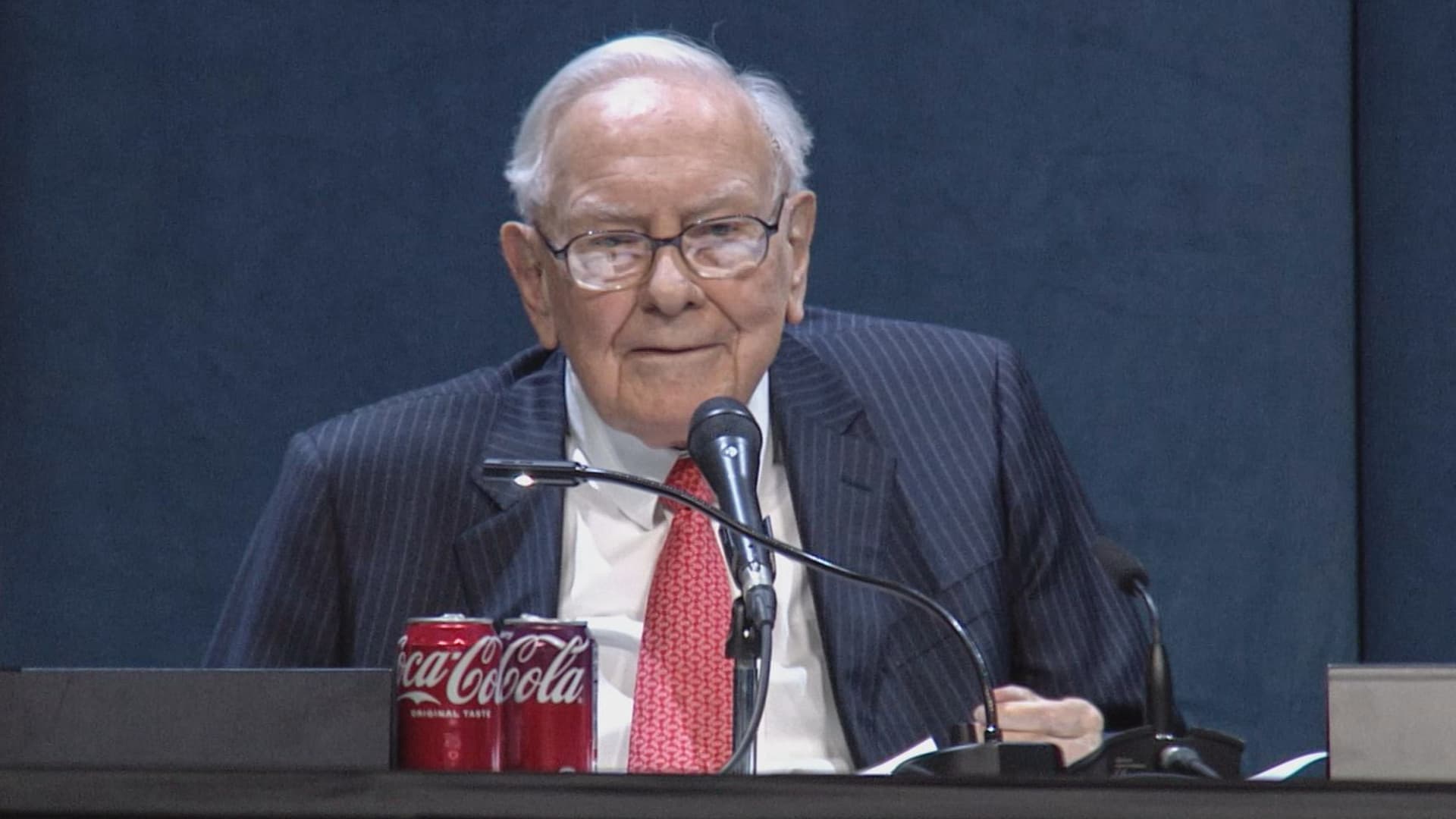
Berkshire Hathaway's Portfolio Update Raises Questions


- Portfolio Adjustment: Berkshire Hathaway's latest SEC 13F filing reveals a significant reduction in the number of stocks, indicating that new CEO Greg Abel may sell many of the stocks previously managed by Todd Combs, a change that, while unexpected, was not entirely surprising.
- Delta Airlines Reinvestment: Buffett's reinvestment in Delta Airlines after a six-year hiatus sees the holding's value increase from $2.6 billion to $3.0 billion, reflecting a 14.5% rise, showcasing Abel's early fondness for airline stocks, despite Buffett's non-involvement in this decision.
- Macy's Minor Stake: Buffett's investment in Macy's has grown from $55 million to $63 million, a 14.2% increase, although this position accounts for less than 0.02% of Berkshire's portfolio, indicating Buffett's ongoing interest in bargain-priced stocks and potential investment opportunities.
- Expansion in Japan: Berkshire continues to increase its stakes in Japan, with Mitsubishi's holding rising from 9.7% to 11.1% and Sumitomo's from 9.3% to 10.3%, suggesting that Abel's investment strategy in Japan is deepening, with the total value of six stocks nearing $46 billion.
NetJets' First Fatal Crash Claims Prominent VC Founder
- Crash Impact: NetJets experienced its first fatal crash in Laredo, Texas, resulting in the death of prominent VC Joshua Baer, highlighting safety challenges in the fractional ownership market for private jets.
- Safety Commitment: In the wake of the incident, NetJets reiterated that safety has always been the foundation of its operations and pledged full cooperation with the National Transportation Safety Board's investigation, demonstrating its commitment to client safety.
- Market Position: This incident marks the first fatality for NetJets since its inception in 1986, which could have long-term implications for its brand image and market trust, particularly in the high-end aviation service sector.
- Investor Reaction: Following the crash, there has been increased scrutiny on NetJets, prompting investors to reassess its operational model and future strategies under Berkshire Hathaway's ownership.
Buffett vs. Musk: The Debate on Competitive Moats
- Definition of Moats: Warren Buffett has long used the term 'moat' to describe a company's enduring competitive advantage, while Elon Musk argues that moats are outdated, emphasizing that the pace of innovation is the fundamental determinant of competitiveness.
- Tesla's Open Strategy: During Tesla's earnings call, Musk expressed willingness to open the Supercharger network to competitors, a strategy that could impact Tesla's competitive position in the EV market, although Buffett remains skeptical about this approach.
- Candy Market Challenge: Musk announced plans to enter the candy industry, claiming he would build a moat to fend off competition, while Buffett pointed out that established brands like Snickers and M&M's have strong moats, presenting significant challenges for Musk.
- GEICO's Branding Strategy: Buffett cited GEICO's Gecko as an example of effective branding that creates a moat, highlighting that a strong brand image can generate competitive advantages, with GEICO's recent partnership with a WNBA player further enhancing its investment in women's sports.
Buffett Praises New CEO for Swift and Smooth Acquisition
- Acquisition Scale: Berkshire Hathaway's $6.8 billion acquisition of Taylor Morrison Home marks new CEO Greg Abel's first major deal, showcasing his ambitions in the residential construction sector.
- Rapid Decision-Making: Abel's swift agreement following a brief meeting with Taylor Morrison's CEO reflects Berkshire's longstanding culture of quick decision-making, which may pave the way for future investment opportunities.
- Industry Consolidation Outlook: Analysts suggest that Abel's integration plans could significantly enhance the scale and efficiency of Berkshire's homebuilding operations, potentially positioning it among the top five homebuilders in the U.S., thereby solidifying its market presence.
- Confidence in AI Investment: Berkshire's plan to invest $10 billion in Alphabet to support its AI infrastructure not only demonstrates confidence in the tech sector but may also yield long-term growth potential for the company.
Berkshire Trails S&P by Largest Margin This Year
- Stock Performance Gap: As of May 2026, Berkshire Hathaway's B shares lagged the S&P 500 by 16.3 percentage points year-to-date, marking the largest gap this year, highlighting the stark contrast between the market's enthusiasm for tech stocks and Berkshire's conservative investment strategy.
- Cash Reserve Status: Berkshire reported cash reserves of $397.4 billion as of March 31, up 6.5% from the end of last year, indicating a robust financial position amid market volatility, yet limiting its opportunities for investment in the rapidly growing AI sector.
- AI Investment Dynamics: New CEO Greg Abel tripled the company's stake in Alphabet to nearly $22 billion in Q1, making it the fifth-largest equity holding, although overall AI exposure remains relatively small, reflecting a cautious approach towards emerging technologies.
- Rail Merger Regulatory Delay: The U.S. Surface Transportation Board has paused its review of the proposed $85 billion merger between Union Pacific and Norfolk Southern, requesting additional information, which could delay a final decision until fall 2027; Berkshire's BNSF has opposed the merger, citing anti-competitive concerns.
MUFG Explores Options for Take-Private of Bank Danamon Indonesia
- Acquisition Exploration: Mitsubishi UFJ Financial Group is considering options for taking PT Bank Danamon Indonesia private or selling part of its stake to increase public float, indicating a strategic shift and focus on the Indonesian market.
- Market Value Analysis: Danamon has a market value of nearly 47 trillion Indonesian rupiah (approximately $2.6 billion), with MUFG holding about 92.5% of the shares, which puts pressure on its high ownership ratio amid market fluctuations.
- Regulatory Environment Change: Indonesia's new regulations implemented in 2026 require listed companies to increase their public float within three years to enhance transparency, providing a new context and impetus for MUFG's decision-making.
- Stock Price Reaction: Following media reports of a potential deal, Danamon's shares surged in April, nearly doubling, reflecting positive market expectations and investor interest in the possible acquisition.
Berkshire Hathaway's Portfolio Update Raises Questions
- Portfolio Adjustment: Berkshire Hathaway's latest SEC 13F filing reveals a significant reduction in the number of stocks, indicating that new CEO Greg Abel may sell many of the stocks previously managed by Todd Combs, a change that, while unexpected, was not entirely surprising.
- Delta Airlines Reinvestment: Buffett's reinvestment in Delta Airlines after a six-year hiatus sees the holding's value increase from $2.6 billion to $3.0 billion, reflecting a 14.5% rise, showcasing Abel's early fondness for airline stocks, despite Buffett's non-involvement in this decision.
- Macy's Minor Stake: Buffett's investment in Macy's has grown from $55 million to $63 million, a 14.2% increase, although this position accounts for less than 0.02% of Berkshire's portfolio, indicating Buffett's ongoing interest in bargain-priced stocks and potential investment opportunities.
- Expansion in Japan: Berkshire continues to increase its stakes in Japan, with Mitsubishi's holding rising from 9.7% to 11.1% and Sumitomo's from 9.3% to 10.3%, suggesting that Abel's investment strategy in Japan is deepening, with the total value of six stocks nearing $46 billion.