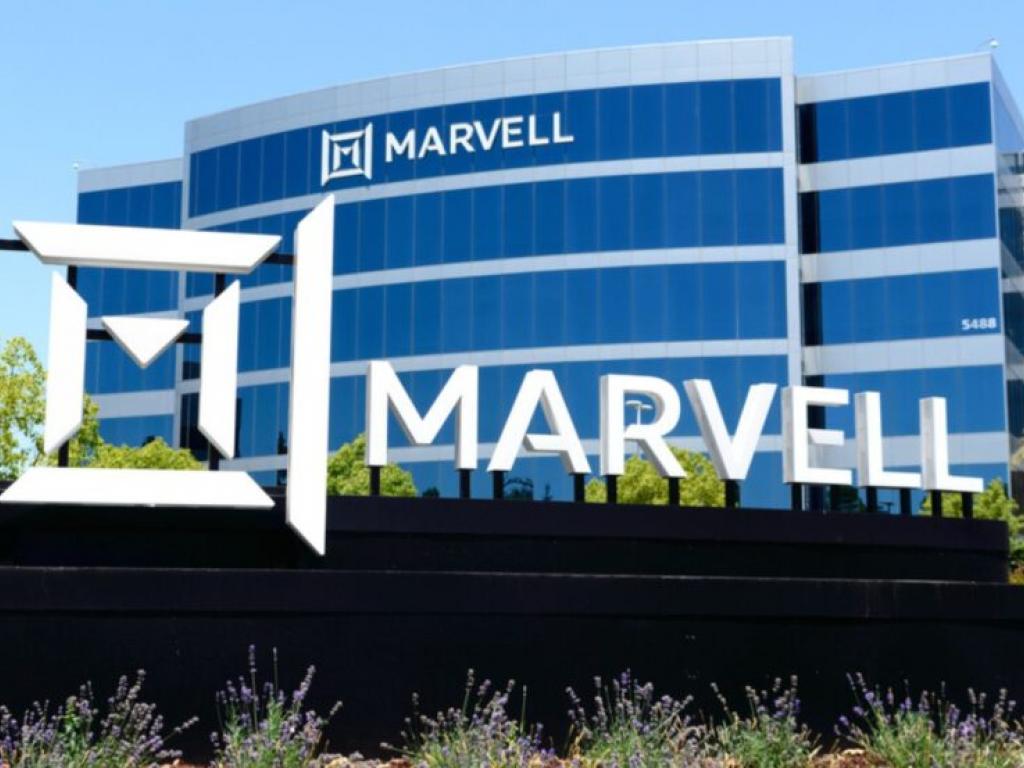
Main Street Capital Announces Q1 2026 Earnings Release Schedule
Main Street Capital's stock fell 5.91% as it crossed below the 5-day SMA, reflecting investor concerns amid a weak industry outlook.
The company announced its Q1 2026 earnings release schedule, projecting distributable net investment income (DNII) between $0.98 and $1.02 per share, indicating stable profitability despite economic uncertainties. Additionally, the estimated net asset value (NAV) per share is expected to grow slightly, reflecting robust performance in capital markets. However, the overall weak outlook for the small business financing industry, ranked in the bottom 9% by Zacks, raises concerns about future earnings potential.
This announcement highlights Main Street's efforts to maintain financial stability and transparency with stakeholders, but the broader market conditions may pose challenges to its growth trajectory.
Trade with 70% Backtested Accuracy
Analyst Views on MAIN

About MAIN
About the author


High Dividend Risks and Rewards of Business Development Companies
- High Dividend Appeal: Business development companies like Ares Capital and Main Street Capital offer dividend yields exceeding 10%, attracting investor interest; however, this comes with high-risk lending models that depend on their ability to manage capital needs of mid-sized firms.
- Loan Rate Risks: Ares Capital's weighted average interest rate on its loan portfolio stands at 10.3%, mirroring Main Street Capital, indicating a high-risk lending environment for mid-sized companies, where elevated rates may lead to borrower defaults, impacting company earnings.
- Market Demand Fluctuations: During economic downturns, mid-sized firms may curtail borrowing, making it challenging for business development companies to expand their income-generating loan portfolios, which could affect their dividend payment capabilities and market attractiveness.
- Investor Confidence Impact: While demand for funding from business development companies remains, investor concerns about borrowers' repayment abilities may suppress investments, leading some firms like Gladstone Capital and Goldman Sachs BDC to lower their per-share dividends, reflecting the challenges of the current market environment.
Analysis of Risks and Rewards in Business Development Company Investments
- High Dividend Yields: Business development companies like Ares Capital and Main Street Capital offer dividend yields exceeding 10%, which, while indicative of the high risks associated with their borrowers, attracts investors seeking substantial returns.
- Loan Rate Risks: Ares Capital's weighted average interest rate stands at 10.3%, matching that of Main Street Capital, indicating that the risk of borrower defaults may rise amid economic uncertainty, potentially impacting the stability of BDC earnings.
- Market Demand Fluctuations: In downturns, mid-sized companies may curtail borrowing, limiting BDCs' income sources; although they can convert interest payments into dividends, their ability to expand income-generating loans is constrained.
- Investor Confidence Impact: While demand for BDC funding remains healthy, investor concerns about borrowers' repayment capabilities may hinder BDCs' ability to raise capital, leading some companies like Gladstone Capital and Goldman Sachs BDC to lower their per-share payouts, reflecting challenges in the current market environment.

Analysis of Retirement Income Investment Portfolio
- Portfolio Income: By investing $750,000 across Realty Income, Main Street Capital, and NEOS S&P 500 High Income ETF, the portfolio generates approximately $50,000 annually, translating to a stable monthly income of $4,167, effectively covering essential retirement expenses.
- Yield Tier Breakdown: Based on income targets, a conservative investment requires about $1.428 million, a moderate investment about $833,000, and an aggressive investment around $500,000, highlighting the capital needs across varying risk tolerances.
- Realty Income Performance: Realty Income shares trade around $60, with a monthly dividend of $0.2705, yielding approximately 5.3%, and its 670 consecutive monthly dividends demonstrate stability, while management projects full-year AFFO between $4.41 and $4.44.
- Main Street Capital Highlights: Main Street Capital pays a monthly dividend of $0.26 plus a quarterly supplemental of $0.30, with an all-in yield nearing 8.4%, showcasing strong cash flow and a 238% ten-year price return, making it suitable for yield-seeking investors.

Analysis of Advantages in Floating Rate Investments
- Interest Rate Impact: Over the past 12 years, long-term rates have spiked five times by more than 1%, with floating-rate investments outperforming long-duration assets in each instance by 8 to 24 percentage points, demonstrating the resilience and appeal of floating-rate assets in high-rate environments.
- Bond Market Performance: The year 2022 marked the worst stretch for bonds in 40 years, with long bonds averaging a 20% decline, while floating-rate investments only dipped 4.6% and even saw an 11% increase in yields as rates rose, highlighting their stability in uncertain markets.
- BDC Investment Opportunities: Business Development Companies (BDCs) serve as floating-rate investment vehicles that can enhance income during rising rates; Ares Capital (ARCC), the largest BDC, currently yields 10.1% and is trading below normal levels due to market sentiment, presenting a compelling buying opportunity.
- Investment Strategy Recommendation: Investors are advised to focus on floating-rate assets, particularly BDC stocks like Main Street Capital (MAIN), which offers an 8.5% yield and additional income growth through equity investments, making them suitable for maintaining stable cash flows amid rate fluctuations.

The Truth About Investment Yields and Retirement Savings

- Yield Target Analysis: Generating $4,800 annually from a $40,000 investment requires a 12% blended yield, which is nearly double the current payouts from Altria, Verizon, and Main Street Capital, highlighting the risks and challenges of chasing high yields.
- Portfolio Earnings: Dividing the $40,000 into three parts of approximately $13,333 each for investment in Altria, Verizon, and Main Street Capital yields an estimated annual income of about $2,700, with a blended yield close to 7%, significantly below the ideal target, reflecting a common misunderstanding about high yields in the market.
- Tax Implications: Dividends from Altria and Verizon are qualified and taxed at long-term capital gains rates, while most distributions from Main Street Capital are ordinary income taxed at marginal rates, suggesting that holding BDCs is more tax-efficient in IRA or Roth accounts.
- Long-Term Investment Strategy: It is advisable to set realistic yield expectations, with 6% to 7% being more achievable, and to reinvest distributions during the accumulation phase, only switching to cash payouts when income is actually needed, which can significantly enhance the final balance for retirement savings.

Analysis of High-Yield Stock Investments
- AGNC Investment Highlights: AGNC Investment boasts a 13.26% yield with a monthly payout of $0.12 and an annualized payout of $1.44, leveraging a $94.7 billion investment portfolio at 7.4x, showcasing strong cash flow and stable dividend capacity.
- Stability of Realty Income: Realty Income offers a 5.24% yield with 670 consecutive monthly dividends, raising its 2026 investment guidance to $9.5 billion, demonstrating robust rental streams and management capabilities in retail and industrial properties.
- Growth of Main Street Capital: Main Street Capital yields 8%, generating $800 in annual passive income, with a net asset value per share reaching $33.46 in Q1 2026, indicating solid performance and effective asset management in the lower middle market.
- Combined Portfolio Returns: The combination of these three stocks generates $2,650 in annual passive income on a $30,000 investment, yielding an 8.83% blended return, highlighting the advantages of monthly payments that align better with household cash flow needs.
High Dividend Risks and Rewards of Business Development Companies
- High Dividend Appeal: Business development companies like Ares Capital and Main Street Capital offer dividend yields exceeding 10%, attracting investor interest; however, this comes with high-risk lending models that depend on their ability to manage capital needs of mid-sized firms.
- Loan Rate Risks: Ares Capital's weighted average interest rate on its loan portfolio stands at 10.3%, mirroring Main Street Capital, indicating a high-risk lending environment for mid-sized companies, where elevated rates may lead to borrower defaults, impacting company earnings.
- Market Demand Fluctuations: During economic downturns, mid-sized firms may curtail borrowing, making it challenging for business development companies to expand their income-generating loan portfolios, which could affect their dividend payment capabilities and market attractiveness.
- Investor Confidence Impact: While demand for funding from business development companies remains, investor concerns about borrowers' repayment abilities may suppress investments, leading some firms like Gladstone Capital and Goldman Sachs BDC to lower their per-share dividends, reflecting the challenges of the current market environment.
Analysis of Risks and Rewards in Business Development Company Investments
- High Dividend Yields: Business development companies like Ares Capital and Main Street Capital offer dividend yields exceeding 10%, which, while indicative of the high risks associated with their borrowers, attracts investors seeking substantial returns.
- Loan Rate Risks: Ares Capital's weighted average interest rate stands at 10.3%, matching that of Main Street Capital, indicating that the risk of borrower defaults may rise amid economic uncertainty, potentially impacting the stability of BDC earnings.
- Market Demand Fluctuations: In downturns, mid-sized companies may curtail borrowing, limiting BDCs' income sources; although they can convert interest payments into dividends, their ability to expand income-generating loans is constrained.
- Investor Confidence Impact: While demand for BDC funding remains healthy, investor concerns about borrowers' repayment capabilities may hinder BDCs' ability to raise capital, leading some companies like Gladstone Capital and Goldman Sachs BDC to lower their per-share payouts, reflecting challenges in the current market environment.
Analysis of Retirement Income Investment Portfolio
- Portfolio Income: By investing $750,000 across Realty Income, Main Street Capital, and NEOS S&P 500 High Income ETF, the portfolio generates approximately $50,000 annually, translating to a stable monthly income of $4,167, effectively covering essential retirement expenses.
- Yield Tier Breakdown: Based on income targets, a conservative investment requires about $1.428 million, a moderate investment about $833,000, and an aggressive investment around $500,000, highlighting the capital needs across varying risk tolerances.
- Realty Income Performance: Realty Income shares trade around $60, with a monthly dividend of $0.2705, yielding approximately 5.3%, and its 670 consecutive monthly dividends demonstrate stability, while management projects full-year AFFO between $4.41 and $4.44.
- Main Street Capital Highlights: Main Street Capital pays a monthly dividend of $0.26 plus a quarterly supplemental of $0.30, with an all-in yield nearing 8.4%, showcasing strong cash flow and a 238% ten-year price return, making it suitable for yield-seeking investors.
Analysis of Advantages in Floating Rate Investments
- Interest Rate Impact: Over the past 12 years, long-term rates have spiked five times by more than 1%, with floating-rate investments outperforming long-duration assets in each instance by 8 to 24 percentage points, demonstrating the resilience and appeal of floating-rate assets in high-rate environments.
- Bond Market Performance: The year 2022 marked the worst stretch for bonds in 40 years, with long bonds averaging a 20% decline, while floating-rate investments only dipped 4.6% and even saw an 11% increase in yields as rates rose, highlighting their stability in uncertain markets.
- BDC Investment Opportunities: Business Development Companies (BDCs) serve as floating-rate investment vehicles that can enhance income during rising rates; Ares Capital (ARCC), the largest BDC, currently yields 10.1% and is trading below normal levels due to market sentiment, presenting a compelling buying opportunity.
- Investment Strategy Recommendation: Investors are advised to focus on floating-rate assets, particularly BDC stocks like Main Street Capital (MAIN), which offers an 8.5% yield and additional income growth through equity investments, making them suitable for maintaining stable cash flows amid rate fluctuations.
The Truth About Investment Yields and Retirement Savings
- Yield Target Analysis: Generating $4,800 annually from a $40,000 investment requires a 12% blended yield, which is nearly double the current payouts from Altria, Verizon, and Main Street Capital, highlighting the risks and challenges of chasing high yields.
- Portfolio Earnings: Dividing the $40,000 into three parts of approximately $13,333 each for investment in Altria, Verizon, and Main Street Capital yields an estimated annual income of about $2,700, with a blended yield close to 7%, significantly below the ideal target, reflecting a common misunderstanding about high yields in the market.
- Tax Implications: Dividends from Altria and Verizon are qualified and taxed at long-term capital gains rates, while most distributions from Main Street Capital are ordinary income taxed at marginal rates, suggesting that holding BDCs is more tax-efficient in IRA or Roth accounts.
- Long-Term Investment Strategy: It is advisable to set realistic yield expectations, with 6% to 7% being more achievable, and to reinvest distributions during the accumulation phase, only switching to cash payouts when income is actually needed, which can significantly enhance the final balance for retirement savings.
Analysis of High-Yield Stock Investments
- AGNC Investment Highlights: AGNC Investment boasts a 13.26% yield with a monthly payout of $0.12 and an annualized payout of $1.44, leveraging a $94.7 billion investment portfolio at 7.4x, showcasing strong cash flow and stable dividend capacity.
- Stability of Realty Income: Realty Income offers a 5.24% yield with 670 consecutive monthly dividends, raising its 2026 investment guidance to $9.5 billion, demonstrating robust rental streams and management capabilities in retail and industrial properties.
- Growth of Main Street Capital: Main Street Capital yields 8%, generating $800 in annual passive income, with a net asset value per share reaching $33.46 in Q1 2026, indicating solid performance and effective asset management in the lower middle market.
- Combined Portfolio Returns: The combination of these three stocks generates $2,650 in annual passive income on a $30,000 investment, yielding an 8.83% blended return, highlighting the advantages of monthly payments that align better with household cash flow needs.