Huntington Ingalls Industries benefits from strong backlog and market position

Huntington Ingalls Industries Inc (HII) reached a 52-week high, reflecting strong investor confidence in the company.
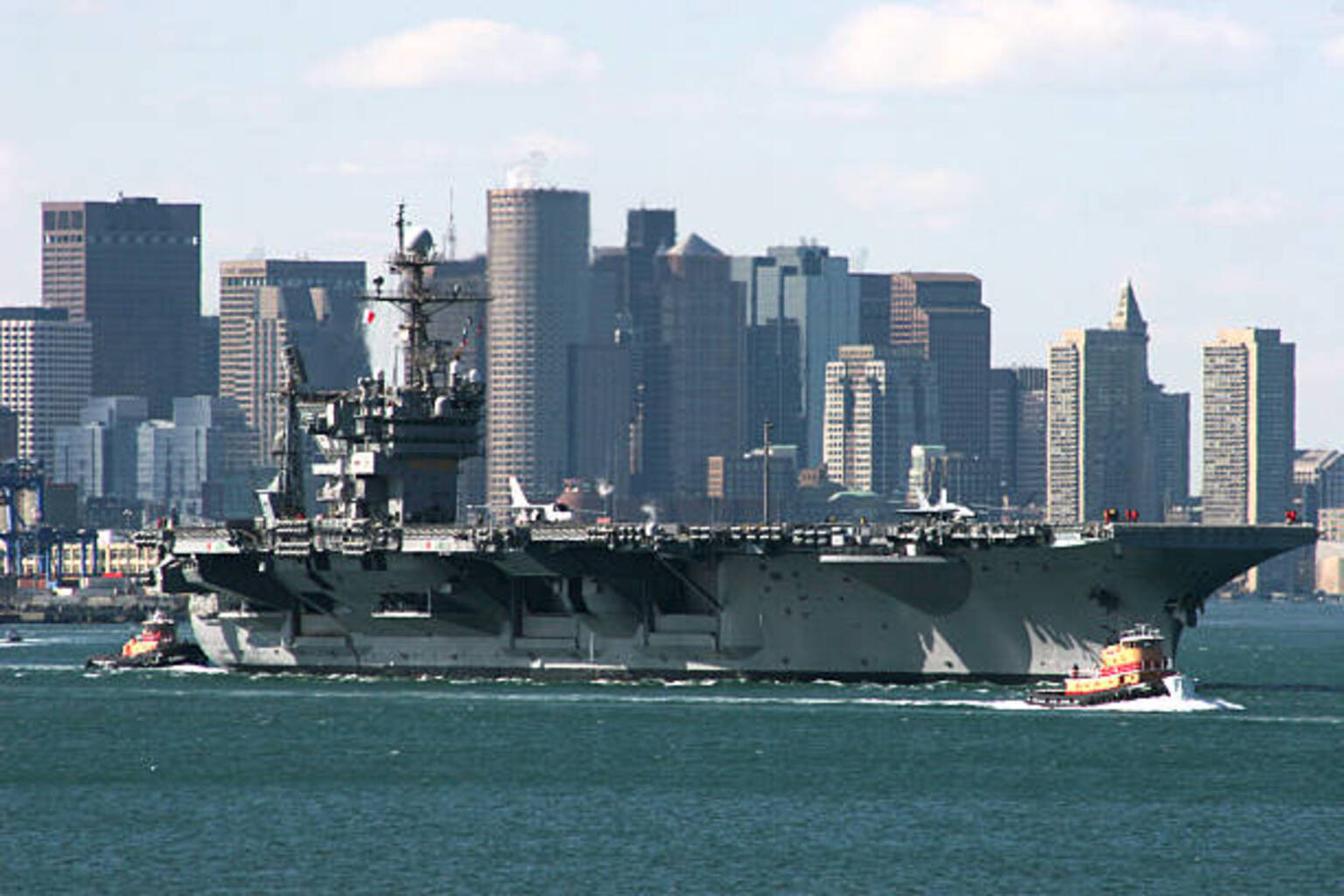
The company's unique market position as the largest military shipbuilder in the U.S. and a robust backlog estimated between $53 billion and $57 billion significantly enhance its revenue visibility. Additionally, U.S. maritime industrial policies provide strong support for HII's growth trajectory, reinforcing its near-monopoly status in nuclear platforms.
As geopolitical tensions rise, particularly in the Western Pacific, HII's strategic advantage positions it well for continued growth, despite broader market weakness.
Trade with 70% Backtested Accuracy
Analyst Views on HII

About HII
About the author


New Flight III Destroyer Ted Stevens Sets Sail
- Destroyer Sets Sail: The new Arleigh Burke-class destroyer Ted Stevens (DDG 128) departed HII's Ingalls Shipbuilding today en route to Norfolk, Virginia, reflecting the company's strong momentum in destroyer deliveries and expected to enhance U.S. maritime security capabilities.
- Advanced Technology Deployment: DDG 128 features the Flight III AN/SPY-6(V)1 radar system and Aegis Baseline 10 combat system, designed to counter evolving threats well into the 21st century, underscoring its significance in modern naval warfare.
- Production Capacity Enhancement: HII plans to outsource over 2.5 million hours of shipbuilding work in 2026 while expanding its structural assembly network to improve throughput and meet the Navy's growing demand, ensuring timely delivery of more vessels.
- Future Development Plans: Ingalls currently has five Flight III destroyers under construction and seven more in early planning phases, indicating the company's strategic positioning and market outlook in future naval shipbuilding.

HII's Newport News Shipbuilding Attracts Graduating Seniors
- Career Commitment: At the Career Selection Day hosted by Newport News Shipbuilding, 32 high school seniors accepted offers for full-time trade positions or admission to HII-funded Apprentice School, demonstrating strong interest and commitment to shipbuilding careers.
- Talent Development Program: The Good Life Solution Program, a collaboration between New Horizons Regional Education Centers and local employers, aims to improve recruitment and training methods, directly attracting new talent from high school graduates.
- Apprentice School Recognition: During a ceremony on April 28, 18 students from the Youth Builders program received offers to attend the Apprentice School, highlighting the company's commitment to developing the next generation of shipbuilders.
- Contribution to National Security: NNS's VP of Human Resources emphasized that these students are not just accepting job offers but are committing to careers that contribute to national security, thereby strengthening the company's workforce and industry appeal.

HII Receives Best Employers Award for Health Care Value
- Award Recognition: HII was honored as the sole recipient of the Best Employers Award for Health Care Value, highlighting its excellence in innovative, evidence-based benefits design that focuses on prevention, clinical outcomes, and long-term savings, thereby reinforcing its leadership position in the industry.
- Commitment to Employee Well-being: This marks the third consecutive year HII has received this award, demonstrating its ongoing efforts to enhance employee well-being through comprehensive and innovative benefits programs, which in turn improve overall company performance and employee satisfaction.
- Strategic Health Initiatives: HII's health programs have significantly reduced emergency room visits and disability costs through on-site Advanced Primary Care, while partnerships for virtual specialty care have improved access and outcomes, showcasing its strategic and effective approach to enhancing health care value.
- Industry Influence: HII's recognition alongside renowned companies like Costco, Dell, and Walmart further establishes its leadership in health and wellness, attracting top talent and enhancing the company's reputation in the competitive landscape.
Huntington Ingalls Beats Earnings Expectations but Shares Drop
- Earnings Beat: Huntington Ingalls reported first-quarter revenue of approximately $3.1 billion, surpassing the consensus estimate of $3.02 billion, with GAAP earnings per share at $3.79, exceeding expectations of $3.71, indicating strong revenue growth despite margin pressures.
- Margin Compression: Operating income decreased from $161 million to $155 million year-over-year, while operating margin fell from 5.9% to 5.0%, highlighting profitability challenges within key shipbuilding divisions amid lower performance in aircraft carrier construction.
- Negative Cash Flow: The company reported negative free cash flow of $461 million for the quarter, with net cash used in operations totaling $390 million, reflecting the capital-intensive nature of shipbuilding programs and the working capital demands of long-duration defense contracts.
- Stable Outlook: Despite profitability concerns, Huntington reaffirmed its full-year outlook, expecting shipbuilding revenue between $9.7 billion and $9.9 billion and free cash flow of $500 million to $600 million, demonstrating confidence in future operational initiatives.
Insider at Huntington Ingalls Industries (HII.US) Plans to Sell $3.03 Million in Common Stock via Form 144
Company Announcement: Kelly Anastasias intends to sell 9,190 shares of its common stock on May 5.
Market Value: The total market value of the shares being sold is approximately $3.03 million.
Rockwell Automation Surges on Strong Q2 Earnings Beat


- Strong Earnings Performance: Rockwell Automation reported a fiscal Q2 earnings per share of $3.30, exceeding analyst expectations of $2.88, with revenue of $2.24 billion surpassing the forecast of $2.16 billion, indicating robust market demand and operational efficiency.
- Upgraded Outlook: The company raised its fiscal 2026 profit outlook, reflecting confidence in future performance, which is likely to further boost investor sentiment and stock price.
- Competitor Struggles: Huntington Ingalls saw an 11% drop in shares despite free cash flow projections of $500 million to $600 million, falling short of the consensus estimate of $569.7 million, highlighting increasing competitive pressures in the industry.
- Positive Market Reaction: Other companies like DuPont and Waters Corp also saw stock price increases due to better-than-expected earnings, indicating a recovering market confidence in the manufacturing and technology sectors.
New Flight III Destroyer Ted Stevens Sets Sail
- Destroyer Sets Sail: The new Arleigh Burke-class destroyer Ted Stevens (DDG 128) departed HII's Ingalls Shipbuilding today en route to Norfolk, Virginia, reflecting the company's strong momentum in destroyer deliveries and expected to enhance U.S. maritime security capabilities.
- Advanced Technology Deployment: DDG 128 features the Flight III AN/SPY-6(V)1 radar system and Aegis Baseline 10 combat system, designed to counter evolving threats well into the 21st century, underscoring its significance in modern naval warfare.
- Production Capacity Enhancement: HII plans to outsource over 2.5 million hours of shipbuilding work in 2026 while expanding its structural assembly network to improve throughput and meet the Navy's growing demand, ensuring timely delivery of more vessels.
- Future Development Plans: Ingalls currently has five Flight III destroyers under construction and seven more in early planning phases, indicating the company's strategic positioning and market outlook in future naval shipbuilding.
HII's Newport News Shipbuilding Attracts Graduating Seniors
- Career Commitment: At the Career Selection Day hosted by Newport News Shipbuilding, 32 high school seniors accepted offers for full-time trade positions or admission to HII-funded Apprentice School, demonstrating strong interest and commitment to shipbuilding careers.
- Talent Development Program: The Good Life Solution Program, a collaboration between New Horizons Regional Education Centers and local employers, aims to improve recruitment and training methods, directly attracting new talent from high school graduates.
- Apprentice School Recognition: During a ceremony on April 28, 18 students from the Youth Builders program received offers to attend the Apprentice School, highlighting the company's commitment to developing the next generation of shipbuilders.
- Contribution to National Security: NNS's VP of Human Resources emphasized that these students are not just accepting job offers but are committing to careers that contribute to national security, thereby strengthening the company's workforce and industry appeal.
HII Receives Best Employers Award for Health Care Value
- Award Recognition: HII was honored as the sole recipient of the Best Employers Award for Health Care Value, highlighting its excellence in innovative, evidence-based benefits design that focuses on prevention, clinical outcomes, and long-term savings, thereby reinforcing its leadership position in the industry.
- Commitment to Employee Well-being: This marks the third consecutive year HII has received this award, demonstrating its ongoing efforts to enhance employee well-being through comprehensive and innovative benefits programs, which in turn improve overall company performance and employee satisfaction.
- Strategic Health Initiatives: HII's health programs have significantly reduced emergency room visits and disability costs through on-site Advanced Primary Care, while partnerships for virtual specialty care have improved access and outcomes, showcasing its strategic and effective approach to enhancing health care value.
- Industry Influence: HII's recognition alongside renowned companies like Costco, Dell, and Walmart further establishes its leadership in health and wellness, attracting top talent and enhancing the company's reputation in the competitive landscape.
Huntington Ingalls Beats Earnings Expectations but Shares Drop
- Earnings Beat: Huntington Ingalls reported first-quarter revenue of approximately $3.1 billion, surpassing the consensus estimate of $3.02 billion, with GAAP earnings per share at $3.79, exceeding expectations of $3.71, indicating strong revenue growth despite margin pressures.
- Margin Compression: Operating income decreased from $161 million to $155 million year-over-year, while operating margin fell from 5.9% to 5.0%, highlighting profitability challenges within key shipbuilding divisions amid lower performance in aircraft carrier construction.
- Negative Cash Flow: The company reported negative free cash flow of $461 million for the quarter, with net cash used in operations totaling $390 million, reflecting the capital-intensive nature of shipbuilding programs and the working capital demands of long-duration defense contracts.
- Stable Outlook: Despite profitability concerns, Huntington reaffirmed its full-year outlook, expecting shipbuilding revenue between $9.7 billion and $9.9 billion and free cash flow of $500 million to $600 million, demonstrating confidence in future operational initiatives.
Insider at Huntington Ingalls Industries (HII.US) Plans to Sell $3.03 Million in Common Stock via Form 144
Company Announcement: Kelly Anastasias intends to sell 9,190 shares of its common stock on May 5.
Market Value: The total market value of the shares being sold is approximately $3.03 million.
Rockwell Automation Surges on Strong Q2 Earnings Beat
- Strong Earnings Performance: Rockwell Automation reported a fiscal Q2 earnings per share of $3.30, exceeding analyst expectations of $2.88, with revenue of $2.24 billion surpassing the forecast of $2.16 billion, indicating robust market demand and operational efficiency.
- Upgraded Outlook: The company raised its fiscal 2026 profit outlook, reflecting confidence in future performance, which is likely to further boost investor sentiment and stock price.
- Competitor Struggles: Huntington Ingalls saw an 11% drop in shares despite free cash flow projections of $500 million to $600 million, falling short of the consensus estimate of $569.7 million, highlighting increasing competitive pressures in the industry.
- Positive Market Reaction: Other companies like DuPont and Waters Corp also saw stock price increases due to better-than-expected earnings, indicating a recovering market confidence in the manufacturing and technology sectors.