Hormel Foods Reports Strong Q2 Growth and Beats Estimates
Hormel Foods Corp's stock rose by 8.87% as it reached a 20-day high, reflecting strong investor confidence following its recent earnings report.
The company reported a revenue of $2.97 billion for Q2 2026, surpassing analysts' expectations, and an adjusted EPS of $0.40, indicating effective cost management and strong market demand. Despite a $61 million loss from the sale of its whole-bird turkey business, Hormel's strategic focus on value-added protein products has driven its sixth consecutive quarter of organic growth, enhancing its market position.
The positive market reaction to Hormel's performance underscores its resilience in a competitive landscape, with expectations for continued growth as it reaffirms its financial guidance for the year.
Trade with 70% Backtested Accuracy
Analyst Views on HRL

About HRL
About the author

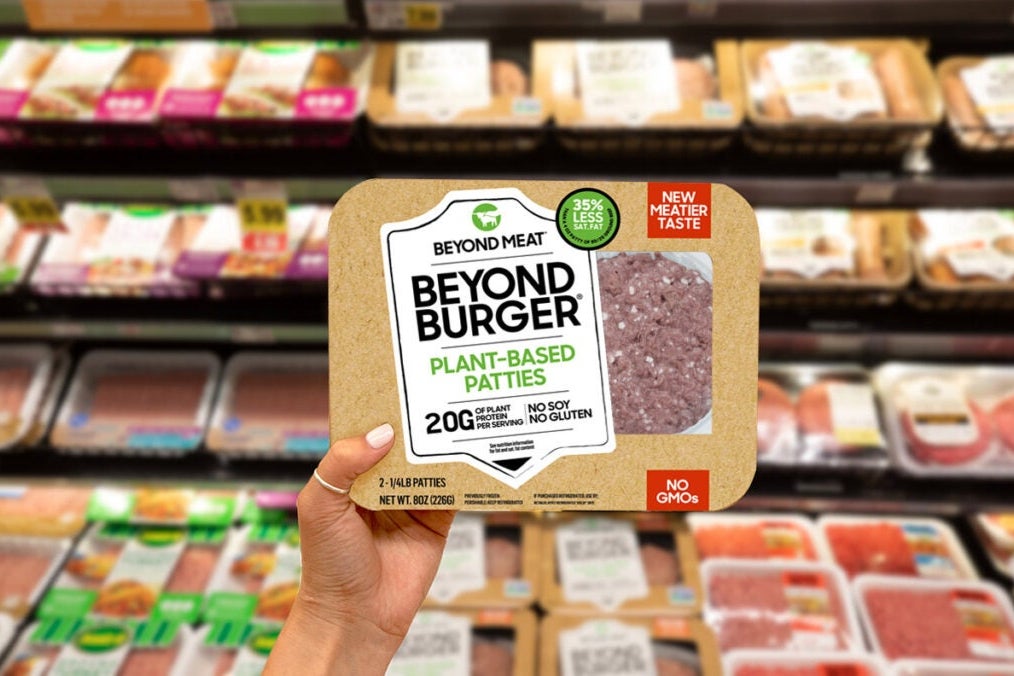
Beyond Meat Reports Disappointing Q1 Earnings Amidst Market Challenges

- Revenue Decline: Beyond Meat's Q1 net revenue fell by 15% year-over-year to just over $58 million, missing analyst expectations of $59.6 million, indicating weak market demand that could undermine future investment confidence.
- Net Loss Situation: The company narrowed its net loss to $46.8 million ($0.10 per share), yet this still exceeded last year's $59 million loss, reflecting challenges in cost control that may heighten investor concerns about its financial health.
- Sales Volume Drop: Product sales volume plummeted nearly 20%, and while net revenue per pound increased by over 5%, it failed to offset the decline, suggesting severe competition in retail and food service channels that could impact market share.
- New Product Launch: Beyond Meat introduced the Beyond Immerse line of plant-based protein drinks, which investors welcomed; however, the intense competition in the already saturated beverage market may hinder its ability to secure a foothold.
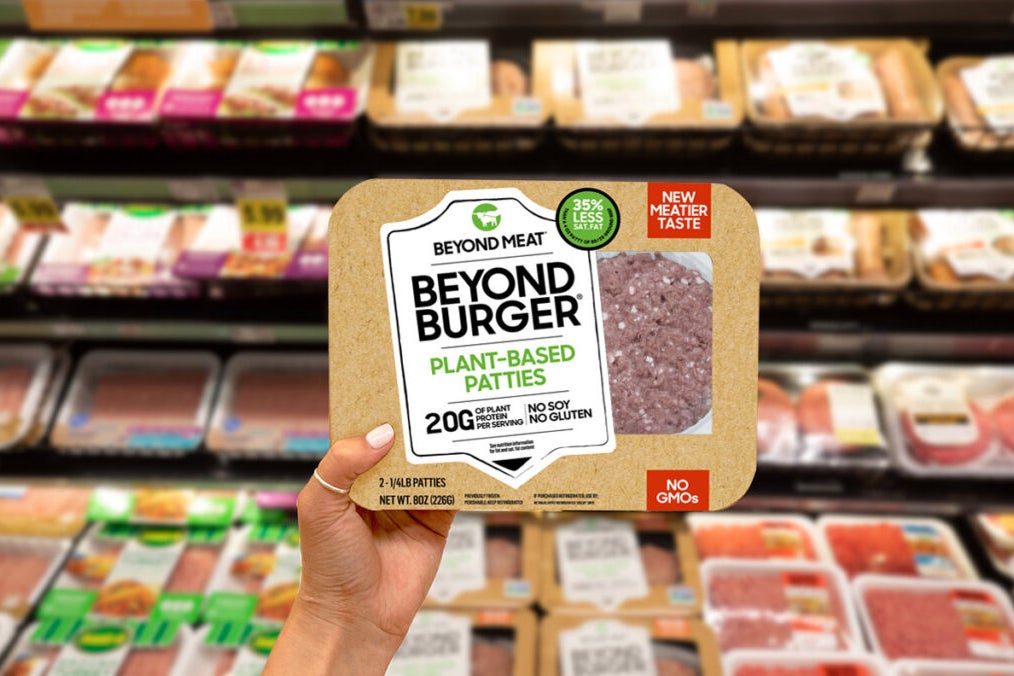
Beyond Meat Faces Sales Decline Amid Beverage Launch Challenges
- Revenue Decline: Beyond Meat's first-quarter net revenue fell by 15% year-over-year to just over $58 million, missing analyst expectations of $59.6 million, indicating significant pressure in a competitive market.
- Net Loss Situation: The company managed to narrow its non-GAAP net loss to $46.8 million ($0.10 per share), yet it remains deeply in the red, reflecting ongoing challenges in profitability.
- Sales Volume Drop: Beyond Meat experienced a nearly 20% decline in product volume sold across both retail and food service channels, signaling weak consumer demand that adversely affects market share.
- New Beverage Launch: The introduction of Beyond Immerse, a line of plant-based beverages, has garnered investor interest; however, it faces stiff competition in a crowded beverage market filled with health-oriented options, limiting potential market opportunities.
Hormel Foods to Participate in Consumer Growth Conference
- Executive Participation: Hormel Foods' President John Ghingo and Interim CFO Paul Kuehneman will engage in a fireside chat at the Oppenheimer 26th Annual Consumer Growth & E-Commerce Conference on June 8, 2026, showcasing the company's leadership in the food industry.
- Webcast Details: The live webcast of the event is scheduled to start at 9:00 a.m. ET (8:00 a.m. CT), allowing investors to access both the live and replay options through the company's investor website, enhancing engagement and transparency with stakeholders.
- Company Overview: Based in Austin, Minnesota, Hormel Foods generates over $12 billion in annual revenue and boasts a portfolio of well-known brands, including SPAM® and Skippy®, positioning itself as a significant player in the global food market.
- Corporate Responsibility Recognition: The company has been recognized as one of the best companies to work for by U.S. News & World Report and named one of America's most responsible companies by Newsweek, reflecting its ongoing commitment to corporate social responsibility and community service.

Hormel Foods to Participate in Investor Conference
- Executive Participation: Hormel Foods Corporation's President John Ghingo and Interim CFO Paul Kuehneman will engage in a fireside chat at the Oppenheimer 26th Annual Consumer Growth & E-Commerce Conference on June 8, 2026, likely drawing investor interest.
- Webcast Details: The live webcast is scheduled to begin at 9:00 a.m. ET (8:00 a.m. CT), allowing investors to access both the live event and its replay through the company's investor website, enhancing engagement with stakeholders.
- Company Overview: Based in Austin, Minnesota, Hormel Foods boasts over $12 billion in annual revenue and a portfolio of well-known brands, including Planters®, SPAM®, and Hormel®, establishing a significant presence in the food industry.
- Industry Recognition: Hormel Foods is a member of the S&P 500 Index and Dividend Aristocrats, recognized for its corporate responsibility and community service efforts, reflecting its strong reputation and commitment to social responsibility within the industry.
Hormel Foods to Participate in Oppenheimer Conference
- Executive Participation: Hormel Foods' President John Ghingo and Interim CFO Paul Kuehneman will participate in the Oppenheimer 26th Annual Consumer Growth & E-Commerce Conference on June 8, 2026, highlighting the company's leadership in the food industry.
- Webcast Details: The live webcast of the event is scheduled to begin at 9:00 a.m. ET (8:00 a.m. CT), allowing investors to access both the live and replay sessions through the company's investor website, enhancing investor engagement.
- Company Overview: Based in Austin, Minnesota, Hormel Foods generates approximately $12 billion in annual revenue across more than 80 countries, with a portfolio of well-known brands such as SPAM® and Skippy®, showcasing its strong market presence.
- Industry Recognition: Hormel Foods is a member of the S&P 500 Index and Dividend Aristocrats, recognized with multiple awards for corporate responsibility and community service, further solidifying its brand reputation in the industry.

US Stocks Close Higher, Nasdaq Hits All-Time High


- Market Recovery: The S&P 500 rose by 0.58% and the Nasdaq 100 climbed 0.84%, reaching all-time highs, reflecting market optimism following the US-Iran ceasefire agreement, which may promote economic stability.
- Economic Data Impact: The US April core PCE price index increased by 3.3% year-on-year, meeting expectations, but the unexpected 1.1% decline in April capital goods orders indicates economic recovery fragility, potentially influencing the Fed's monetary policy decisions.
- Rising Unemployment Claims: Initial jobless claims in the US rose by 5,000 to 215,000, exceeding expectations, reflecting weakness in the labor market, which may heighten investor concerns about the economic outlook.
- Earnings Season Insights: As of Thursday, 83% of the 482 S&P 500 companies reported earnings above estimates, with Q1 earnings projected to grow by 12% year-on-year, demonstrating corporate resilience despite a slowdown in the tech sector.
Beyond Meat Reports Disappointing Q1 Earnings Amidst Market Challenges
- Revenue Decline: Beyond Meat's Q1 net revenue fell by 15% year-over-year to just over $58 million, missing analyst expectations of $59.6 million, indicating weak market demand that could undermine future investment confidence.
- Net Loss Situation: The company narrowed its net loss to $46.8 million ($0.10 per share), yet this still exceeded last year's $59 million loss, reflecting challenges in cost control that may heighten investor concerns about its financial health.
- Sales Volume Drop: Product sales volume plummeted nearly 20%, and while net revenue per pound increased by over 5%, it failed to offset the decline, suggesting severe competition in retail and food service channels that could impact market share.
- New Product Launch: Beyond Meat introduced the Beyond Immerse line of plant-based protein drinks, which investors welcomed; however, the intense competition in the already saturated beverage market may hinder its ability to secure a foothold.
Beyond Meat Faces Sales Decline Amid Beverage Launch Challenges
- Revenue Decline: Beyond Meat's first-quarter net revenue fell by 15% year-over-year to just over $58 million, missing analyst expectations of $59.6 million, indicating significant pressure in a competitive market.
- Net Loss Situation: The company managed to narrow its non-GAAP net loss to $46.8 million ($0.10 per share), yet it remains deeply in the red, reflecting ongoing challenges in profitability.
- Sales Volume Drop: Beyond Meat experienced a nearly 20% decline in product volume sold across both retail and food service channels, signaling weak consumer demand that adversely affects market share.
- New Beverage Launch: The introduction of Beyond Immerse, a line of plant-based beverages, has garnered investor interest; however, it faces stiff competition in a crowded beverage market filled with health-oriented options, limiting potential market opportunities.
Hormel Foods to Participate in Consumer Growth Conference
- Executive Participation: Hormel Foods' President John Ghingo and Interim CFO Paul Kuehneman will engage in a fireside chat at the Oppenheimer 26th Annual Consumer Growth & E-Commerce Conference on June 8, 2026, showcasing the company's leadership in the food industry.
- Webcast Details: The live webcast of the event is scheduled to start at 9:00 a.m. ET (8:00 a.m. CT), allowing investors to access both the live and replay options through the company's investor website, enhancing engagement and transparency with stakeholders.
- Company Overview: Based in Austin, Minnesota, Hormel Foods generates over $12 billion in annual revenue and boasts a portfolio of well-known brands, including SPAM® and Skippy®, positioning itself as a significant player in the global food market.
- Corporate Responsibility Recognition: The company has been recognized as one of the best companies to work for by U.S. News & World Report and named one of America's most responsible companies by Newsweek, reflecting its ongoing commitment to corporate social responsibility and community service.
Hormel Foods to Participate in Investor Conference
- Executive Participation: Hormel Foods Corporation's President John Ghingo and Interim CFO Paul Kuehneman will engage in a fireside chat at the Oppenheimer 26th Annual Consumer Growth & E-Commerce Conference on June 8, 2026, likely drawing investor interest.
- Webcast Details: The live webcast is scheduled to begin at 9:00 a.m. ET (8:00 a.m. CT), allowing investors to access both the live event and its replay through the company's investor website, enhancing engagement with stakeholders.
- Company Overview: Based in Austin, Minnesota, Hormel Foods boasts over $12 billion in annual revenue and a portfolio of well-known brands, including Planters®, SPAM®, and Hormel®, establishing a significant presence in the food industry.
- Industry Recognition: Hormel Foods is a member of the S&P 500 Index and Dividend Aristocrats, recognized for its corporate responsibility and community service efforts, reflecting its strong reputation and commitment to social responsibility within the industry.
Hormel Foods to Participate in Oppenheimer Conference
- Executive Participation: Hormel Foods' President John Ghingo and Interim CFO Paul Kuehneman will participate in the Oppenheimer 26th Annual Consumer Growth & E-Commerce Conference on June 8, 2026, highlighting the company's leadership in the food industry.
- Webcast Details: The live webcast of the event is scheduled to begin at 9:00 a.m. ET (8:00 a.m. CT), allowing investors to access both the live and replay sessions through the company's investor website, enhancing investor engagement.
- Company Overview: Based in Austin, Minnesota, Hormel Foods generates approximately $12 billion in annual revenue across more than 80 countries, with a portfolio of well-known brands such as SPAM® and Skippy®, showcasing its strong market presence.
- Industry Recognition: Hormel Foods is a member of the S&P 500 Index and Dividend Aristocrats, recognized with multiple awards for corporate responsibility and community service, further solidifying its brand reputation in the industry.
US Stocks Close Higher, Nasdaq Hits All-Time High
- Market Recovery: The S&P 500 rose by 0.58% and the Nasdaq 100 climbed 0.84%, reaching all-time highs, reflecting market optimism following the US-Iran ceasefire agreement, which may promote economic stability.
- Economic Data Impact: The US April core PCE price index increased by 3.3% year-on-year, meeting expectations, but the unexpected 1.1% decline in April capital goods orders indicates economic recovery fragility, potentially influencing the Fed's monetary policy decisions.
- Rising Unemployment Claims: Initial jobless claims in the US rose by 5,000 to 215,000, exceeding expectations, reflecting weakness in the labor market, which may heighten investor concerns about the economic outlook.
- Earnings Season Insights: As of Thursday, 83% of the 482 S&P 500 companies reported earnings above estimates, with Q1 earnings projected to grow by 12% year-on-year, demonstrating corporate resilience despite a slowdown in the tech sector.