Group 1 Automotive Reports Q4 Earnings Miss Expectations
Group 1 Automotive's stock fell by 5.45% as it crossed below the 5-day SMA, reflecting investor concerns following its Q4 earnings report.
The company reported a Q4 non-GAAP EPS of $8.49, missing expectations by $0.89, which raised concerns about its profitability and market competitiveness. Additionally, Q4 revenue of $5.58 billion, while a 1.8% year-over-year increase, fell short of market expectations by $70 million, indicating a trend of slowing sales growth. This disappointing performance has led to a cautious market reaction, prompting investors to reassess the company's value in the automotive sector.
The earnings miss and the decline in net income highlight challenges in cost management and operational efficiency, which could impact future investment decisions. Despite declaring a $0.50 per share dividend and initiating a stock buyback program, the current financial performance may hinder investor confidence.
Trade with 70% Backtested Accuracy
Analyst Views on GPI

About GPI
About the author


Carvana Increases Advertising Spend to Boost Market Awareness

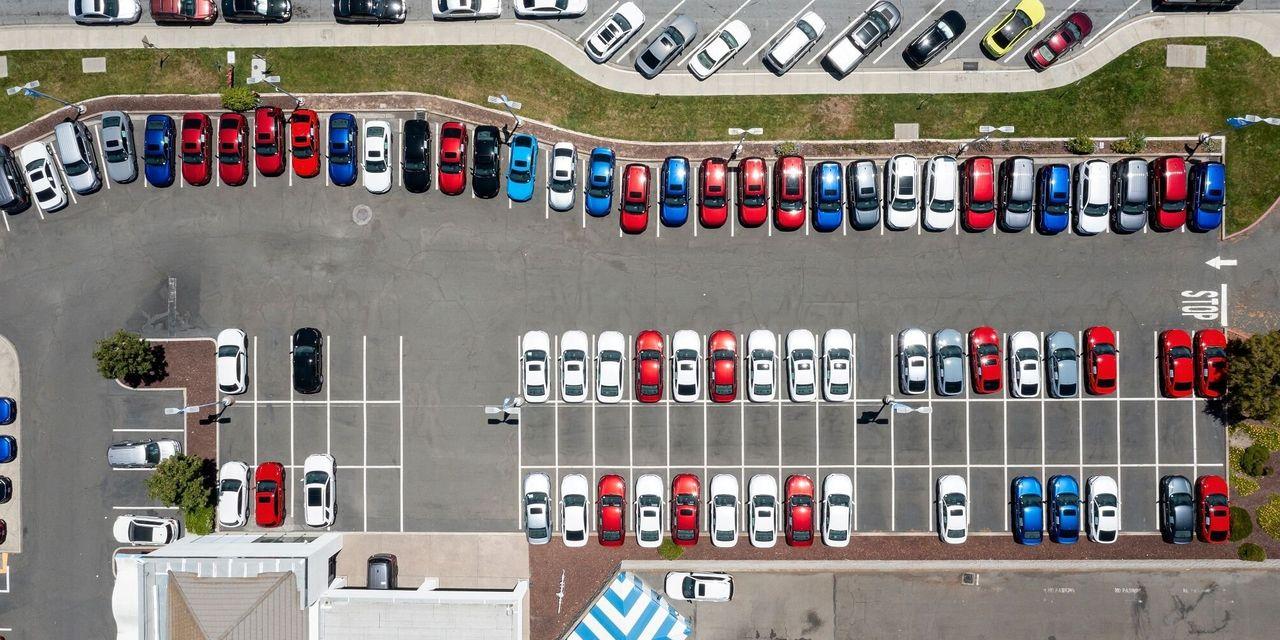
- Increased Advertising Spend: In Q1 2026, Carvana raised its advertising expense by $92 per retail unit sold, aiming to enhance consumer awareness and trust in its online car-buying platform, which is crucial for driving sales growth.
- Current Market Share: Carvana holds nearly 2% of the U.S. used vehicle retail market, while e-commerce adoption in other retail categories is around 20%, indicating that online used car retail is still in its early stages, presenting significant future growth potential.
- Operational Efficiency Gains: The company expects to achieve meaningful SG&A leverage through ongoing operational efficiencies and greater absorption of fixed costs, which will help improve profitability while expanding market share.
- Underperformance in the Industry: Despite increased advertising efforts, Carvana's stock has fallen 20.2% over the past six months, underperforming the 4.8% decline in the Internet - Commerce industry, raising concerns about its valuation in the market.

Group 1 Automotive Unifies Brand Strategy Across Dealerships
- Brand Unification Strategy: Group 1 Automotive is implementing a unified brand strategy across its 250 dealerships in the U.S. and U.K., with the former Sterling McCall Lexus now rebranded as Lexus Southwest Houston, aimed at enhancing customer recognition and trust in the brand.
- Enhanced Customer Experience: The new name took effect on November 3, 2025, and while the name change occurred, the dealership's ownership, staffing, and daily operations remain unchanged, ensuring customers enjoy a consistent experience when purchasing and servicing vehicles.
- Local Service Commitment: Lexus Southwest Houston continues to operate at 10025 Southwest Freeway in Houston, focusing on providing new and pre-owned vehicles and maintenance services to customers in Houston and surrounding communities, maintaining long-term relationships with clients.
- Resource Integration Advantage: As part of the Group 1 network, the dealership connects to sales and services across 37 automotive brands, leveraging the group's resources and technology to enhance operational efficiency and strengthen market competitiveness.
Group 1 Automotive Unifies Brand Strategy Across Dealerships
- Brand Unification Strategy: Group 1 Automotive rebranded the former Sterling McCall Toyota to Group 1 Toyota Southwest Houston on January 5, 2026, aiming to enhance customer experience and strengthen connections to Group 1's resources through a unified brand.
- Commitment to Service Continuity: The name change did not alter ownership, staffing, or daily operations, allowing customers to continue working with familiar teams while benefiting from Group 1's resources and technological support, thereby improving overall service quality.
- Regional Market Coverage: Group 1 Toyota Southwest Houston continues to serve customers in southwest Houston and surrounding communities with new and pre-owned vehicle sales, service, and maintenance, reinforcing local relationships while maintaining localized service under the unified brand.
- National Network Integration: As part of the Group 1 network, the dealership connects to 250 dealerships and 37 vehicle brands, offering transparent pricing and online scheduling services, aiming to provide customers with a consistent buying and service experience that enhances market competitiveness.
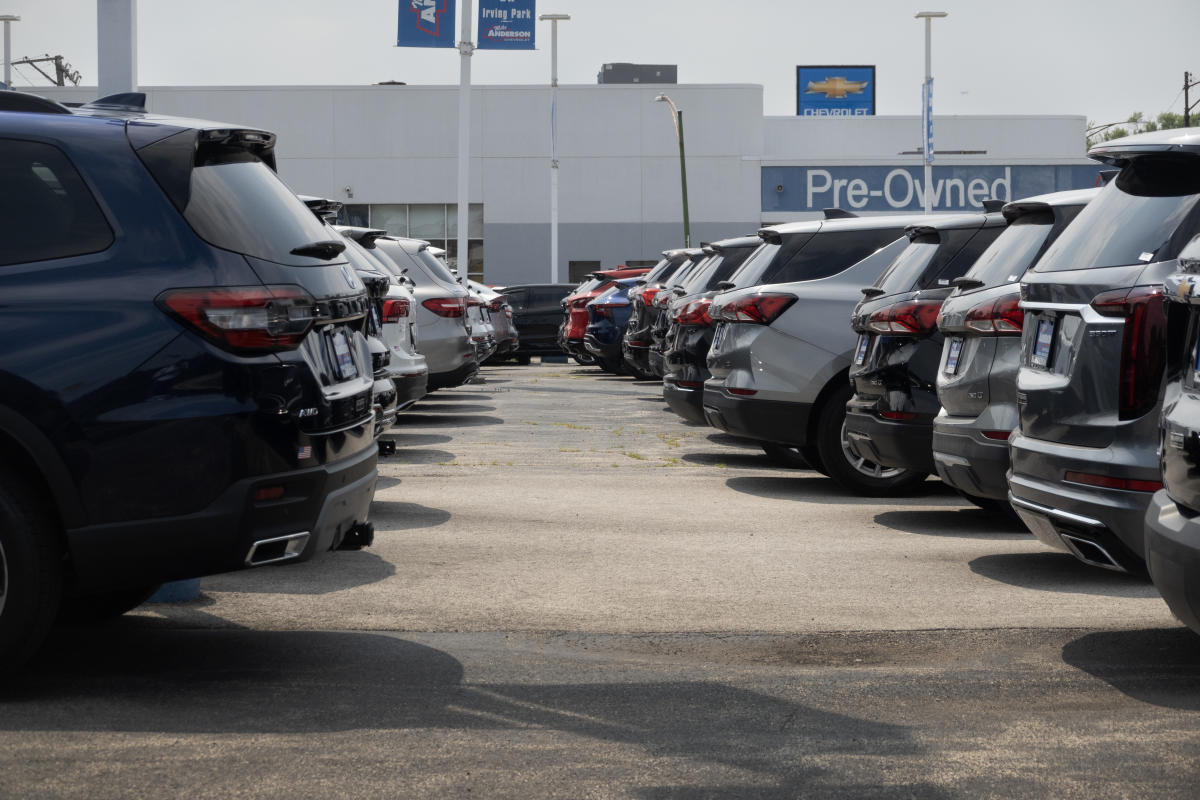
Group 1 Automotive Unifies Brand Strategy Across Dealerships
- Brand Unification Strategy: Group 1 Automotive is implementing a unified brand strategy across its 250 dealerships in the U.S. and U.K., with the former Sterling McCall Lexus now rebranded as Lexus Southwest Houston, aimed at enhancing customer recognition and trust in the brand.
- Enhanced Customer Experience: The new name took effect on November 3, 2025, and while the name has changed, customers continue to receive the same service from the local team, ensuring consistency in sales and service experiences, which boosts customer loyalty.
- Resource Integration Advantage: As part of the Group 1 network, Lexus Southwest Houston can leverage the resources, technology, and operational standards of the group, improving service quality and streamlining the purchasing and maintenance processes for customers.
- Ongoing Local Commitment: The dealership continues to operate at 10025 Southwest Freeway in Houston, focusing on maintaining local relationships with customers while enhancing market recognition and trust through the unified brand.
Group 1 Automotive Appoints New VP of Corporate Development
- Executive Appointment: Group 1 Automotive has appointed Bob Andersen as Vice President of Corporate Development and Pre-Owned Operations, aiming to leverage his leadership to drive the company's strategic initiatives in acquisitions and dispositions in the U.S.
- Extensive Experience: Andersen joined Group 1 in 2023 and has held multiple C-level positions, demonstrating a proven track record in revenue and rooftop growth, most recently serving as National Director of Pre-Owned Operations, showcasing strong leadership and strategic insight.
- Team Support: Andersen will be supported by Group 1's Corporate Development, Transactions, and Real Estate team, which possesses expertise in deal strategy, financial diligence, and cross-functional collaboration, ensuring effective evaluation and execution of transactions.
- Growth Strategy: Since 2004, Group 1 has increased its revenue from $5.4 billion to $22.6 billion, with acquisitions playing a significant role in key years, indicating the company's ongoing commitment to disciplined growth and long-term value creation.
Group 1 Automotive Appoints New VP of Corporate Development
- Executive Appointment: Group 1 Automotive has promoted Bob Andersen to Vice President, overseeing U.S. corporate development and pre-owned operations, aiming to leverage his leadership in acquisitions and dispositions.
- Extensive Experience: Andersen joined Group 1 in 2023 and has held multiple C-level positions, demonstrating a strong track record in revenue and market growth, indicating the company's focus on experience and performance in executive selection.
- Team Support: Andersen will be supported by the Corporate Development, Transactions, and Real Estate team, which possesses expertise in deal strategy and financial diligence, ensuring efficiency in evaluating and executing transactions.
- Growth Strategy: Since 2004, Group 1 has increased its revenue from $5.4 billion to $22.6 billion, with acquisitions playing a crucial role in key years, reflecting the company's ongoing commitment to long-term growth and value creation.
Carvana Increases Advertising Spend to Boost Market Awareness
- Increased Advertising Spend: In Q1 2026, Carvana raised its advertising expense by $92 per retail unit sold, aiming to enhance consumer awareness and trust in its online car-buying platform, which is crucial for driving sales growth.
- Current Market Share: Carvana holds nearly 2% of the U.S. used vehicle retail market, while e-commerce adoption in other retail categories is around 20%, indicating that online used car retail is still in its early stages, presenting significant future growth potential.
- Operational Efficiency Gains: The company expects to achieve meaningful SG&A leverage through ongoing operational efficiencies and greater absorption of fixed costs, which will help improve profitability while expanding market share.
- Underperformance in the Industry: Despite increased advertising efforts, Carvana's stock has fallen 20.2% over the past six months, underperforming the 4.8% decline in the Internet - Commerce industry, raising concerns about its valuation in the market.
Group 1 Automotive Unifies Brand Strategy Across Dealerships
- Brand Unification Strategy: Group 1 Automotive is implementing a unified brand strategy across its 250 dealerships in the U.S. and U.K., with the former Sterling McCall Lexus now rebranded as Lexus Southwest Houston, aimed at enhancing customer recognition and trust in the brand.
- Enhanced Customer Experience: The new name took effect on November 3, 2025, and while the name change occurred, the dealership's ownership, staffing, and daily operations remain unchanged, ensuring customers enjoy a consistent experience when purchasing and servicing vehicles.
- Local Service Commitment: Lexus Southwest Houston continues to operate at 10025 Southwest Freeway in Houston, focusing on providing new and pre-owned vehicles and maintenance services to customers in Houston and surrounding communities, maintaining long-term relationships with clients.
- Resource Integration Advantage: As part of the Group 1 network, the dealership connects to sales and services across 37 automotive brands, leveraging the group's resources and technology to enhance operational efficiency and strengthen market competitiveness.
Group 1 Automotive Unifies Brand Strategy Across Dealerships
- Brand Unification Strategy: Group 1 Automotive rebranded the former Sterling McCall Toyota to Group 1 Toyota Southwest Houston on January 5, 2026, aiming to enhance customer experience and strengthen connections to Group 1's resources through a unified brand.
- Commitment to Service Continuity: The name change did not alter ownership, staffing, or daily operations, allowing customers to continue working with familiar teams while benefiting from Group 1's resources and technological support, thereby improving overall service quality.
- Regional Market Coverage: Group 1 Toyota Southwest Houston continues to serve customers in southwest Houston and surrounding communities with new and pre-owned vehicle sales, service, and maintenance, reinforcing local relationships while maintaining localized service under the unified brand.
- National Network Integration: As part of the Group 1 network, the dealership connects to 250 dealerships and 37 vehicle brands, offering transparent pricing and online scheduling services, aiming to provide customers with a consistent buying and service experience that enhances market competitiveness.
Group 1 Automotive Unifies Brand Strategy Across Dealerships
- Brand Unification Strategy: Group 1 Automotive is implementing a unified brand strategy across its 250 dealerships in the U.S. and U.K., with the former Sterling McCall Lexus now rebranded as Lexus Southwest Houston, aimed at enhancing customer recognition and trust in the brand.
- Enhanced Customer Experience: The new name took effect on November 3, 2025, and while the name has changed, customers continue to receive the same service from the local team, ensuring consistency in sales and service experiences, which boosts customer loyalty.
- Resource Integration Advantage: As part of the Group 1 network, Lexus Southwest Houston can leverage the resources, technology, and operational standards of the group, improving service quality and streamlining the purchasing and maintenance processes for customers.
- Ongoing Local Commitment: The dealership continues to operate at 10025 Southwest Freeway in Houston, focusing on maintaining local relationships with customers while enhancing market recognition and trust through the unified brand.
Group 1 Automotive Appoints New VP of Corporate Development
- Executive Appointment: Group 1 Automotive has appointed Bob Andersen as Vice President of Corporate Development and Pre-Owned Operations, aiming to leverage his leadership to drive the company's strategic initiatives in acquisitions and dispositions in the U.S.
- Extensive Experience: Andersen joined Group 1 in 2023 and has held multiple C-level positions, demonstrating a proven track record in revenue and rooftop growth, most recently serving as National Director of Pre-Owned Operations, showcasing strong leadership and strategic insight.
- Team Support: Andersen will be supported by Group 1's Corporate Development, Transactions, and Real Estate team, which possesses expertise in deal strategy, financial diligence, and cross-functional collaboration, ensuring effective evaluation and execution of transactions.
- Growth Strategy: Since 2004, Group 1 has increased its revenue from $5.4 billion to $22.6 billion, with acquisitions playing a significant role in key years, indicating the company's ongoing commitment to disciplined growth and long-term value creation.
Group 1 Automotive Appoints New VP of Corporate Development
- Executive Appointment: Group 1 Automotive has promoted Bob Andersen to Vice President, overseeing U.S. corporate development and pre-owned operations, aiming to leverage his leadership in acquisitions and dispositions.
- Extensive Experience: Andersen joined Group 1 in 2023 and has held multiple C-level positions, demonstrating a strong track record in revenue and market growth, indicating the company's focus on experience and performance in executive selection.
- Team Support: Andersen will be supported by the Corporate Development, Transactions, and Real Estate team, which possesses expertise in deal strategy and financial diligence, ensuring efficiency in evaluating and executing transactions.
- Growth Strategy: Since 2004, Group 1 has increased its revenue from $5.4 billion to $22.6 billion, with acquisitions playing a crucial role in key years, reflecting the company's ongoing commitment to long-term growth and value creation.