Grab's Earnings Miss Expectations, Shares Drop
Grab Holdings Ltd's shares fell by 5.04% as it hit a 20-day low, following disappointing earnings forecasts.
The company projected fiscal 2026 revenue between $4.04 billion and $4.10 billion, missing Wall Street's expectation of $4.13 billion, which indicates a slowdown in its core ride-hailing and delivery businesses. Additionally, Grab announced a $500 million share buyback program to boost investor confidence despite these challenges. The cautious consumer spending in Southeast Asia, driven by high inflation and U.S. tariff policies, has prompted Grab to leverage its Saver platform to attract budget-conscious customers.
The implications of these results suggest that Grab may face continued pressure on its stock price as investors react to the earnings miss and the broader economic conditions affecting consumer behavior.
Trade with 70% Backtested Accuracy
Analyst Views on GRAB

About GRAB
About the author


Grab to Acquire Controlling Stake in Superbank

- Stake Transfer: Singtel Alpha Investments will transfer its stake in Superbank to Grab's digital banking subsidiary GXS Bank, with the transaction expected to complete in May 2026, resulting in Grab holding over 50% of Superbank directly and indirectly.
- Financial Consolidation: Upon completion of the transaction, Grab will begin consolidating Superbank's financial results into its financial services segment starting May 2026, which is expected to significantly enhance the company's overall financial performance.
- Customer Base Expansion: Superbank serves over 6 million customers in Indonesia and reported its first full-year profit in fiscal 2025, indicating an increase in market penetration and profitability.
- Asset and Income Growth: As of April 2026, Superbank reported a 72% year-over-year asset growth to IDR 24 trillion and an 84% increase in net interest income, providing strong financial support and future growth potential for Grab.
Nvidia Establishes AI Research Center in Singapore

- New Research Center: Nvidia has established its first research hub in Singapore, marking its second presence in the Asia Pacific, aimed at advancing embodied AI and enhancing AI infrastructure efficiency.
- Strengthened Partnerships: The new center will collaborate closely with university researchers, industry partners, and government agencies to promote the application of embodied AI, particularly in robotics, autonomous vehicles, and drones, which are expected to drive breakthroughs in the service and manufacturing sectors.
- Testbed Launch: The Singapore government plans to launch a testbed later this year to assist private companies in co-designing, deploying, and validating commercially viable AI robotic technologies, with industry leaders like Certis, DHL, Grab, and QuikBot expected to be among the first users.
- Intelligent Robotics Center: The newly established Center for Intelligent Robotics will collaborate with AI robotics companies such as Slamtec, Unitree, and QuikBot to trial embodied AI use cases, including food and parcel delivery, cleaning, and security patrolling, complementing existing human operations.
Grab, Norwegian Cruise Line, and Chewy Stocks Hit New Lows Amid Economic Concerns

- Grab's Stock Decline: Grab Holdings' shares fell 0.6% on Friday to $3.46, marking a six-day decline and a new 52-week low, despite a 24% revenue growth in Q1; concerns over inflation and rising oil prices have heavily impacted investor sentiment, leading to a year-to-date decline of over 30%.
- Norwegian Cruise Line Struggles: Norwegian Cruise Line Holdings (NCLH) shares dropped to a 52-week low of $15.45 on Friday, driven by rising fuel costs and high debt levels, compounded by a recent hantavirus outbreak that has raised global health concerns, resulting in a year-to-date decline of over 31%.
- Chewy's Price Target Cut: Chewy's stock slipped to a fresh 52-week low of $21.16 on Friday, with Citi lowering its price target from $40 to $37 while maintaining a 'Buy' rating, reflecting broader sector weakness amid softening consumer demand and persistent inflation, leading to a year-to-date decline of over 36%.
- Shifting Market Sentiment: Retail sentiment on Stocktwits shows Grab in 'bearish' territory, while NCLH remains in 'bullish' territory, indicating differing market perceptions; Chewy, despite challenges, is in 'extremely bullish' territory, suggesting investor optimism about its future prospects.
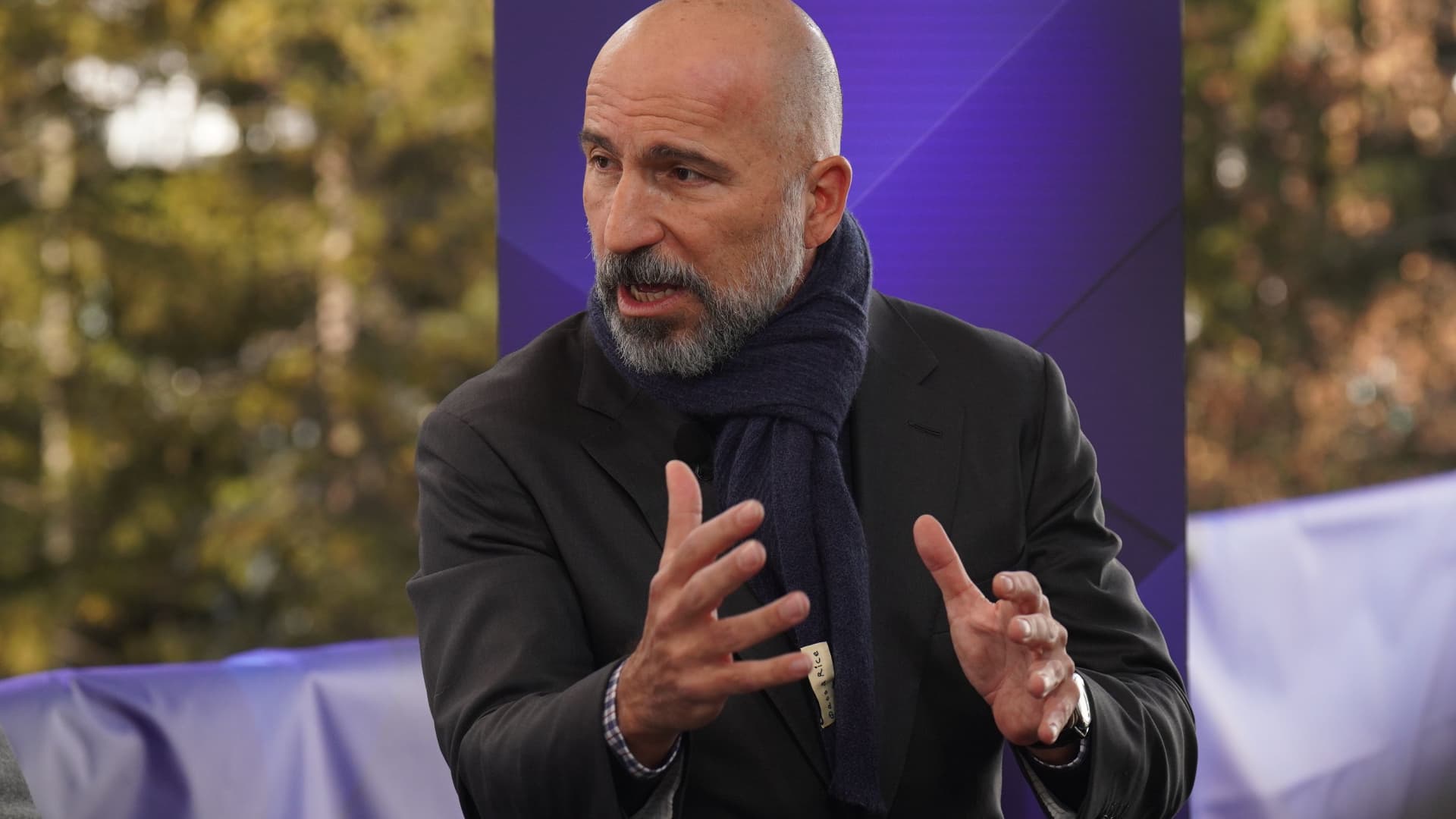
Uber's Q1 Earnings Miss Estimates but Guidance Surpasses Expectations

- Earnings Performance: Uber reported Q1 revenue of $13.2 billion, missing the market expectation of $13.29 billion, with earnings per share at 13 cents, significantly below the expected 70 cents, indicating challenges in a complex macro environment.
- Net Income Decline: Due to the revaluation of equity investments, Uber's net income fell from $1.78 billion a year ago to $263 million, reflecting the pressure of market volatility on the company's profitability.
- Delivery Segment Growth: Uber's delivery segment achieved a 34% revenue growth to $5.07 billion, surpassing analyst expectations of $4.89 billion, demonstrating strong performance in Australia, Japan, and the UK.
- Optimistic Future Guidance: Uber expects total bookings for Q2 to range between $56.25 billion and $57.75 billion, exceeding the consensus estimate of $56.17 billion, indicating a positive outlook for future growth.
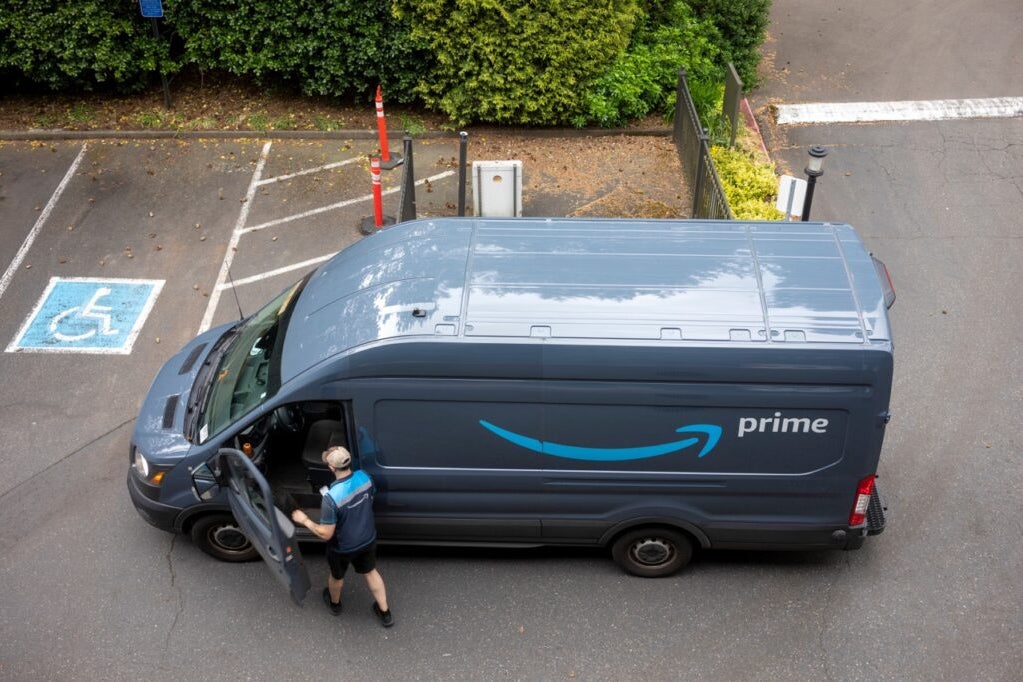
Uber Reports 14% Revenue Growth in Q1, Exceeds Booking Guidance
- Revenue Growth: Uber reported first-quarter revenue of $13.2 billion, reflecting a 14% year-over-year increase, although it fell short of analysts' expectations of $13.29 billion, indicating resilience amid a complex macroeconomic backdrop.
- Booking Guidance Exceeds Expectations: The company anticipates gross bookings for the current quarter to reach between $56.25 billion and $57.75 billion, surpassing the consensus estimate of $56.17 billion, highlighting strong market demand.
- Delivery Segment Performance: Uber's delivery segment achieved a remarkable 34% revenue growth, totaling $5.07 billion, exceeding the average analyst estimate of $4.89 billion, driven by robust performance in markets like Australia, Japan, and the UK.
- Net Income Impact: Due to the revaluation of equity investments, Uber's net income fell to $263 million in the first quarter, down significantly from $1.78 billion a year earlier, reflecting the financial pressures from market volatility.

Grab Reports Q1 2026 Earnings with Strong Revenue Growth
- Revenue Beats Expectations: Grab reported Q1 2026 revenue of $955 million, exceeding market expectations by $34.76 million, indicating strong performance and growth potential in the competitive landscape.
- Significant GMV Growth: The On-Demand Gross Merchandise Value (GMV) for Q1 2026 grew 24% year-over-year to $6.1 billion, demonstrating Grab's success in enhancing user demand and expanding market share.
- Substantial EBITDA Increase: Adjusted EBITDA for Q1 2026 rose 46% year-over-year to $154 million, reflecting the company's successful cost control and operational efficiency, which further strengthens its profitability.
- Robust Free Cash Flow: Grab achieved an adjusted free cash flow of $489 million on a trailing twelve months basis, showcasing its strong cash generation capabilities, which provide ample funding for future investments and expansion.
Grab to Acquire Controlling Stake in Superbank
- Stake Transfer: Singtel Alpha Investments will transfer its stake in Superbank to Grab's digital banking subsidiary GXS Bank, with the transaction expected to complete in May 2026, resulting in Grab holding over 50% of Superbank directly and indirectly.
- Financial Consolidation: Upon completion of the transaction, Grab will begin consolidating Superbank's financial results into its financial services segment starting May 2026, which is expected to significantly enhance the company's overall financial performance.
- Customer Base Expansion: Superbank serves over 6 million customers in Indonesia and reported its first full-year profit in fiscal 2025, indicating an increase in market penetration and profitability.
- Asset and Income Growth: As of April 2026, Superbank reported a 72% year-over-year asset growth to IDR 24 trillion and an 84% increase in net interest income, providing strong financial support and future growth potential for Grab.
Nvidia Establishes AI Research Center in Singapore
- New Research Center: Nvidia has established its first research hub in Singapore, marking its second presence in the Asia Pacific, aimed at advancing embodied AI and enhancing AI infrastructure efficiency.
- Strengthened Partnerships: The new center will collaborate closely with university researchers, industry partners, and government agencies to promote the application of embodied AI, particularly in robotics, autonomous vehicles, and drones, which are expected to drive breakthroughs in the service and manufacturing sectors.
- Testbed Launch: The Singapore government plans to launch a testbed later this year to assist private companies in co-designing, deploying, and validating commercially viable AI robotic technologies, with industry leaders like Certis, DHL, Grab, and QuikBot expected to be among the first users.
- Intelligent Robotics Center: The newly established Center for Intelligent Robotics will collaborate with AI robotics companies such as Slamtec, Unitree, and QuikBot to trial embodied AI use cases, including food and parcel delivery, cleaning, and security patrolling, complementing existing human operations.
Grab, Norwegian Cruise Line, and Chewy Stocks Hit New Lows Amid Economic Concerns
- Grab's Stock Decline: Grab Holdings' shares fell 0.6% on Friday to $3.46, marking a six-day decline and a new 52-week low, despite a 24% revenue growth in Q1; concerns over inflation and rising oil prices have heavily impacted investor sentiment, leading to a year-to-date decline of over 30%.
- Norwegian Cruise Line Struggles: Norwegian Cruise Line Holdings (NCLH) shares dropped to a 52-week low of $15.45 on Friday, driven by rising fuel costs and high debt levels, compounded by a recent hantavirus outbreak that has raised global health concerns, resulting in a year-to-date decline of over 31%.
- Chewy's Price Target Cut: Chewy's stock slipped to a fresh 52-week low of $21.16 on Friday, with Citi lowering its price target from $40 to $37 while maintaining a 'Buy' rating, reflecting broader sector weakness amid softening consumer demand and persistent inflation, leading to a year-to-date decline of over 36%.
- Shifting Market Sentiment: Retail sentiment on Stocktwits shows Grab in 'bearish' territory, while NCLH remains in 'bullish' territory, indicating differing market perceptions; Chewy, despite challenges, is in 'extremely bullish' territory, suggesting investor optimism about its future prospects.
Uber's Q1 Earnings Miss Estimates but Guidance Surpasses Expectations
- Earnings Performance: Uber reported Q1 revenue of $13.2 billion, missing the market expectation of $13.29 billion, with earnings per share at 13 cents, significantly below the expected 70 cents, indicating challenges in a complex macro environment.
- Net Income Decline: Due to the revaluation of equity investments, Uber's net income fell from $1.78 billion a year ago to $263 million, reflecting the pressure of market volatility on the company's profitability.
- Delivery Segment Growth: Uber's delivery segment achieved a 34% revenue growth to $5.07 billion, surpassing analyst expectations of $4.89 billion, demonstrating strong performance in Australia, Japan, and the UK.
- Optimistic Future Guidance: Uber expects total bookings for Q2 to range between $56.25 billion and $57.75 billion, exceeding the consensus estimate of $56.17 billion, indicating a positive outlook for future growth.
Uber Reports 14% Revenue Growth in Q1, Exceeds Booking Guidance
- Revenue Growth: Uber reported first-quarter revenue of $13.2 billion, reflecting a 14% year-over-year increase, although it fell short of analysts' expectations of $13.29 billion, indicating resilience amid a complex macroeconomic backdrop.
- Booking Guidance Exceeds Expectations: The company anticipates gross bookings for the current quarter to reach between $56.25 billion and $57.75 billion, surpassing the consensus estimate of $56.17 billion, highlighting strong market demand.
- Delivery Segment Performance: Uber's delivery segment achieved a remarkable 34% revenue growth, totaling $5.07 billion, exceeding the average analyst estimate of $4.89 billion, driven by robust performance in markets like Australia, Japan, and the UK.
- Net Income Impact: Due to the revaluation of equity investments, Uber's net income fell to $263 million in the first quarter, down significantly from $1.78 billion a year earlier, reflecting the financial pressures from market volatility.
Grab Reports Q1 2026 Earnings with Strong Revenue Growth
- Revenue Beats Expectations: Grab reported Q1 2026 revenue of $955 million, exceeding market expectations by $34.76 million, indicating strong performance and growth potential in the competitive landscape.
- Significant GMV Growth: The On-Demand Gross Merchandise Value (GMV) for Q1 2026 grew 24% year-over-year to $6.1 billion, demonstrating Grab's success in enhancing user demand and expanding market share.
- Substantial EBITDA Increase: Adjusted EBITDA for Q1 2026 rose 46% year-over-year to $154 million, reflecting the company's successful cost control and operational efficiency, which further strengthens its profitability.
- Robust Free Cash Flow: Grab achieved an adjusted free cash flow of $489 million on a trailing twelve months basis, showcasing its strong cash generation capabilities, which provide ample funding for future investments and expansion.