Gold Fields Ltd experiences decline amid market weakness
Gold Fields Ltd (GFI) has seen a significant decline, hitting a 5-day low as the stock price dropped by 5.01% during regular trading.
This movement occurs amid a broader market downturn, with the Nasdaq-100 (QQQ) down 1.16% and the S&P 500 (SPY) down 0.99%. The overall market weakness has led to sector rotation, impacting GFI's performance negatively.
Despite the decline, the long-term outlook for gold investments remains positive, particularly with Tanzania's mining sector attracting substantial foreign capital, which could benefit companies like Gold Fields in the future.
Trade with 70% Backtested Accuracy
Analyst Views on GFI

About GFI
About the author

GFI Stock Performance Analysis Amid Analyst Sentiment
- Market Rebound: GFI stock is up approximately 8.6% by midday Monday, indicating optimistic investor sentiment regarding its future performance, despite lower analyst ratings suggesting potential for a rebound.
- Comparative Analysis: Compared to peers like Newmont Corp (up about 5.3%) and Barrick Mining Corp (up about 5.2%), GFI's performance stands out, showcasing its relative strength within the precious metals sector.
- Investor Sentiment: The low analyst ratings for GFI do not necessarily imply that investors should overlook its potential upside, as this situation may present contrarian investors with opportunities for gains.
- Industry Trends: GFI's performance aligns with broader market trends in the precious metals sector, reflecting ongoing investor interest that could drive future growth potential.
Amazon's Logistics Expansion Hits Freight Stocks Hard

- Freight Stocks Decline: Amazon's announcement to open its less-than-truckload shipping services to external companies led to a 5% drop in FedEx Freight and Old Dominion Freight Line, and a 4% decline in XPO, indicating a significant threat to industry incumbents and potential market share erosion.
- Super Micro Stock Plunge: Super Micro Computer's plan to raise $7 billion through equity and equity-linked securities to cover hardware component costs resulted in an 18% stock drop, reflecting market concerns over its financing strategy and potential long-term implications for growth.
- Energy Stocks Rally: Devon Energy's stock surged over 6% after Evercore ISI upgraded its rating to outperform, following a better-than-expected mid-month update post the $58 billion acquisition of Coterra Energy, showcasing strong performance in the oil and gas sector.
- Restaurant Stocks Surge: Cracker Barrel's stock soared 24% after raising its full-year revenue and adjusted EBITDA guidance, reporting fiscal Q3 earnings of $0.29 per share on $797.4 million in revenue, exceeding analyst expectations and indicating robust business recovery.
Super Micro Computer Plans $7 Billion Equity Financing

- Super Micro Financing Plan: Super Micro Computer announced plans to raise $7 billion through equity-related deals to cover hardware component costs, resulting in a 12% drop in stock price, indicating market concerns about its financial health.
- Cracker Barrel Earnings Beat: Cracker Barrel reported earnings of $0.29 per share and revenue of $797.4 million in Q3, exceeding analyst expectations of a $0.48 loss and $776.7 million in revenue, leading to an 11% stock increase, showcasing its business recovery potential.
- Nike Downgrade: RBC downgraded Nike's stock from outperform to sector perform, citing a slower and narrower turnaround than anticipated, which caused a nearly 2% decline in stock price, reflecting market worries about its future growth.
- Chewy Strong Performance: Chewy's Q1 adjusted EBITDA reached $253.1 million, surpassing the $241.6 million expected by analysts, with revenue of $3.36 billion slightly above the $3.35 billion consensus, resulting in a 4% stock increase, demonstrating its competitiveness in the pet retail market.

Gold Fields Q1 Revenue Surges 67.6% Year-on-Year
- Significant Revenue Growth: Gold Fields reported Q1 revenue of $4.86 billion, reflecting a robust 67.6% year-on-year increase, which is likely to enhance investor confidence in the company's market position.
- Substantial Debt Reduction: As of March 31, 2026, net debt decreased by 34% year-on-year to $1.304 billion, improving financial flexibility and capacity for future investments.
- Stable Production and Cost Guidance: The company maintains its 2026 production and cost guidance, expecting attributable gold-equivalent production between 2.40Moz and 2.60Moz, ensuring stable performance expectations for investors.
- Capital Expenditure Plans: Total capital expenditure for 2026 is projected to be between $1.9 billion and $2.1 billion, with sustaining capital expenditure expected between $1.3 billion and $1.4 billion, supporting long-term growth strategies and optimizing resource allocation.
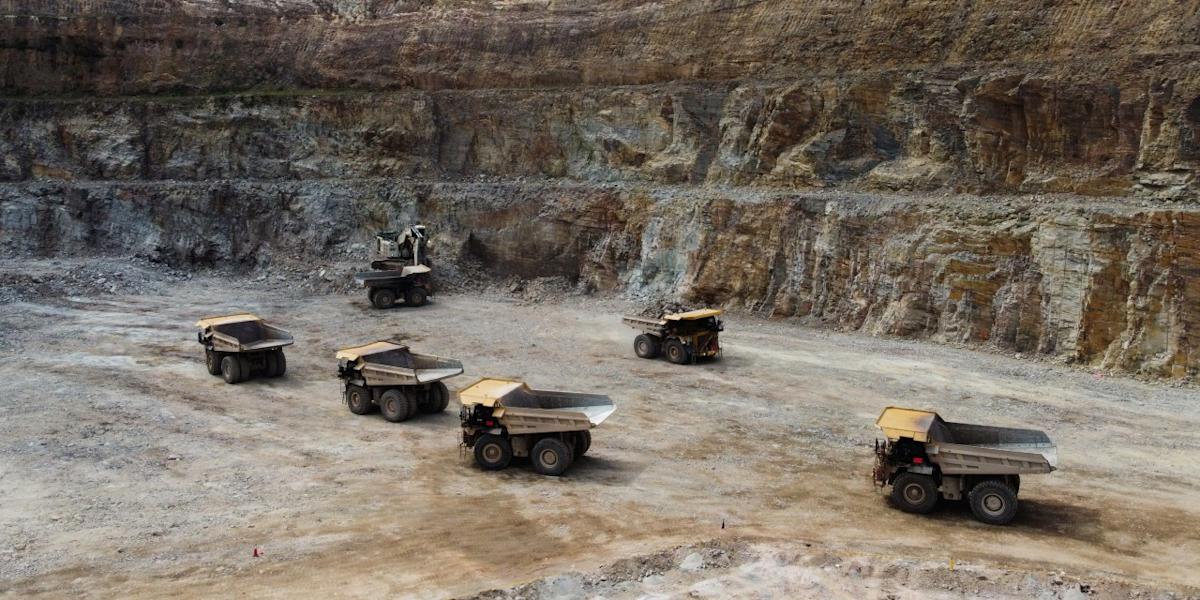
Gold Fields Maintains Full-Year Guidance Amid Rising Oil Costs
- Cost Pressure Intensifies: Gold Fields reported that since the outbreak of conflict in the Middle East, diesel costs have surged between 30% and 70%, which could hinder its ability to meet cost expectations, particularly if oil prices exceed $100 per barrel.
- Rising LNG Prices: The company noted that liquefied natural gas prices have also increased by approximately 30%, further exacerbating operational costs and potentially impacting profitability and cash flow.
- Cost-Saving Measures Initiated: In response to the escalating costs, Gold Fields has initiated a series of cost-saving measures aimed at reducing operational expenditures and maintaining financial stability.
- Market Outlook Uncertain: While the company has upheld its full-year guidance, the ongoing rise in oil prices may affect its future production plans and profit expectations, increasing market uncertainty.
GOLD FIELDS LTD: KEY COMMODITY PRICES HAVE RISEN SHARPLY SINCE THE START OF THE IRAN WAR.
Significant Commodity Increases: There have been notable increases in several key commodities since the commencement of the Iran war.
Impact on Markets: The rising prices of these commodities are likely affecting global markets and economic conditions.
GFI Stock Performance Analysis Amid Analyst Sentiment
- Market Rebound: GFI stock is up approximately 8.6% by midday Monday, indicating optimistic investor sentiment regarding its future performance, despite lower analyst ratings suggesting potential for a rebound.
- Comparative Analysis: Compared to peers like Newmont Corp (up about 5.3%) and Barrick Mining Corp (up about 5.2%), GFI's performance stands out, showcasing its relative strength within the precious metals sector.
- Investor Sentiment: The low analyst ratings for GFI do not necessarily imply that investors should overlook its potential upside, as this situation may present contrarian investors with opportunities for gains.
- Industry Trends: GFI's performance aligns with broader market trends in the precious metals sector, reflecting ongoing investor interest that could drive future growth potential.
Amazon's Logistics Expansion Hits Freight Stocks Hard
- Freight Stocks Decline: Amazon's announcement to open its less-than-truckload shipping services to external companies led to a 5% drop in FedEx Freight and Old Dominion Freight Line, and a 4% decline in XPO, indicating a significant threat to industry incumbents and potential market share erosion.
- Super Micro Stock Plunge: Super Micro Computer's plan to raise $7 billion through equity and equity-linked securities to cover hardware component costs resulted in an 18% stock drop, reflecting market concerns over its financing strategy and potential long-term implications for growth.
- Energy Stocks Rally: Devon Energy's stock surged over 6% after Evercore ISI upgraded its rating to outperform, following a better-than-expected mid-month update post the $58 billion acquisition of Coterra Energy, showcasing strong performance in the oil and gas sector.
- Restaurant Stocks Surge: Cracker Barrel's stock soared 24% after raising its full-year revenue and adjusted EBITDA guidance, reporting fiscal Q3 earnings of $0.29 per share on $797.4 million in revenue, exceeding analyst expectations and indicating robust business recovery.
Super Micro Computer Plans $7 Billion Equity Financing
- Super Micro Financing Plan: Super Micro Computer announced plans to raise $7 billion through equity-related deals to cover hardware component costs, resulting in a 12% drop in stock price, indicating market concerns about its financial health.
- Cracker Barrel Earnings Beat: Cracker Barrel reported earnings of $0.29 per share and revenue of $797.4 million in Q3, exceeding analyst expectations of a $0.48 loss and $776.7 million in revenue, leading to an 11% stock increase, showcasing its business recovery potential.
- Nike Downgrade: RBC downgraded Nike's stock from outperform to sector perform, citing a slower and narrower turnaround than anticipated, which caused a nearly 2% decline in stock price, reflecting market worries about its future growth.
- Chewy Strong Performance: Chewy's Q1 adjusted EBITDA reached $253.1 million, surpassing the $241.6 million expected by analysts, with revenue of $3.36 billion slightly above the $3.35 billion consensus, resulting in a 4% stock increase, demonstrating its competitiveness in the pet retail market.
Gold Fields Q1 Revenue Surges 67.6% Year-on-Year
- Significant Revenue Growth: Gold Fields reported Q1 revenue of $4.86 billion, reflecting a robust 67.6% year-on-year increase, which is likely to enhance investor confidence in the company's market position.
- Substantial Debt Reduction: As of March 31, 2026, net debt decreased by 34% year-on-year to $1.304 billion, improving financial flexibility and capacity for future investments.
- Stable Production and Cost Guidance: The company maintains its 2026 production and cost guidance, expecting attributable gold-equivalent production between 2.40Moz and 2.60Moz, ensuring stable performance expectations for investors.
- Capital Expenditure Plans: Total capital expenditure for 2026 is projected to be between $1.9 billion and $2.1 billion, with sustaining capital expenditure expected between $1.3 billion and $1.4 billion, supporting long-term growth strategies and optimizing resource allocation.
Gold Fields Maintains Full-Year Guidance Amid Rising Oil Costs
- Cost Pressure Intensifies: Gold Fields reported that since the outbreak of conflict in the Middle East, diesel costs have surged between 30% and 70%, which could hinder its ability to meet cost expectations, particularly if oil prices exceed $100 per barrel.
- Rising LNG Prices: The company noted that liquefied natural gas prices have also increased by approximately 30%, further exacerbating operational costs and potentially impacting profitability and cash flow.
- Cost-Saving Measures Initiated: In response to the escalating costs, Gold Fields has initiated a series of cost-saving measures aimed at reducing operational expenditures and maintaining financial stability.
- Market Outlook Uncertain: While the company has upheld its full-year guidance, the ongoing rise in oil prices may affect its future production plans and profit expectations, increasing market uncertainty.
GOLD FIELDS LTD: KEY COMMODITY PRICES HAVE RISEN SHARPLY SINCE THE START OF THE IRAN WAR.
Significant Commodity Increases: There have been notable increases in several key commodities since the commencement of the Iran war.
Impact on Markets: The rising prices of these commodities are likely affecting global markets and economic conditions.