Gold Fields Ltd declines amid broader market weakness
Gold Fields Ltd (GFI) has seen a significant decline of 5.05% as it hits a 20-day low, reflecting the challenging market conditions.
The stock's drop is occurring amid broader market weakness, with the Nasdaq-100 down 1.27% and the S&P 500 down 0.63%. This sector rotation indicates that despite the positive outlook for gold investments in Tanzania, which reached $9.79 billion, GFI is affected by the overall market sentiment.
Investors are closely monitoring the developments in the gold sector, particularly the anticipated central bank purchases of gold, which could stabilize prices in the long run. However, the immediate impact of market trends is weighing heavily on GFI's stock performance.
Trade with 70% Backtested Accuracy
Analyst Views on GFI

About GFI
About the author

GFI Stock Performance Analysis Amid Analyst Sentiment
- Market Rebound: GFI stock is up approximately 8.6% by midday Monday, indicating optimistic investor sentiment regarding its future performance, despite lower analyst ratings suggesting potential for a rebound.
- Comparative Analysis: Compared to peers like Newmont Corp (up about 5.3%) and Barrick Mining Corp (up about 5.2%), GFI's performance stands out, showcasing its relative strength within the precious metals sector.
- Investor Sentiment: The low analyst ratings for GFI do not necessarily imply that investors should overlook its potential upside, as this situation may present contrarian investors with opportunities for gains.
- Industry Trends: GFI's performance aligns with broader market trends in the precious metals sector, reflecting ongoing investor interest that could drive future growth potential.
Amazon's Logistics Expansion Hits Freight Stocks Hard

- Freight Stocks Decline: Amazon's announcement to open its less-than-truckload shipping services to external companies led to a 5% drop in FedEx Freight and Old Dominion Freight Line, and a 4% decline in XPO, indicating a significant threat to industry incumbents and potential market share erosion.
- Super Micro Stock Plunge: Super Micro Computer's plan to raise $7 billion through equity and equity-linked securities to cover hardware component costs resulted in an 18% stock drop, reflecting market concerns over its financing strategy and potential long-term implications for growth.
- Energy Stocks Rally: Devon Energy's stock surged over 6% after Evercore ISI upgraded its rating to outperform, following a better-than-expected mid-month update post the $58 billion acquisition of Coterra Energy, showcasing strong performance in the oil and gas sector.
- Restaurant Stocks Surge: Cracker Barrel's stock soared 24% after raising its full-year revenue and adjusted EBITDA guidance, reporting fiscal Q3 earnings of $0.29 per share on $797.4 million in revenue, exceeding analyst expectations and indicating robust business recovery.
Super Micro Computer Plans $7 Billion Equity Financing

- Super Micro Financing Plan: Super Micro Computer announced plans to raise $7 billion through equity-related deals to cover hardware component costs, resulting in a 12% drop in stock price, indicating market concerns about its financial health.
- Cracker Barrel Earnings Beat: Cracker Barrel reported earnings of $0.29 per share and revenue of $797.4 million in Q3, exceeding analyst expectations of a $0.48 loss and $776.7 million in revenue, leading to an 11% stock increase, showcasing its business recovery potential.
- Nike Downgrade: RBC downgraded Nike's stock from outperform to sector perform, citing a slower and narrower turnaround than anticipated, which caused a nearly 2% decline in stock price, reflecting market worries about its future growth.
- Chewy Strong Performance: Chewy's Q1 adjusted EBITDA reached $253.1 million, surpassing the $241.6 million expected by analysts, with revenue of $3.36 billion slightly above the $3.35 billion consensus, resulting in a 4% stock increase, demonstrating its competitiveness in the pet retail market.

Gold Fields Q1 Revenue Surges 67.6% Year-on-Year
- Significant Revenue Growth: Gold Fields reported Q1 revenue of $4.86 billion, reflecting a robust 67.6% year-on-year increase, which is likely to enhance investor confidence in the company's market position.
- Substantial Debt Reduction: As of March 31, 2026, net debt decreased by 34% year-on-year to $1.304 billion, improving financial flexibility and capacity for future investments.
- Stable Production and Cost Guidance: The company maintains its 2026 production and cost guidance, expecting attributable gold-equivalent production between 2.40Moz and 2.60Moz, ensuring stable performance expectations for investors.
- Capital Expenditure Plans: Total capital expenditure for 2026 is projected to be between $1.9 billion and $2.1 billion, with sustaining capital expenditure expected between $1.3 billion and $1.4 billion, supporting long-term growth strategies and optimizing resource allocation.
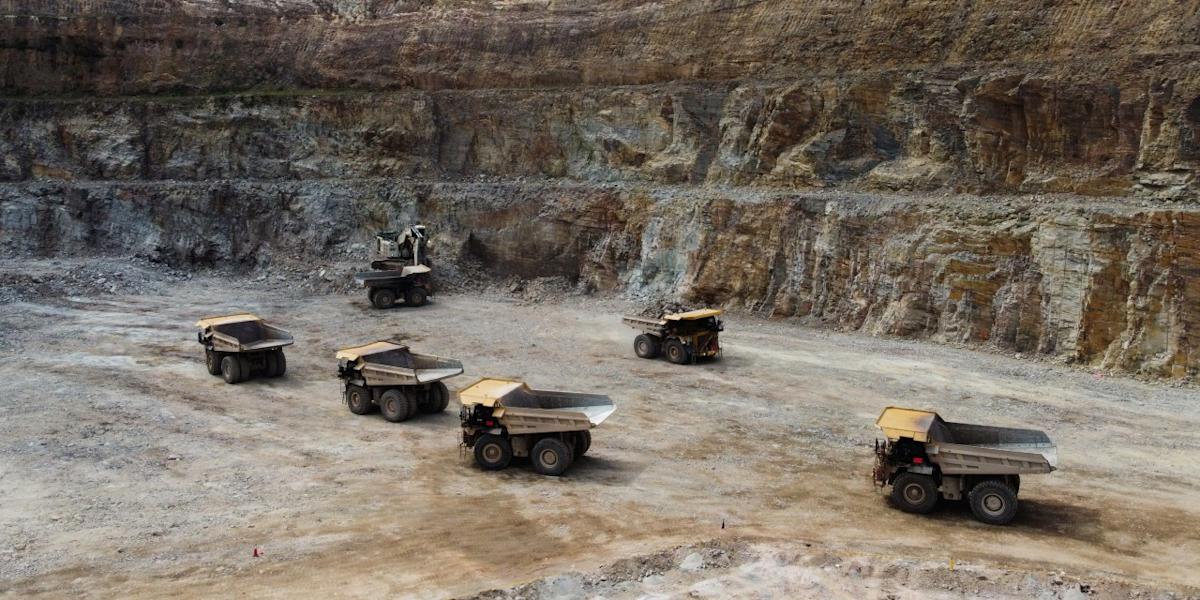
Gold Fields Maintains Full-Year Guidance Amid Rising Oil Costs
- Cost Pressure Intensifies: Gold Fields reported that since the outbreak of conflict in the Middle East, diesel costs have surged between 30% and 70%, which could hinder its ability to meet cost expectations, particularly if oil prices exceed $100 per barrel.
- Rising LNG Prices: The company noted that liquefied natural gas prices have also increased by approximately 30%, further exacerbating operational costs and potentially impacting profitability and cash flow.
- Cost-Saving Measures Initiated: In response to the escalating costs, Gold Fields has initiated a series of cost-saving measures aimed at reducing operational expenditures and maintaining financial stability.
- Market Outlook Uncertain: While the company has upheld its full-year guidance, the ongoing rise in oil prices may affect its future production plans and profit expectations, increasing market uncertainty.
GOLD FIELDS LTD: KEY COMMODITY PRICES HAVE RISEN SHARPLY SINCE THE START OF THE IRAN WAR.
Significant Commodity Increases: There have been notable increases in several key commodities since the commencement of the Iran war.
Impact on Markets: The rising prices of these commodities are likely affecting global markets and economic conditions.
GFI Stock Performance Analysis Amid Analyst Sentiment
- Market Rebound: GFI stock is up approximately 8.6% by midday Monday, indicating optimistic investor sentiment regarding its future performance, despite lower analyst ratings suggesting potential for a rebound.
- Comparative Analysis: Compared to peers like Newmont Corp (up about 5.3%) and Barrick Mining Corp (up about 5.2%), GFI's performance stands out, showcasing its relative strength within the precious metals sector.
- Investor Sentiment: The low analyst ratings for GFI do not necessarily imply that investors should overlook its potential upside, as this situation may present contrarian investors with opportunities for gains.
- Industry Trends: GFI's performance aligns with broader market trends in the precious metals sector, reflecting ongoing investor interest that could drive future growth potential.
Amazon's Logistics Expansion Hits Freight Stocks Hard
- Freight Stocks Decline: Amazon's announcement to open its less-than-truckload shipping services to external companies led to a 5% drop in FedEx Freight and Old Dominion Freight Line, and a 4% decline in XPO, indicating a significant threat to industry incumbents and potential market share erosion.
- Super Micro Stock Plunge: Super Micro Computer's plan to raise $7 billion through equity and equity-linked securities to cover hardware component costs resulted in an 18% stock drop, reflecting market concerns over its financing strategy and potential long-term implications for growth.
- Energy Stocks Rally: Devon Energy's stock surged over 6% after Evercore ISI upgraded its rating to outperform, following a better-than-expected mid-month update post the $58 billion acquisition of Coterra Energy, showcasing strong performance in the oil and gas sector.
- Restaurant Stocks Surge: Cracker Barrel's stock soared 24% after raising its full-year revenue and adjusted EBITDA guidance, reporting fiscal Q3 earnings of $0.29 per share on $797.4 million in revenue, exceeding analyst expectations and indicating robust business recovery.
Super Micro Computer Plans $7 Billion Equity Financing
- Super Micro Financing Plan: Super Micro Computer announced plans to raise $7 billion through equity-related deals to cover hardware component costs, resulting in a 12% drop in stock price, indicating market concerns about its financial health.
- Cracker Barrel Earnings Beat: Cracker Barrel reported earnings of $0.29 per share and revenue of $797.4 million in Q3, exceeding analyst expectations of a $0.48 loss and $776.7 million in revenue, leading to an 11% stock increase, showcasing its business recovery potential.
- Nike Downgrade: RBC downgraded Nike's stock from outperform to sector perform, citing a slower and narrower turnaround than anticipated, which caused a nearly 2% decline in stock price, reflecting market worries about its future growth.
- Chewy Strong Performance: Chewy's Q1 adjusted EBITDA reached $253.1 million, surpassing the $241.6 million expected by analysts, with revenue of $3.36 billion slightly above the $3.35 billion consensus, resulting in a 4% stock increase, demonstrating its competitiveness in the pet retail market.
Gold Fields Q1 Revenue Surges 67.6% Year-on-Year
- Significant Revenue Growth: Gold Fields reported Q1 revenue of $4.86 billion, reflecting a robust 67.6% year-on-year increase, which is likely to enhance investor confidence in the company's market position.
- Substantial Debt Reduction: As of March 31, 2026, net debt decreased by 34% year-on-year to $1.304 billion, improving financial flexibility and capacity for future investments.
- Stable Production and Cost Guidance: The company maintains its 2026 production and cost guidance, expecting attributable gold-equivalent production between 2.40Moz and 2.60Moz, ensuring stable performance expectations for investors.
- Capital Expenditure Plans: Total capital expenditure for 2026 is projected to be between $1.9 billion and $2.1 billion, with sustaining capital expenditure expected between $1.3 billion and $1.4 billion, supporting long-term growth strategies and optimizing resource allocation.
Gold Fields Maintains Full-Year Guidance Amid Rising Oil Costs
- Cost Pressure Intensifies: Gold Fields reported that since the outbreak of conflict in the Middle East, diesel costs have surged between 30% and 70%, which could hinder its ability to meet cost expectations, particularly if oil prices exceed $100 per barrel.
- Rising LNG Prices: The company noted that liquefied natural gas prices have also increased by approximately 30%, further exacerbating operational costs and potentially impacting profitability and cash flow.
- Cost-Saving Measures Initiated: In response to the escalating costs, Gold Fields has initiated a series of cost-saving measures aimed at reducing operational expenditures and maintaining financial stability.
- Market Outlook Uncertain: While the company has upheld its full-year guidance, the ongoing rise in oil prices may affect its future production plans and profit expectations, increasing market uncertainty.
GOLD FIELDS LTD: KEY COMMODITY PRICES HAVE RISEN SHARPLY SINCE THE START OF THE IRAN WAR.
Significant Commodity Increases: There have been notable increases in several key commodities since the commencement of the Iran war.
Impact on Markets: The rising prices of these commodities are likely affecting global markets and economic conditions.