General Motors Faces Layoffs Amid Weak EV Demand
General Motors Co's stock fell 3.09% as it hit a 20-day low, reflecting ongoing challenges in the electric vehicle market.
The company laid off approximately 500 to 600 employees, primarily in IT roles, as part of a reassessment of workforce needs amid uncertain market conditions. This decision comes as GM's Ultium Cells joint venture with LG Energy Solution has uncertain plans for recalling workers to its Ohio battery factory, which was idled for six months due to weak EV demand. The layoffs and factory shutdowns highlight the direct impact of market fluctuations on GM's operations.
These developments indicate a significant shift in GM's operational strategy as it navigates the challenges posed by the current EV market dynamics. The layoffs, while aimed at streamlining operations, also reflect the broader industry trends affecting employment and production in the automotive sector.
Trade with 70% Backtested Accuracy
Analyst Views on GM

About GM
About the author


General Motors Stock Recovery and New Opportunities

- Stock Recovery: General Motors has seen its stock rise nearly 70% over the past 52 weeks, despite only a 1% increase year-to-date, indicating improvements in margins, cash flow, and shareholder returns, reflecting market recognition of its transformation.
- New Business Collaboration: The partnership with Lockheed Martin opens new growth avenues for GM, potentially diversifying its revenue streams and enhancing its competitive position in the market.
- Technical Analysis Signals: The technical charts indicate that GM's stock is currently forming a pattern similar to past successful rounded bottom breakouts, with a breakout above $84 potentially targeting $98, suggesting significant upside potential.
- Risk Management Strategy: Investors should consider adding to their positions near the 200-day moving average at $74, with a stop-loss set at $72 to manage potential market volatility while positioning for future gains.
BYD Considers Entering Formula 1 Racing

- Brand Expansion Plan: BYD is interested in entering the F1 circuit to enhance its brand presence outside China, although becoming the first Chinese F1 team could cost hundreds of millions, significantly impacting its financials.
- Market Potential Analysis: With 221.1 million F1 fans in China and BYD being the world's largest EV maker, a successful entry into F1 could greatly aid its international market expansion.
- Sponsorship Strategy Advantage: By sponsoring a midfield or back-of-the-pack team, BYD could participate in F1 at a lower cost, avoiding hefty infrastructure investments and technical compliance requirements, thus reducing risk while increasing brand visibility.
- Competition and Challenges: While sponsorship may be a lower-risk option, BYD's status as an OEM could conflict with existing F1 auto manufacturers, potentially affecting its brand positioning and technical showcase in the sport.

Stellantis Faces Major Turnaround Challenges

- Stock Performance Divergence: Over the past three years, GM's stock surged 124%, Ford's gained a mere 4%, while Stellantis plummeted nearly 60%, highlighting significant differences in market performance that reflect each company's operational strategies and market acceptance.
- Recall Cost Pressure: Ford led the U.S. automotive industry in 2025 with 153 recalls, while Stellantis followed with 53; however, 80% of Ford's recalls were resolved via over-the-air software updates, minimizing repair costs, whereas Stellantis faced staggering warranty expenses of $7.4 billion, indicating quality control challenges.
- Warranty Expense Comparison: Stellantis's warranty costs accounted for 4.4% of total revenue, significantly exceeding the historical industry norm of 2% to 3%, while Ford's ratio stood at 3.1%, showing an upward trend, yet Ford's improvement in warranty claims reflects its commitment to quality management.
- Future Growth Potential: Stellantis plans to invest $70 billion over the next decade for a comprehensive product overhaul, with approximately 60% allocated to North America, aiming to launch 11 new models and achieve a 35% sales increase in the region, which could enhance market share and profitability if successful.
Stellantis Faces Rising Recall Costs Amid Turnaround Efforts
- Recall Volume Analysis: Stellantis reported 53 recalls in the U.S. for 2025, significantly lower than Ford's 153, yet its recall costs soared to $7.4 billion, highlighting major quality control challenges.
- Warranty Cost Comparison: Stellantis's warranty expenses accounted for 4.4% of total revenue, well above the historical industry norm of 2% to 3%, which not only impacts profitability but also reflects its competitive disadvantage in the market.
- Turnaround Plan: Stellantis is executing a $70 billion turnaround plan aimed at launching 11 new models to boost sales volume in North America by 35%, which is crucial for regaining market share and improving financial health.
- Quality Improvement Strategy: Executives emphasize that enhancing product quality is central to their North American strategy, and if successful, Stellantis could lower warranty costs in the coming years, thereby improving overall financial performance.
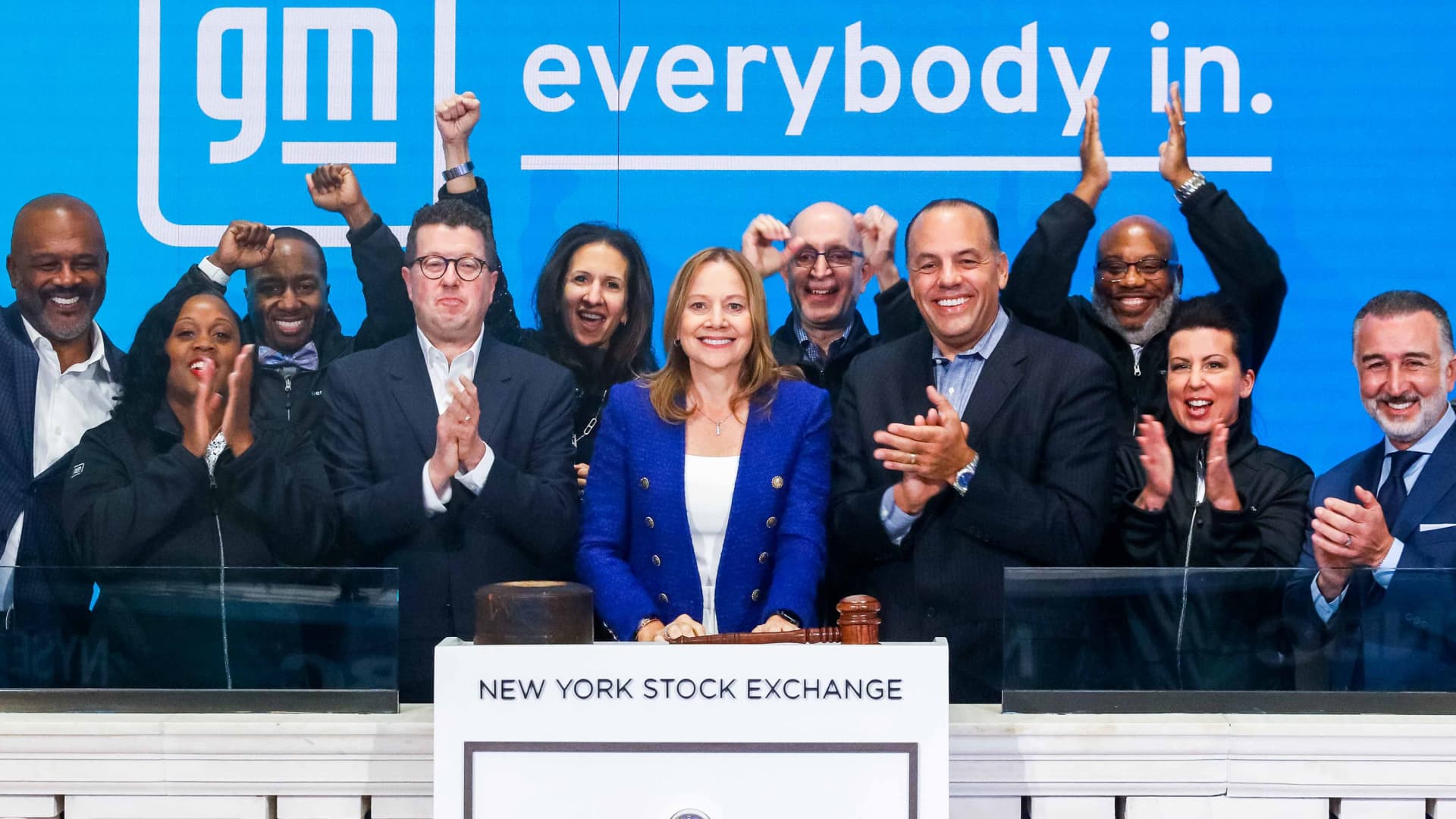
Chemico Receives 2025 Supplier of the Year Award from GM
- Award Recognition: Chemico was honored with the 2025 Supplier of the Year award at GM's 34th annual Supplier of the Year event, marking its 16th recognition, which underscores its excellence and enduring partnership in chemical management.
- Strategic Partnership: Chemico has formed a strategic alliance with DuBois Chemicals, leveraging their combined technical expertise and service capabilities to deliver value-added chemical solutions for industrial manufacturing, cleaning, and water treatment applications, enhancing competitive positioning.
- Global Supply Chain Impact: In 2025, GM recognized 103 suppliers from 14 countries, with Chemico's performance aligning with key standards such as safety and innovation, reflecting its adherence to GM's core values and strategic priorities.
- Future Growth Potential: Since its founding in 1989, Chemico has established 50 locations and over 450 employees across the U.S. and Mexico, and with its extensive network of chemical solutions, it is poised for significant growth across various sectors including automotive and aerospace.

Lockheed Martin and GM Defense Collaborate to Boost U.S. Defense Manufacturing
- MOU Signed: Lockheed Martin and GM Defense signed a memorandum of understanding to explore ways to expand U.S. defense manufacturing capacity by combining defense production expertise with commercial automotive capabilities, indicating a strategic collaboration in the defense sector.
- Supply Chain Strengthening: The collaboration will focus on strengthening defense supply chains, improving manufacturing and design processes, and evaluating opportunities to increase production capacity using commercial manufacturing infrastructure, reflecting the urgent need for enhanced production efficiency in the defense industry.
- Innovative Production Methods: Initial efforts will examine how commercial production methods could be applied to defense programs to accelerate manufacturing readiness and increase output, suggesting that defense companies are turning to commercial manufacturers to address production bottlenecks.
- Shifting Market Trends: Amid rising global demand and supply chain resilience concerns, this collaboration underscores a shift in defense spending priorities from weapon development to the industrial capacity needed to produce systems at scale, potentially supporting future growth for both Lockheed Martin and GM Defense.
General Motors Stock Recovery and New Opportunities
- Stock Recovery: General Motors has seen its stock rise nearly 70% over the past 52 weeks, despite only a 1% increase year-to-date, indicating improvements in margins, cash flow, and shareholder returns, reflecting market recognition of its transformation.
- New Business Collaboration: The partnership with Lockheed Martin opens new growth avenues for GM, potentially diversifying its revenue streams and enhancing its competitive position in the market.
- Technical Analysis Signals: The technical charts indicate that GM's stock is currently forming a pattern similar to past successful rounded bottom breakouts, with a breakout above $84 potentially targeting $98, suggesting significant upside potential.
- Risk Management Strategy: Investors should consider adding to their positions near the 200-day moving average at $74, with a stop-loss set at $72 to manage potential market volatility while positioning for future gains.
BYD Considers Entering Formula 1 Racing
- Brand Expansion Plan: BYD is interested in entering the F1 circuit to enhance its brand presence outside China, although becoming the first Chinese F1 team could cost hundreds of millions, significantly impacting its financials.
- Market Potential Analysis: With 221.1 million F1 fans in China and BYD being the world's largest EV maker, a successful entry into F1 could greatly aid its international market expansion.
- Sponsorship Strategy Advantage: By sponsoring a midfield or back-of-the-pack team, BYD could participate in F1 at a lower cost, avoiding hefty infrastructure investments and technical compliance requirements, thus reducing risk while increasing brand visibility.
- Competition and Challenges: While sponsorship may be a lower-risk option, BYD's status as an OEM could conflict with existing F1 auto manufacturers, potentially affecting its brand positioning and technical showcase in the sport.
Stellantis Faces Major Turnaround Challenges
- Stock Performance Divergence: Over the past three years, GM's stock surged 124%, Ford's gained a mere 4%, while Stellantis plummeted nearly 60%, highlighting significant differences in market performance that reflect each company's operational strategies and market acceptance.
- Recall Cost Pressure: Ford led the U.S. automotive industry in 2025 with 153 recalls, while Stellantis followed with 53; however, 80% of Ford's recalls were resolved via over-the-air software updates, minimizing repair costs, whereas Stellantis faced staggering warranty expenses of $7.4 billion, indicating quality control challenges.
- Warranty Expense Comparison: Stellantis's warranty costs accounted for 4.4% of total revenue, significantly exceeding the historical industry norm of 2% to 3%, while Ford's ratio stood at 3.1%, showing an upward trend, yet Ford's improvement in warranty claims reflects its commitment to quality management.
- Future Growth Potential: Stellantis plans to invest $70 billion over the next decade for a comprehensive product overhaul, with approximately 60% allocated to North America, aiming to launch 11 new models and achieve a 35% sales increase in the region, which could enhance market share and profitability if successful.
Stellantis Faces Rising Recall Costs Amid Turnaround Efforts
- Recall Volume Analysis: Stellantis reported 53 recalls in the U.S. for 2025, significantly lower than Ford's 153, yet its recall costs soared to $7.4 billion, highlighting major quality control challenges.
- Warranty Cost Comparison: Stellantis's warranty expenses accounted for 4.4% of total revenue, well above the historical industry norm of 2% to 3%, which not only impacts profitability but also reflects its competitive disadvantage in the market.
- Turnaround Plan: Stellantis is executing a $70 billion turnaround plan aimed at launching 11 new models to boost sales volume in North America by 35%, which is crucial for regaining market share and improving financial health.
- Quality Improvement Strategy: Executives emphasize that enhancing product quality is central to their North American strategy, and if successful, Stellantis could lower warranty costs in the coming years, thereby improving overall financial performance.
Chemico Receives 2025 Supplier of the Year Award from GM
- Award Recognition: Chemico was honored with the 2025 Supplier of the Year award at GM's 34th annual Supplier of the Year event, marking its 16th recognition, which underscores its excellence and enduring partnership in chemical management.
- Strategic Partnership: Chemico has formed a strategic alliance with DuBois Chemicals, leveraging their combined technical expertise and service capabilities to deliver value-added chemical solutions for industrial manufacturing, cleaning, and water treatment applications, enhancing competitive positioning.
- Global Supply Chain Impact: In 2025, GM recognized 103 suppliers from 14 countries, with Chemico's performance aligning with key standards such as safety and innovation, reflecting its adherence to GM's core values and strategic priorities.
- Future Growth Potential: Since its founding in 1989, Chemico has established 50 locations and over 450 employees across the U.S. and Mexico, and with its extensive network of chemical solutions, it is poised for significant growth across various sectors including automotive and aerospace.
Lockheed Martin and GM Defense Collaborate to Boost U.S. Defense Manufacturing
- MOU Signed: Lockheed Martin and GM Defense signed a memorandum of understanding to explore ways to expand U.S. defense manufacturing capacity by combining defense production expertise with commercial automotive capabilities, indicating a strategic collaboration in the defense sector.
- Supply Chain Strengthening: The collaboration will focus on strengthening defense supply chains, improving manufacturing and design processes, and evaluating opportunities to increase production capacity using commercial manufacturing infrastructure, reflecting the urgent need for enhanced production efficiency in the defense industry.
- Innovative Production Methods: Initial efforts will examine how commercial production methods could be applied to defense programs to accelerate manufacturing readiness and increase output, suggesting that defense companies are turning to commercial manufacturers to address production bottlenecks.
- Shifting Market Trends: Amid rising global demand and supply chain resilience concerns, this collaboration underscores a shift in defense spending priorities from weapon development to the industrial capacity needed to produce systems at scale, potentially supporting future growth for both Lockheed Martin and GM Defense.