GE Vernova Faces Regulatory Challenges Despite Order Surge
Written by Emily J. Thompson, Senior Investment Analyst
Updated: Apr 27 2026
0mins
Source: Fool
GE Vernova's stock fell 5.67% as it hit a 20-day low, reflecting investor concerns amid broader market declines.
Despite a remarkable 71% surge in natural gas turbine orders in Q1, increasing the backlog to $263 billion, the company faces regulatory pushback from U.S. states against new data center constructions. This resistance, coupled with escalating legal disputes with Iberdrola over the Vineyard Wind project, has raised concerns about future project execution and market perception, contributing to the stock's decline.
While the order surge indicates strong demand and a projected 18% revenue growth by mid-2026, the regulatory challenges and legal disputes may impact short-term performance, leading investors to reassess their positions.
Trade with 70% Backtested Accuracy
Stop guessing "Should I Buy GEV?" and start using high-conviction signals backed by rigorous historical data.
Sign up today to access powerful investing tools and make smarter, data-driven decisions.
Analyst Views on GEV
Wall Street analysts forecast GEV stock price to fall
24 Analyst Rating
20 Buy
4 Hold
0 Sell
Strong Buy
Current: 906.790

Low
714.00
Averages
858.23
High
1087
Current: 906.790
Low
714.00
Averages
858.23
High
1087
About GEV
GE Vernova Inc. is engaged in the electric power industry, with products and services that generate, transfer, orchestrate, convert, and store electricity. It designs, manufactures, delivers, and services technologies to create a sustainable electric power system, enabling electrification and decarbonization. Power segment includes the design, manufacture, and servicing of gas, nuclear, hydro, and steam technologies, providing a critical foundation of dispatchable, flexible, stable, and reliable power. Wind segment includes its wind generation technologies, inclusive of onshore and offshore wind turbines and blades. The electrification segment includes grid solutions, power conversion and storage, and electrification software technologies required for the transmission, distribution, conversion, storage, and orchestration of electricity from point of generation to point of consumption. Its accelerator business includes advanced research, consulting services and financial services.
About the author

Emily J. Thompson
Emily J. Thompson, a Chartered Financial Analyst (CFA) with 12 years in investment research, graduated with honors from the Wharton School. Specializing in industrial and technology stocks, she provides in-depth analysis for Intellectia’s earnings and market brief reports.

Bloom Energy Reports 130% Revenue Growth in Q1


- Significant Revenue Growth: Bloom Energy's Q1 revenue surged 130% year-over-year to $751.1 million, driven by a 208% increase in product revenue, indicating strong demand in the data center market, with 2026 revenue projected to reach $3.4 to $3.8 billion, reflecting an approximately 80% growth.
- Surge in Power Equipment Orders: GE Vernova's Q1 orders increased 71% year-over-year to $18.3 billion, with gas turbine orders and slot reservations rising from 83 gigawatts to 100 gigawatts, showcasing robust demand for grid equipment, with expectations to reach at least 110 gigawatts by the end of 2026.
- Long-term Nuclear Agreements: Vistra has signed long-term nuclear power agreements with Amazon and Meta, providing up to 1,200 megawatts and 2,609 megawatts of nuclear energy, respectively, further solidifying its position in the competitive U.S. power market, with 2023 EBITDA expected to reach $6.8 to $7.6 billion.
- Market Risks and Opportunities: Despite facing risks related to project timing and demand fluctuations, ongoing demand signals suggest that the electricity bottleneck presents investors with a more grounded investment opportunity in the AI boom, particularly in the power infrastructure sector.
See More
Surge in AI Infrastructure Investments
- Financing Platform Launch: Broadcom, in collaboration with Apollo Global Management and Blackstone, has initiated a financing platform aimed at achieving over 20 gigawatts of AI compute capacity by 2028, starting with a $35 billion tranche, indicating strong market demand for AI infrastructure.
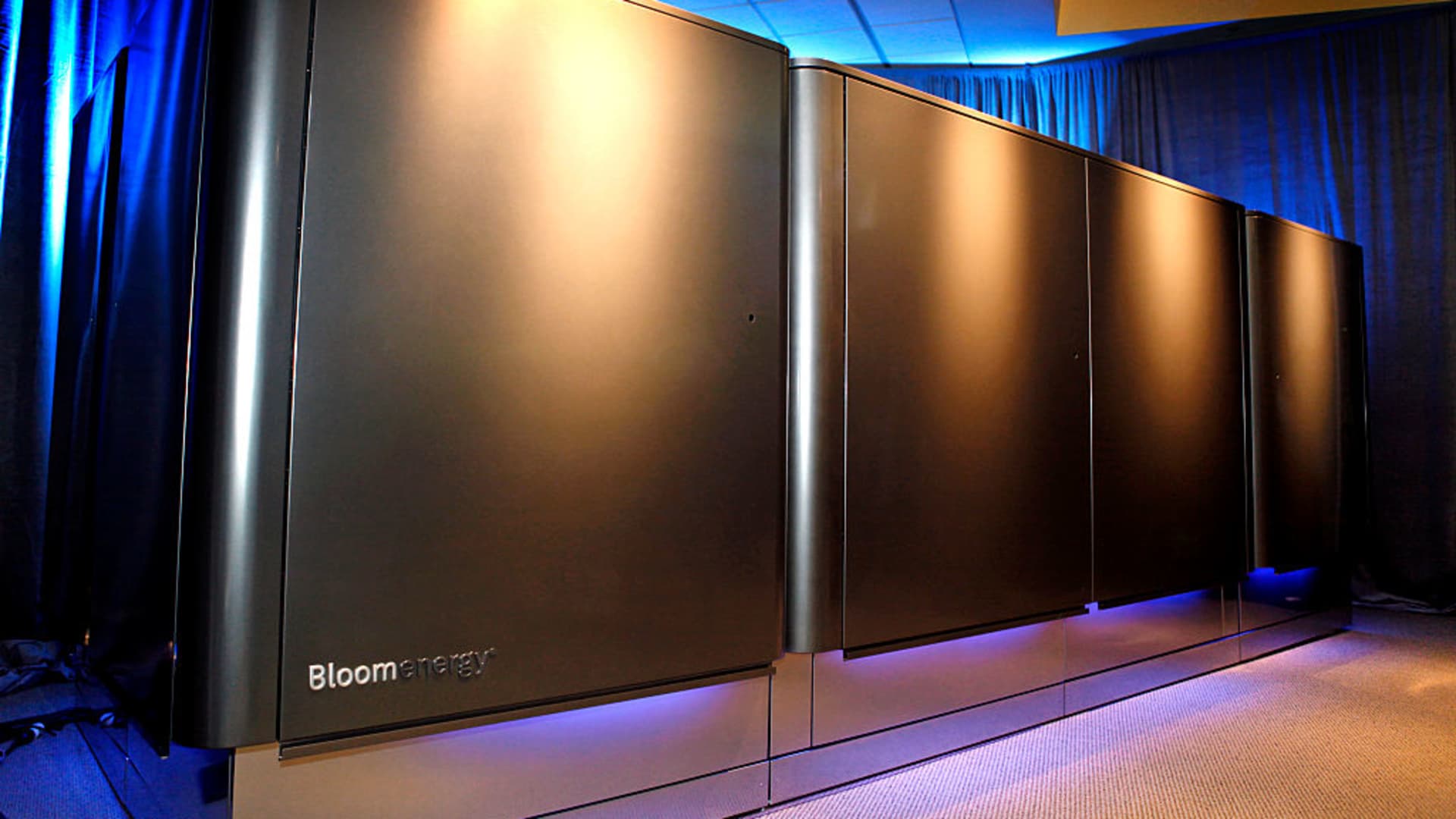
- Bloom Energy Revenue Surge: Bloom Energy reported a 130% year-over-year revenue increase in Q1, reaching $751.1 million, with product revenue soaring 208%, and it now expects 2026 revenue to hit between $3.4 billion and $3.8 billion, highlighting its market leadership in data center power solutions.
- GE Vernova Order Surge: GE Vernova's Q1 orders surged 71% year-over-year to $18.3 billion, pushing total backlog to $163 billion, reflecting robust demand in the grid equipment market, with expectations to reach at least 110 gigawatts of generation capacity by the end of 2026.
- Vistra Long-term Agreements: Vistra has signed 20-year power purchase agreements with Amazon and Meta to supply up to 2,609 megawatts of nuclear power, further solidifying its position among competitive power producers in the U.S., while also planning to acquire 5,500 megawatts of natural gas generation capacity to enhance market competitiveness.
See More

LIXTE Biotechnology Transforms into Power Infrastructure Company


- Strategic Transformation: LIXTE Biotechnology has announced its pivot from a clinical-stage cancer drug developer to a power infrastructure company, aiming to address the acute electricity shortages impacting the AI sector in the modern economy.
- Acquisition Plan: LIXTE has entered into an agreement to acquire NOMAD Transportable Power Systems, Inc., a leader in deployable utility-grade battery storage, and plans to rename itself NOMAD Power Solutions, marking a complete business metamorphosis.
- Market Demand: The North American Electric Reliability Corporation projects a 224-gigawatt increase in summer peak demand over the next decade, and LIXTE's transformation is a strategic response to this systemic electricity shortage, which is expected to drive business growth.
- Revenue Growth Expectations: NOMAD anticipates revenue growth of approximately 175% in 2025, 135% in 2026, and over 285% in 2027, highlighting LIXTE's significant market opportunities in the power infrastructure sector.
See More

LIXTE Biotechnology Transforms into Power Infrastructure Company Amid AI Demand
- Strategic Shift: LIXTE Biotechnology announced its acquisition of NOMAD Transportable Power Systems, pivoting from clinical cancer drug development to focus on power infrastructure, addressing the urgent electricity needs of the AI era.
- Market Opportunity: The North American Electric Reliability Corporation projects a 224-gigawatt increase in summer peak demand over the next decade, with LIXTE's transformation targeting this power shortage by offering NOMAD's deployable battery systems as a solution.
- Technological Advantage: NOMAD's systems are transportable and can be deployed quickly, circumventing the lengthy approval processes of traditional battery installations, with manufacturing capacity expected to grow from 2.5 gigawatts in 2026 to 3.5 gigawatts, meeting rising market demands.
- Revenue Growth Projections: NOMAD anticipates approximately 175% revenue growth in 2025, 135% in 2026, and over 285% in 2027, providing robust financial backing for LIXTE's transformation efforts.
See More

Oracle's AI Investment Plan Raises Shareholder Concerns

- Earnings Beat: Oracle's fiscal Q1 2026 results exceeded expectations, with revenue and net income growth; however, shareholders are concerned about the company's plan to raise funds for AI development, putting pressure on the stock price.
- Surge in Contracted Revenues: The company's remaining performance obligation (RPO) soared 363% year-over-year to $638 billion, primarily driven by large-scale AI contracts, indicating strong future demand potential.
- Accelerated Compute Delivery: Oracle delivered over 1.2 gigawatts of compute capacity in fiscal 2026, with Q1 FY 2027 delivery approaching 1 gigawatt, reflecting a rapidly growing demand for AI infrastructure and solidifying Oracle's market position.
- Capital Raising Plans: Oracle plans to raise approximately $40 billion in debt and equity in FY 2027, including a previously announced $20 billion at-the-market equity issuance, which may negatively impact shareholder confidence.
See More

Trump's New Attacks on Iran Drive Oil Prices Up


- Oil Price Surge: Trump's new attacks on Iran have led to a rise in oil prices, heightening market tensions regarding the Middle East situation, which could destabilize future supply chains and impact the global economy.
- Futures Market Stability: While futures markets remained relatively unchanged, the increase in oil prices may raise investor concerns about inflation, potentially affecting stock market performance, particularly in energy-related stocks.
- Oracle Earnings Decline: Oracle's stock plummeted following disappointing earnings, reflecting market concerns about its future growth prospects, which may lead investors to reassess its position in the tech industry.
- SpaceX IPO Anticipation: The upcoming SpaceX IPO is generating significant market interest regarding its potential valuation and future growth, likely attracting a wave of investor attention and further fueling investment enthusiasm in the aerospace sector.
See More
Bloom Energy Reports 130% Revenue Growth in Q1
- Significant Revenue Growth: Bloom Energy's Q1 revenue surged 130% year-over-year to $751.1 million, driven by a 208% increase in product revenue, indicating strong demand in the data center market, with 2026 revenue projected to reach $3.4 to $3.8 billion, reflecting an approximately 80% growth.
- Surge in Power Equipment Orders: GE Vernova's Q1 orders increased 71% year-over-year to $18.3 billion, with gas turbine orders and slot reservations rising from 83 gigawatts to 100 gigawatts, showcasing robust demand for grid equipment, with expectations to reach at least 110 gigawatts by the end of 2026.
- Long-term Nuclear Agreements: Vistra has signed long-term nuclear power agreements with Amazon and Meta, providing up to 1,200 megawatts and 2,609 megawatts of nuclear energy, respectively, further solidifying its position in the competitive U.S. power market, with 2023 EBITDA expected to reach $6.8 to $7.6 billion.
- Market Risks and Opportunities: Despite facing risks related to project timing and demand fluctuations, ongoing demand signals suggest that the electricity bottleneck presents investors with a more grounded investment opportunity in the AI boom, particularly in the power infrastructure sector.
See More
Surge in AI Infrastructure Investments
- Financing Platform Launch: Broadcom, in collaboration with Apollo Global Management and Blackstone, has initiated a financing platform aimed at achieving over 20 gigawatts of AI compute capacity by 2028, starting with a $35 billion tranche, indicating strong market demand for AI infrastructure.
- Bloom Energy Revenue Surge: Bloom Energy reported a 130% year-over-year revenue increase in Q1, reaching $751.1 million, with product revenue soaring 208%, and it now expects 2026 revenue to hit between $3.4 billion and $3.8 billion, highlighting its market leadership in data center power solutions.
- GE Vernova Order Surge: GE Vernova's Q1 orders surged 71% year-over-year to $18.3 billion, pushing total backlog to $163 billion, reflecting robust demand in the grid equipment market, with expectations to reach at least 110 gigawatts of generation capacity by the end of 2026.
- Vistra Long-term Agreements: Vistra has signed 20-year power purchase agreements with Amazon and Meta to supply up to 2,609 megawatts of nuclear power, further solidifying its position among competitive power producers in the U.S., while also planning to acquire 5,500 megawatts of natural gas generation capacity to enhance market competitiveness.
See More
LIXTE Biotechnology Transforms into Power Infrastructure Company
- Strategic Transformation: LIXTE Biotechnology has announced its pivot from a clinical-stage cancer drug developer to a power infrastructure company, aiming to address the acute electricity shortages impacting the AI sector in the modern economy.
- Acquisition Plan: LIXTE has entered into an agreement to acquire NOMAD Transportable Power Systems, Inc., a leader in deployable utility-grade battery storage, and plans to rename itself NOMAD Power Solutions, marking a complete business metamorphosis.
- Market Demand: The North American Electric Reliability Corporation projects a 224-gigawatt increase in summer peak demand over the next decade, and LIXTE's transformation is a strategic response to this systemic electricity shortage, which is expected to drive business growth.
- Revenue Growth Expectations: NOMAD anticipates revenue growth of approximately 175% in 2025, 135% in 2026, and over 285% in 2027, highlighting LIXTE's significant market opportunities in the power infrastructure sector.
See More
LIXTE Biotechnology Transforms into Power Infrastructure Company Amid AI Demand
- Strategic Shift: LIXTE Biotechnology announced its acquisition of NOMAD Transportable Power Systems, pivoting from clinical cancer drug development to focus on power infrastructure, addressing the urgent electricity needs of the AI era.
- Market Opportunity: The North American Electric Reliability Corporation projects a 224-gigawatt increase in summer peak demand over the next decade, with LIXTE's transformation targeting this power shortage by offering NOMAD's deployable battery systems as a solution.
- Technological Advantage: NOMAD's systems are transportable and can be deployed quickly, circumventing the lengthy approval processes of traditional battery installations, with manufacturing capacity expected to grow from 2.5 gigawatts in 2026 to 3.5 gigawatts, meeting rising market demands.
- Revenue Growth Projections: NOMAD anticipates approximately 175% revenue growth in 2025, 135% in 2026, and over 285% in 2027, providing robust financial backing for LIXTE's transformation efforts.
See More
Oracle's AI Investment Plan Raises Shareholder Concerns
- Earnings Beat: Oracle's fiscal Q1 2026 results exceeded expectations, with revenue and net income growth; however, shareholders are concerned about the company's plan to raise funds for AI development, putting pressure on the stock price.
- Surge in Contracted Revenues: The company's remaining performance obligation (RPO) soared 363% year-over-year to $638 billion, primarily driven by large-scale AI contracts, indicating strong future demand potential.
- Accelerated Compute Delivery: Oracle delivered over 1.2 gigawatts of compute capacity in fiscal 2026, with Q1 FY 2027 delivery approaching 1 gigawatt, reflecting a rapidly growing demand for AI infrastructure and solidifying Oracle's market position.
- Capital Raising Plans: Oracle plans to raise approximately $40 billion in debt and equity in FY 2027, including a previously announced $20 billion at-the-market equity issuance, which may negatively impact shareholder confidence.
See More
Trump's New Attacks on Iran Drive Oil Prices Up
- Oil Price Surge: Trump's new attacks on Iran have led to a rise in oil prices, heightening market tensions regarding the Middle East situation, which could destabilize future supply chains and impact the global economy.
- Futures Market Stability: While futures markets remained relatively unchanged, the increase in oil prices may raise investor concerns about inflation, potentially affecting stock market performance, particularly in energy-related stocks.
- Oracle Earnings Decline: Oracle's stock plummeted following disappointing earnings, reflecting market concerns about its future growth prospects, which may lead investors to reassess its position in the tech industry.
- SpaceX IPO Anticipation: The upcoming SpaceX IPO is generating significant market interest regarding its potential valuation and future growth, likely attracting a wave of investor attention and further fueling investment enthusiasm in the aerospace sector.
See More