

FuboTV Projects Strong Financial Growth Through 2028
FuboTV Inc. shares surged by 19.65% as the stock reached a 5-day high.
The company issued a financial outlook projecting Adjusted EBITDA between $80 million and $100 million for fiscal 2026, with a target of at least $300 million for fiscal 2028. This positive forecast is expected to attract more investor interest. Additionally, FuboTV anticipates achieving positive Free Cash Flow in fiscal years 2027 and 2028, with significant improvements in cash management and operational efficiency. The implementation of a reverse stock split is also aimed at enhancing market perception and attracting institutional investors.
These projections indicate a robust growth trajectory for FuboTV, positioning the company favorably in the competitive streaming market and potentially increasing its appeal to investors.
Trade with 70% Backtested Accuracy
Analyst Views on FUBO

About FUBO
About the author


FuboTV Partners with BIG3 for Live Streaming Agreement

- Streaming Agreement: FuboTV has signed an agreement with BIG3 to stream 16 live games during the 2026 season on Fubo Sports Network, enhancing Fubo's content offerings in the sports streaming sector.
- Archive Library Sharing: This partnership allows Fubo Sports Network to feature over 100 archived games from BIG3's Seasons 6 to 8, significantly improving user engagement and content appeal.
- Multi-Platform Coverage: BIG3 games will not only be streamed on Fubo Sports Network but also offered for free on platforms like Amazon Prime Video and Hulu + Live TV, broadening the audience base and market impact.
- Season Kickoff: The 9th season of BIG3 is set to launch on June 20 at the Intuit Dome in Los Angeles, expected to attract a large viewership and further solidify its unique position at the intersection of basketball and entertainment.

FuboTV Secures NBC Deal, Stock Price Potential Rises
- Market Rating Reaffirmed: Citizens reiterated a ‘Market Outperform’ rating on FuboTV with a price target of $15, indicating over 43% upside potential from its last close, reflecting analysts' optimistic outlook on the company's future performance.
- Stock Volatility: Despite FuboTV's shares being down more than 66% this year, the stock rose nearly 10% this week following the renewed agreement with NBCUniversal, showcasing market confidence in its growth prospects, particularly driven by the upcoming FIFA World Cup in 2026.
- Content Restoration: The new multi-year distribution agreement with NBCUniversal restores several networks, including NBC and Telemundo, to FuboTV after an eight-month blackout, which is expected to attract more users back to the platform and enhance user retention.
- Exclusive World Cup Streaming: FuboTV will exclusively stream all 104 matches of the 2026 FIFA World Cup in 4K, strengthening its position in the competitive live sports streaming market while promoting a broader lineup that includes MLB and NBA Finals, further expanding its market share.
FuboTV Reaches New Distribution Deal with NBCUniversal
- Content Restoration: FuboTV's new multi-year agreement with NBCUniversal immediately restores access to channels including NBC, Telemundo, and Bravo, ending an eight-month blackout since November 2025, significantly enhancing user viewing options and satisfaction.
- Positive User Reaction: FuboTV shares rose approximately 5% following the announcement of the agreement, indicating strong market confidence in the new deal's potential to enrich content offerings and drive user growth.
- Market Analysis Optimistic: According to Koyfin, eight out of ten analysts covering FuboTV rate it as 'Buy' or higher, with a target price of $17, representing a potential upside of about 74% from its last closing price, reflecting optimistic market expectations for its future performance.
- Strengthened Content Strategy: FuboTV executives noted that this agreement not only restores critical NBCUniversal programming but also enhances consumer choice and value through multiple packaging options, further solidifying its position in the competitive streaming market.
FuboTV Partners with NBCUniversal for Streaming
- Enhanced Content Offering: FuboTV has entered a distribution agreement with NBCUniversal, allowing users to access NBC's English and Spanish networks, including Telemundo and NBC Sports Network, which significantly enriches the platform's content diversity and appeal.
- Increased User Options: Fubo's base English and Latino plans will provide access to channels like NBC, Telemundo, and Universo, allowing users to choose from various packages based on their preferences, thereby improving user experience and satisfaction.
- Strengthened Market Position: As the sixth largest pay TV company in the U.S., FuboTV's partnership with NBCUniversal further solidifies its position in the streaming market, potentially attracting more users and increasing market share.
- Strategic Partnership Significance: FuboTV executives highlighted that this collaboration underscores the company's commitment to delivering more programming choices and value to consumers, indicating potential future content expansions and user growth.
Consumer Discretionary Sector Rebounds, Boosting Stock Market

- Market Rebound: The consumer discretionary sector has shown significant recovery amid easing geopolitical risks and a retreat in Treasury yields, indicating investor interest in high-quality stocks as buying opportunities arise following recent sell-offs.
- Oil Price Retreat: With Iran declaring its first wave of strikes complete and Trump advocating for a ceasefire, oil prices have retreated from overnight highs, reducing the risk of energy price shocks that could strain household budgets and support consumer spending.
- Consumer Spending Tailwind: The upcoming World Cup is expected to provide a modest boost to consumer spending across retail, entertainment, and travel sectors, further aiding the recovery of the consumer discretionary sector despite ongoing economic challenges.
- fuboTV Volatility: fuboTV's stock has experienced 43 moves greater than 5% in the past year; while today's 4.4% increase reflects market recognition of the news, the stock is still down 67.9% year-to-date, indicating cautious sentiment regarding its future prospects.
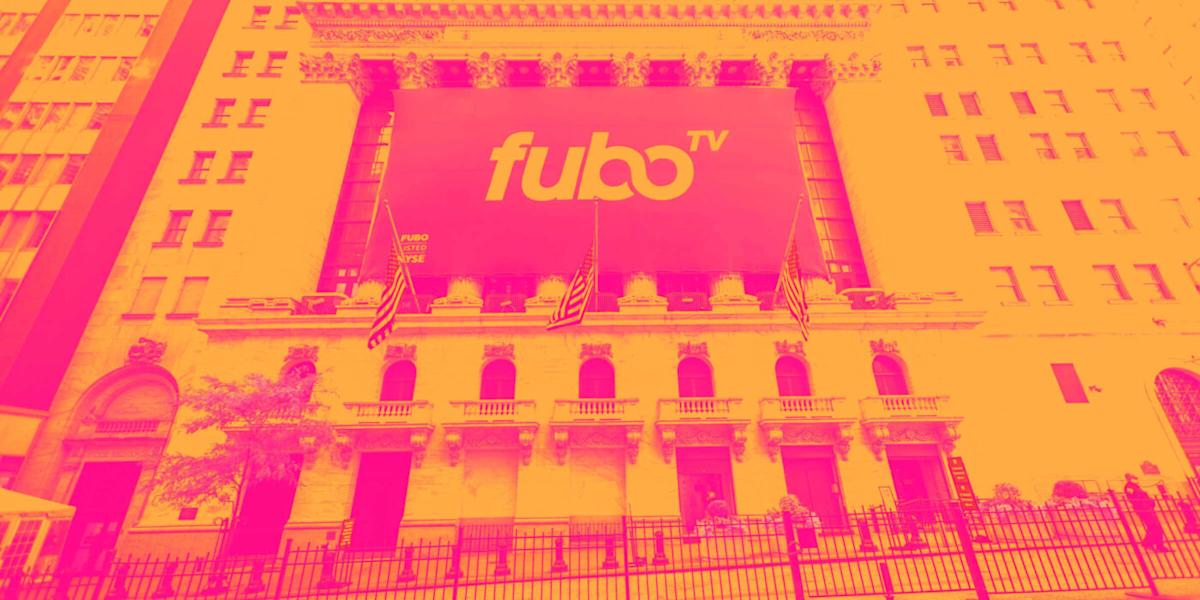
fuboTV Q1 Results Meet Expectations Amid Merger Impact
- Performance Meets Expectations: fuboTV reported Q1 revenue of $1.57 billion, reflecting a 39.8% year-on-year growth that aligns closely with analyst expectations of $1.58 billion, indicating early success from the merger despite challenges in content partnerships.
- Stable Subscriber Growth: The company added 4.23 million subscribers year-over-year, with CEO David Gandler noting resilient trends despite a four-week loss of NBCUniversal content, highlighting the strength of its sports-focused service.
- Advertising Technology Integration Progress: Significant milestones in integrating advertising technology have been achieved, which are expected to enhance ad revenue and user experience, laying a solid foundation for future growth, particularly in collaboration with Disney.
- Improved Profitability: Adjusted EBITDA reached $37.75 million, significantly surpassing analyst expectations of $4.32 million, while operating margin improved from -3.6% last year to -0.6%, demonstrating the economic benefits of the merger are beginning to materialize.
FuboTV Partners with BIG3 for Live Streaming Agreement
- Streaming Agreement: FuboTV has signed an agreement with BIG3 to stream 16 live games during the 2026 season on Fubo Sports Network, enhancing Fubo's content offerings in the sports streaming sector.
- Archive Library Sharing: This partnership allows Fubo Sports Network to feature over 100 archived games from BIG3's Seasons 6 to 8, significantly improving user engagement and content appeal.
- Multi-Platform Coverage: BIG3 games will not only be streamed on Fubo Sports Network but also offered for free on platforms like Amazon Prime Video and Hulu + Live TV, broadening the audience base and market impact.
- Season Kickoff: The 9th season of BIG3 is set to launch on June 20 at the Intuit Dome in Los Angeles, expected to attract a large viewership and further solidify its unique position at the intersection of basketball and entertainment.
FuboTV Secures NBC Deal, Stock Price Potential Rises
- Market Rating Reaffirmed: Citizens reiterated a ‘Market Outperform’ rating on FuboTV with a price target of $15, indicating over 43% upside potential from its last close, reflecting analysts' optimistic outlook on the company's future performance.
- Stock Volatility: Despite FuboTV's shares being down more than 66% this year, the stock rose nearly 10% this week following the renewed agreement with NBCUniversal, showcasing market confidence in its growth prospects, particularly driven by the upcoming FIFA World Cup in 2026.
- Content Restoration: The new multi-year distribution agreement with NBCUniversal restores several networks, including NBC and Telemundo, to FuboTV after an eight-month blackout, which is expected to attract more users back to the platform and enhance user retention.
- Exclusive World Cup Streaming: FuboTV will exclusively stream all 104 matches of the 2026 FIFA World Cup in 4K, strengthening its position in the competitive live sports streaming market while promoting a broader lineup that includes MLB and NBA Finals, further expanding its market share.
FuboTV Reaches New Distribution Deal with NBCUniversal
- Content Restoration: FuboTV's new multi-year agreement with NBCUniversal immediately restores access to channels including NBC, Telemundo, and Bravo, ending an eight-month blackout since November 2025, significantly enhancing user viewing options and satisfaction.
- Positive User Reaction: FuboTV shares rose approximately 5% following the announcement of the agreement, indicating strong market confidence in the new deal's potential to enrich content offerings and drive user growth.
- Market Analysis Optimistic: According to Koyfin, eight out of ten analysts covering FuboTV rate it as 'Buy' or higher, with a target price of $17, representing a potential upside of about 74% from its last closing price, reflecting optimistic market expectations for its future performance.
- Strengthened Content Strategy: FuboTV executives noted that this agreement not only restores critical NBCUniversal programming but also enhances consumer choice and value through multiple packaging options, further solidifying its position in the competitive streaming market.
FuboTV Partners with NBCUniversal for Streaming
- Enhanced Content Offering: FuboTV has entered a distribution agreement with NBCUniversal, allowing users to access NBC's English and Spanish networks, including Telemundo and NBC Sports Network, which significantly enriches the platform's content diversity and appeal.
- Increased User Options: Fubo's base English and Latino plans will provide access to channels like NBC, Telemundo, and Universo, allowing users to choose from various packages based on their preferences, thereby improving user experience and satisfaction.
- Strengthened Market Position: As the sixth largest pay TV company in the U.S., FuboTV's partnership with NBCUniversal further solidifies its position in the streaming market, potentially attracting more users and increasing market share.
- Strategic Partnership Significance: FuboTV executives highlighted that this collaboration underscores the company's commitment to delivering more programming choices and value to consumers, indicating potential future content expansions and user growth.
Consumer Discretionary Sector Rebounds, Boosting Stock Market
- Market Rebound: The consumer discretionary sector has shown significant recovery amid easing geopolitical risks and a retreat in Treasury yields, indicating investor interest in high-quality stocks as buying opportunities arise following recent sell-offs.
- Oil Price Retreat: With Iran declaring its first wave of strikes complete and Trump advocating for a ceasefire, oil prices have retreated from overnight highs, reducing the risk of energy price shocks that could strain household budgets and support consumer spending.
- Consumer Spending Tailwind: The upcoming World Cup is expected to provide a modest boost to consumer spending across retail, entertainment, and travel sectors, further aiding the recovery of the consumer discretionary sector despite ongoing economic challenges.
- fuboTV Volatility: fuboTV's stock has experienced 43 moves greater than 5% in the past year; while today's 4.4% increase reflects market recognition of the news, the stock is still down 67.9% year-to-date, indicating cautious sentiment regarding its future prospects.
fuboTV Q1 Results Meet Expectations Amid Merger Impact
- Performance Meets Expectations: fuboTV reported Q1 revenue of $1.57 billion, reflecting a 39.8% year-on-year growth that aligns closely with analyst expectations of $1.58 billion, indicating early success from the merger despite challenges in content partnerships.
- Stable Subscriber Growth: The company added 4.23 million subscribers year-over-year, with CEO David Gandler noting resilient trends despite a four-week loss of NBCUniversal content, highlighting the strength of its sports-focused service.
- Advertising Technology Integration Progress: Significant milestones in integrating advertising technology have been achieved, which are expected to enhance ad revenue and user experience, laying a solid foundation for future growth, particularly in collaboration with Disney.
- Improved Profitability: Adjusted EBITDA reached $37.75 million, significantly surpassing analyst expectations of $4.32 million, while operating margin improved from -3.6% last year to -0.6%, demonstrating the economic benefits of the merger are beginning to materialize.





