Fluor Secures $1.03B Naval Nuclear Contract
Fluor Corp's stock fell 5.03% as it crossed below the 5-day SMA amid a broader market decline, with the Nasdaq-100 down 3.56% and the S&P 500 down 1.84%.
Fluor Marine Propulsion has secured a $1.03 billion contract modification for naval nuclear propulsion work, which will significantly enhance the company's revenue base and strengthen its position in the defense sector. The contract includes $232.99 million in initial funding, with a substantial portion coming from Navy operation and maintenance funds, indicating strong commitment from the Navy. This contract is expected to mitigate project risks and ensure funding stability, despite the current market challenges.
The contract's value and funding allocation highlight Fluor's strategic positioning in the defense sector, which may provide a buffer against broader market volatility. As the company continues to execute on this contract, it could see improved financial performance in the coming quarters.
Trade with 70% Backtested Accuracy
Analyst Views on FLR

About FLR
About the author


NuScale's Public Offering and Market Dynamics


- Market Volatility: Since going public via SPAC in May 2022, NuScale's stock opened at $10.70, peaked at $53.43 last October, but now trades around $11, indicating high volatility and reflecting divergent investor opinions on its future prospects.
- Technical Advantages: NuScale's small modular reactors (SMRs) can be installed in vessels only 65 feet tall and 9 feet wide, generating 77 MWe each; while less powerful than conventional plants, they can be combined to build larger facilities in remote areas, addressing specific market needs.
- Revenue Expectations: Analysts forecast NuScale's revenue to rise from $31.5 million in 2025 to $310.7 million in 2028, primarily from front-end engineering design (FEED) studies and licensing deals, yet with a market cap of $3.4 billion, it currently trades at 11 times its projected 2028 sales, indicating high valuation risk.
- Investor Confidence: Fluor recently liquidated its remaining shares in NuScale, reflecting concerns over the company's future profitability; although NuScale may successfully deploy its SMRs in the 2030s, it remains a highly speculative stock, necessitating cautious navigation of future market volatility.

NuScale's Small Modular Reactors: A Market Disruption or Struggle Ahead?
- Market Potential and Challenges: NuScale's small modular reactors (SMRs) are expected to meet the soaring energy demands of cloud computing, AI, and industrial automation, yet competitive pressures and macroeconomic headwinds may hinder its growth potential.
- Revenue Growth Expectations: Analysts forecast NuScale's revenue to rise from $31.5 million in 2025 to $310.7 million in 2028, although with a market cap of $3.4 billion, it currently trades at 11 times its projected 2028 sales, indicating high valuation risks.
- Project Collaboration Progress: NuScale is working with Fluor to build a 462 MWe plant in Romania, with most revenue coming from front-end engineering and design (FEED) studies, making this project a crucial pillar for its future income.
- Investor Confidence Wavers: Fluor recently liquidated its remaining shares in NuScale, reflecting concerns over the company's future profitability, and while NuScale's SMRs have the potential to disrupt the nuclear market in the 2030s, it still faces significant profitability challenges in the near term.

Fluor Marine Secures $1.03B Naval Nuclear Contract
- Significant Contract Value: Fluor Marine Propulsion has secured a $1.03 billion contract modification focused on naval nuclear propulsion work, which will substantially enhance the company's revenue base and strengthen its market position in the defense sector.
- Clear Funding Allocation: At the time of award, $232.99 million will be obligated, including $130.49 million (56%) from Navy operation and maintenance funds, indicating the Navy's commitment to the project and trust in Fluor.
- Diverse Funding Sources: The contract also includes $54.5 million (23%) in non-appropriated funds and $48 million (21%) in shipbuilding and conversion funds, which helps mitigate project risks and ensures funding stability.
- Contract Expiration Consideration: The $130.49 million portion is set to expire at fiscal year-end, necessitating Fluor Marine to maintain efficiency in project execution to ensure effective use of funds and smooth project progression.
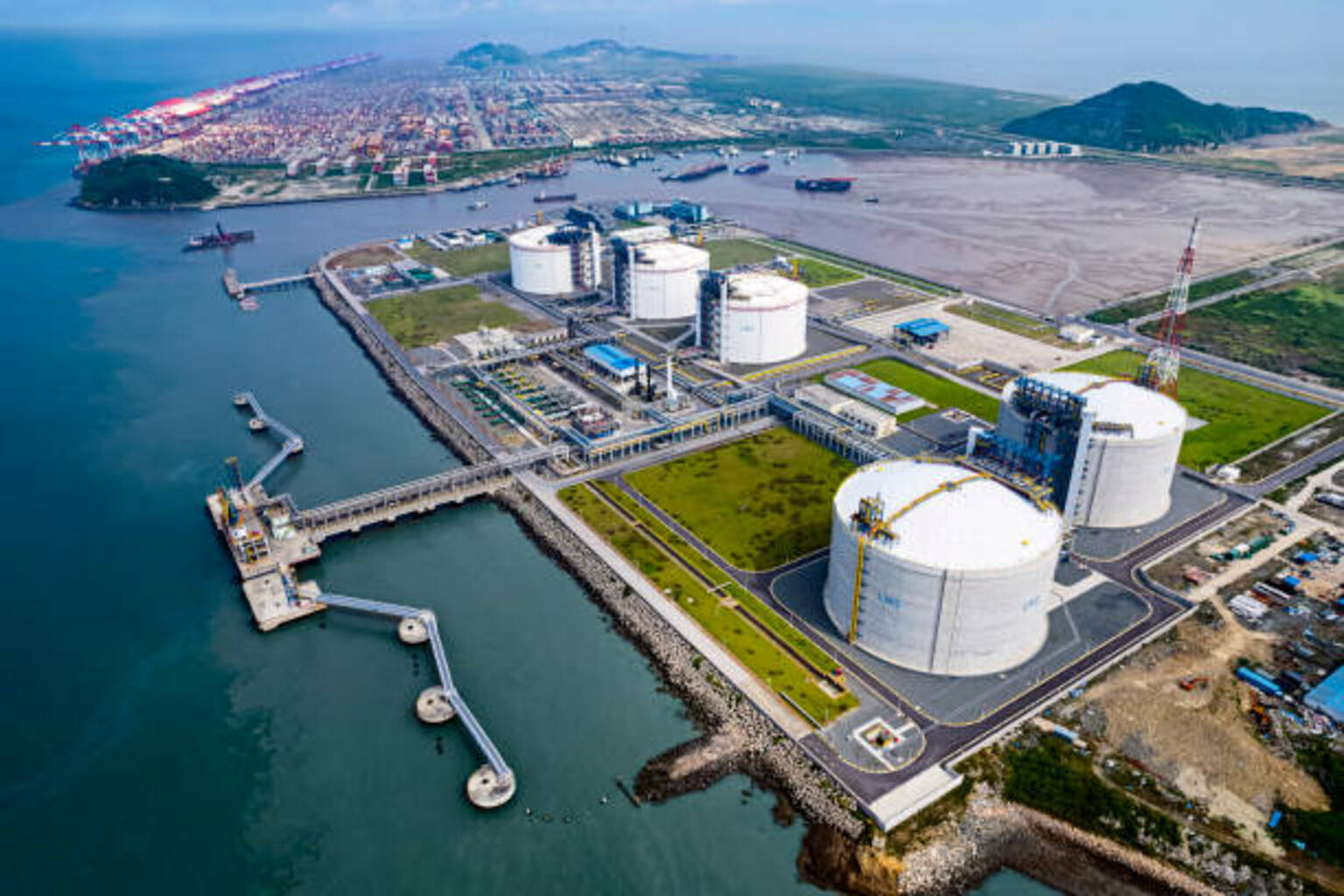
Fluor and JGC Joint Venture Receives Notice for LNG Canada Expansion
- Joint Venture Progress: Fluor's 50-50 joint venture with JGC Corp. has received limited notice to proceed for the Phase 2 expansion of the LNG Canada export facility, indicating a significant step forward for the project.
- Project Delivery Achievements: In 2025, the joint venture successfully delivered two processing units and supporting infrastructure, including storage tanks, a rail yard, a water treatment facility, flare stacks, and a marine terminal, showcasing its robust execution capabilities.
- Capacity Enhancement Potential: The LNG Canada facility has an annual production capacity of approximately 14 million metric tons of liquefied natural gas, and the Phase 2 expansion could double this capacity if a final investment decision is reached, further solidifying Canada's position as a supplier of lower-carbon natural gas in global markets.
- Joint Venture Structure Analysis: The LNG Canada joint venture comprises Shell with a 40% stake, Malaysia's Petronas with 25%, PetroChina and Mitsubishi each holding 15%, and KOGAS with 5%, providing a strong support network for the project through its diversified shareholder structure.

Fluor (FLR) Q1 2026 Earnings Transcript

Nuclear Energy Stocks Outperform S&P 500

- Nuclear Market Opportunity: As data centers strain traditional power grids, nuclear companies like Fluor, Uranium Energy, and Cameco are filling roles across engineering, construction, and mining, poised to benefit from the demand for 24/7 baseload power, driving market performance in 2026.
- Fluor Financial Dynamics: Fluor reported total revenue of $3.6 billion in Q1 2026, an 8% year-over-year decline; however, its energy solutions division saw profitability increase, with revenue rising from $47 million to $74 million, indicating growth potential in the nuclear sector.
- Uranium Energy Strategic Development: Uranium Energy reported $20.2 million in revenue for Q2 2026, and despite facing price volatility risks, its unhedged strategy could yield higher returns as nuclear demand rises, with the stock doubling over the past year.
- Cameco Strong Performance: Cameco reported revenue of CA$845 million in Q1 2026, a 7% increase, with net earnings of CA$131 million, up 87%, positioning it as a solid choice for risk-averse investors due to its leadership in the nuclear market and long-term contract strategy.
NuScale's Public Offering and Market Dynamics
- Market Volatility: Since going public via SPAC in May 2022, NuScale's stock opened at $10.70, peaked at $53.43 last October, but now trades around $11, indicating high volatility and reflecting divergent investor opinions on its future prospects.
- Technical Advantages: NuScale's small modular reactors (SMRs) can be installed in vessels only 65 feet tall and 9 feet wide, generating 77 MWe each; while less powerful than conventional plants, they can be combined to build larger facilities in remote areas, addressing specific market needs.
- Revenue Expectations: Analysts forecast NuScale's revenue to rise from $31.5 million in 2025 to $310.7 million in 2028, primarily from front-end engineering design (FEED) studies and licensing deals, yet with a market cap of $3.4 billion, it currently trades at 11 times its projected 2028 sales, indicating high valuation risk.
- Investor Confidence: Fluor recently liquidated its remaining shares in NuScale, reflecting concerns over the company's future profitability; although NuScale may successfully deploy its SMRs in the 2030s, it remains a highly speculative stock, necessitating cautious navigation of future market volatility.
NuScale's Small Modular Reactors: A Market Disruption or Struggle Ahead?
- Market Potential and Challenges: NuScale's small modular reactors (SMRs) are expected to meet the soaring energy demands of cloud computing, AI, and industrial automation, yet competitive pressures and macroeconomic headwinds may hinder its growth potential.
- Revenue Growth Expectations: Analysts forecast NuScale's revenue to rise from $31.5 million in 2025 to $310.7 million in 2028, although with a market cap of $3.4 billion, it currently trades at 11 times its projected 2028 sales, indicating high valuation risks.
- Project Collaboration Progress: NuScale is working with Fluor to build a 462 MWe plant in Romania, with most revenue coming from front-end engineering and design (FEED) studies, making this project a crucial pillar for its future income.
- Investor Confidence Wavers: Fluor recently liquidated its remaining shares in NuScale, reflecting concerns over the company's future profitability, and while NuScale's SMRs have the potential to disrupt the nuclear market in the 2030s, it still faces significant profitability challenges in the near term.
Fluor Marine Secures $1.03B Naval Nuclear Contract
- Significant Contract Value: Fluor Marine Propulsion has secured a $1.03 billion contract modification focused on naval nuclear propulsion work, which will substantially enhance the company's revenue base and strengthen its market position in the defense sector.
- Clear Funding Allocation: At the time of award, $232.99 million will be obligated, including $130.49 million (56%) from Navy operation and maintenance funds, indicating the Navy's commitment to the project and trust in Fluor.
- Diverse Funding Sources: The contract also includes $54.5 million (23%) in non-appropriated funds and $48 million (21%) in shipbuilding and conversion funds, which helps mitigate project risks and ensures funding stability.
- Contract Expiration Consideration: The $130.49 million portion is set to expire at fiscal year-end, necessitating Fluor Marine to maintain efficiency in project execution to ensure effective use of funds and smooth project progression.
Fluor and JGC Joint Venture Receives Notice for LNG Canada Expansion
- Joint Venture Progress: Fluor's 50-50 joint venture with JGC Corp. has received limited notice to proceed for the Phase 2 expansion of the LNG Canada export facility, indicating a significant step forward for the project.
- Project Delivery Achievements: In 2025, the joint venture successfully delivered two processing units and supporting infrastructure, including storage tanks, a rail yard, a water treatment facility, flare stacks, and a marine terminal, showcasing its robust execution capabilities.
- Capacity Enhancement Potential: The LNG Canada facility has an annual production capacity of approximately 14 million metric tons of liquefied natural gas, and the Phase 2 expansion could double this capacity if a final investment decision is reached, further solidifying Canada's position as a supplier of lower-carbon natural gas in global markets.
- Joint Venture Structure Analysis: The LNG Canada joint venture comprises Shell with a 40% stake, Malaysia's Petronas with 25%, PetroChina and Mitsubishi each holding 15%, and KOGAS with 5%, providing a strong support network for the project through its diversified shareholder structure.
Fluor (FLR) Q1 2026 Earnings Transcript
Nuclear Energy Stocks Outperform S&P 500
- Nuclear Market Opportunity: As data centers strain traditional power grids, nuclear companies like Fluor, Uranium Energy, and Cameco are filling roles across engineering, construction, and mining, poised to benefit from the demand for 24/7 baseload power, driving market performance in 2026.
- Fluor Financial Dynamics: Fluor reported total revenue of $3.6 billion in Q1 2026, an 8% year-over-year decline; however, its energy solutions division saw profitability increase, with revenue rising from $47 million to $74 million, indicating growth potential in the nuclear sector.
- Uranium Energy Strategic Development: Uranium Energy reported $20.2 million in revenue for Q2 2026, and despite facing price volatility risks, its unhedged strategy could yield higher returns as nuclear demand rises, with the stock doubling over the past year.
- Cameco Strong Performance: Cameco reported revenue of CA$845 million in Q1 2026, a 7% increase, with net earnings of CA$131 million, up 87%, positioning it as a solid choice for risk-averse investors due to its leadership in the nuclear market and long-term contract strategy.