Ericsson Shares Surge After Strong Q4 Earnings and Buyback Announcement
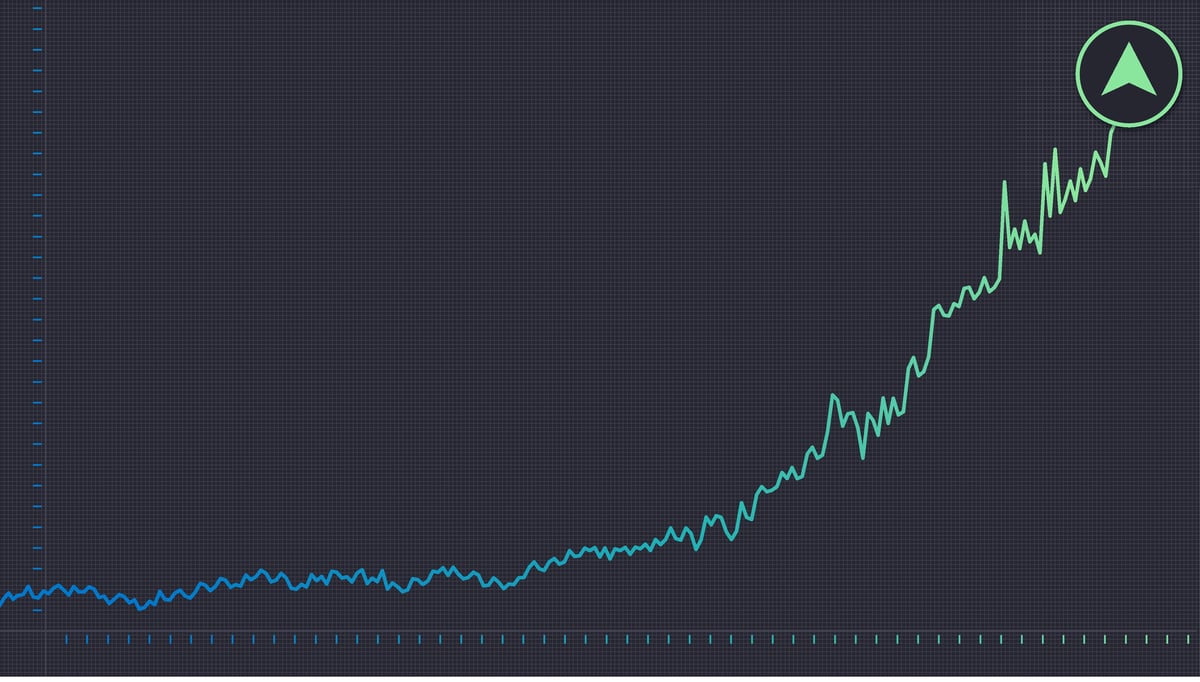
Ericsson's stock rose by 8.30% as it reached a 52-week high, following the announcement of strong Q4 earnings and a significant buyback program.
The company reported a Q4 EPS of $0.27, exceeding analyst expectations, and announced a SEK 15 billion ($1.7 billion) stock buyback, which is expected to enhance shareholder value. Despite a 5% decline in sales year-over-year, the results surpassed market expectations, indicating resilience in a competitive environment. The adjusted gross margin improved, showcasing effective cost control and operational efficiency.
This strong performance and proactive shareholder initiatives are likely to boost investor confidence and position Ericsson favorably for future growth, despite challenges in the broader market.
Trade with 70% Backtested Accuracy
Analyst Views on ERIC

About ERIC
About the author

Ericsson's Nomination Committee for 2027 AGM Appointed

- Nomination Committee Formation: Ericsson's Nomination Committee for the 2027 Annual General Meeting has been established in accordance with the resolution from the 2012 AGM, comprising members such as Johan Forssell from Investor AB and Helena Stjernholm from AB Industrivärden, reflecting the company's ongoing commitment to governance structure.
- Committee Chair Appointment: Johan Forssell has been appointed as the Chair of the Nomination Committee, responsible for leading the committee's efforts to ensure the effectiveness and timeliness of shareholder nominations, thereby enhancing shareholder trust in corporate governance.
- Shareholder Nomination Process: Shareholders wishing to submit proposals can contact the Nomination Committee, ensuring that suggestions are submitted in a timely manner before the AGM, which enhances transparency and encourages shareholder engagement in governance.
- Governance Transparency: The establishment and operational framework of the Nomination Committee demonstrate Ericsson's emphasis on governance transparency, aiming to strengthen the legitimacy and rationality of corporate decisions through effective shareholder communication and participation.

Ericsson's Nomination Committee Appointed
- Committee Formation: On May 29, 2026, Ericsson announced the formation of its Nomination Committee for the 2027 Annual General Meeting, chaired by Johan Forsell, ensuring transparency in governance and shareholder engagement.
- Proposal Submission Process: Shareholders are invited to submit proposals to the Nomination Committee, which must be received in a timely manner before the Annual General Meeting, enhancing shareholder influence on corporate decisions.
- Contact Information Provided: Ericsson has made the Nomination Committee's contact details available, including email and phone numbers, facilitating communication between shareholders and the committee, reflecting the company's commitment to shareholder feedback.
- Company Background: With 150 years of history, Ericsson has been a pioneer in communication technology, offering mobile communication and connectivity solutions, dedicated to creating a digital future for service providers and enterprises.

Ericsson's Nomination Committee Appointed
- Committee Formation: Ericsson's Nomination Committee has been established in accordance with the 2012 AGM resolution, chaired by Johan Forsell, ensuring transparency in corporate governance and shareholder engagement.
- Proposal Submission Process: Shareholders are invited to submit proposals to the Nomination Committee, which must be received in a timely manner before the AGM to ensure consideration, thereby enhancing shareholder influence on company decisions.
- Contact Information Released: The contact details for the Nomination Committee have been made public, allowing shareholders and stakeholders to reach out via email, promoting communication and interaction.
- Company Background: With 150 years in the communications technology sector, Ericsson is dedicated to providing mobile communication and connectivity solutions for service providers and enterprises, driving the realization of a digital future.
Vonage Recognized for Fourth Time by Gartner for CPaaS Leadership
- Industry Leadership: Vonage has been ranked #1 for Video Use Case in the 2026 Gartner CPaaS report, showcasing its exceptional capabilities in video communications and further solidifying its market position as a cloud communications leader.
- Security Rating: The company received a high score of 4.7/5.0 for Advanced Security in the 2026 Gartner CPaaS report, indicating its strong capabilities in fraud prevention solutions, which enhances customer trust in its platform.
- Comprehensive API Capabilities: Vonage's Communications and Network APIs span messaging, voice, video, email, and authentication, providing extensive functionalities that help enterprises improve operational efficiency and customer experience, driving digital transformation.
- Customer Reviews: Customer feedback on Gartner Peer Insights shows that Vonage has received 5-star ratings for reliability and support, reflecting its strong reputation and high customer satisfaction in the industry.

Ericsson Relocates Headquarters to Hagastaden
- Headquarters Relocation: Ericsson has announced its decision to move its headquarters from Kista to Hagastaden in Stockholm, with employee relocation expected to begin in early 2028 and span several years, aimed at enhancing operational efficiency.
- Lease Agreements Signed: The company has signed leases for five properties in Hagastaden with Atrium Ljungberg and Castellum, with three buildings leased from Atrium Ljungberg, further solidifying its business foundation at the new site.
- R&D and Business Integration: The Kista operations include R&D, business areas, group functions, and the Imagine Studio, and the integration post-move is expected to enhance innovation capabilities and market responsiveness, strengthening the company's position in the competitive telecommunications industry.
- Long-term Strategic Planning: This relocation is not just a geographical shift but a strategic initiative by Ericsson to optimize resource allocation and enhance operational flexibility over the coming years, aiming to better adapt to market changes and customer demands.
Ericsson to Relocate Stockholm Headquarters to Hagastaden
- Headquarters Relocation: Ericsson has announced the decision to move its Stockholm headquarters from Kista to Hagastaden, with the relocation process estimated to begin in 2028 and span several years, aimed at creating modern office spaces to attract future talent.
- New Office Space: The new site will encompass five properties totaling approximately 71,000 square meters, including three buildings from Atrium Ljungberg—Wave, Ekeblad, and Trinity—and two from Castellum, enhancing the company's competitiveness within the technology innovation community.
- Future Development Strategy: The CEO of Ericsson stated that the choice of Hagastaden will facilitate better engagement with the business ecosystem and decision-makers, thereby strengthening the company's ability to attract top talent and drive future business growth.
- Continuous Employee Updates: Throughout the relocation process, Ericsson will continuously update employees on the progress and construction of the new campus, reflecting the company's commitment to effective communication with its workforce.
Ericsson's Nomination Committee for 2027 AGM Appointed
- Nomination Committee Formation: Ericsson's Nomination Committee for the 2027 Annual General Meeting has been established in accordance with the resolution from the 2012 AGM, comprising members such as Johan Forssell from Investor AB and Helena Stjernholm from AB Industrivärden, reflecting the company's ongoing commitment to governance structure.
- Committee Chair Appointment: Johan Forssell has been appointed as the Chair of the Nomination Committee, responsible for leading the committee's efforts to ensure the effectiveness and timeliness of shareholder nominations, thereby enhancing shareholder trust in corporate governance.
- Shareholder Nomination Process: Shareholders wishing to submit proposals can contact the Nomination Committee, ensuring that suggestions are submitted in a timely manner before the AGM, which enhances transparency and encourages shareholder engagement in governance.
- Governance Transparency: The establishment and operational framework of the Nomination Committee demonstrate Ericsson's emphasis on governance transparency, aiming to strengthen the legitimacy and rationality of corporate decisions through effective shareholder communication and participation.
Ericsson's Nomination Committee Appointed
- Committee Formation: On May 29, 2026, Ericsson announced the formation of its Nomination Committee for the 2027 Annual General Meeting, chaired by Johan Forsell, ensuring transparency in governance and shareholder engagement.
- Proposal Submission Process: Shareholders are invited to submit proposals to the Nomination Committee, which must be received in a timely manner before the Annual General Meeting, enhancing shareholder influence on corporate decisions.
- Contact Information Provided: Ericsson has made the Nomination Committee's contact details available, including email and phone numbers, facilitating communication between shareholders and the committee, reflecting the company's commitment to shareholder feedback.
- Company Background: With 150 years of history, Ericsson has been a pioneer in communication technology, offering mobile communication and connectivity solutions, dedicated to creating a digital future for service providers and enterprises.
Ericsson's Nomination Committee Appointed
- Committee Formation: Ericsson's Nomination Committee has been established in accordance with the 2012 AGM resolution, chaired by Johan Forsell, ensuring transparency in corporate governance and shareholder engagement.
- Proposal Submission Process: Shareholders are invited to submit proposals to the Nomination Committee, which must be received in a timely manner before the AGM to ensure consideration, thereby enhancing shareholder influence on company decisions.
- Contact Information Released: The contact details for the Nomination Committee have been made public, allowing shareholders and stakeholders to reach out via email, promoting communication and interaction.
- Company Background: With 150 years in the communications technology sector, Ericsson is dedicated to providing mobile communication and connectivity solutions for service providers and enterprises, driving the realization of a digital future.
Vonage Recognized for Fourth Time by Gartner for CPaaS Leadership
- Industry Leadership: Vonage has been ranked #1 for Video Use Case in the 2026 Gartner CPaaS report, showcasing its exceptional capabilities in video communications and further solidifying its market position as a cloud communications leader.
- Security Rating: The company received a high score of 4.7/5.0 for Advanced Security in the 2026 Gartner CPaaS report, indicating its strong capabilities in fraud prevention solutions, which enhances customer trust in its platform.
- Comprehensive API Capabilities: Vonage's Communications and Network APIs span messaging, voice, video, email, and authentication, providing extensive functionalities that help enterprises improve operational efficiency and customer experience, driving digital transformation.
- Customer Reviews: Customer feedback on Gartner Peer Insights shows that Vonage has received 5-star ratings for reliability and support, reflecting its strong reputation and high customer satisfaction in the industry.
Ericsson Relocates Headquarters to Hagastaden
- Headquarters Relocation: Ericsson has announced its decision to move its headquarters from Kista to Hagastaden in Stockholm, with employee relocation expected to begin in early 2028 and span several years, aimed at enhancing operational efficiency.
- Lease Agreements Signed: The company has signed leases for five properties in Hagastaden with Atrium Ljungberg and Castellum, with three buildings leased from Atrium Ljungberg, further solidifying its business foundation at the new site.
- R&D and Business Integration: The Kista operations include R&D, business areas, group functions, and the Imagine Studio, and the integration post-move is expected to enhance innovation capabilities and market responsiveness, strengthening the company's position in the competitive telecommunications industry.
- Long-term Strategic Planning: This relocation is not just a geographical shift but a strategic initiative by Ericsson to optimize resource allocation and enhance operational flexibility over the coming years, aiming to better adapt to market changes and customer demands.
Ericsson to Relocate Stockholm Headquarters to Hagastaden
- Headquarters Relocation: Ericsson has announced the decision to move its Stockholm headquarters from Kista to Hagastaden, with the relocation process estimated to begin in 2028 and span several years, aimed at creating modern office spaces to attract future talent.
- New Office Space: The new site will encompass five properties totaling approximately 71,000 square meters, including three buildings from Atrium Ljungberg—Wave, Ekeblad, and Trinity—and two from Castellum, enhancing the company's competitiveness within the technology innovation community.
- Future Development Strategy: The CEO of Ericsson stated that the choice of Hagastaden will facilitate better engagement with the business ecosystem and decision-makers, thereby strengthening the company's ability to attract top talent and drive future business growth.
- Continuous Employee Updates: Throughout the relocation process, Ericsson will continuously update employees on the progress and construction of the new campus, reflecting the company's commitment to effective communication with its workforce.