

Dupixent Approved in EU for CSU Treatment
Regeneron Pharmaceuticals and Sanofi have received approval for Dupixent in the EU as the first innovative treatment for chronic spontaneous urticaria (CSU). This approval fills a significant gap in treatment options that has persisted for over a decade, promising to enhance the quality of life for approximately 270,000 patients in the region.
The approval is based on the successful LIBERTY-CUPID Phase 3 clinical trials, which demonstrated significant reductions in urticaria activity over 24 weeks. This positions Dupixent as a first-line treatment option for patients who have not adequately responded to standard antihistamine therapies.
With the introduction of Dupixent, Regeneron and Sanofi are poised to capture a substantial share of the market, addressing the needs of patients who have been underserved by existing treatments. The safety profile of Dupixent aligns with known characteristics, ensuring its acceptability in clinical use.
This development not only represents a breakthrough for patients but also signals potential revenue growth for Regeneron as they expand their market presence in chronic inflammatory diseases.
Trade with 70% Backtested Accuracy
Analyst Views on REGN

About REGN
About the author


Regeneron Projects $127M R&D Charge for Q2 2026

- R&D Charge Expectation: Regeneron anticipates recording an acquired in-process research and development charge of approximately $127 million in Q2 2026, primarily related to upfront and opt-in payments from collaboration and licensing agreements, indicating the company's ongoing commitment to drug development.
- Earnings Impact: This charge is expected to negatively affect both GAAP and non-GAAP net income per diluted share by about $1.00 for Q2 2026, which may undermine investor confidence in the company's profitability and impact stock performance.
- Market Reaction: Despite the pressure from R&D expenses, Regeneron's overall performance in the healthcare sector remains under scrutiny, particularly as optimism surrounding Medicare Advantage drives a rally in the healthcare industry, potentially providing support for its stock price.
- FDA Program Participation: Regeneron, alongside Eli Lilly, has been included in an FDA pilot program aimed at boosting U.S. drug manufacturing capabilities, a move that could enhance the company's competitive position in the pharmaceutical development landscape and strengthen its strategic standing.
Alnylam Pharmaceuticals Shares Drop 24%, Yet Optimism Persists


- Significant Revenue Growth: Alnylam Pharmaceuticals reported a 121% year-over-year surge in product revenue to $1.04 billion in Q1, primarily driven by a 153% increase in its ATTR franchise, indicating strong market demand in the rare disease treatment sector.
- Profitability Improvement: The company achieved earnings per share (EPS) of $1.51, a substantial turnaround from a loss of $0.14 per share in the same period last year, demonstrating Alnylam's rapid transition into a profitable commercial powerhouse, which boosts investor confidence.
- Expansion into New Indications: New data for Alnylam's Amvuttra reinforces its position as a first-line treatment for cardiomyopathy, setting the stage for a massive commercial launch and further market share expansion.
- Strong Technological Moat: Alnylam's RNA interference platform creates a deep technological moat, and its collaboration with Inceptive Nucleics on AI accelerates the discovery of next-generation RNAi structures, ensuring its competitive edge in the biotech industry.

Alnylam Pharmaceuticals Reports Strong Q1 Performance
- Significant Revenue Growth: Alnylam Pharmaceuticals reported a 121% year-over-year surge in product revenue to $1.04 billion in Q1, primarily driven by a 153% increase in its transthyretin amyloidosis (ATTR) franchise, indicating strong market demand in the rare disease treatment sector.
- Profitability Improvement: The company achieved earnings per share (EPS) of $1.51, a substantial turnaround from a loss of $0.14 per share in the same period last year, marking a significant improvement in profitability and showcasing its transition from a high-burn clinical biotech to a profitable commercial powerhouse.
- Broad Market Outlook: Alnylam's guidance for full-year 2026 net product revenue ranges between $4.9 billion and $5.3 billion, reflecting a 71% year-over-year growth at the midpoint, highlighting the company's potential to penetrate mainstream high-volume therapeutic markets, particularly in cardiomyopathy and hypertension.
- Strong Technological Moat: Alnylam's RNA interference (RNAi) drug delivery system creates a deep technological moat, and its strategic AI collaboration with Inceptive Nucleics accelerates the discovery of next-generation RNAi structures, ensuring the company's competitive edge in the rapidly evolving biotech landscape.

Intellia Therapeutics Shares Surge 83% Amid Strong Clinical Progress
- Clinical Trial Success: Intellia Therapeutics' lonvo-z demonstrated an 87% reduction in attacks and 62% of patients were attack-free in phase 3 trials, indicating its potential as an effective treatment for hereditary angioedema, which could significantly enhance the company's market position in biotechnology.
- Significant Market Potential: While the market opportunity for lonvo-z is limited, the potential patient population for nex-z targeting ATTR amyloidosis could reach 50,000, and increasing diagnosis rates due to an aging population suggest substantial revenue growth opportunities for Intellia in global markets.
- Strong Financial Position: Intellia ended Q1 with $517.2 million in cash and equivalents and raised approximately $207 million through a secondary stock offering, with management confident that this funding will sustain operations until 2028, bolstering investor confidence in its future growth.
- Notable Risks: Despite the positive outlook from lonvo-z's success, nex-z faced a clinical hold from the FDA due to safety concerns, and the high costs associated with gene-editing therapies may deter insurance coverage, making Intellia's stock a risky investment suitable only for those with a high risk tolerance.

Supreme Court Rulings Have Significant Implications


- Supreme Court Rulings: The Supreme Court ruled that Trump can fire FTC Commissioner Rebecca Slaughter but cannot dismiss Federal Reserve Governor Lisa Cook, indicating a protective stance on independent regulatory bodies that may impact future policy execution and market confidence.
- Market Dynamics: The Dow Jones Industrial Average closed above 52,000 for the first time, bolstered by a nearly 5% rise in Alphabet, although the S&P 500 and Nasdaq Composite are facing downward pressure, reflecting market uncertainty.
- New Medicare Coverage: Starting tomorrow, Medicare will cover obesity drugs for the first time, potentially bringing a large new patient population to Novo Nordisk and Eli Lilly, which could reshape the competitive landscape in obesity treatment.
- Comcast Strategic Shift: Comcast announced plans to spin off NBCUniversal and Sky into a publicly traded company, and while analysts speculate on potential mergers, co-CEO Brian Roberts stated this is not a precursor to M&A, indicating a cautious strategic approach.
Supreme Court Rulings Have Far-Reaching Implications
- Supreme Court Ruling: The U.S. Supreme Court ruled that Trump can fire Federal Trade Commission Commissioner Rebecca Slaughter but cannot remove Federal Reserve Governor Lisa Cook for now, indicating a protective stance towards independent regulatory bodies that may affect future policy execution stability.
- Market Dynamics: The Dow Jones Industrial Average closed above 52,000 for the first time, buoyed by a nearly 5% rise in Google parent Alphabet, while the S&P 500 and Nasdaq Composite face downward pressure, reflecting a divergence in market performance.
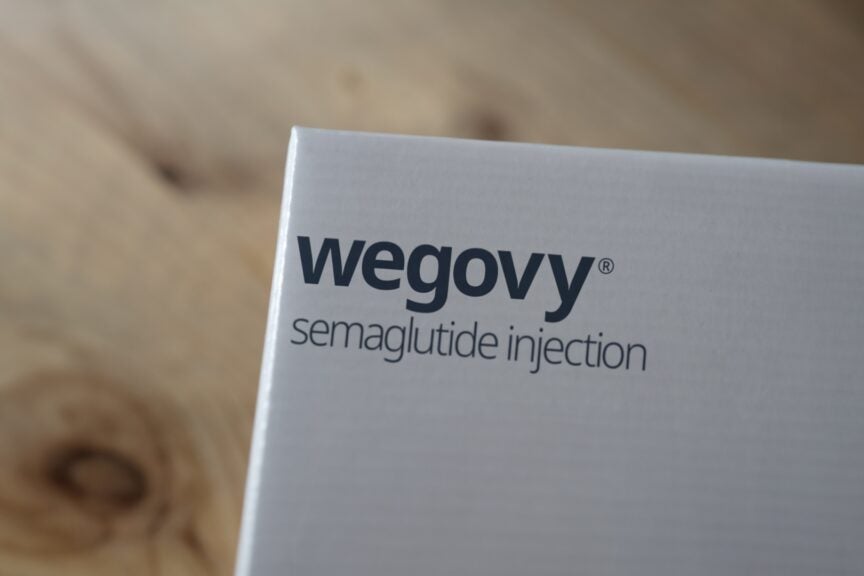
- Medicare Policy Change: Starting tomorrow, Medicare will cover obesity drugs for the first time, potentially bringing in a large new patient population for GLP-1 producers like Novo Nordisk and Eli Lilly, which could significantly boost market demand for these medications.
- Comcast Restructuring: Comcast announced plans to spin off NBCUniversal and Sky into a publicly traded company, and while analysts speculate about potential mergers, company executives clarified that this move is not a precursor to acquisitions, indicating a cautious strategic approach.
Regeneron Projects $127M R&D Charge for Q2 2026
- R&D Charge Expectation: Regeneron anticipates recording an acquired in-process research and development charge of approximately $127 million in Q2 2026, primarily related to upfront and opt-in payments from collaboration and licensing agreements, indicating the company's ongoing commitment to drug development.
- Earnings Impact: This charge is expected to negatively affect both GAAP and non-GAAP net income per diluted share by about $1.00 for Q2 2026, which may undermine investor confidence in the company's profitability and impact stock performance.
- Market Reaction: Despite the pressure from R&D expenses, Regeneron's overall performance in the healthcare sector remains under scrutiny, particularly as optimism surrounding Medicare Advantage drives a rally in the healthcare industry, potentially providing support for its stock price.
- FDA Program Participation: Regeneron, alongside Eli Lilly, has been included in an FDA pilot program aimed at boosting U.S. drug manufacturing capabilities, a move that could enhance the company's competitive position in the pharmaceutical development landscape and strengthen its strategic standing.
Alnylam Pharmaceuticals Shares Drop 24%, Yet Optimism Persists
- Significant Revenue Growth: Alnylam Pharmaceuticals reported a 121% year-over-year surge in product revenue to $1.04 billion in Q1, primarily driven by a 153% increase in its ATTR franchise, indicating strong market demand in the rare disease treatment sector.
- Profitability Improvement: The company achieved earnings per share (EPS) of $1.51, a substantial turnaround from a loss of $0.14 per share in the same period last year, demonstrating Alnylam's rapid transition into a profitable commercial powerhouse, which boosts investor confidence.
- Expansion into New Indications: New data for Alnylam's Amvuttra reinforces its position as a first-line treatment for cardiomyopathy, setting the stage for a massive commercial launch and further market share expansion.
- Strong Technological Moat: Alnylam's RNA interference platform creates a deep technological moat, and its collaboration with Inceptive Nucleics on AI accelerates the discovery of next-generation RNAi structures, ensuring its competitive edge in the biotech industry.
Alnylam Pharmaceuticals Reports Strong Q1 Performance
- Significant Revenue Growth: Alnylam Pharmaceuticals reported a 121% year-over-year surge in product revenue to $1.04 billion in Q1, primarily driven by a 153% increase in its transthyretin amyloidosis (ATTR) franchise, indicating strong market demand in the rare disease treatment sector.
- Profitability Improvement: The company achieved earnings per share (EPS) of $1.51, a substantial turnaround from a loss of $0.14 per share in the same period last year, marking a significant improvement in profitability and showcasing its transition from a high-burn clinical biotech to a profitable commercial powerhouse.
- Broad Market Outlook: Alnylam's guidance for full-year 2026 net product revenue ranges between $4.9 billion and $5.3 billion, reflecting a 71% year-over-year growth at the midpoint, highlighting the company's potential to penetrate mainstream high-volume therapeutic markets, particularly in cardiomyopathy and hypertension.
- Strong Technological Moat: Alnylam's RNA interference (RNAi) drug delivery system creates a deep technological moat, and its strategic AI collaboration with Inceptive Nucleics accelerates the discovery of next-generation RNAi structures, ensuring the company's competitive edge in the rapidly evolving biotech landscape.
Intellia Therapeutics Shares Surge 83% Amid Strong Clinical Progress
- Clinical Trial Success: Intellia Therapeutics' lonvo-z demonstrated an 87% reduction in attacks and 62% of patients were attack-free in phase 3 trials, indicating its potential as an effective treatment for hereditary angioedema, which could significantly enhance the company's market position in biotechnology.
- Significant Market Potential: While the market opportunity for lonvo-z is limited, the potential patient population for nex-z targeting ATTR amyloidosis could reach 50,000, and increasing diagnosis rates due to an aging population suggest substantial revenue growth opportunities for Intellia in global markets.
- Strong Financial Position: Intellia ended Q1 with $517.2 million in cash and equivalents and raised approximately $207 million through a secondary stock offering, with management confident that this funding will sustain operations until 2028, bolstering investor confidence in its future growth.
- Notable Risks: Despite the positive outlook from lonvo-z's success, nex-z faced a clinical hold from the FDA due to safety concerns, and the high costs associated with gene-editing therapies may deter insurance coverage, making Intellia's stock a risky investment suitable only for those with a high risk tolerance.
Supreme Court Rulings Have Significant Implications
- Supreme Court Rulings: The Supreme Court ruled that Trump can fire FTC Commissioner Rebecca Slaughter but cannot dismiss Federal Reserve Governor Lisa Cook, indicating a protective stance on independent regulatory bodies that may impact future policy execution and market confidence.
- Market Dynamics: The Dow Jones Industrial Average closed above 52,000 for the first time, bolstered by a nearly 5% rise in Alphabet, although the S&P 500 and Nasdaq Composite are facing downward pressure, reflecting market uncertainty.
- New Medicare Coverage: Starting tomorrow, Medicare will cover obesity drugs for the first time, potentially bringing a large new patient population to Novo Nordisk and Eli Lilly, which could reshape the competitive landscape in obesity treatment.
- Comcast Strategic Shift: Comcast announced plans to spin off NBCUniversal and Sky into a publicly traded company, and while analysts speculate on potential mergers, co-CEO Brian Roberts stated this is not a precursor to M&A, indicating a cautious strategic approach.
Supreme Court Rulings Have Far-Reaching Implications
- Supreme Court Ruling: The U.S. Supreme Court ruled that Trump can fire Federal Trade Commission Commissioner Rebecca Slaughter but cannot remove Federal Reserve Governor Lisa Cook for now, indicating a protective stance towards independent regulatory bodies that may affect future policy execution stability.
- Market Dynamics: The Dow Jones Industrial Average closed above 52,000 for the first time, buoyed by a nearly 5% rise in Google parent Alphabet, while the S&P 500 and Nasdaq Composite face downward pressure, reflecting a divergence in market performance.
- Medicare Policy Change: Starting tomorrow, Medicare will cover obesity drugs for the first time, potentially bringing in a large new patient population for GLP-1 producers like Novo Nordisk and Eli Lilly, which could significantly boost market demand for these medications.
- Comcast Restructuring: Comcast announced plans to spin off NBCUniversal and Sky into a publicly traded company, and while analysts speculate about potential mergers, company executives clarified that this move is not a precursor to acquisitions, indicating a cautious strategic approach.





