

Deutsche Bank's Q1 Investment Banking Revenue Outlook Stable
Deutsche Bank AG's stock fell 3.03% and hit a 20-day low amid a broader market decline, with the Nasdaq-100 down 1.10% and the S&P 500 down 1.14%.
CEO Christian Sewing indicated that Q1 investment banking revenue is expected to be flat year-over-year, with capital market growth offsetting a decline in trading. This reflects the bank's stability amid market volatility, as geopolitical risks present opportunities for the investment bank. Additionally, asset management and private banking sectors are progressing as planned, demonstrating Deutsche Bank's strategic success in diversifying its revenue streams.
The outlook suggests that while trading may face challenges, the growth in capital markets could provide a buffer, indicating a resilient performance for Deutsche Bank in a tough market environment.
Trade with 70% Backtested Accuracy
Analyst Views on DB

About DB
About the author

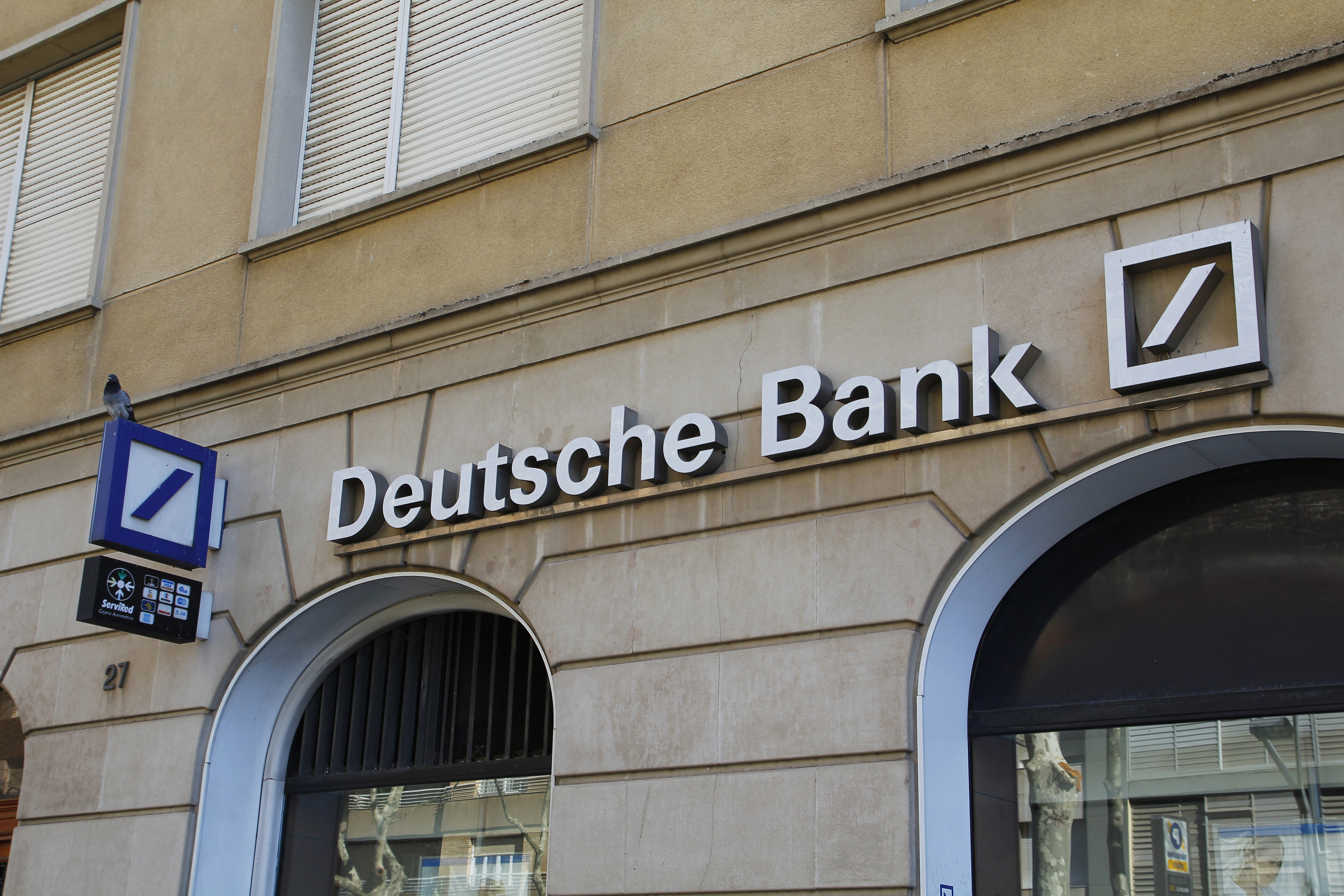
Deutsche Bank Shareholders Urge Cost Control at Annual Meeting

- Shareholder Cost Control Demand: At Deutsche Bank's annual shareholder meeting, investors urged management to maintain cost control, reflecting concerns over future financial health, particularly in the current economic climate.
- Stock Price Fluctuation: Deutsche Bank's stock fell 1.41% to $32.89 in pre-market trading, indicating market caution regarding its financial outlook, which could impact investor confidence.
- Revenue and Expense Projections: The bank expects revenue to rise to approximately €33 billion in 2026 from €32.1 billion in 2025, while non-interest expenses are projected to slightly exceed €21 billion, highlighting ongoing cost pressures.
- Dividend and Bonus Adjustments: Deutsche Bank plans to increase its payout ratio to 60% starting in 2025 and raise the 2025 bonus pool by 6.6% to €2.68 billion, despite shareholder opposition to executive pay, which may affect corporate governance structures.

Saint-Gobain Issues €60 Million Fixed Rate Notes
- Bond Issuance Size: Saint-Gobain successfully issued €60 million in fixed-rate notes, demonstrating its financing capability in the capital markets, which is expected to support the company's long-term strategic development.
- Interest Rate and Maturity: The notes carry an interest rate of 3.314% and mature on May 25, 2033, reflecting market confidence in the company's creditworthiness while providing investors with a stable income source.
- Interest Payment Arrangement: The bond has an annual interest payment period from May 25, 2026, to May 25, 2027, ensuring stable cash flow for the company over the next year, which aids in financial planning.
- Market Reaction: The bond issuance received a positive response in the market, indicating investor confidence in Saint-Gobain, which may further enhance its competitive position in the industry.
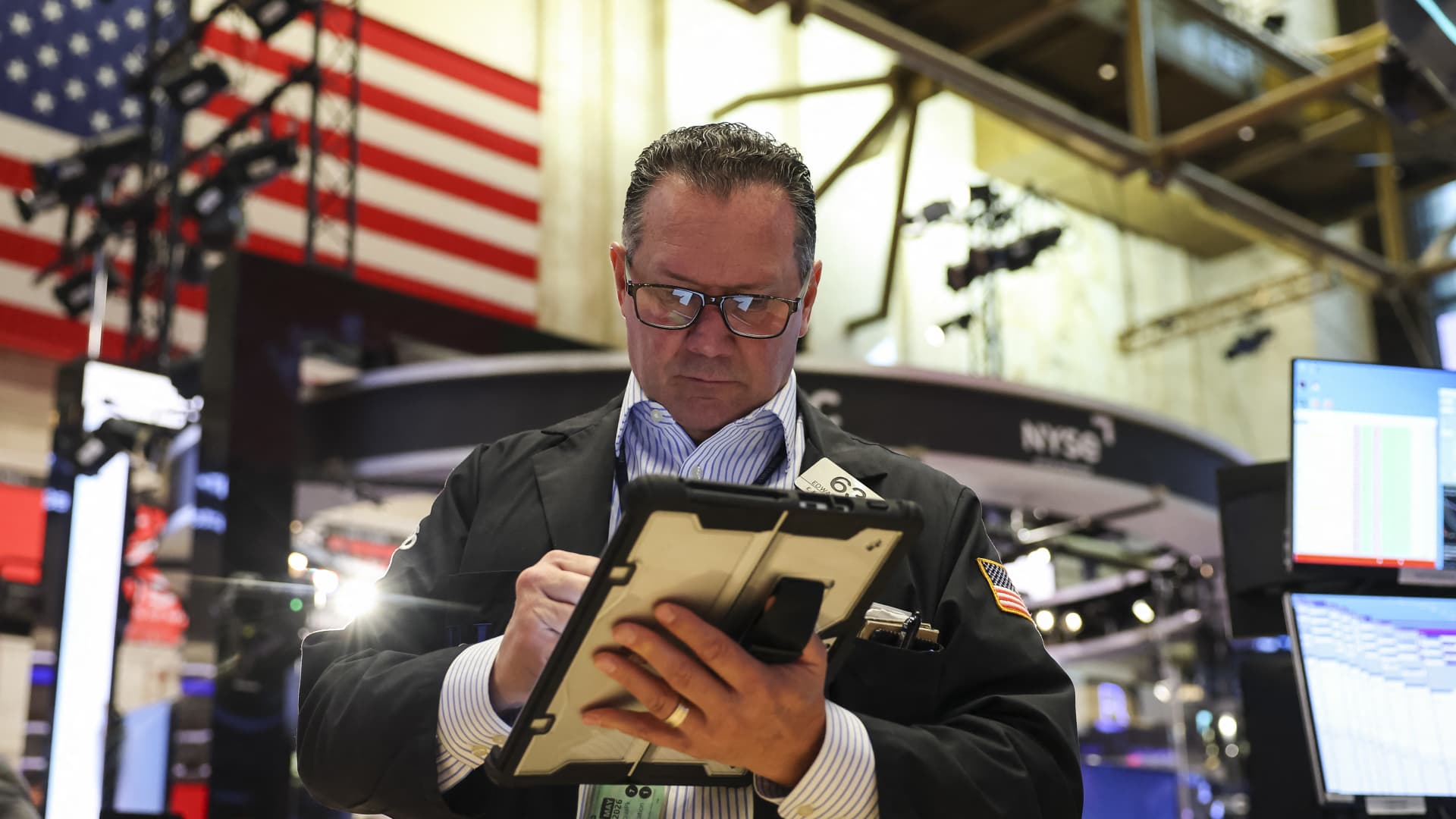
Global Stock and Bond Markets Diverge Amid Inflation Fears

- Strong Stock Market Rebound: As of May 2026, the S&P 500 has risen 7.4% year-to-date, nearly 7% since the onset of the Iran conflict, reflecting investor optimism despite geopolitical and inflationary pressures.
- Bond Market Warning Signals: The yield on the U.S. 10-year Treasury surged approximately 70 basis points during the war, indicating a cautious stance from the bond market regarding future inflation and interest rate hikes, which has put recent pressure on stocks and raised concerns about potential market pullbacks.
- Shifts in Fund Flows: A Bank of America survey revealed record growth in equity allocations in May, with fund managers managing a total of $517 billion shifting from a net 13% overweight in April to a net 50% overweight this month, demonstrating strong confidence in the stock market.
- Increased Market Risks: Barclays analysts warned that despite the rapid stock market rebound, rising bond yields could pose a risk of correction for equities, particularly as macroeconomic pressures mount, necessitating caution among investors regarding potential market volatility.

Bitcoin ETFs Attract Institutional Investors Amid Market Recovery

- Bitcoin Price Surge: Bitcoin traded above $81,000 on May 6 for the first time in months, marking a potential rebound, although it remains far from the record high of $126,198 set in October 2025, indicating a possible foundation for future market recovery.
- Institutional Participation: A survey by State Street Investment Management revealed that 68% of institutional investors are already engaged with or plan to engage with Bitcoin ETFs, signaling a long-term commitment to digital currencies, even if short-term price increases are not expected.
- ETF Asset Management Growth: The iShares Bitcoin Trust ETF boasts $66.7 billion in assets under management, while the Fidelity Wise Origin Bitcoin Fund holds $15.5 billion, totaling $82.2 billion across both ETFs, reflecting strong support from professional investors.
- Ethereum ETF Popularity: The iShares Ethereum Trust ETF has $7.5 billion in assets, indicating growing institutional interest in Ethereum, particularly as major non-crypto institutions like BlackRock view it as a preferred blockchain, enhancing the market acceptance of Ethereum ETFs.
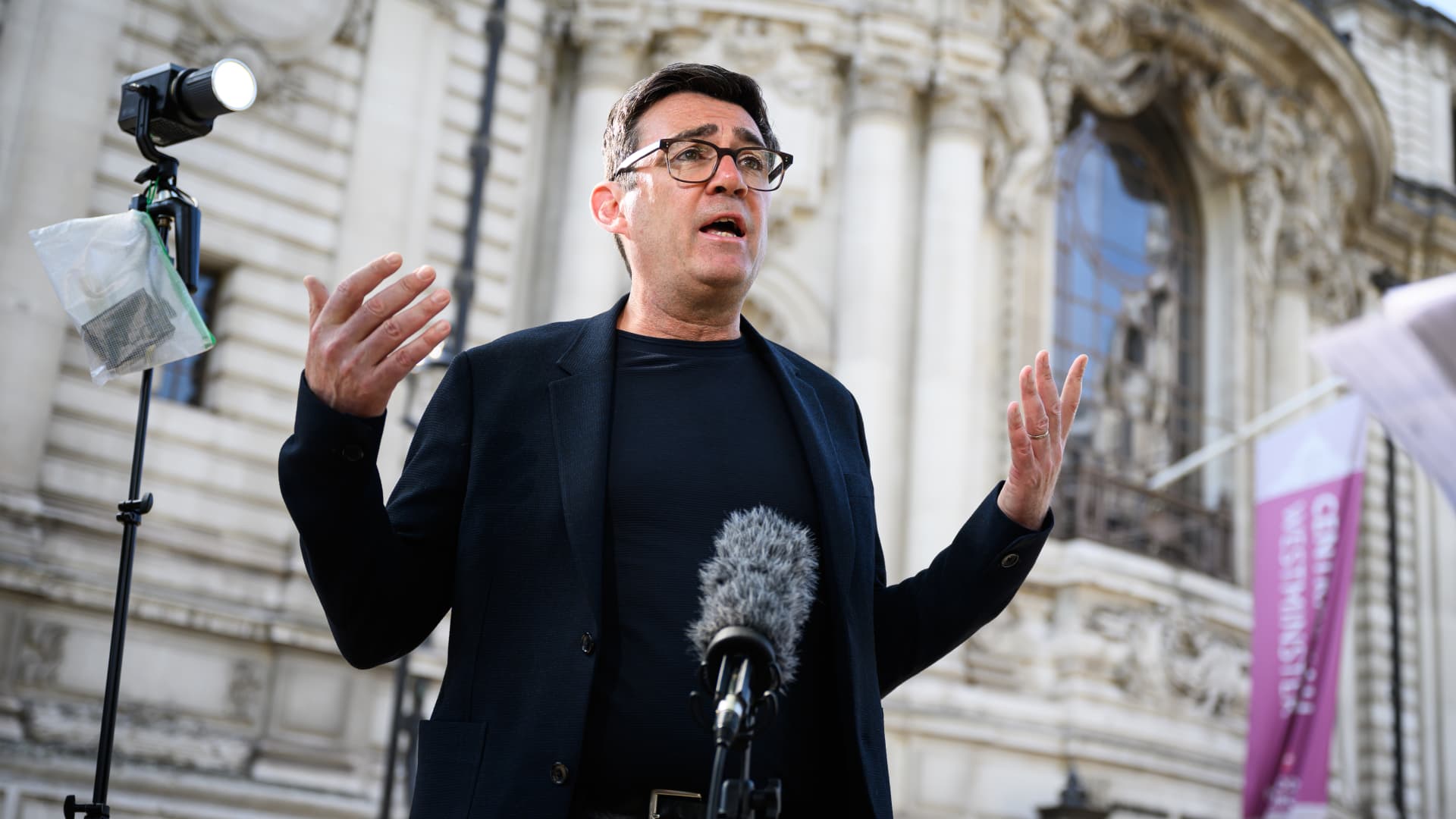
Political Turmoil in the UK Affects Bond Markets
- Bond Yields Steady: On Monday, the UK benchmark 10-year gilt yield stood at 5.15%, easing by 2 basis points, while the 20 and 30-year yields reached their highest levels since 1998 last week, reflecting market concerns over fiscal stability amidst political uncertainty.
- Rising Borrowing Costs: Following poor performance by the ruling Labour Party in local elections, doubts about Prime Minister Keir Starmer's leadership have driven borrowing costs to generational highs, increasing market volatility and investor apprehension.
- Leadership Challenges: Starmer faces potential challenges from several Labour colleagues, including former Health Secretary Wes Streeting and Greater Manchester Mayor Andy Burnham, who has sought to reassure investors that fiscal policies would remain stable under his leadership.
- Uncertain By-Election Prospects: Burnham must become an MP to challenge for leadership, and while he has been cleared to contest the Makerfield by-election on June 18, the seat is competitive, and his victory is not guaranteed, which could impact Labour's future fiscal policies.

China and US Cooperation Eases Oil Supply Crisis
- Supply Disruption Impact: The oil market has lost about 10 million barrels per day due to Iran's blockade of the Strait of Hormuz, equating to 10% of global consumption, which has kept crude prices above $100 per barrel, preventing a significant surge.
- China-US Oil Market Dynamics: US oil exports surged by 3.5 million bpd during the Iran conflict, while China cut imports by 3.6 million bpd, together accounting for about 70% of the lost exports, highlighting their crucial role in adjusting the global oil market.
- Inventory Pressure and Future Outlook: China's strategic oil reserve stands at 1.4 billion barrels, sufficient for months of supply, while US inventories are under pressure, especially after deploying 172 million barrels from its strategic reserve to counter the oil shock, raising concerns about future export capabilities.
- Leaders' Meeting Impact: President Trump and President Xi Jinping met in Beijing, agreeing that the Strait of Hormuz must reopen to support the free flow of energy, although the timeline for restoring commercial shipping remains unclear, which will affect future oil market stability.
Deutsche Bank Shareholders Urge Cost Control at Annual Meeting
- Shareholder Cost Control Demand: At Deutsche Bank's annual shareholder meeting, investors urged management to maintain cost control, reflecting concerns over future financial health, particularly in the current economic climate.
- Stock Price Fluctuation: Deutsche Bank's stock fell 1.41% to $32.89 in pre-market trading, indicating market caution regarding its financial outlook, which could impact investor confidence.
- Revenue and Expense Projections: The bank expects revenue to rise to approximately €33 billion in 2026 from €32.1 billion in 2025, while non-interest expenses are projected to slightly exceed €21 billion, highlighting ongoing cost pressures.
- Dividend and Bonus Adjustments: Deutsche Bank plans to increase its payout ratio to 60% starting in 2025 and raise the 2025 bonus pool by 6.6% to €2.68 billion, despite shareholder opposition to executive pay, which may affect corporate governance structures.
Saint-Gobain Issues €60 Million Fixed Rate Notes
- Bond Issuance Size: Saint-Gobain successfully issued €60 million in fixed-rate notes, demonstrating its financing capability in the capital markets, which is expected to support the company's long-term strategic development.
- Interest Rate and Maturity: The notes carry an interest rate of 3.314% and mature on May 25, 2033, reflecting market confidence in the company's creditworthiness while providing investors with a stable income source.
- Interest Payment Arrangement: The bond has an annual interest payment period from May 25, 2026, to May 25, 2027, ensuring stable cash flow for the company over the next year, which aids in financial planning.
- Market Reaction: The bond issuance received a positive response in the market, indicating investor confidence in Saint-Gobain, which may further enhance its competitive position in the industry.
Global Stock and Bond Markets Diverge Amid Inflation Fears
- Strong Stock Market Rebound: As of May 2026, the S&P 500 has risen 7.4% year-to-date, nearly 7% since the onset of the Iran conflict, reflecting investor optimism despite geopolitical and inflationary pressures.
- Bond Market Warning Signals: The yield on the U.S. 10-year Treasury surged approximately 70 basis points during the war, indicating a cautious stance from the bond market regarding future inflation and interest rate hikes, which has put recent pressure on stocks and raised concerns about potential market pullbacks.
- Shifts in Fund Flows: A Bank of America survey revealed record growth in equity allocations in May, with fund managers managing a total of $517 billion shifting from a net 13% overweight in April to a net 50% overweight this month, demonstrating strong confidence in the stock market.
- Increased Market Risks: Barclays analysts warned that despite the rapid stock market rebound, rising bond yields could pose a risk of correction for equities, particularly as macroeconomic pressures mount, necessitating caution among investors regarding potential market volatility.
Bitcoin ETFs Attract Institutional Investors Amid Market Recovery
- Bitcoin Price Surge: Bitcoin traded above $81,000 on May 6 for the first time in months, marking a potential rebound, although it remains far from the record high of $126,198 set in October 2025, indicating a possible foundation for future market recovery.
- Institutional Participation: A survey by State Street Investment Management revealed that 68% of institutional investors are already engaged with or plan to engage with Bitcoin ETFs, signaling a long-term commitment to digital currencies, even if short-term price increases are not expected.
- ETF Asset Management Growth: The iShares Bitcoin Trust ETF boasts $66.7 billion in assets under management, while the Fidelity Wise Origin Bitcoin Fund holds $15.5 billion, totaling $82.2 billion across both ETFs, reflecting strong support from professional investors.
- Ethereum ETF Popularity: The iShares Ethereum Trust ETF has $7.5 billion in assets, indicating growing institutional interest in Ethereum, particularly as major non-crypto institutions like BlackRock view it as a preferred blockchain, enhancing the market acceptance of Ethereum ETFs.
Political Turmoil in the UK Affects Bond Markets
- Bond Yields Steady: On Monday, the UK benchmark 10-year gilt yield stood at 5.15%, easing by 2 basis points, while the 20 and 30-year yields reached their highest levels since 1998 last week, reflecting market concerns over fiscal stability amidst political uncertainty.
- Rising Borrowing Costs: Following poor performance by the ruling Labour Party in local elections, doubts about Prime Minister Keir Starmer's leadership have driven borrowing costs to generational highs, increasing market volatility and investor apprehension.
- Leadership Challenges: Starmer faces potential challenges from several Labour colleagues, including former Health Secretary Wes Streeting and Greater Manchester Mayor Andy Burnham, who has sought to reassure investors that fiscal policies would remain stable under his leadership.
- Uncertain By-Election Prospects: Burnham must become an MP to challenge for leadership, and while he has been cleared to contest the Makerfield by-election on June 18, the seat is competitive, and his victory is not guaranteed, which could impact Labour's future fiscal policies.
China and US Cooperation Eases Oil Supply Crisis
- Supply Disruption Impact: The oil market has lost about 10 million barrels per day due to Iran's blockade of the Strait of Hormuz, equating to 10% of global consumption, which has kept crude prices above $100 per barrel, preventing a significant surge.
- China-US Oil Market Dynamics: US oil exports surged by 3.5 million bpd during the Iran conflict, while China cut imports by 3.6 million bpd, together accounting for about 70% of the lost exports, highlighting their crucial role in adjusting the global oil market.
- Inventory Pressure and Future Outlook: China's strategic oil reserve stands at 1.4 billion barrels, sufficient for months of supply, while US inventories are under pressure, especially after deploying 172 million barrels from its strategic reserve to counter the oil shock, raising concerns about future export capabilities.
- Leaders' Meeting Impact: President Trump and President Xi Jinping met in Beijing, agreeing that the Strait of Hormuz must reopen to support the free flow of energy, although the timeline for restoring commercial shipping remains unclear, which will affect future oil market stability.




