Delta Air Lines Reports Strong Q1 Financials and Revenue Growth
Delta Air Lines' stock surged 6.20% as it reached a 20-day high, reflecting strong investor confidence.
The company reported record operating revenue of $14.2 billion in Q1 2026, a nearly 10% year-over-year increase, showcasing its robust competitive position and recovery in market demand. High-margin revenue streams accounted for 62% of total revenue, with premium offerings growing 14%, indicating a successful transformation that enhances business resilience. Additionally, Delta generated $2.4 billion in operating cash flow and paid down $1.6 billion in debt, demonstrating ongoing financial improvement and potential for future profitability.
These strong financial results highlight Delta's ability to capitalize on high-end consumer demand and improve its balance sheet, positioning the airline favorably for continued growth in a competitive market.
Trade with 70% Backtested Accuracy
Analyst Views on DAL

About DAL
About the author

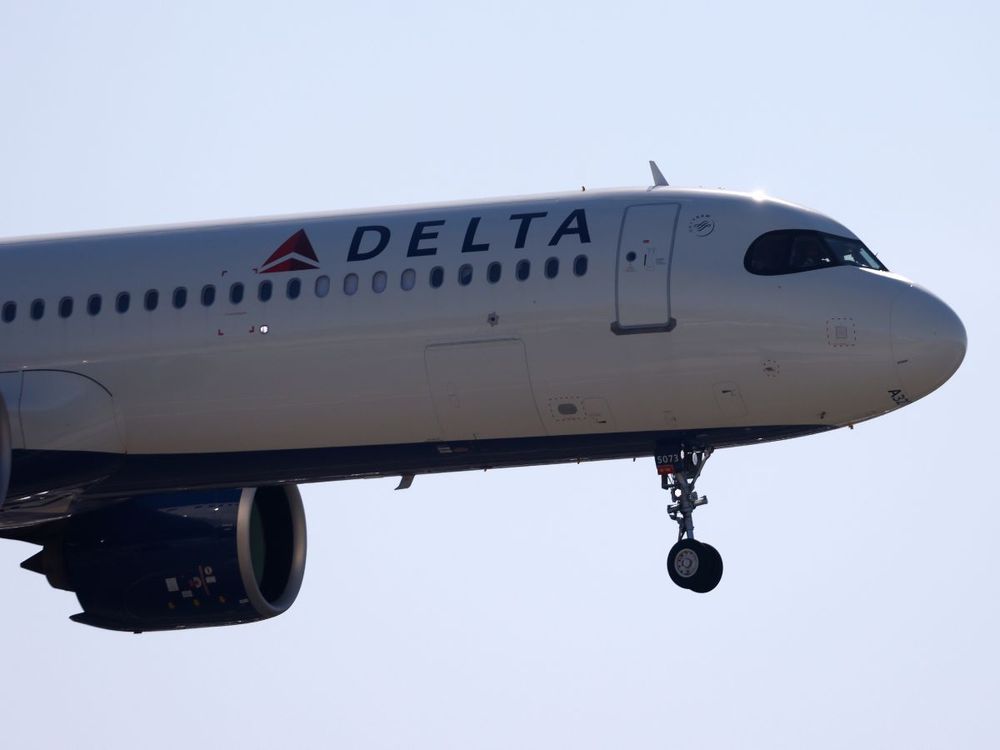
Wall Street Bullish on Delta Air Lines Outlook

- Analyst Ratings Optimistic: According to Koyfin data, 25 out of 26 analysts covering Delta Air Lines (DAL) have rated it a 'Buy' or higher, indicating strong market confidence in its robust fundamentals.
- Strong Earnings Expectations: Delta is set to report its second-quarter earnings, with consensus estimates projecting revenue of $18.85 billion, reflecting over 13% year-over-year growth, and adjusted earnings per share (EPS) expected at $1.50, showcasing sustained demand momentum.
- New Fare Strategy Launched: Delta has introduced expanded basic fare options aimed at lowering prices for premium offerings by excluding certain perks, which is designed to attract more customers to experience its high-end services and enhance market competitiveness.
- Outstanding Stock Performance: Delta's shares have gained over 25% this year and more than 72% over the past 12 months, demonstrating strong investor confidence in its future growth potential.
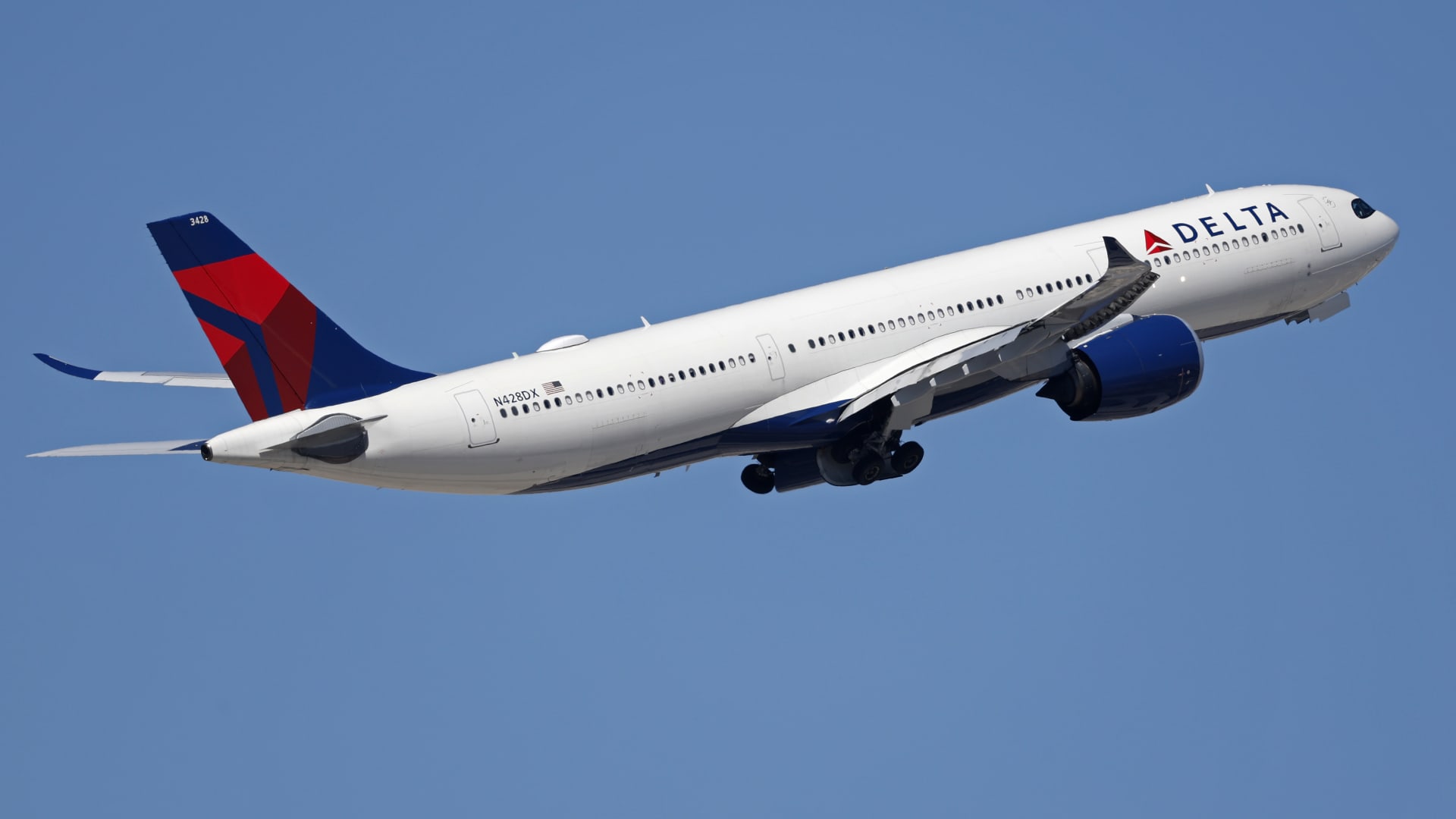
Delta Air Lines Set to Release Quarterly Earnings Amid Strong Stock Performance

- Delta Stock Surge: Delta Air Lines has seen a 31% increase in stock price over the past three months, despite a 7% drop from its July 2 high, indicating strong market optimism ahead of its quarterly earnings release, which could drive a rebound.
- Competitor Performance: In comparison, American Airlines has surged 50% in three months, while Southwest and JetBlue have risen 22% and 20% respectively, reflecting a broader recovery trend in the airline industry that may attract more investor interest.
- SK Hynix IPO: SK Hynix is set to debut on Nasdaq with shares priced at $149, expected to be a major component of the iShares MSCI South Korea ETF, highlighting ongoing market interest in the semiconductor sector, even as the ETF has declined 16% in the past three weeks.
- Energy Stocks Reach New Highs: Valero, Marathon Petroleum, and Phillips 66 have achieved new highs with respective gains of 5%, 6.4%, and 7.6% over the past four days, showcasing strong performance in the energy sector amid ongoing tensions in the Strait of Hormuz and the Russia-Ukraine conflict.

U.S. Stocks Close Higher Led by Chipmakers Amid Strong Investor Demand


- Chipmaker Rally: The U.S. stock market saw a boost as chipmakers surged, driven by SK Hynix's ADRs being oversubscribed by more than seven times, indicating strong investor demand and enhancing overall market sentiment.
- Optimistic Market Sentiment: Despite escalating tensions in the Middle East, stocks rose, reflecting investor confidence in robust Q2 earnings forecasts, which are expected to increase by 23%, close to Q1's impressive 30% growth.
- Strong Labor Market: Weekly initial unemployment claims unexpectedly fell to 215,000, indicating a resilient labor market that further supports the upward trend in stock prices amid economic uncertainties.
- Airline Stocks Benefit from Oil Price Drop: Airline and cruise line stocks rallied as WTI crude oil prices fell over 1%, showcasing the market's sensitivity to fluctuations in energy prices and their impact on operational costs.

SK Hynix to Debut on Nasdaq Amid AI Demand
- Historic Listing: SK Hynix is set to debut on Nasdaq, marking the largest American depository receipt offering in market history, reflecting strong confidence in the demand for AI infrastructure.
- Strong Client Base: The company's clients include AI chip giants like Nvidia, Google, and Microsoft, underscoring its significant position in the rapidly growing AI market.
- Sales Growth Expectations: Taiwan Semiconductor Manufacturing Co. will report June sales, with expectations that AI chip demand remains robust, as evidenced by a 30% year-over-year sales increase in May.
- Airline Earnings Focus: Delta Air Lines is gearing up to release its second-quarter earnings before the market opens, with investors hoping that growth in its premium business will offset rising fuel costs and capacity cuts.
Earnings Preview: Delta Air Lines and MTY Food Group
- Earnings Announcement Preview: Delta Air Lines (DAL) and MTY Food Group (MTYFF) are set to release their earnings on Friday, with market participants keenly awaiting their performance, which is expected to have a short-term impact on stock prices.
- Market Reaction Expectations: Investors are approaching Delta Air Lines' earnings report with caution, considering the recovery trajectory of the airline industry and the potential impact of fluctuating fuel costs on profitability.
- MTY Food Group Outlook: The earnings report from MTY Food Group will provide insights into its market performance within the food sector, with analysts anticipating that revenue growth will be influenced by shifts in consumer demand.
- Overall Market Sentiment: The upcoming earnings releases will serve as critical market signals for investors, potentially affecting sentiment across the airline and food industries.

Wall Street Major Averages Inch Higher Amid Middle East Tensions
- Market Performance: On Thursday, the S&P 500 rose by 0.8%, the Nasdaq Composite increased by 0.3%, and the Dow Jones climbed by 1.3%, indicating investor optimism despite ongoing Middle East tensions.
- Oil Price Dynamics: Despite the U.S. striking Iran again, crude oil futures fell, with WTI at $72 per barrel and Brent at $76, reflecting a diminishing market reaction to geopolitical risks.
- Delta Air Lines Earnings Preview: Delta Air Lines is set to report earnings on Friday, with an EPS estimate of $1.50 and revenue forecasted at $18.85 billion, having experienced nine upward and six downward revisions in the past 90 days, highlighting significant market interest in its performance.
- BlackRock's New ETF Launch: BlackRock's iShares Nasdaq 100 ETF has reduced its expense ratio to 0.10%, making it more attractive compared to the Invesco NASDAQ 100 ETF, which is expected to positively impact sectors like technology, healthcare, and consumer discretionary.
Wall Street Bullish on Delta Air Lines Outlook
- Analyst Ratings Optimistic: According to Koyfin data, 25 out of 26 analysts covering Delta Air Lines (DAL) have rated it a 'Buy' or higher, indicating strong market confidence in its robust fundamentals.
- Strong Earnings Expectations: Delta is set to report its second-quarter earnings, with consensus estimates projecting revenue of $18.85 billion, reflecting over 13% year-over-year growth, and adjusted earnings per share (EPS) expected at $1.50, showcasing sustained demand momentum.
- New Fare Strategy Launched: Delta has introduced expanded basic fare options aimed at lowering prices for premium offerings by excluding certain perks, which is designed to attract more customers to experience its high-end services and enhance market competitiveness.
- Outstanding Stock Performance: Delta's shares have gained over 25% this year and more than 72% over the past 12 months, demonstrating strong investor confidence in its future growth potential.
Delta Air Lines Set to Release Quarterly Earnings Amid Strong Stock Performance
- Delta Stock Surge: Delta Air Lines has seen a 31% increase in stock price over the past three months, despite a 7% drop from its July 2 high, indicating strong market optimism ahead of its quarterly earnings release, which could drive a rebound.
- Competitor Performance: In comparison, American Airlines has surged 50% in three months, while Southwest and JetBlue have risen 22% and 20% respectively, reflecting a broader recovery trend in the airline industry that may attract more investor interest.
- SK Hynix IPO: SK Hynix is set to debut on Nasdaq with shares priced at $149, expected to be a major component of the iShares MSCI South Korea ETF, highlighting ongoing market interest in the semiconductor sector, even as the ETF has declined 16% in the past three weeks.
- Energy Stocks Reach New Highs: Valero, Marathon Petroleum, and Phillips 66 have achieved new highs with respective gains of 5%, 6.4%, and 7.6% over the past four days, showcasing strong performance in the energy sector amid ongoing tensions in the Strait of Hormuz and the Russia-Ukraine conflict.
U.S. Stocks Close Higher Led by Chipmakers Amid Strong Investor Demand
- Chipmaker Rally: The U.S. stock market saw a boost as chipmakers surged, driven by SK Hynix's ADRs being oversubscribed by more than seven times, indicating strong investor demand and enhancing overall market sentiment.
- Optimistic Market Sentiment: Despite escalating tensions in the Middle East, stocks rose, reflecting investor confidence in robust Q2 earnings forecasts, which are expected to increase by 23%, close to Q1's impressive 30% growth.
- Strong Labor Market: Weekly initial unemployment claims unexpectedly fell to 215,000, indicating a resilient labor market that further supports the upward trend in stock prices amid economic uncertainties.
- Airline Stocks Benefit from Oil Price Drop: Airline and cruise line stocks rallied as WTI crude oil prices fell over 1%, showcasing the market's sensitivity to fluctuations in energy prices and their impact on operational costs.
SK Hynix to Debut on Nasdaq Amid AI Demand
- Historic Listing: SK Hynix is set to debut on Nasdaq, marking the largest American depository receipt offering in market history, reflecting strong confidence in the demand for AI infrastructure.
- Strong Client Base: The company's clients include AI chip giants like Nvidia, Google, and Microsoft, underscoring its significant position in the rapidly growing AI market.
- Sales Growth Expectations: Taiwan Semiconductor Manufacturing Co. will report June sales, with expectations that AI chip demand remains robust, as evidenced by a 30% year-over-year sales increase in May.
- Airline Earnings Focus: Delta Air Lines is gearing up to release its second-quarter earnings before the market opens, with investors hoping that growth in its premium business will offset rising fuel costs and capacity cuts.
Earnings Preview: Delta Air Lines and MTY Food Group
- Earnings Announcement Preview: Delta Air Lines (DAL) and MTY Food Group (MTYFF) are set to release their earnings on Friday, with market participants keenly awaiting their performance, which is expected to have a short-term impact on stock prices.
- Market Reaction Expectations: Investors are approaching Delta Air Lines' earnings report with caution, considering the recovery trajectory of the airline industry and the potential impact of fluctuating fuel costs on profitability.
- MTY Food Group Outlook: The earnings report from MTY Food Group will provide insights into its market performance within the food sector, with analysts anticipating that revenue growth will be influenced by shifts in consumer demand.
- Overall Market Sentiment: The upcoming earnings releases will serve as critical market signals for investors, potentially affecting sentiment across the airline and food industries.
Wall Street Major Averages Inch Higher Amid Middle East Tensions
- Market Performance: On Thursday, the S&P 500 rose by 0.8%, the Nasdaq Composite increased by 0.3%, and the Dow Jones climbed by 1.3%, indicating investor optimism despite ongoing Middle East tensions.
- Oil Price Dynamics: Despite the U.S. striking Iran again, crude oil futures fell, with WTI at $72 per barrel and Brent at $76, reflecting a diminishing market reaction to geopolitical risks.
- Delta Air Lines Earnings Preview: Delta Air Lines is set to report earnings on Friday, with an EPS estimate of $1.50 and revenue forecasted at $18.85 billion, having experienced nine upward and six downward revisions in the past 90 days, highlighting significant market interest in its performance.
- BlackRock's New ETF Launch: BlackRock's iShares Nasdaq 100 ETF has reduced its expense ratio to 0.10%, making it more attractive compared to the Invesco NASDAQ 100 ETF, which is expected to positively impact sectors like technology, healthcare, and consumer discretionary.