

Deere Faces Financial Strain Amid Repair Cost Concerns
Deere & Co's stock has fallen 5% as it hits a 5-day low, reflecting investor concerns about ongoing financial strains faced by U.S. farmers despite a recent $99 million settlement.
Farmers are grappling with rising repair costs and limited access to independent service options, which continue to impose significant financial burdens. Additionally, Deere has been accused of monopolizing repairs by restricting access to necessary software tools, leading to estimated excess repair charges of up to $387 million. The National Farmers Union has expressed skepticism about Deere's commitment to expanding software access, indicating a lack of trust in the company's promises amid ongoing legal challenges from the Federal Trade Commission.
These challenges highlight the competitive pressures Deere faces in the market, and investors are advised to monitor the company's response to these issues as they could impact future performance.
Trade with 70% Backtested Accuracy
Analyst Views on DE

About DE
About the author


Corporate Sponsorship Behind Trump's Freedom 250 Celebrations

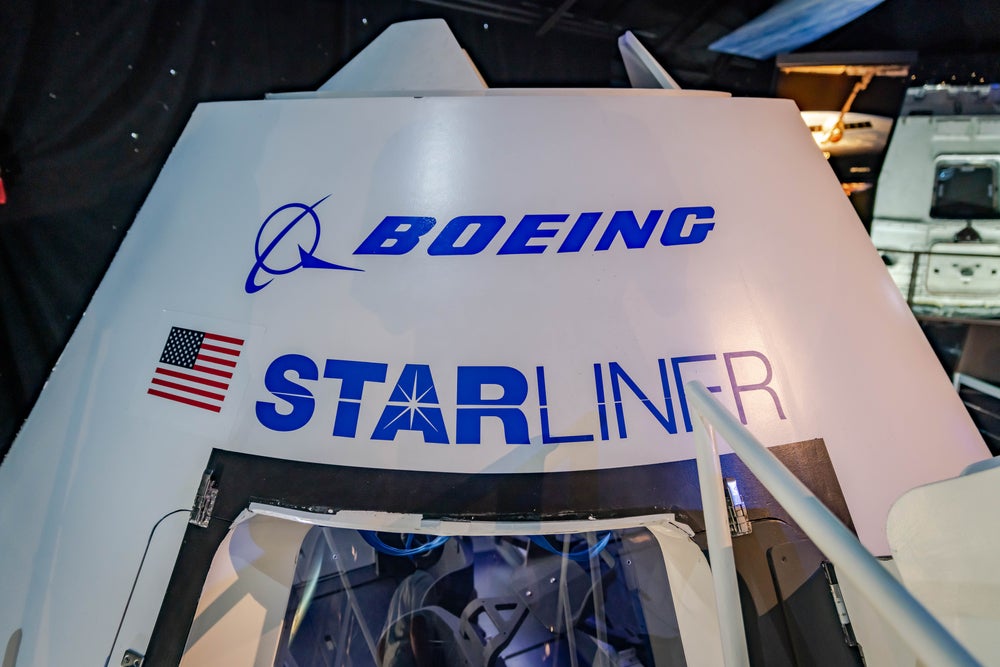
- Corporate Sponsorship Phenomenon: A CNBC analysis reveals that 14 companies, including Boeing, Deloitte, and United Airlines, are backing both America250 and Freedom 250, indicating a complex intersection of corporate interests and politics that may influence their dealings with the government.
- Funding Transparency Issues: The sponsorship structure of Freedom 250 has been criticized for its opacity, allowing donors to gain access to Trump through contributions as high as $10 million, raising concerns about corporations seeking political influence.
- Celebration Participation Status: Despite Congress allocating $150 million for the 250th anniversary, America250 has only received $25 million, while Freedom 250 has secured nearly $80 million in funding, highlighting the financial advantage of Trump-aligned events.
- Event Organization Challenges: The Great American State Fair has faced poor participation, with at least eight states declining to join due to exhibit costs and partisan concerns, resulting in sparse crowds and equipment failures during the event.
Corporate Sponsorship of Freedom 250 Raises Concerns


- Corporate Sponsorship: Major companies like Boeing, Lockheed Martin, and Oracle are sponsoring Freedom 250, and while no direct evidence links these sponsorships to government dealings, watchdogs warn this could create new avenues for corporate influence in Washington.
- Opaque Funding Structure: Freedom 250's fundraising materials indicate that donors contributing over $500,000 gain VIP access to Trump, raising ethical concerns about the transparency of funding and potential impacts on government decision-making.
- Celebration Participation: Despite Congress allocating $150 million for the 250th anniversary, Freedom 250 has secured nearly $80 million in related grants, while America250 has only received $25 million, indicating a preference among companies for Trump's version of the celebration.
- Event Issues: The Great American State Fair, a centerpiece of Freedom 250, has faced reduced state participation, sparse crowds, and technical failures, with some artists withdrawing due to concerns over the partisan nature of the event, highlighting organizational challenges.

Dow Hits All-Time High as Honeywell Shares Surge Post Coverage Initiation


- Dow Jones Record High: On Thursday, the Dow Jones reached an all-time high as investors absorbed June's weaker-than-expected non-farm payrolls report, indicating a significant slowdown in U.S. job creation, which supports the Federal Reserve's potential rate cuts that could stimulate economic growth.
- Honeywell Stock Surge: Honeywell Aerospace shares rose over 4% after BMO initiated coverage with a buy rating and a $276 price target; Jim Cramer expressed willingness to buy more at around $233, viewing it as an inexpensive way to invest in the booming travel sector, indicating strong future demand.
- Linde Investment Focus: Jim advised investors to focus on Linde, which saw over a 2% increase on Thursday; he noted that despite the industrial sector not being a favorite, Linde benefits from long-term trends like AI and green energy, positioning it as a

Best Time to Buy Dividend Stocks is Summer
- Strong Market Performance: According to a 2024 report from Carson Group, the S&P 500 has averaged a 2.3% increase in July over the past 20 years, indicating that summer is the best time for investors to seek dividend deals, likely driving market gains.
- Opportunities Post-Midterms: A study by RBC Wealth Management shows that since 1932, the year following midterm elections has been the strongest in the four-year presidential cycle, with the S&P 500 rising an average of 14%, providing a favorable short-term investment outlook.
- ITW's Dividend Appeal: Illinois Tool Works (ITW) reported a 60 basis point increase in operating margins to 25.4% in Q1, with revenue up 5% and EPS rising 12%, while management raised full-year guidance to $11.10 to $11.50 per share, reflecting strong financial performance.
- Deere's Agricultural Recovery Potential: Deere & Co. (DE) forecasts a 20% sales increase in its construction equipment segment by 2026, and despite challenges in its agricultural business, rising corn and wheat prices provide support for future growth, with a low payout ratio allowing for strong dividend growth.
Agricultural Equipment Makers Approach New Upcycle Amid Market Pressures

- Market Cycle Outlook: UBS analyst Steven Fisher highlights that agricultural equipment manufacturers may be approaching a new growth cycle despite near-term pressures in the grain markets due to improving U.S. weather, as rising crop prices and stronger farm profitability are expected to support equipment demand.
- Crop Price Volatility: Recent declines in corn and soybean prices, driven by rain forecasts in the U.S. Corn Belt, could negatively impact farmer sentiment, leading to delayed machinery purchases and creating short-term pressures on equipment manufacturers, according to Fisher.
- Long-Term Market Factors: UBS believes that while short-term uncertainties regarding weather and fertilizer availability may affect crop yields, long-term factors such as rising energy market demand and China's commitment to U.S. agricultural products will help support farm incomes and equipment demand.
- Investor Focus: Although current market turbulence may lead to subdued machinery orders, a rebound in crop prices could improve farmer confidence and trigger renewed investment in agricultural equipment, signaling potential recovery prospects for investors to watch.

Deere & Company Shares Snap Seven-Day Gain
- Stock Pullback: Deere & Company shares closed 1.4% lower at $583.44 on Friday after a seven-day rally, indicating short-term market volatility following a strong performance.
- Strong Growth: The stock gained approximately 11.8% over the previous seven sessions and is up 1.3% over the past month, reflecting sustained demand in the agriculture and construction sectors.
- Analyst Ratings: According to Seeking Alpha's Quant Rating, DE holds a score of 3.20 with a Hold rating, achieving an A+ for profitability but receiving D- and D+ for valuation and growth, indicating cautious market sentiment regarding future growth.
- Sales Growth Outlook: Analysts anticipate 15-20% sales growth in key segments for Deere, while management prioritizes share repurchases and debt reduction to enhance financial health.
Corporate Sponsorship Behind Trump's Freedom 250 Celebrations
- Corporate Sponsorship Phenomenon: A CNBC analysis reveals that 14 companies, including Boeing, Deloitte, and United Airlines, are backing both America250 and Freedom 250, indicating a complex intersection of corporate interests and politics that may influence their dealings with the government.
- Funding Transparency Issues: The sponsorship structure of Freedom 250 has been criticized for its opacity, allowing donors to gain access to Trump through contributions as high as $10 million, raising concerns about corporations seeking political influence.
- Celebration Participation Status: Despite Congress allocating $150 million for the 250th anniversary, America250 has only received $25 million, while Freedom 250 has secured nearly $80 million in funding, highlighting the financial advantage of Trump-aligned events.
- Event Organization Challenges: The Great American State Fair has faced poor participation, with at least eight states declining to join due to exhibit costs and partisan concerns, resulting in sparse crowds and equipment failures during the event.
Corporate Sponsorship of Freedom 250 Raises Concerns
- Corporate Sponsorship: Major companies like Boeing, Lockheed Martin, and Oracle are sponsoring Freedom 250, and while no direct evidence links these sponsorships to government dealings, watchdogs warn this could create new avenues for corporate influence in Washington.
- Opaque Funding Structure: Freedom 250's fundraising materials indicate that donors contributing over $500,000 gain VIP access to Trump, raising ethical concerns about the transparency of funding and potential impacts on government decision-making.
- Celebration Participation: Despite Congress allocating $150 million for the 250th anniversary, Freedom 250 has secured nearly $80 million in related grants, while America250 has only received $25 million, indicating a preference among companies for Trump's version of the celebration.
- Event Issues: The Great American State Fair, a centerpiece of Freedom 250, has faced reduced state participation, sparse crowds, and technical failures, with some artists withdrawing due to concerns over the partisan nature of the event, highlighting organizational challenges.
Dow Hits All-Time High as Honeywell Shares Surge Post Coverage Initiation
- Dow Jones Record High: On Thursday, the Dow Jones reached an all-time high as investors absorbed June's weaker-than-expected non-farm payrolls report, indicating a significant slowdown in U.S. job creation, which supports the Federal Reserve's potential rate cuts that could stimulate economic growth.
- Honeywell Stock Surge: Honeywell Aerospace shares rose over 4% after BMO initiated coverage with a buy rating and a $276 price target; Jim Cramer expressed willingness to buy more at around $233, viewing it as an inexpensive way to invest in the booming travel sector, indicating strong future demand.
- Linde Investment Focus: Jim advised investors to focus on Linde, which saw over a 2% increase on Thursday; he noted that despite the industrial sector not being a favorite, Linde benefits from long-term trends like AI and green energy, positioning it as a
Best Time to Buy Dividend Stocks is Summer
- Strong Market Performance: According to a 2024 report from Carson Group, the S&P 500 has averaged a 2.3% increase in July over the past 20 years, indicating that summer is the best time for investors to seek dividend deals, likely driving market gains.
- Opportunities Post-Midterms: A study by RBC Wealth Management shows that since 1932, the year following midterm elections has been the strongest in the four-year presidential cycle, with the S&P 500 rising an average of 14%, providing a favorable short-term investment outlook.
- ITW's Dividend Appeal: Illinois Tool Works (ITW) reported a 60 basis point increase in operating margins to 25.4% in Q1, with revenue up 5% and EPS rising 12%, while management raised full-year guidance to $11.10 to $11.50 per share, reflecting strong financial performance.
- Deere's Agricultural Recovery Potential: Deere & Co. (DE) forecasts a 20% sales increase in its construction equipment segment by 2026, and despite challenges in its agricultural business, rising corn and wheat prices provide support for future growth, with a low payout ratio allowing for strong dividend growth.
Agricultural Equipment Makers Approach New Upcycle Amid Market Pressures
- Market Cycle Outlook: UBS analyst Steven Fisher highlights that agricultural equipment manufacturers may be approaching a new growth cycle despite near-term pressures in the grain markets due to improving U.S. weather, as rising crop prices and stronger farm profitability are expected to support equipment demand.
- Crop Price Volatility: Recent declines in corn and soybean prices, driven by rain forecasts in the U.S. Corn Belt, could negatively impact farmer sentiment, leading to delayed machinery purchases and creating short-term pressures on equipment manufacturers, according to Fisher.
- Long-Term Market Factors: UBS believes that while short-term uncertainties regarding weather and fertilizer availability may affect crop yields, long-term factors such as rising energy market demand and China's commitment to U.S. agricultural products will help support farm incomes and equipment demand.
- Investor Focus: Although current market turbulence may lead to subdued machinery orders, a rebound in crop prices could improve farmer confidence and trigger renewed investment in agricultural equipment, signaling potential recovery prospects for investors to watch.
Deere & Company Shares Snap Seven-Day Gain
- Stock Pullback: Deere & Company shares closed 1.4% lower at $583.44 on Friday after a seven-day rally, indicating short-term market volatility following a strong performance.
- Strong Growth: The stock gained approximately 11.8% over the previous seven sessions and is up 1.3% over the past month, reflecting sustained demand in the agriculture and construction sectors.
- Analyst Ratings: According to Seeking Alpha's Quant Rating, DE holds a score of 3.20 with a Hold rating, achieving an A+ for profitability but receiving D- and D+ for valuation and growth, indicating cautious market sentiment regarding future growth.
- Sales Growth Outlook: Analysts anticipate 15-20% sales growth in key segments for Deere, while management prioritizes share repurchases and debt reduction to enhance financial health.





