Charter Communications Downgraded Amid Competitive Concerns

Charter Communications Inc (CHTR) saw a significant decline of 5.01% as it crossed below its 5-day SMA, reflecting investor concerns following a downgrade by Wells Fargo.
The downgrade from Equal Weight to Underweight, with a price target cut from $240 to $180, highlights intensified competition in the broadband market. Wells Fargo noted that fiber and fixed wireless services are expected to continue capturing market share from cable providers, which poses growth challenges for Charter. Additionally, UBS has also cut its price target, indicating a forecasted revenue drop and ongoing competitive pressures.
This downgrade raises questions about Charter's ability to maintain its market position amid increasing competition. Investors will be closely monitoring the company's subscriber growth and cash flow outlook as it navigates these challenges.
Trade with 70% Backtested Accuracy
Analyst Views on CHTR

About CHTR
About the author


Regional Sports Networks Face Shutdown Crisis

- Regional Sports Network Crisis: Main Street Sports' regional networks for MLB, NBA, and NHL are nearing shutdown due to ongoing cord-cutting, jeopardizing the future of local sports broadcasts even as live sports continue to attract high TV ratings.
- MLB Takes Over Distribution: As the 2026 MLB season begins, MLB announced it would take over media distribution for 14 teams, a direct response to the impending wind-down of Main Street Sports, highlighting the rapid decline of traditional sports network models.
- Financial Struggles Intensify: Main Street Sports emerged from bankruptcy protection in late 2024 but faced another liquidity crunch when MLB rights payments were due, despite previously touting subscriber growth as recently as last spring.
- Industry Transformation Challenges: With the collapse of the RSN model, many teams are shifting to direct-to-consumer streaming apps, which are costly for fans, and advertising revenue is insufficient to support MLB, indicating significant structural challenges for the industry.
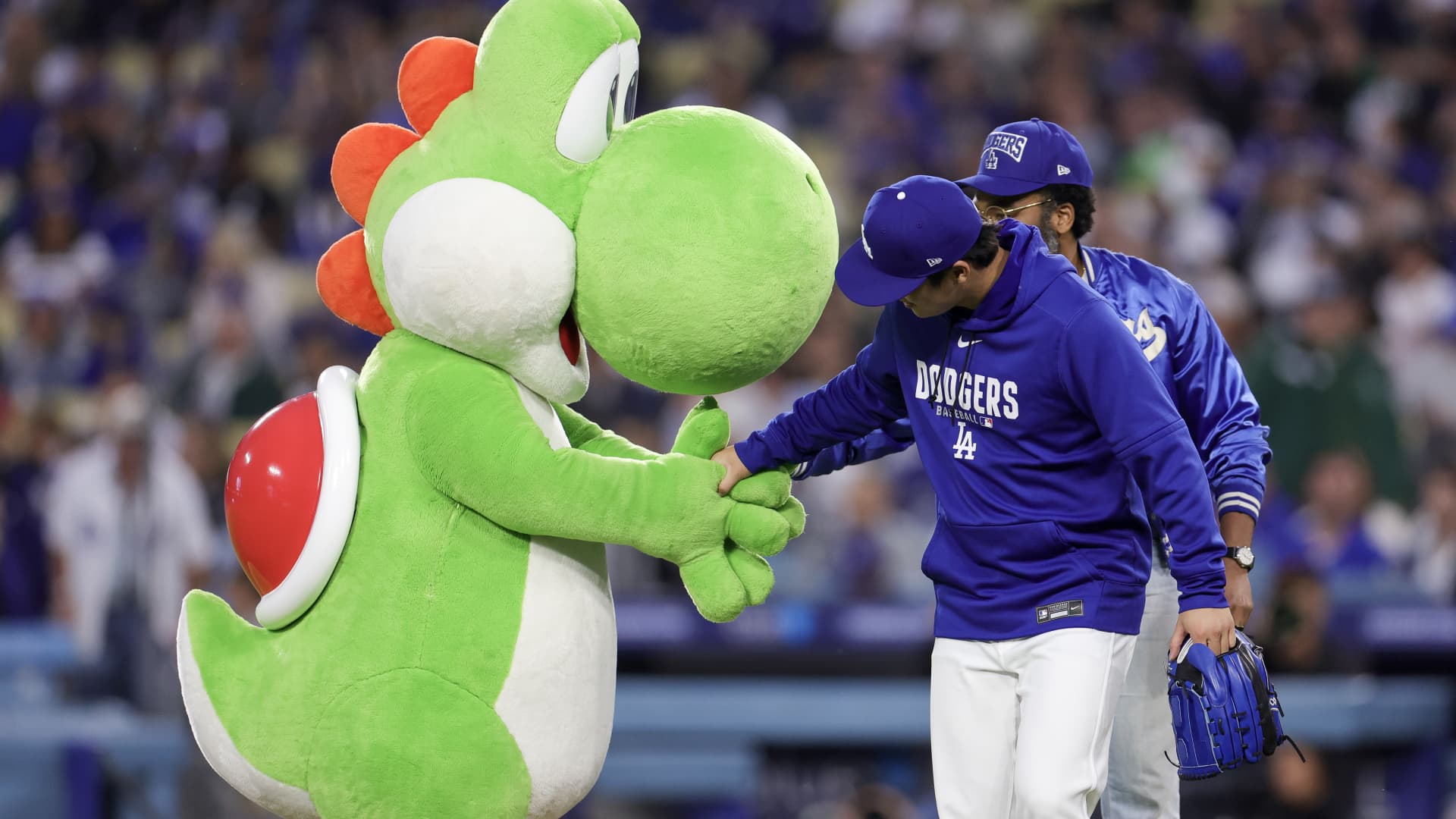
Regional Sports Networks Face Shutdown Crisis
- Decline of Regional Sports Networks: Regional Sports Networks (RSNs) are under unprecedented pressure as consumers shift to streaming, leading to a rapid decline in their business model, which jeopardizes local broadcasts of baseball, basketball, and hockey.
- MLB Takes Over Media Distribution: As the 2026 MLB season commenced, the league announced it would take over media distribution for 14 teams, largely due to the gradual wind-down of Main Street Sports, which has undergone multiple ownership changes since its bankruptcy in 2019.
- Main Street Sports' Struggles: Although Main Street Sports emerged from bankruptcy protection at the end of 2024, it faced another liquidity crisis when MLB rights payments were due, casting uncertainty over the future of its 15 channels.
- Challenges for Independent RSNs: Even independent RSNs airing games for major market teams are experiencing similar financial pressures, as evidenced by MSG Networks' debt restructuring and a two-month blackout, highlighting the industry's overall fragility.
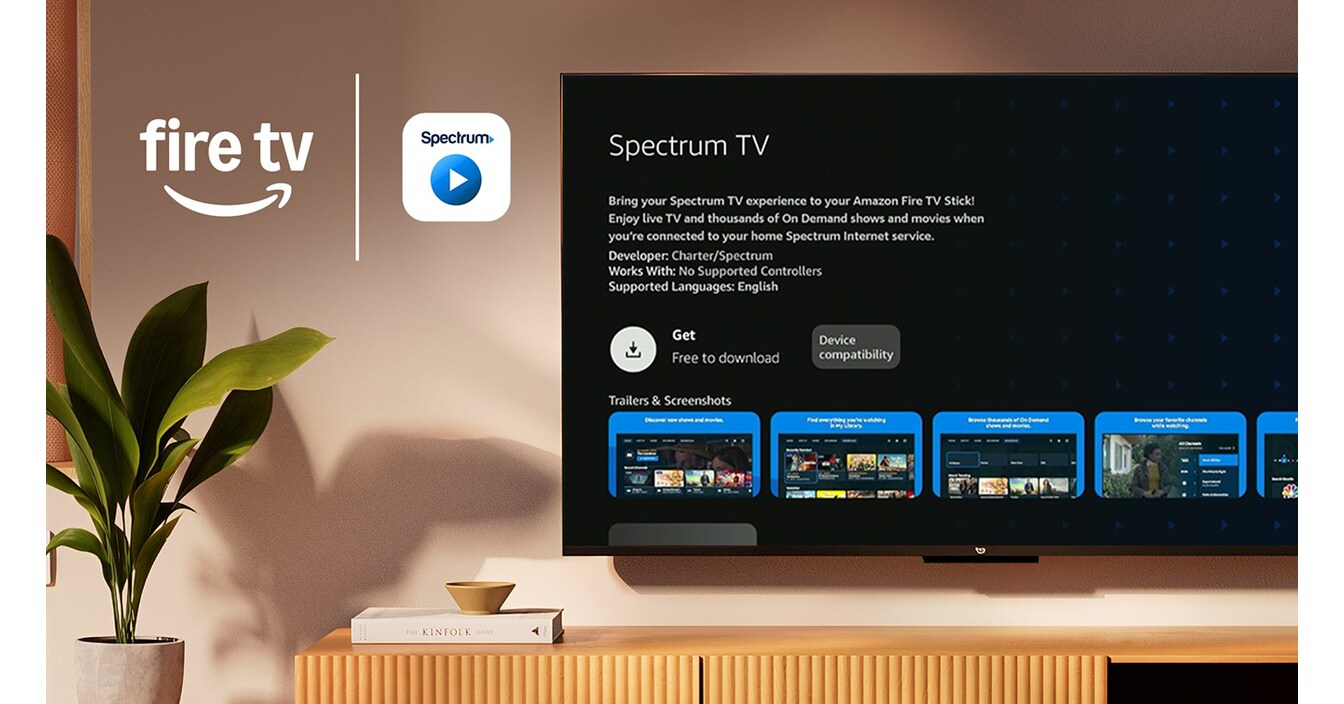
Spectrum TV App Launching on Amazon Fire TV Devices
- Launch Date: The Spectrum TV App is set to launch on Amazon Fire TV devices on April 15, 2026, expanding the availability of the industry-leading streaming app and providing users with more flexibility to watch live TV.
- User Experience Enhancement: As the most-viewed streaming service in the U.S. on an hours-per-household basis and the highest-rated pay TV streaming app, the launch is expected to further enhance user satisfaction and viewing experience.
- Device Compatibility: The app will be available on Amazon Fire TV devices running Fire OS 6+ or Vega OS, including models like Fire TV 4K Select and Fire TV Omni QLED Series, ensuring seamless access to Spectrum TV services across various smart devices.
- Strategic Market Implications: This partnership with Amazon Fire TV not only enhances Spectrum's market reach but also demonstrates its competitiveness in the streaming sector, further solidifying its position as a leading broadband connectivity company.
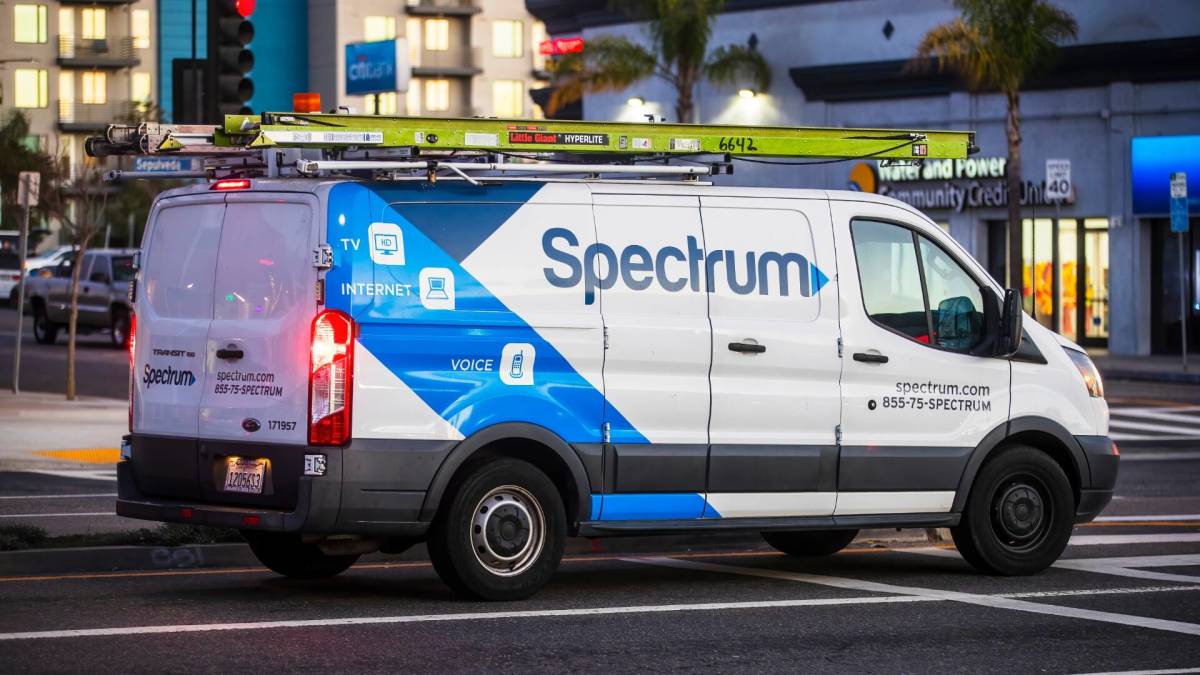
Spectrum Faces Customer Losses and Workforce Cuts Amid Price Hikes
- Customer Losses Intensify: According to its latest earnings report, Spectrum lost approximately 284,000 cable TV customers and 403,000 internet customers in 2025, with a year-over-year revenue decline of 0.6%, highlighting the severe challenges the company faces amid price hikes and increased competition.
- Risk of Price Increases: In July, Spectrum raised monthly rates by $2 on some older internet plans and by $5 on its Spectrum Select TV packages, a risky move that exacerbated customer losses, particularly against the backdrop of a nationwide cord-cutting trend.
- Layoffs and Restructuring: A WARN notice filed by Charter Communications on March 18 revealed the closure of Spectrum's call center in Appleton, Wisconsin, resulting in 313 job losses, reflecting the difficult personnel adjustments the company is making under pressure from customer attrition.
- AI Investment and Future Layoffs: Charter is significantly investing in artificial intelligence to enhance customer experience and has partnered with Amazon Web Services, with expectations of further layoffs following the completion of its $34.5 billion acquisition of Cox Communications to adapt to market changes and improve operational efficiency.
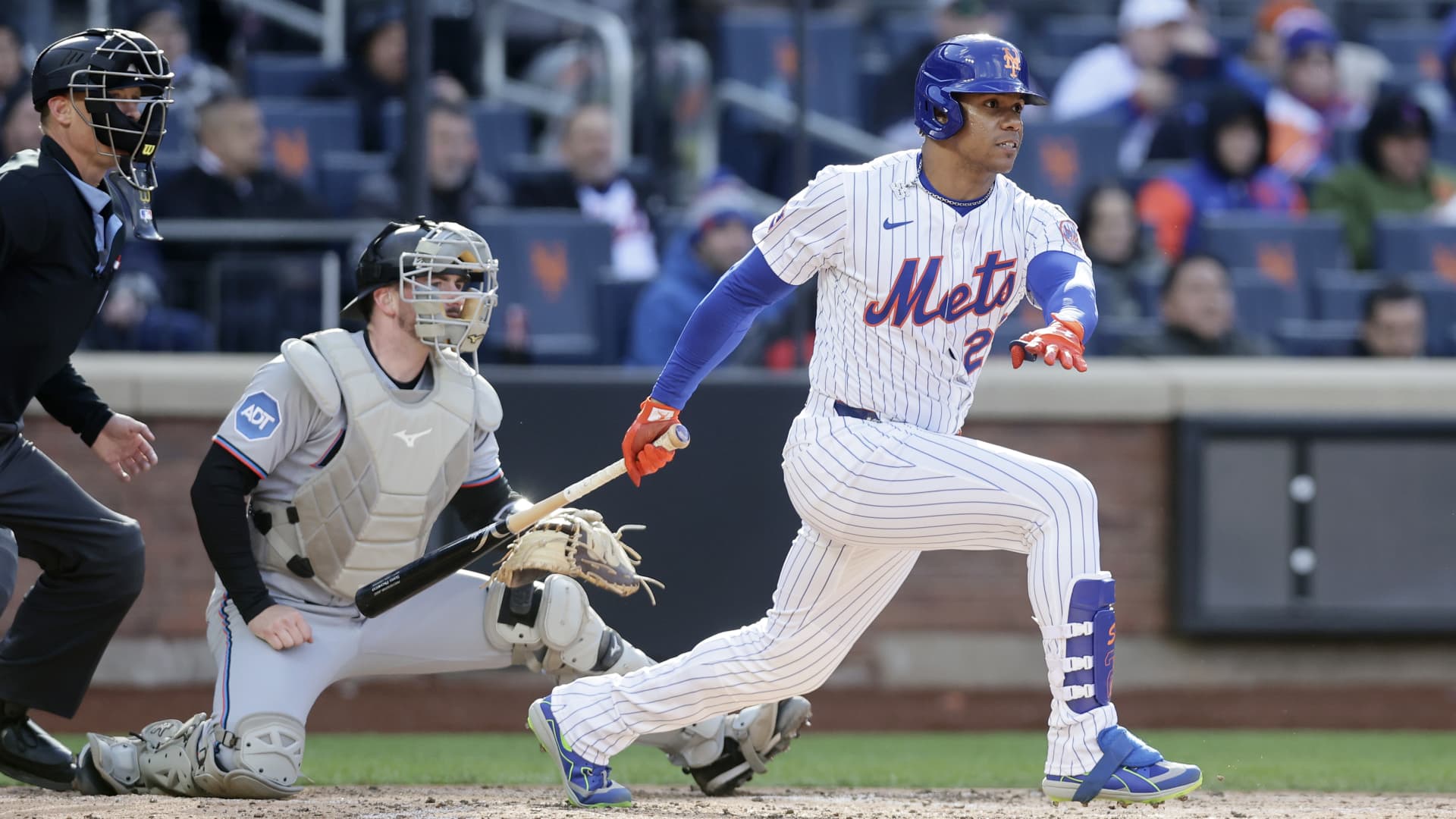
MLB Season on the Brink of Major Changes

- CBA Expiration: As the current MLB season concludes, the collective bargaining agreement with players will expire, with owners likely pushing for a salary cap, which could lead to a lockout and alter player negotiations significantly.
- Media Rights Shift: One-third of MLB teams secured local TV deals only this week, with nine teams announcing their new MLB-operated channels will be carried by DirecTV, indicating a major shift in the league's media rights landscape.
- Team Valuation Increase: According to CNBC Sport, MLB team valuations rose by 13% from last year, with the average team now valued at $2.95 billion, although profitability remains lower compared to the NFL, NBA, and NHL.
- Potential Impact of New CBA: The upcoming collective bargaining agreement could mark a significant step towards transforming MLB, as the league must ensure that negotiations do not disrupt the current positive momentum in viewership and revenue growth.

MLB Opening Day Signals Potential Major Changes Ahead
- CBA Expiration: With the collective bargaining agreement expiring at the end of this season, MLB faces potential lockout risks as owners, backed by the commissioner, are likely to push for a salary cap, which could escalate tensions within the league and impact player negotiations.
- Media Rights Shift: One-third of MLB teams secured local TV deals only this week, with nine teams announcing new MLB-operated channels on DirecTV, a change that not only resolves previous payment issues but also enhances MLB's bargaining power in future media negotiations.
- Team Valuation Increase: According to CNBC, MLB team valuations rose by 13% year-over-year, with the average team now valued at $2.95 billion; however, the league's profitability remains significantly lower than that of the NFL, NBA, and NHL, indicating potential risks in its business model.
- Strategic Importance of New Agreement: The new collective bargaining agreement could be a pivotal step towards transforming MLB, as the league must ensure that negotiations do not jeopardize the current positive momentum, particularly in light of shorter game times and rising attendance following the implementation of the pitch clock in 2023.
Regional Sports Networks Face Shutdown Crisis
- Regional Sports Network Crisis: Main Street Sports' regional networks for MLB, NBA, and NHL are nearing shutdown due to ongoing cord-cutting, jeopardizing the future of local sports broadcasts even as live sports continue to attract high TV ratings.
- MLB Takes Over Distribution: As the 2026 MLB season begins, MLB announced it would take over media distribution for 14 teams, a direct response to the impending wind-down of Main Street Sports, highlighting the rapid decline of traditional sports network models.
- Financial Struggles Intensify: Main Street Sports emerged from bankruptcy protection in late 2024 but faced another liquidity crunch when MLB rights payments were due, despite previously touting subscriber growth as recently as last spring.
- Industry Transformation Challenges: With the collapse of the RSN model, many teams are shifting to direct-to-consumer streaming apps, which are costly for fans, and advertising revenue is insufficient to support MLB, indicating significant structural challenges for the industry.
Regional Sports Networks Face Shutdown Crisis
- Decline of Regional Sports Networks: Regional Sports Networks (RSNs) are under unprecedented pressure as consumers shift to streaming, leading to a rapid decline in their business model, which jeopardizes local broadcasts of baseball, basketball, and hockey.
- MLB Takes Over Media Distribution: As the 2026 MLB season commenced, the league announced it would take over media distribution for 14 teams, largely due to the gradual wind-down of Main Street Sports, which has undergone multiple ownership changes since its bankruptcy in 2019.
- Main Street Sports' Struggles: Although Main Street Sports emerged from bankruptcy protection at the end of 2024, it faced another liquidity crisis when MLB rights payments were due, casting uncertainty over the future of its 15 channels.
- Challenges for Independent RSNs: Even independent RSNs airing games for major market teams are experiencing similar financial pressures, as evidenced by MSG Networks' debt restructuring and a two-month blackout, highlighting the industry's overall fragility.
Spectrum TV App Launching on Amazon Fire TV Devices
- Launch Date: The Spectrum TV App is set to launch on Amazon Fire TV devices on April 15, 2026, expanding the availability of the industry-leading streaming app and providing users with more flexibility to watch live TV.
- User Experience Enhancement: As the most-viewed streaming service in the U.S. on an hours-per-household basis and the highest-rated pay TV streaming app, the launch is expected to further enhance user satisfaction and viewing experience.
- Device Compatibility: The app will be available on Amazon Fire TV devices running Fire OS 6+ or Vega OS, including models like Fire TV 4K Select and Fire TV Omni QLED Series, ensuring seamless access to Spectrum TV services across various smart devices.
- Strategic Market Implications: This partnership with Amazon Fire TV not only enhances Spectrum's market reach but also demonstrates its competitiveness in the streaming sector, further solidifying its position as a leading broadband connectivity company.
Spectrum Faces Customer Losses and Workforce Cuts Amid Price Hikes
- Customer Losses Intensify: According to its latest earnings report, Spectrum lost approximately 284,000 cable TV customers and 403,000 internet customers in 2025, with a year-over-year revenue decline of 0.6%, highlighting the severe challenges the company faces amid price hikes and increased competition.
- Risk of Price Increases: In July, Spectrum raised monthly rates by $2 on some older internet plans and by $5 on its Spectrum Select TV packages, a risky move that exacerbated customer losses, particularly against the backdrop of a nationwide cord-cutting trend.
- Layoffs and Restructuring: A WARN notice filed by Charter Communications on March 18 revealed the closure of Spectrum's call center in Appleton, Wisconsin, resulting in 313 job losses, reflecting the difficult personnel adjustments the company is making under pressure from customer attrition.
- AI Investment and Future Layoffs: Charter is significantly investing in artificial intelligence to enhance customer experience and has partnered with Amazon Web Services, with expectations of further layoffs following the completion of its $34.5 billion acquisition of Cox Communications to adapt to market changes and improve operational efficiency.
MLB Season on the Brink of Major Changes
- CBA Expiration: As the current MLB season concludes, the collective bargaining agreement with players will expire, with owners likely pushing for a salary cap, which could lead to a lockout and alter player negotiations significantly.
- Media Rights Shift: One-third of MLB teams secured local TV deals only this week, with nine teams announcing their new MLB-operated channels will be carried by DirecTV, indicating a major shift in the league's media rights landscape.
- Team Valuation Increase: According to CNBC Sport, MLB team valuations rose by 13% from last year, with the average team now valued at $2.95 billion, although profitability remains lower compared to the NFL, NBA, and NHL.
- Potential Impact of New CBA: The upcoming collective bargaining agreement could mark a significant step towards transforming MLB, as the league must ensure that negotiations do not disrupt the current positive momentum in viewership and revenue growth.
MLB Opening Day Signals Potential Major Changes Ahead
- CBA Expiration: With the collective bargaining agreement expiring at the end of this season, MLB faces potential lockout risks as owners, backed by the commissioner, are likely to push for a salary cap, which could escalate tensions within the league and impact player negotiations.
- Media Rights Shift: One-third of MLB teams secured local TV deals only this week, with nine teams announcing new MLB-operated channels on DirecTV, a change that not only resolves previous payment issues but also enhances MLB's bargaining power in future media negotiations.
- Team Valuation Increase: According to CNBC, MLB team valuations rose by 13% year-over-year, with the average team now valued at $2.95 billion; however, the league's profitability remains significantly lower than that of the NFL, NBA, and NHL, indicating potential risks in its business model.
- Strategic Importance of New Agreement: The new collective bargaining agreement could be a pivotal step towards transforming MLB, as the league must ensure that negotiations do not jeopardize the current positive momentum, particularly in light of shorter game times and rising attendance following the implementation of the pitch clock in 2023.