Alphabet Inc experiences decline amid sector rotation
Alphabet Inc's stock price fell by 3.00%, hitting a 20-day low, as the broader market faced challenges with the Nasdaq-100 down 0.42% and the S&P 500 down 0.10%.
The decline in Alphabet's stock is attributed to sector rotation, as investors shifted their focus away from technology stocks amid broader market weakness. This shift comes despite Alphabet's ongoing investments in AI and data centers, which are expected to drive future growth. The company's commitment to enhancing its AI capabilities remains strong, but current market conditions have led to a reevaluation of tech stock valuations.
As Alphabet continues to navigate these market dynamics, its focus on innovation and strategic investments will be crucial in regaining investor confidence and stabilizing its stock performance.
Trade with 70% Backtested Accuracy
Analyst Views on GOOGL

About GOOGL
About the author

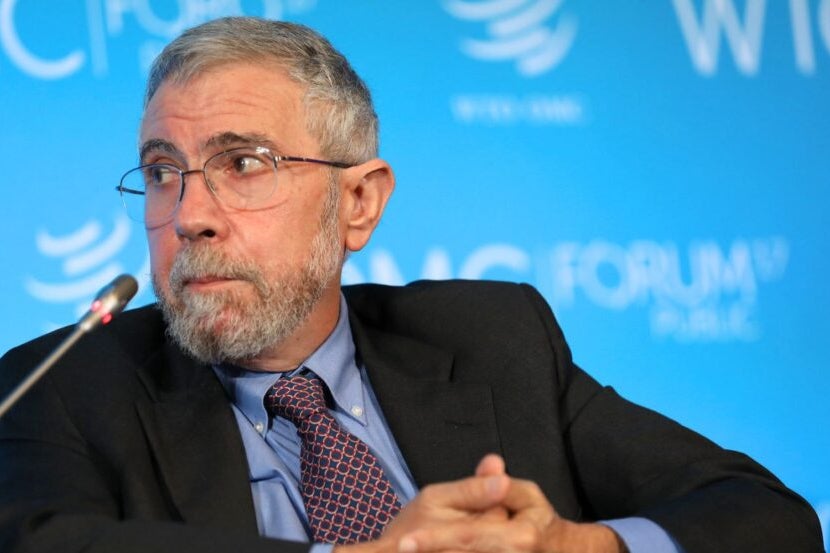
U.S.-Iran Deal: Economic Benefits Tied to Compliance

- Clear Conditions: Vice President Vance emphasized that Iran's economic benefits are contingent upon full compliance with the agreement, a stance aimed at countering criticisms that the Trump administration has made excessive concessions to Iran, reflecting a tough negotiating position from the U.S.
- Impact of Sanction Lifting: Vance noted that lifting sanctions does not represent a major concession since Iran has been selling oil despite sanctions, and this move is expected to enhance U.S. visibility into Iran's financial activities, thereby increasing strategic transparency for the U.S.
- Potential Middle East Relations: Vance stated that if Iran alters its behavior, it could lead to a transformative relationship with the Middle East, indicating the strategic significance of the agreement in reshaping regional geopolitics.
- Congressional Briefing Plans: Vance revealed that the Trump administration plans to provide a formal briefing to Congress soon, indicating confidence in executing the agreement, even suggesting that some sanctions could be temporarily lifted without congressional approval, showcasing the administration's assertive approach.

Qualcomm CEO Envisions Future of AI Devices

- Rise of AI Assistants: Qualcomm CEO Cristiano Amon stated that future AI assistants will integrate multiple applications to enhance user experience, potentially replacing traditional apps and driving a comprehensive transformation of smart devices.
- Potential of Smart Glasses: Amon is optimistic about the prospects of smart glasses, believing their market size could rival that of smartphones, which saw over 1.2 billion units shipped last year, indicating a significant market opportunity.
- Diverse AI Device Designs: Qualcomm is developing over 40 different AI devices, including jewelry, earbuds, and watches, all designed to revolve around AI assistants, aiming to provide a richer user interaction experience.
- Balancing Privacy and Functionality: As AI assistants become more prevalent, Amon emphasized that privacy concerns will be a critical challenge, with success hinging on finding the right balance between functionality and user privacy.
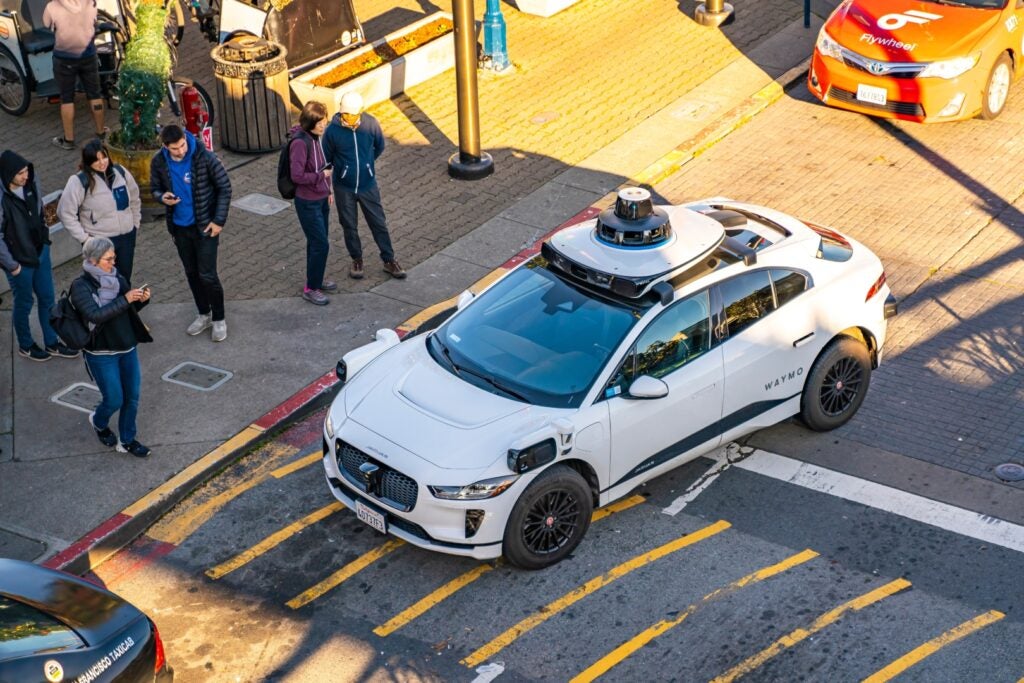
Qualcomm CEO Discusses New AI Agent Devices
- Rise of AI Agents: Qualcomm CEO Amon stated that AI agents will become the new apps, with over 40 different AI device designs in development, including earbuds, jewelry, and smart glasses, which are expected to transform user interaction with technology, enhancing user experience and market competitiveness.
- Potential of Smart Glasses: Amon is optimistic about smart glasses, believing their future market size could rival that of smartphones, which saw over 1.2 billion units shipped last year, indicating significant potential for smart glasses in the consumer electronics sector.
- Balancing Privacy and Functionality: As AI agents become more prevalent, user privacy concerns will be critical; Amon emphasized the need to manage privacy protection while providing convenience to ensure user trust and acceptance.
- Transformation of Device Ecosystem: Amon noted that future devices will revolve around AI agents, potentially challenging the market dominance of Apple and Samsung, driving a new wave of technological innovation and market competition.

Reliance Jio Plans $3.8 Billion IPO in Mumbai

- IPO Fundraising Target: Reliance Jio plans to list in Mumbai with a target of raising around 360 billion Indian rupees (approximately $3.8 billion), potentially marking one of the largest IPOs in India's history aimed at unlocking value across its telecom and AI businesses.
- Large User Base: As the world's second-largest telecom operator, Jio boasts approximately 500 million users and holds a 60% market share in India's data traffic, positioning it significantly within the rapidly expanding digital economy and attracting global investor interest.
- Strategic Investor Support: In 2020, Jio raised funds from marquee investors including Meta, Google, and Vista Equity Partners, diluting 33% of its stake, which underscores its appeal and potential in India's digital landscape.
- Optimistic Market Outlook: With the accelerating smartphone penetration among India's 1.4 billion population and the low internet costs, Jio's IPO is viewed as the most significant value creation milestone this year, expected to further drive the company's growth and market share.

SpaceX IPO Creates Billionaire Shareholders Amidst Market Fluctuations

- Founder Wealth Surge: Following SpaceX's historic IPO, founder and CEO Elon Musk's personal stake has soared above $1 trillion, underscoring his significant influence in the aerospace sector and market confidence.
- Shareholder Wealth Distribution: The IPO has minted several billion-dollar shareholders, with Valor Equity Partners holding a stake worth approximately $96.6 billion, reflecting strong investor confidence in SpaceX's future prospects.
- Market Performance Volatility: Although SpaceX shares rose 37% post-IPO and briefly surpassed Amazon and Microsoft in market cap, recent cooling sentiment has led to a decline, with the market cap settling at $2.43 trillion, indicating market uncertainty.
- Executive Stake Holdings: Among SpaceX executives, Gwynne Shotwell holds shares valued at $2.4 billion, while CFO Bret Johnsen's stake is worth $1.2 billion, demonstrating the management's confidence and commitment to the company's future growth.

SpaceX's Strong Public Debut Captivates Investors

- IPO Performance: SpaceX's stock surged 49% in its first three days as a public company, achieving a market cap of $2.64 trillion, nearly tying with Amazon, which reflects strong market appeal and investor confidence.
- Competition with Alphabet: Alphabet owns over 6% of SpaceX and pays $920 million monthly for AI compute capacity, highlighting a competitive yet symbiotic relationship; however, Alphabet's diversification and profitability make it a more attractive investment option.
- Future Growth Potential: SpaceX aims to deploy orbital AI compute satellites by 2028, targeting $1 trillion in revenue by 2031, which, despite significant upfront costs, could greatly enhance its market position and profitability if successful.
- Collaboration Opportunities with Nvidia: SpaceX's orbital data centers will require substantial Nvidia GPUs, positioning Nvidia as a key supplier, which could further solidify its leadership in the AI hardware market while providing SpaceX with robust technical support.
U.S.-Iran Deal: Economic Benefits Tied to Compliance
- Clear Conditions: Vice President Vance emphasized that Iran's economic benefits are contingent upon full compliance with the agreement, a stance aimed at countering criticisms that the Trump administration has made excessive concessions to Iran, reflecting a tough negotiating position from the U.S.
- Impact of Sanction Lifting: Vance noted that lifting sanctions does not represent a major concession since Iran has been selling oil despite sanctions, and this move is expected to enhance U.S. visibility into Iran's financial activities, thereby increasing strategic transparency for the U.S.
- Potential Middle East Relations: Vance stated that if Iran alters its behavior, it could lead to a transformative relationship with the Middle East, indicating the strategic significance of the agreement in reshaping regional geopolitics.
- Congressional Briefing Plans: Vance revealed that the Trump administration plans to provide a formal briefing to Congress soon, indicating confidence in executing the agreement, even suggesting that some sanctions could be temporarily lifted without congressional approval, showcasing the administration's assertive approach.
Qualcomm CEO Envisions Future of AI Devices
- Rise of AI Assistants: Qualcomm CEO Cristiano Amon stated that future AI assistants will integrate multiple applications to enhance user experience, potentially replacing traditional apps and driving a comprehensive transformation of smart devices.
- Potential of Smart Glasses: Amon is optimistic about the prospects of smart glasses, believing their market size could rival that of smartphones, which saw over 1.2 billion units shipped last year, indicating a significant market opportunity.
- Diverse AI Device Designs: Qualcomm is developing over 40 different AI devices, including jewelry, earbuds, and watches, all designed to revolve around AI assistants, aiming to provide a richer user interaction experience.
- Balancing Privacy and Functionality: As AI assistants become more prevalent, Amon emphasized that privacy concerns will be a critical challenge, with success hinging on finding the right balance between functionality and user privacy.
Qualcomm CEO Discusses New AI Agent Devices
- Rise of AI Agents: Qualcomm CEO Amon stated that AI agents will become the new apps, with over 40 different AI device designs in development, including earbuds, jewelry, and smart glasses, which are expected to transform user interaction with technology, enhancing user experience and market competitiveness.
- Potential of Smart Glasses: Amon is optimistic about smart glasses, believing their future market size could rival that of smartphones, which saw over 1.2 billion units shipped last year, indicating significant potential for smart glasses in the consumer electronics sector.
- Balancing Privacy and Functionality: As AI agents become more prevalent, user privacy concerns will be critical; Amon emphasized the need to manage privacy protection while providing convenience to ensure user trust and acceptance.
- Transformation of Device Ecosystem: Amon noted that future devices will revolve around AI agents, potentially challenging the market dominance of Apple and Samsung, driving a new wave of technological innovation and market competition.
Reliance Jio Plans $3.8 Billion IPO in Mumbai
- IPO Fundraising Target: Reliance Jio plans to list in Mumbai with a target of raising around 360 billion Indian rupees (approximately $3.8 billion), potentially marking one of the largest IPOs in India's history aimed at unlocking value across its telecom and AI businesses.
- Large User Base: As the world's second-largest telecom operator, Jio boasts approximately 500 million users and holds a 60% market share in India's data traffic, positioning it significantly within the rapidly expanding digital economy and attracting global investor interest.
- Strategic Investor Support: In 2020, Jio raised funds from marquee investors including Meta, Google, and Vista Equity Partners, diluting 33% of its stake, which underscores its appeal and potential in India's digital landscape.
- Optimistic Market Outlook: With the accelerating smartphone penetration among India's 1.4 billion population and the low internet costs, Jio's IPO is viewed as the most significant value creation milestone this year, expected to further drive the company's growth and market share.
SpaceX IPO Creates Billionaire Shareholders Amidst Market Fluctuations
- Founder Wealth Surge: Following SpaceX's historic IPO, founder and CEO Elon Musk's personal stake has soared above $1 trillion, underscoring his significant influence in the aerospace sector and market confidence.
- Shareholder Wealth Distribution: The IPO has minted several billion-dollar shareholders, with Valor Equity Partners holding a stake worth approximately $96.6 billion, reflecting strong investor confidence in SpaceX's future prospects.
- Market Performance Volatility: Although SpaceX shares rose 37% post-IPO and briefly surpassed Amazon and Microsoft in market cap, recent cooling sentiment has led to a decline, with the market cap settling at $2.43 trillion, indicating market uncertainty.
- Executive Stake Holdings: Among SpaceX executives, Gwynne Shotwell holds shares valued at $2.4 billion, while CFO Bret Johnsen's stake is worth $1.2 billion, demonstrating the management's confidence and commitment to the company's future growth.
SpaceX's Strong Public Debut Captivates Investors
- IPO Performance: SpaceX's stock surged 49% in its first three days as a public company, achieving a market cap of $2.64 trillion, nearly tying with Amazon, which reflects strong market appeal and investor confidence.
- Competition with Alphabet: Alphabet owns over 6% of SpaceX and pays $920 million monthly for AI compute capacity, highlighting a competitive yet symbiotic relationship; however, Alphabet's diversification and profitability make it a more attractive investment option.
- Future Growth Potential: SpaceX aims to deploy orbital AI compute satellites by 2028, targeting $1 trillion in revenue by 2031, which, despite significant upfront costs, could greatly enhance its market position and profitability if successful.
- Collaboration Opportunities with Nvidia: SpaceX's orbital data centers will require substantial Nvidia GPUs, positioning Nvidia as a key supplier, which could further solidify its leadership in the AI hardware market while providing SpaceX with robust technical support.