Should You Buy, Sell, or Hold Tesla Stock?
Written by Emily J. Thompson, Senior Investment Analyst
Updated: Sep 21 2025
0mins
Source: Fool
Tesla's Stock Performance: Tesla shares have experienced a significant increase of 2,300% over the past decade, driven by the company's innovative electric vehicle (EV) offerings, but the stock is currently seen as overvalued with a high price-to-earnings (P/E) ratio of 246.
Challenges and Future Prospects: The company faces declining automotive revenue and increased competition, leading to skepticism about its future growth, despite some investors betting on new ventures like the Robotaxi business and humanoid robots to drive sales and earnings in the long term.
Trade with 70% Backtested Accuracy
Stop guessing "Should I Buy TSLA?" and start using high-conviction signals backed by rigorous historical data.
Sign up today to access powerful investing tools and make smarter, data-driven decisions.
Analyst Views on TSLA
Wall Street analysts forecast TSLA stock price to fall
30 Analyst Rating
12 Buy
11 Hold
7 Sell
Hold
Current: 425.300

Low
25.28
Averages
401.93
High
600.00
Current: 425.300
Low
25.28
Averages
401.93
High
600.00
About TSLA
Tesla, Inc. designs, develops, manufactures, sells and leases high-performance fully electric vehicles and energy generation and storage systems, and offers services related to its products. Its segments include automotive, and energy generation and storage. The automotive segment includes the design, development, manufacturing, sales and leasing of high-performance fully electric vehicles, and sales of automotive regulatory credits. It also includes sales of used vehicles, non-warranty maintenance services and collisions, part sales, paid supercharging, insurance services revenue and retail merchandise sales. The energy generation and storage segment include the design, manufacture, installation, sales and leasing of solar energy generation and energy storage products and related services and sales of solar energy systems incentives. Its consumer vehicles include the Model 3, Y, S, X and Cybertruck. Its lithium-ion battery energy storage products include Powerwall and Megapack.
About the author

Emily J. Thompson
Emily J. Thompson, a Chartered Financial Analyst (CFA) with 12 years in investment research, graduated with honors from the Wharton School. Specializing in industrial and technology stocks, she provides in-depth analysis for Intellectia’s earnings and market brief reports.

Tesla Achieves Record Deliveries in Q2

- Record Deliveries: Tesla delivered 480,126 vehicles in Q2, marking a 25% year-over-year increase and surpassing analyst expectations of 406,000, indicating strong demand and growth potential in the electric vehicle market.
- Stock Price Reaction: Despite the record deliveries, Tesla's stock fell approximately 7.5% following the report, its worst performance in nearly a year, reflecting market concerns about future profitability.
- Production vs. Deliveries: Tesla produced 451,758 vehicles in Q2, falling short of deliveries, suggesting the company may have drawn down inventory to meet delivery targets, raising questions about the sustainability of sales.
- Margin Pressure: With Tesla introducing more competitively priced models, the automotive gross margin was 19% in Q1, and there are concerns that the high delivery volume in Q2 could further compress margins, impacting the company's long-term profitability.
See More

Cathie Wood Increases Tesla Stock Holdings Amid Market Pullback
- Tesla Stock Purchase: Cathie Wood's Ark funds purchased 96,935 shares of Tesla at a 7.49% drop, amounting to approximately $38.1 million, indicating her strong conviction in Tesla's future growth despite recent volatility.
- ARK Innovation ETF Performance: In 2025, the ARK Innovation ETF achieved a 35.49% return, significantly outperforming the S&P 500's 17.88%, yet as of July 2, 2023, it has a five-year annualized return of -8.56%, highlighting the impact of market fluctuations on long-term performance.
- Impact of Technological Innovation: Wood emphasizes that the deflationary effects of technological innovation, particularly in AI, will enhance economic productivity, although her funds faced challenges in Q1 2026, she remains optimistic about future growth potential.
- Investor Confidence Erosion: Despite Wood's bullish outlook on Tesla and tech stocks, the ARK Innovation ETF experienced approximately $1.3 billion in net outflows over the past 12 months, reflecting market skepticism regarding her investment strategy and the associated uncertainties.
See More
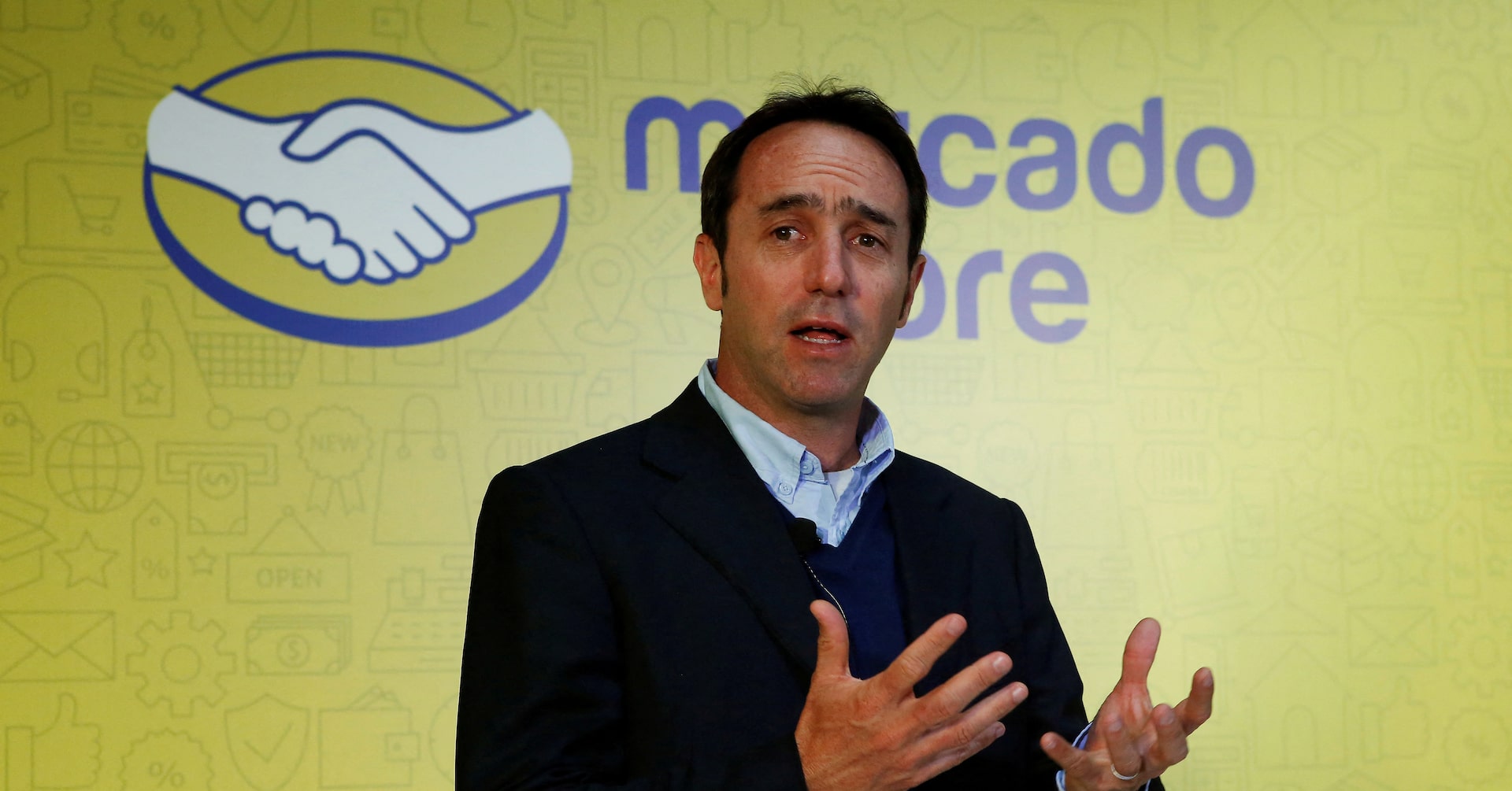
MercadoLibre: Growth Potential of Latin America's E-commerce Giant


- Market Leadership: MercadoLibre dominates the Latin American e-commerce sector, with a 49% year-over-year revenue increase and a 42% rise in gross merchandise volume in Q1 2026, highlighting its substantial growth potential in an underpenetrated market.
- User Base Expansion: As of Q1 2026, MercadoLibre boasts 126 million active users, leveraging this data to enhance its AI assistant, which boosts customer purchase confidence and strengthens its competitive position in the market.
- Fintech Business Growth: The company has grown its fintech user base to 83 million, with a compound annual growth rate (CAGR) of 31%, while its credit portfolio has surged at a CAGR of 94%, showcasing its robust performance in the digital banking sector.
- Profit Pressure and Future Outlook: Despite a drop in operating income from $763 million to $611 million and a margin decline from 12.9% to 6.9% in Q1, management views current investments as essential for future growth, although the market remains cautious about short-term performance.
See More

Grantham Warns SpaceX IPO Could Signal Bull Market Peak
- Market Bubble Warning: Jeremy Grantham, co-founder of asset management firm GMO, warns that the SpaceX IPO could signify the peak of the current bull market, indicating overvaluation and urging caution among investors.
- Profitability Concerns: While Grantham praises SpaceX's Starlink internet service, he believes that most of its valuation is tied to speculative ventures, as the company lost nearly $5 billion last year and will require substantial funding for its capital-intensive plans.
- Market Cycle Impact: Grantham stresses that Elon Musk's successful fundraising strategy during bull markets may not work in a future bear market; if market confidence wanes, SpaceX's stock could plummet from $160 to $63, significantly reducing its market cap below $1 trillion.
- Cash Flow Forecast: Goldman Sachs predicts that SpaceX will generate a negative free cash flow of $105 billion by 2029, highlighting that if market conditions change, the investment narrative for SpaceX could become much more unpredictable, increasing investment risks.
See More
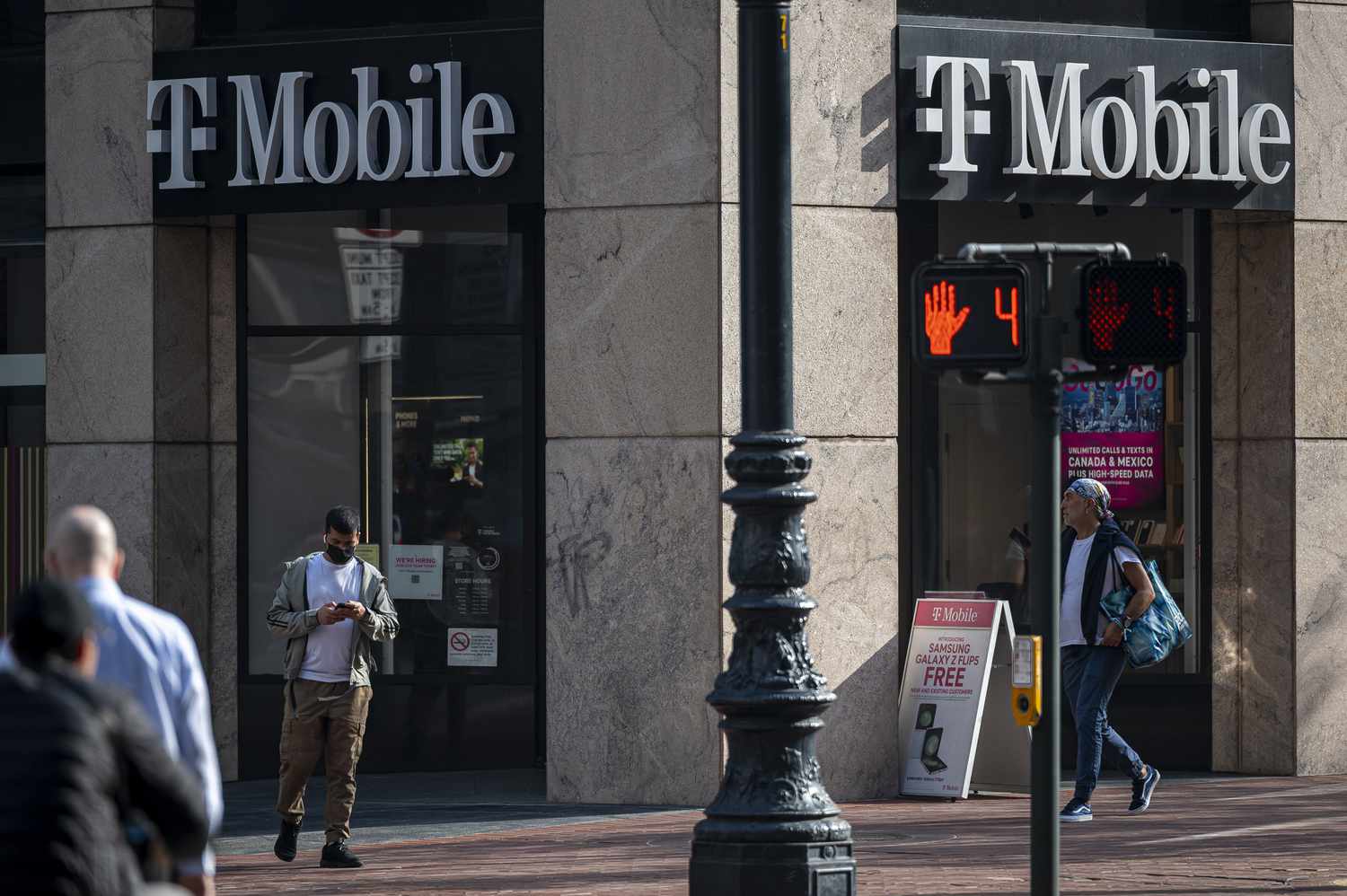
Challenges of SpaceX and T-Mobile Merger


- Technological Complementarity: The technological capabilities of SpaceX and T-Mobile complement each other, and while their services may not necessarily need to merge, such collaboration could enhance user network access, particularly in remote areas.
- High Acquisition Costs: The estimated cost of acquiring T-Mobile is around $180 billion, which would impose significant financial pressure on SpaceX, especially as it already faces a complex business structure and market competition.
- Market Competition Risks: If SpaceX becomes a direct competitor to T-Mobile, it could jeopardize its partnership opportunities with AT&T and Verizon, thereby limiting its share in the U.S. mobile broadband market, where T-Mobile currently holds about one-third.
- Regulatory Barriers: Although the legal arguments for the merger are not particularly strong, regulators may take a cautious stance due to SpaceX's market dominance, potentially leading to wasted time and resources during the merger process.
See More
MercadoLibre Stock Shows Massive Growth Potential
- Massive Market Opportunity: MercadoLibre leads the e-commerce sector in Latin America, with a 49% year-over-year revenue increase and a 42% rise in gross merchandise volume in Q1, indicating strong market demand and growth potential.
- User Base Expansion: As of Q1 2026, MercadoLibre boasts 126 million active users, leveraging data-driven insights to enhance customer experience, with an AI assistant improving purchase confidence.
- Fintech Business Growth: The company has reached 83 million users in its fintech sector, growing at a 31% CAGR, while its credit portfolio has surged at a 94% CAGR, showcasing its robust performance in digital banking.
- Attractive Stock Valuation: Despite MercadoLibre's stock price dropping to $1,764.31 with a P/E ratio of 45, near a 10-year low, it is still considered a good investment given its future growth potential.
See More
Tesla Achieves Record Deliveries in Q2
- Record Deliveries: Tesla delivered 480,126 vehicles in Q2, marking a 25% year-over-year increase and surpassing analyst expectations of 406,000, indicating strong demand and growth potential in the electric vehicle market.
- Stock Price Reaction: Despite the record deliveries, Tesla's stock fell approximately 7.5% following the report, its worst performance in nearly a year, reflecting market concerns about future profitability.
- Production vs. Deliveries: Tesla produced 451,758 vehicles in Q2, falling short of deliveries, suggesting the company may have drawn down inventory to meet delivery targets, raising questions about the sustainability of sales.
- Margin Pressure: With Tesla introducing more competitively priced models, the automotive gross margin was 19% in Q1, and there are concerns that the high delivery volume in Q2 could further compress margins, impacting the company's long-term profitability.
See More
Cathie Wood Increases Tesla Stock Holdings Amid Market Pullback
- Tesla Stock Purchase: Cathie Wood's Ark funds purchased 96,935 shares of Tesla at a 7.49% drop, amounting to approximately $38.1 million, indicating her strong conviction in Tesla's future growth despite recent volatility.
- ARK Innovation ETF Performance: In 2025, the ARK Innovation ETF achieved a 35.49% return, significantly outperforming the S&P 500's 17.88%, yet as of July 2, 2023, it has a five-year annualized return of -8.56%, highlighting the impact of market fluctuations on long-term performance.
- Impact of Technological Innovation: Wood emphasizes that the deflationary effects of technological innovation, particularly in AI, will enhance economic productivity, although her funds faced challenges in Q1 2026, she remains optimistic about future growth potential.
- Investor Confidence Erosion: Despite Wood's bullish outlook on Tesla and tech stocks, the ARK Innovation ETF experienced approximately $1.3 billion in net outflows over the past 12 months, reflecting market skepticism regarding her investment strategy and the associated uncertainties.
See More
MercadoLibre: Growth Potential of Latin America's E-commerce Giant
- Market Leadership: MercadoLibre dominates the Latin American e-commerce sector, with a 49% year-over-year revenue increase and a 42% rise in gross merchandise volume in Q1 2026, highlighting its substantial growth potential in an underpenetrated market.
- User Base Expansion: As of Q1 2026, MercadoLibre boasts 126 million active users, leveraging this data to enhance its AI assistant, which boosts customer purchase confidence and strengthens its competitive position in the market.
- Fintech Business Growth: The company has grown its fintech user base to 83 million, with a compound annual growth rate (CAGR) of 31%, while its credit portfolio has surged at a CAGR of 94%, showcasing its robust performance in the digital banking sector.
- Profit Pressure and Future Outlook: Despite a drop in operating income from $763 million to $611 million and a margin decline from 12.9% to 6.9% in Q1, management views current investments as essential for future growth, although the market remains cautious about short-term performance.
See More
Grantham Warns SpaceX IPO Could Signal Bull Market Peak
- Market Bubble Warning: Jeremy Grantham, co-founder of asset management firm GMO, warns that the SpaceX IPO could signify the peak of the current bull market, indicating overvaluation and urging caution among investors.
- Profitability Concerns: While Grantham praises SpaceX's Starlink internet service, he believes that most of its valuation is tied to speculative ventures, as the company lost nearly $5 billion last year and will require substantial funding for its capital-intensive plans.
- Market Cycle Impact: Grantham stresses that Elon Musk's successful fundraising strategy during bull markets may not work in a future bear market; if market confidence wanes, SpaceX's stock could plummet from $160 to $63, significantly reducing its market cap below $1 trillion.
- Cash Flow Forecast: Goldman Sachs predicts that SpaceX will generate a negative free cash flow of $105 billion by 2029, highlighting that if market conditions change, the investment narrative for SpaceX could become much more unpredictable, increasing investment risks.
See More
Challenges of SpaceX and T-Mobile Merger
- Technological Complementarity: The technological capabilities of SpaceX and T-Mobile complement each other, and while their services may not necessarily need to merge, such collaboration could enhance user network access, particularly in remote areas.
- High Acquisition Costs: The estimated cost of acquiring T-Mobile is around $180 billion, which would impose significant financial pressure on SpaceX, especially as it already faces a complex business structure and market competition.
- Market Competition Risks: If SpaceX becomes a direct competitor to T-Mobile, it could jeopardize its partnership opportunities with AT&T and Verizon, thereby limiting its share in the U.S. mobile broadband market, where T-Mobile currently holds about one-third.
- Regulatory Barriers: Although the legal arguments for the merger are not particularly strong, regulators may take a cautious stance due to SpaceX's market dominance, potentially leading to wasted time and resources during the merger process.
See More
MercadoLibre Stock Shows Massive Growth Potential
- Massive Market Opportunity: MercadoLibre leads the e-commerce sector in Latin America, with a 49% year-over-year revenue increase and a 42% rise in gross merchandise volume in Q1, indicating strong market demand and growth potential.
- User Base Expansion: As of Q1 2026, MercadoLibre boasts 126 million active users, leveraging data-driven insights to enhance customer experience, with an AI assistant improving purchase confidence.
- Fintech Business Growth: The company has reached 83 million users in its fintech sector, growing at a 31% CAGR, while its credit portfolio has surged at a 94% CAGR, showcasing its robust performance in digital banking.
- Attractive Stock Valuation: Despite MercadoLibre's stock price dropping to $1,764.31 with a P/E ratio of 45, near a 10-year low, it is still considered a good investment given its future growth potential.
See More