Workday and Lumentum Options Trading Active
Written by Emily J. Thompson, Senior Investment Analyst
Updated: May 21 2026
0mins

Source: NASDAQ.COM
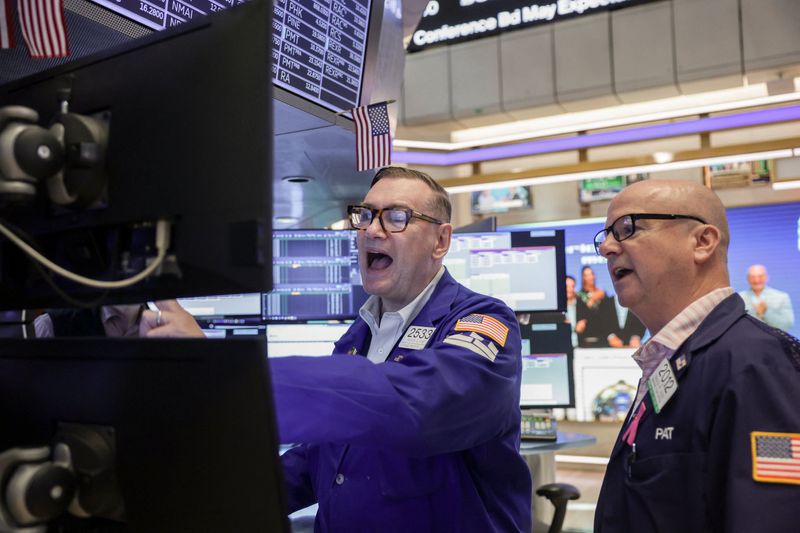
- Workday Options Volume: Today, Workday Inc's options volume reached 24,792 contracts, representing approximately 2.5 million shares, which is 52.2% of its average daily trading volume of 4.8 million shares over the past month, indicating strong market interest in its future performance.
- High Put Option Activity: Within Workday, the $111 strike put option has seen particularly high activity, with 3,532 contracts traded today, equating to about 353,200 underlying shares, suggesting investor expectations of potential price declines.
- Lumentum Options Volume: Similarly, Lumentum Holdings Inc's options trading is robust, with 29,245 contracts traded, representing approximately 2.9 million shares, which accounts for 47% of its average daily trading volume of 6.2 million shares over the past month, reflecting strong market interest in its stock.
- Put Option Trading Details: For Lumentum, the $800 strike put option has recorded a trading volume of 1,375 contracts today, representing about 137,500 underlying shares, highlighting investor focus on potential price fluctuations ahead.
Trade with 70% Backtested Accuracy
Stop guessing "Should I Buy MRNA?" and start using high-conviction signals backed by rigorous historical data.
Sign up today to access powerful investing tools and make smarter, data-driven decisions.
Analyst Views on MRNA
Wall Street analysts forecast MRNA stock price to fall
20 Analyst Rating
1 Buy
16 Hold
3 Sell
Hold
Current: 47.570

Low
17.00
Averages
32.47
High
63.00
Current: 47.570
Low
17.00
Averages
32.47
High
63.00
About MRNA
Moderna, Inc. is a biotechnology company advancing a new class of medicines made of messenger ribonucleic acid (mRNA). It is engaged in developing medicines across infectious disease vaccines, oncology therapeutics and rare disease therapeutics. Its platform incorporates advances across three components, mRNA, delivery, and the manufacturing process, to advance its medicines. Its products are Spikevax and mNEXSPIKE (its COVID vaccines), and mRESVIA (its vaccine against respiratory syncytial virus (RSV)). It also has a diverse development pipeline that consists of 35 therapeutic and vaccine programs, six of which are in late-stage development. It has regulatory filings under review for its seasonal flu+COVID vaccine (mRNA-1083) in Europe and Canada and for its seasonal flu vaccine (mRNA-1010) in the United States, Europe, Canada and Australia. Its rare disease programs are Propionic acidemia (mRNA-3927); Methylmalonic acidemia (mRNA-3705), and Cystic Fibrosis (mRNA-3692/VX-522).
About the author

Emily J. Thompson
Emily J. Thompson, a Chartered Financial Analyst (CFA) with 12 years in investment research, graduated with honors from the Wharton School. Specializing in industrial and technology stocks, she provides in-depth analysis for Intellectia’s earnings and market brief reports.

The Importance of Market Capitalization for Investors


- Market Capitalization Comparison: Moderna Inc (MRNA) has a market cap of $18.88 billion compared to Generac Holdings Inc (GNRC) at $16.45 billion, allowing investors to accurately assess the relative value of both companies and avoid misleading judgments based on stock prices alone.
- Impact on Investor Decisions: Market capitalization not only affects a company's ranking among peers but also directly influences which mutual funds and ETFs are willing to hold the stock; for instance, funds focused on large-cap stocks may only be interested in companies valued at over $10 billion, impacting capital inflows.
- Significance of MidCap Index: The S&P MidCap index focuses on smaller “up-and-coming” companies by excluding the largest 100 firms, enabling investors to discover potential high-growth opportunities, highlighting the importance of market capitalization in investment strategies.
- Stock Price Fluctuation Observation: At Friday's close, MRNA was down about 0.8% while GNRC fell about 0.4%, reflecting ongoing market attention to the relative values of both companies, prompting investors to closely monitor market dynamics for informed decision-making.
See More

EMA Recommends Targeting XFG Variant for 2026/2027 Vaccines

- Vaccine Development Focus: The European Medicines Agency (EMA) has recommended that vaccine manufacturers target the SARS-CoV-2 variant XFG for the 2026/2027 immunization campaign, reflecting a proactive approach to current epidemiological trends aimed at enhancing vaccine efficacy.
- Variant Prevalence: As of October 2025, XFG accounted for 74% of infections, demonstrating its dominance among JN.1 subvariants, and the EMA's recommendation aims to address this prevalence to ensure vaccines are both targeted and effective.
- International Collaboration: The EMA made its recommendation in consultation with the World Health Organization and international partners, ensuring that the perspectives of vaccine manufacturers were considered, which reflects the EMA's global outlook and collaborative spirit in vaccine development.
- FDA Support for Adjustment: An FDA advisory panel voted 8-0 to support adjusting the next round of COVID vaccines to reflect the XFG variant, indicating that this variant made up over 50% of U.S. cases, further underscoring the necessity for vaccine adjustments.
See More
FDA Panel Recommends Updating COVID Vaccines for XFG Variant
- Vaccine Update Recommendation: The FDA advisory panel voted 8-0 to recommend updating COVID vaccines for the 2026-27 season to target the XFG variant, which now accounts for over half of COVID cases in the U.S., despite concerns about limited data from some members.
- Variant Impact: Known as 'Stratus', the XFG variant carries mutations that may help it partially evade existing antibody protection, highlighting the urgency of updating vaccines to address the evolving virus landscape.
- Manufacturing Capability: Briefing documents revealed that manufacturers like Moderna, Pfizer-BioNTech, and Novavax confirmed their ability to produce updated vaccines in time for the 2026-27 season, ensuring continuity in vaccine supply.
- Policy Background Shift: The relatively calm discussion during the meeting contrasts sharply with the turbulence surrounding federal vaccine policy since Robert F. Kennedy Jr. became Health Secretary, indicating a potential new direction for the FDA in vaccine policy.
See More

FDA Advisory Panel to Vote on COVID Vaccine Target Variant
- Vaccine Target Variant Discussion: The FDA's advisory panel is set to vote on Thursday regarding whether COVID-19 vaccines for the 2026-2027 immunization campaign should target the dominant XFG variant, despite limited data on circulating strains, which could impact vaccine efficacy and public health strategies.
- Sign of Procedural Normalcy: The lack of membership changes in the FDA advisory panel indicates a return to procedural normalcy under Health Secretary Robert F. Kennedy Jr., following a series of vaccine policy upheavals, which may help restore public trust in vaccination efforts.
- Monitoring Data Gaps: Assessing the evolution of COVID-19 has become increasingly challenging due to declines in virologic surveillance, sequencing volumes, and timely data sharing from public health departments, as reflected in the CDC's COVID dashboard, where weekly data is currently unavailable due to low sequencing submissions, potentially delaying vaccine strategy updates.
- Variant Evolution and Vaccine Recommendations: The FDA's briefing documents highlight that since last year, the evolution of COVID variants has continued, with LP.8.1 still recommended, but the emergence of new variants like NB.1.8.1 may necessitate adjustments in targets for vaccine manufacturers to effectively respond to the evolving pandemic landscape.
See More
FDA Advisory Panel to Discuss 2026-2027 COVID Vaccine Composition
- Vaccine Target Selection: The FDA's Vaccines and Related Biological Products Advisory Committee will vote this week on whether to select the SARS-CoV-2 subvariant XFG as the target for the 2026-2027 COVID vaccines, a decision that will directly influence future vaccine development directions.
- Variant Advantage Analysis: The XFG variant, which emerged from the JN.1 variant, is currently one of the dominant COVID strains in the U.S. and internationally, possessing a growth advantage over the previously dominant LP.8.1 variant, indicating the need for timely vaccine updates to address new challenges.
- Vaccine Production Readiness: In briefing documents released ahead of the meeting, the FDA noted that all licensed COVID vaccine manufacturers have indicated their readiness to produce XFG-targeting vaccines in time for the 2026-27 vaccination season, demonstrating the industry's ability to respond quickly to new variants.
- Vaccine Design Recommendations: Based on last year's VRBPAC recommendations, the FDA has advised vaccine manufacturers to design monovalent COVID vaccines targeting JN.1, preferably LP.8.1, to ensure that vaccines are timely updated to respond to the then-dominant strains, enhancing public health response capabilities.
See More

Workday and Lumentum Options Trading Active

- Workday Options Volume: Today, Workday Inc's options volume reached 24,792 contracts, representing approximately 2.5 million shares, which is 52.2% of its average daily trading volume of 4.8 million shares over the past month, indicating strong market interest in its future performance.
- High Put Option Activity: Within Workday, the $111 strike put option has seen particularly high activity, with 3,532 contracts traded today, equating to about 353,200 underlying shares, suggesting investor expectations of potential price declines.
- Lumentum Options Volume: Similarly, Lumentum Holdings Inc's options trading is robust, with 29,245 contracts traded, representing approximately 2.9 million shares, which accounts for 47% of its average daily trading volume of 6.2 million shares over the past month, reflecting strong market interest in its stock.
- Put Option Trading Details: For Lumentum, the $800 strike put option has recorded a trading volume of 1,375 contracts today, representing about 137,500 underlying shares, highlighting investor focus on potential price fluctuations ahead.
See More
The Importance of Market Capitalization for Investors
- Market Capitalization Comparison: Moderna Inc (MRNA) has a market cap of $18.88 billion compared to Generac Holdings Inc (GNRC) at $16.45 billion, allowing investors to accurately assess the relative value of both companies and avoid misleading judgments based on stock prices alone.
- Impact on Investor Decisions: Market capitalization not only affects a company's ranking among peers but also directly influences which mutual funds and ETFs are willing to hold the stock; for instance, funds focused on large-cap stocks may only be interested in companies valued at over $10 billion, impacting capital inflows.
- Significance of MidCap Index: The S&P MidCap index focuses on smaller “up-and-coming” companies by excluding the largest 100 firms, enabling investors to discover potential high-growth opportunities, highlighting the importance of market capitalization in investment strategies.
- Stock Price Fluctuation Observation: At Friday's close, MRNA was down about 0.8% while GNRC fell about 0.4%, reflecting ongoing market attention to the relative values of both companies, prompting investors to closely monitor market dynamics for informed decision-making.
See More
EMA Recommends Targeting XFG Variant for 2026/2027 Vaccines
- Vaccine Development Focus: The European Medicines Agency (EMA) has recommended that vaccine manufacturers target the SARS-CoV-2 variant XFG for the 2026/2027 immunization campaign, reflecting a proactive approach to current epidemiological trends aimed at enhancing vaccine efficacy.
- Variant Prevalence: As of October 2025, XFG accounted for 74% of infections, demonstrating its dominance among JN.1 subvariants, and the EMA's recommendation aims to address this prevalence to ensure vaccines are both targeted and effective.
- International Collaboration: The EMA made its recommendation in consultation with the World Health Organization and international partners, ensuring that the perspectives of vaccine manufacturers were considered, which reflects the EMA's global outlook and collaborative spirit in vaccine development.
- FDA Support for Adjustment: An FDA advisory panel voted 8-0 to support adjusting the next round of COVID vaccines to reflect the XFG variant, indicating that this variant made up over 50% of U.S. cases, further underscoring the necessity for vaccine adjustments.
See More
FDA Panel Recommends Updating COVID Vaccines for XFG Variant
- Vaccine Update Recommendation: The FDA advisory panel voted 8-0 to recommend updating COVID vaccines for the 2026-27 season to target the XFG variant, which now accounts for over half of COVID cases in the U.S., despite concerns about limited data from some members.
- Variant Impact: Known as 'Stratus', the XFG variant carries mutations that may help it partially evade existing antibody protection, highlighting the urgency of updating vaccines to address the evolving virus landscape.
- Manufacturing Capability: Briefing documents revealed that manufacturers like Moderna, Pfizer-BioNTech, and Novavax confirmed their ability to produce updated vaccines in time for the 2026-27 season, ensuring continuity in vaccine supply.
- Policy Background Shift: The relatively calm discussion during the meeting contrasts sharply with the turbulence surrounding federal vaccine policy since Robert F. Kennedy Jr. became Health Secretary, indicating a potential new direction for the FDA in vaccine policy.
See More
FDA Advisory Panel to Vote on COVID Vaccine Target Variant
- Vaccine Target Variant Discussion: The FDA's advisory panel is set to vote on Thursday regarding whether COVID-19 vaccines for the 2026-2027 immunization campaign should target the dominant XFG variant, despite limited data on circulating strains, which could impact vaccine efficacy and public health strategies.
- Sign of Procedural Normalcy: The lack of membership changes in the FDA advisory panel indicates a return to procedural normalcy under Health Secretary Robert F. Kennedy Jr., following a series of vaccine policy upheavals, which may help restore public trust in vaccination efforts.
- Monitoring Data Gaps: Assessing the evolution of COVID-19 has become increasingly challenging due to declines in virologic surveillance, sequencing volumes, and timely data sharing from public health departments, as reflected in the CDC's COVID dashboard, where weekly data is currently unavailable due to low sequencing submissions, potentially delaying vaccine strategy updates.
- Variant Evolution and Vaccine Recommendations: The FDA's briefing documents highlight that since last year, the evolution of COVID variants has continued, with LP.8.1 still recommended, but the emergence of new variants like NB.1.8.1 may necessitate adjustments in targets for vaccine manufacturers to effectively respond to the evolving pandemic landscape.
See More
FDA Advisory Panel to Discuss 2026-2027 COVID Vaccine Composition
- Vaccine Target Selection: The FDA's Vaccines and Related Biological Products Advisory Committee will vote this week on whether to select the SARS-CoV-2 subvariant XFG as the target for the 2026-2027 COVID vaccines, a decision that will directly influence future vaccine development directions.
- Variant Advantage Analysis: The XFG variant, which emerged from the JN.1 variant, is currently one of the dominant COVID strains in the U.S. and internationally, possessing a growth advantage over the previously dominant LP.8.1 variant, indicating the need for timely vaccine updates to address new challenges.
- Vaccine Production Readiness: In briefing documents released ahead of the meeting, the FDA noted that all licensed COVID vaccine manufacturers have indicated their readiness to produce XFG-targeting vaccines in time for the 2026-27 vaccination season, demonstrating the industry's ability to respond quickly to new variants.
- Vaccine Design Recommendations: Based on last year's VRBPAC recommendations, the FDA has advised vaccine manufacturers to design monovalent COVID vaccines targeting JN.1, preferably LP.8.1, to ensure that vaccines are timely updated to respond to the then-dominant strains, enhancing public health response capabilities.
See More
Workday and Lumentum Options Trading Active
- Workday Options Volume: Today, Workday Inc's options volume reached 24,792 contracts, representing approximately 2.5 million shares, which is 52.2% of its average daily trading volume of 4.8 million shares over the past month, indicating strong market interest in its future performance.
- High Put Option Activity: Within Workday, the $111 strike put option has seen particularly high activity, with 3,532 contracts traded today, equating to about 353,200 underlying shares, suggesting investor expectations of potential price declines.
- Lumentum Options Volume: Similarly, Lumentum Holdings Inc's options trading is robust, with 29,245 contracts traded, representing approximately 2.9 million shares, which accounts for 47% of its average daily trading volume of 6.2 million shares over the past month, reflecting strong market interest in its stock.
- Put Option Trading Details: For Lumentum, the $800 strike put option has recorded a trading volume of 1,375 contracts today, representing about 137,500 underlying shares, highlighting investor focus on potential price fluctuations ahead.
See More