What’s Happening with Lyft Stock Today?
Lyft's Stock Performance: Lyft, Inc. shares fell by 1.14% to $23.45 as Canaccord's George Gianarikas maintained a "Hold" rating while raising the target price to $19.
Integration with Curb: Lyft plans to integrate licensed taxis into its app through a partnership with Curb, launching in Los Angeles and expanding to other cities, aiming to reduce wait times for riders.
Benefits for Drivers and Riders: The integration allows taxi drivers access to approximately 50 million annual riders, enhancing their earning potential while providing Lyft users with a more reliable transportation option.
Future Expansion Plans: Lyft's collaboration with Curb supports its marketplace strategy, increasing driver supply during peak times and maintaining consistency across the platform as more cities are activated.
Trade with 70% Backtested Accuracy
Analyst Views on LYFT

About LYFT
About the author

Waymo Recalls 3,900 Robotaxis to Address Software Issues


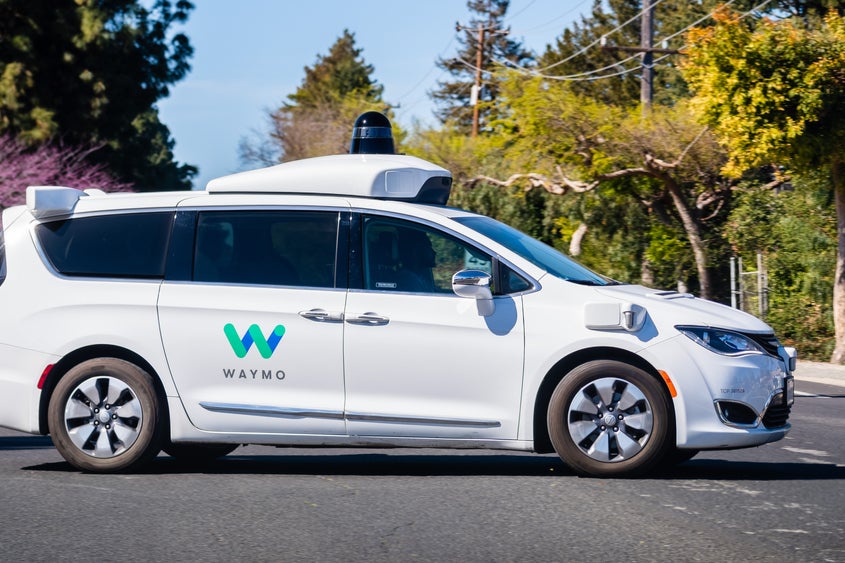
- Recall Announcement: Waymo is recalling nearly 3,900 robotaxis to address software issues, marking the company's second recall in just over a month, following 13 incidents where robotaxis entered freeway construction zones, highlighting deficiencies in its autonomous driving systems under complex conditions.
- Safety Risks: According to notices from the National Highway Traffic Safety Administration, Waymo's fifth-generation automated driving systems exhibit performance issues in construction zones, increasing the likelihood of accidents, which has compelled the company to restrict freeway operations to ensure passenger safety.
- Expansion Constraints: Waymo currently operates commercial robotaxi services in 11 U.S. markets, but the ongoing freeway issues are limiting the company's expansion velocity, particularly against the backdrop of plans to enter international markets like London and Tokyo.
- New Subscription Model: Waymo recently introduced a $29.99 monthly subscription service aimed at high-demand cities, but until the freeway issues are resolved, user experience and market confidence may be adversely affected.

Comparative Analysis of Uber and Lyft in the Ride-Hailing Market

- Revenue Growth Comparison: Lyft's revenue grew approximately 9% to $6.3 billion in FY 2025, while Uber's revenue surged 18% to $52 billion, highlighting Uber's significant advantage in market scale and revenue growth.
- Net Income Performance: Lyft reported a net income of $2.8 billion with a net margin of about 45%, whereas Uber's net income was close to $10.1 billion with a net margin of approximately 19%, indicating Lyft's superior profitability but Uber's higher absolute profits.
- Free Cash Flow Analysis: Lyft generated nearly $1.1 billion in free cash flow, reflecting its cash generation capability after capital expenditures, while Uber's free cash flow reached $9.8 billion, showcasing its strong liquidity and strategic growth potential.
- Risks and Challenges: Lyft faces legal challenges related to driver classification and complexities from international acquisitions, while Uber encounters regulatory friction globally and potential acquisition risks, both of which could impact their future development.

Comparative Analysis of Lyft and Uber in the Market
- International Expansion Strategy: Lyft has successfully entered nine new countries by acquiring Freenow and TBR, covering over 180 cities and launching luxury chauffeur services, significantly enhancing its market share and brand influence.
- Financial Performance Comparison: Lyft's revenue grew approximately 9% in FY 2025, reaching $6.3 billion, with a net income of $2.8 billion and a net margin of about 45%, indicating a substantial improvement in profitability.
- Free Cash Flow Status: Lyft's free cash flow approached $1.1 billion, and despite stock-based compensation accounting for 28% of operating cash flow, it still demonstrates strong cash generation capability after capital expenditures.
- Legal Risk Challenges: Lyft faces legal challenges related to driver classification and ongoing federal litigation, which may impact its operational efficiency and market reputation, increasing uncertainty for future growth.

Rothschild & Co Redburn Upgrades Lyft to Buy Rating
- Rating Upgrade: Rothschild & Co Redburn upgraded Lyft from Neutral to Buy, with analyst James Goodall asserting that recent pressures on ride growth are temporary rather than structural, making the current valuation compelling relative to fundamentals and peers.
- Growth Slowdown Insight: Although Lyft's ride growth has slowed over the past six months, raising investor concerns, particularly as expected benefits from lower insurance costs have yet to materialize and competitor behavior has intensified, Goodall does not view this slowdown as indicative of long-term structural issues.
- International Expansion Outlook: Goodall highlighted Lyft's pursuit of international expansion to re-accelerate demand, noting that even under a conservative scenario where U.S. ride growth remains in the single digits, the current share price already discounts that outcome while still offering upside potential.
- Capital Return Expectations: Looking ahead, Goodall anticipates Lyft will continue returning capital to shareholders due to improving cash generation, a strong balance sheet, and low capital intensity, with Rothschild & Co Redburn raising Lyft's price target to $22.

Latest Wall Street Ratings Overview


- GE Vernova Rating: Bernstein initiates GE Vernova as outperform, citing the potential for U.S. natural gas to displace coal globally, thereby reducing electricity costs and providing reliable power, which could drive the stock price higher.
- NeoVolta Buy Rating: Needham initiates coverage on NeoVolta with a Buy rating and an $8 price target, indicating significant upside potential for the battery company, reflecting strong market demand for its products.
- Nvidia Outlook: Bernstein reiterates Nvidia as outperform, emphasizing the enormous and still early data center market opportunity, suggesting that the company's leadership in technology will continue to drive stock price growth.
- Allegiant Acquisition Boost: Goldman Sachs reinstates Allegiant as a Buy with a $125 price target, believing that the acquisition of Sun Country will provide incremental profitable growth opportunities, enhancing the company's competitive position in the market.
Rothschild Upgrades Lyft to Buy Amid AV Growth Potential
- Rating Upgrade: Rothschild & Co. upgraded Lyft from neutral to buy and raised its price target from $17 to $22, indicating a 54% upside from Tuesday's close, reflecting confidence in the company's growth prospects.
- Competitive Pressure: Despite Lyft's 26% stock decline this year amid competition from robotaxi startups like Waymo, analysts believe Lyft has the potential to leverage autonomous technology to enhance its market position.
- Technological Edge: Lyft's top-tier pricing, matching, and dispatch algorithms enable it to maximize autonomous vehicle utilization, providing a competitive advantage, particularly in navigating complex regulatory environments compared to newer peers.
- Partnerships: Lyft has formed partnerships with several autonomous vehicle firms, positioning it to capitalize on a potential driverless vehicle boom, with analysts noting that more robotaxi providers joining will strengthen Lyft's market position.
Waymo Recalls 3,900 Robotaxis to Address Software Issues
- Recall Announcement: Waymo is recalling nearly 3,900 robotaxis to address software issues, marking the company's second recall in just over a month, following 13 incidents where robotaxis entered freeway construction zones, highlighting deficiencies in its autonomous driving systems under complex conditions.
- Safety Risks: According to notices from the National Highway Traffic Safety Administration, Waymo's fifth-generation automated driving systems exhibit performance issues in construction zones, increasing the likelihood of accidents, which has compelled the company to restrict freeway operations to ensure passenger safety.
- Expansion Constraints: Waymo currently operates commercial robotaxi services in 11 U.S. markets, but the ongoing freeway issues are limiting the company's expansion velocity, particularly against the backdrop of plans to enter international markets like London and Tokyo.
- New Subscription Model: Waymo recently introduced a $29.99 monthly subscription service aimed at high-demand cities, but until the freeway issues are resolved, user experience and market confidence may be adversely affected.
Comparative Analysis of Uber and Lyft in the Ride-Hailing Market
- Revenue Growth Comparison: Lyft's revenue grew approximately 9% to $6.3 billion in FY 2025, while Uber's revenue surged 18% to $52 billion, highlighting Uber's significant advantage in market scale and revenue growth.
- Net Income Performance: Lyft reported a net income of $2.8 billion with a net margin of about 45%, whereas Uber's net income was close to $10.1 billion with a net margin of approximately 19%, indicating Lyft's superior profitability but Uber's higher absolute profits.
- Free Cash Flow Analysis: Lyft generated nearly $1.1 billion in free cash flow, reflecting its cash generation capability after capital expenditures, while Uber's free cash flow reached $9.8 billion, showcasing its strong liquidity and strategic growth potential.
- Risks and Challenges: Lyft faces legal challenges related to driver classification and complexities from international acquisitions, while Uber encounters regulatory friction globally and potential acquisition risks, both of which could impact their future development.
Comparative Analysis of Lyft and Uber in the Market
- International Expansion Strategy: Lyft has successfully entered nine new countries by acquiring Freenow and TBR, covering over 180 cities and launching luxury chauffeur services, significantly enhancing its market share and brand influence.
- Financial Performance Comparison: Lyft's revenue grew approximately 9% in FY 2025, reaching $6.3 billion, with a net income of $2.8 billion and a net margin of about 45%, indicating a substantial improvement in profitability.
- Free Cash Flow Status: Lyft's free cash flow approached $1.1 billion, and despite stock-based compensation accounting for 28% of operating cash flow, it still demonstrates strong cash generation capability after capital expenditures.
- Legal Risk Challenges: Lyft faces legal challenges related to driver classification and ongoing federal litigation, which may impact its operational efficiency and market reputation, increasing uncertainty for future growth.
Rothschild & Co Redburn Upgrades Lyft to Buy Rating
- Rating Upgrade: Rothschild & Co Redburn upgraded Lyft from Neutral to Buy, with analyst James Goodall asserting that recent pressures on ride growth are temporary rather than structural, making the current valuation compelling relative to fundamentals and peers.
- Growth Slowdown Insight: Although Lyft's ride growth has slowed over the past six months, raising investor concerns, particularly as expected benefits from lower insurance costs have yet to materialize and competitor behavior has intensified, Goodall does not view this slowdown as indicative of long-term structural issues.
- International Expansion Outlook: Goodall highlighted Lyft's pursuit of international expansion to re-accelerate demand, noting that even under a conservative scenario where U.S. ride growth remains in the single digits, the current share price already discounts that outcome while still offering upside potential.
- Capital Return Expectations: Looking ahead, Goodall anticipates Lyft will continue returning capital to shareholders due to improving cash generation, a strong balance sheet, and low capital intensity, with Rothschild & Co Redburn raising Lyft's price target to $22.
Latest Wall Street Ratings Overview
- GE Vernova Rating: Bernstein initiates GE Vernova as outperform, citing the potential for U.S. natural gas to displace coal globally, thereby reducing electricity costs and providing reliable power, which could drive the stock price higher.
- NeoVolta Buy Rating: Needham initiates coverage on NeoVolta with a Buy rating and an $8 price target, indicating significant upside potential for the battery company, reflecting strong market demand for its products.
- Nvidia Outlook: Bernstein reiterates Nvidia as outperform, emphasizing the enormous and still early data center market opportunity, suggesting that the company's leadership in technology will continue to drive stock price growth.
- Allegiant Acquisition Boost: Goldman Sachs reinstates Allegiant as a Buy with a $125 price target, believing that the acquisition of Sun Country will provide incremental profitable growth opportunities, enhancing the company's competitive position in the market.
Rothschild Upgrades Lyft to Buy Amid AV Growth Potential
- Rating Upgrade: Rothschild & Co. upgraded Lyft from neutral to buy and raised its price target from $17 to $22, indicating a 54% upside from Tuesday's close, reflecting confidence in the company's growth prospects.
- Competitive Pressure: Despite Lyft's 26% stock decline this year amid competition from robotaxi startups like Waymo, analysts believe Lyft has the potential to leverage autonomous technology to enhance its market position.
- Technological Edge: Lyft's top-tier pricing, matching, and dispatch algorithms enable it to maximize autonomous vehicle utilization, providing a competitive advantage, particularly in navigating complex regulatory environments compared to newer peers.
- Partnerships: Lyft has formed partnerships with several autonomous vehicle firms, positioning it to capitalize on a potential driverless vehicle boom, with analysts noting that more robotaxi providers joining will strengthen Lyft's market position.